Geography knowledge Worksheets for Ages 3-9 - Page 2
36 filtered results
-
From - To
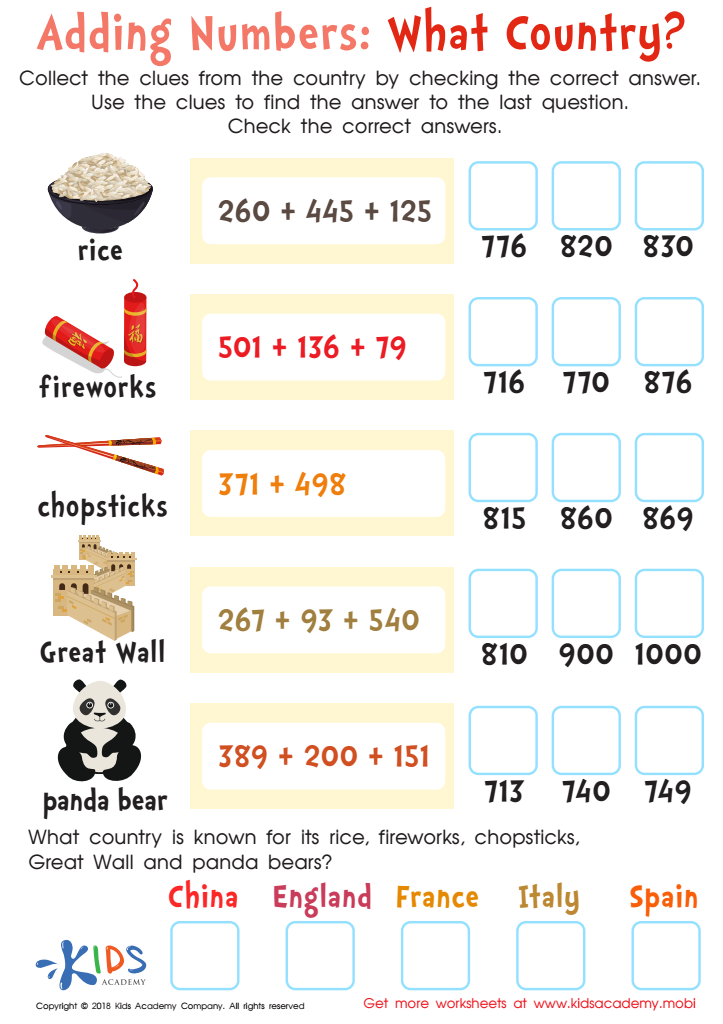
Adding Numbers: What Country Worksheet
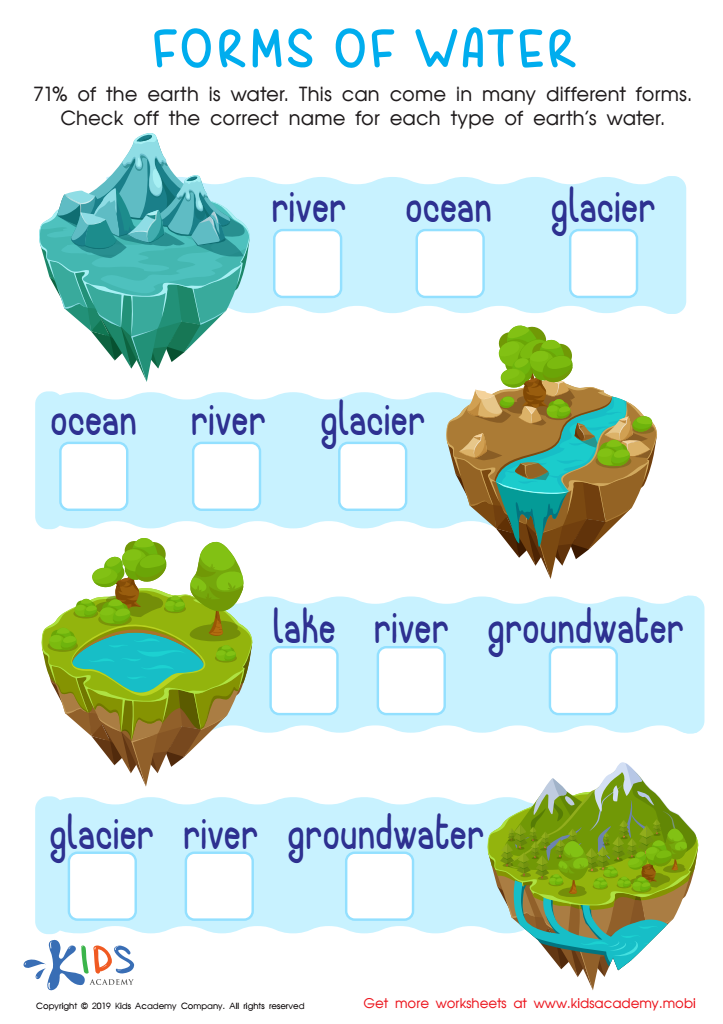
Forms of Water Worksheet
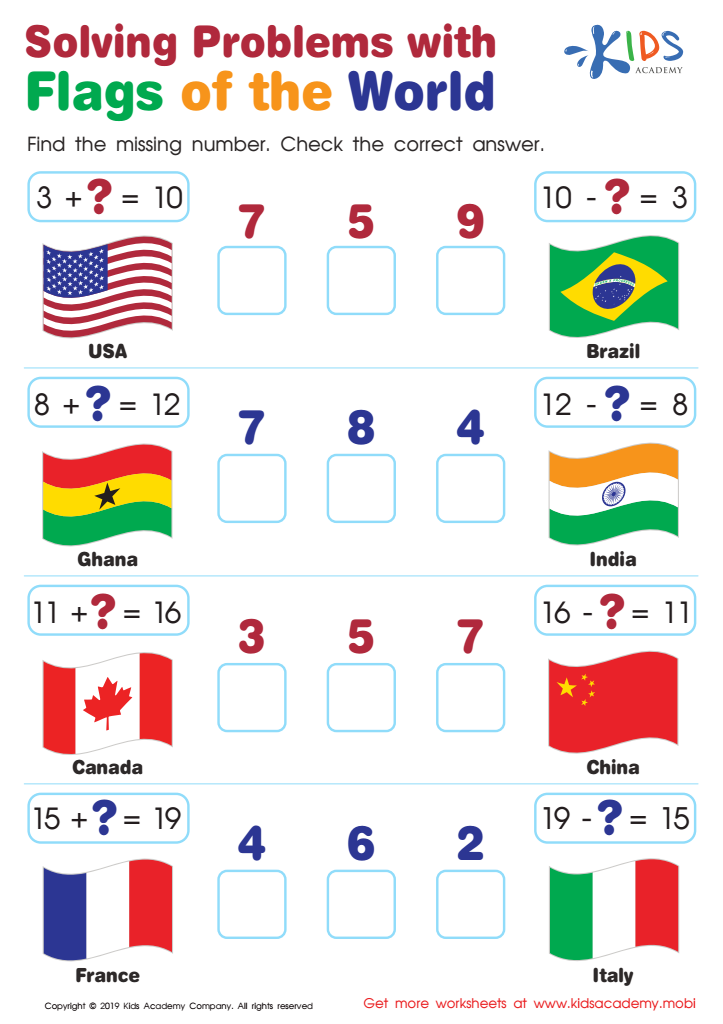
Solving Problems with Flags of the World Worksheet
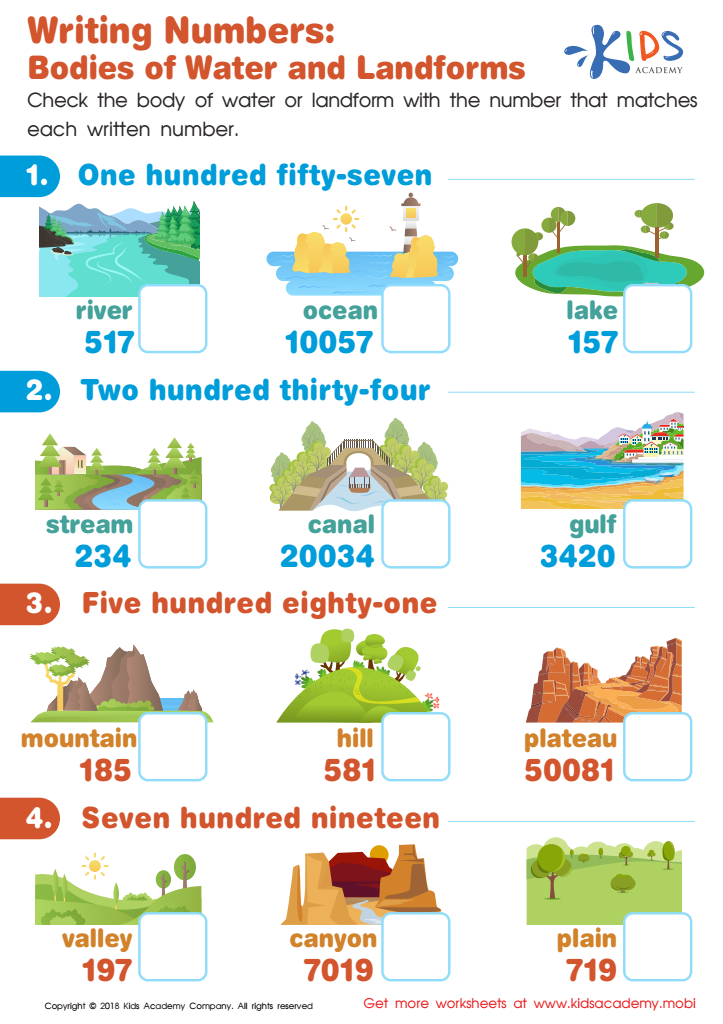
Bodies of Water and Landforms Writing Numbers Worksheet
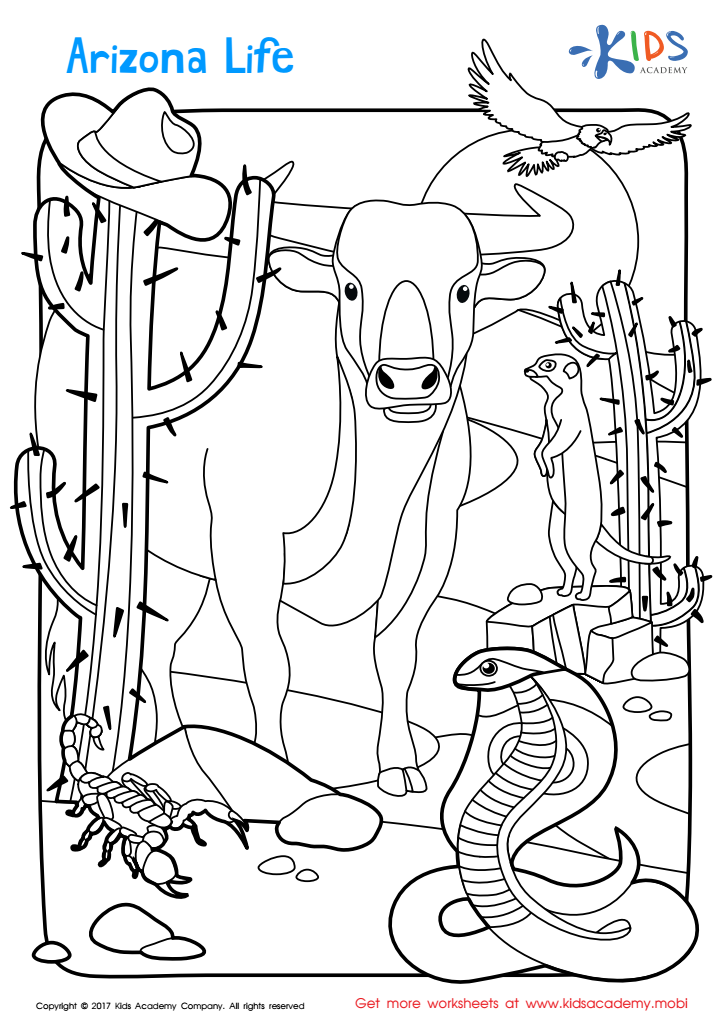
Arizona Coloring Page Worksheet
 Assign to My Students
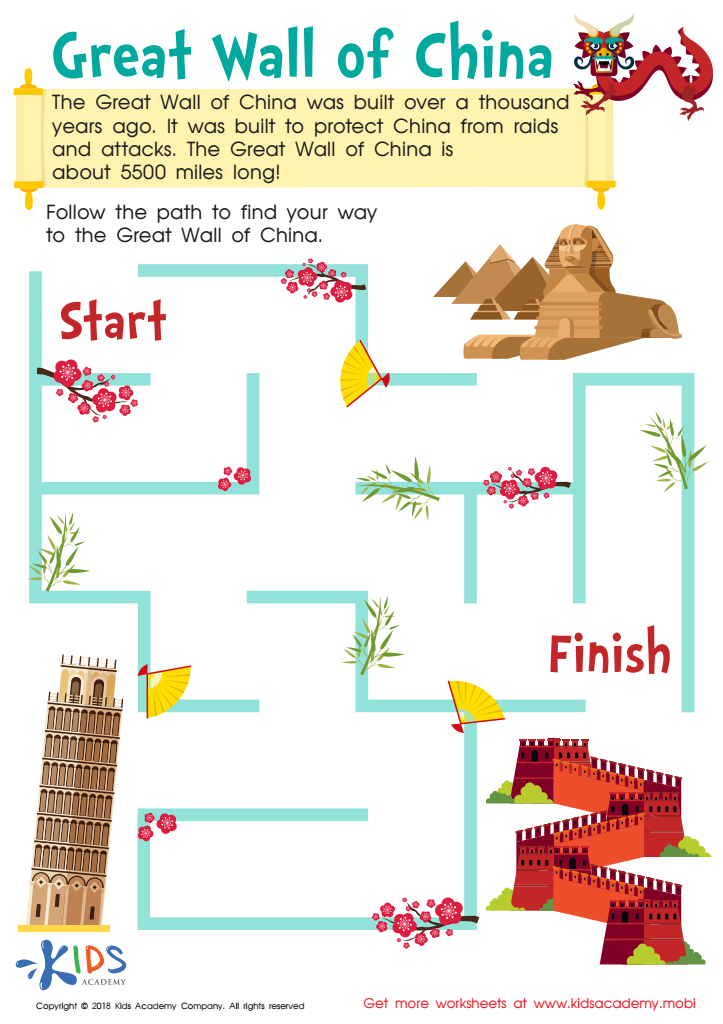
Great Wall of China Worksheet
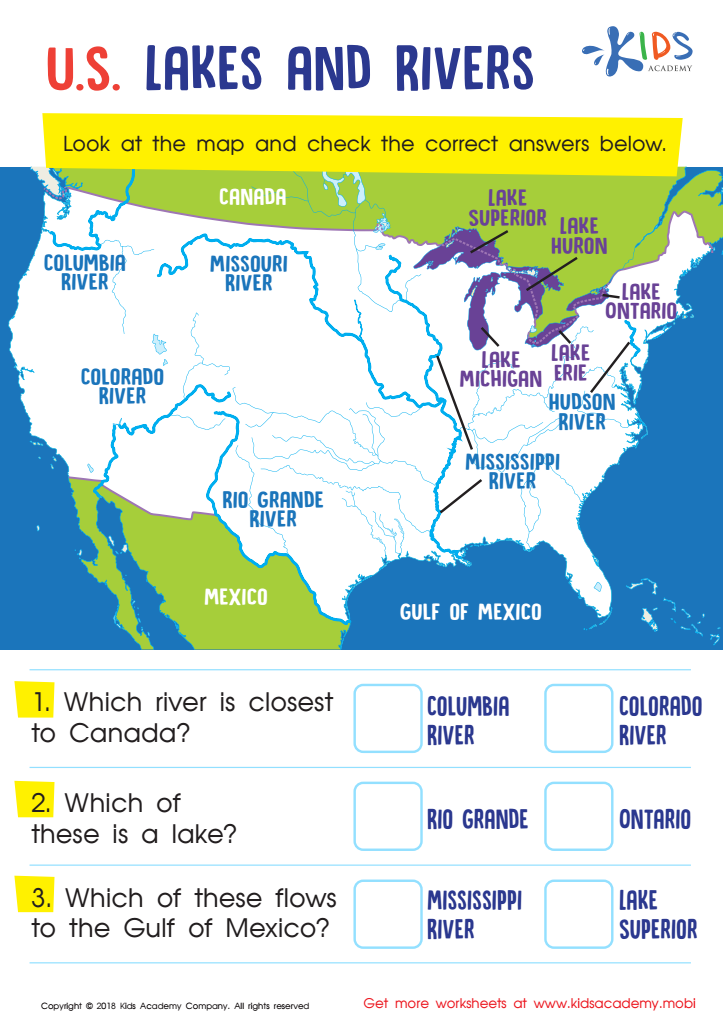
U.S. Lakes and Rivers Worksheet
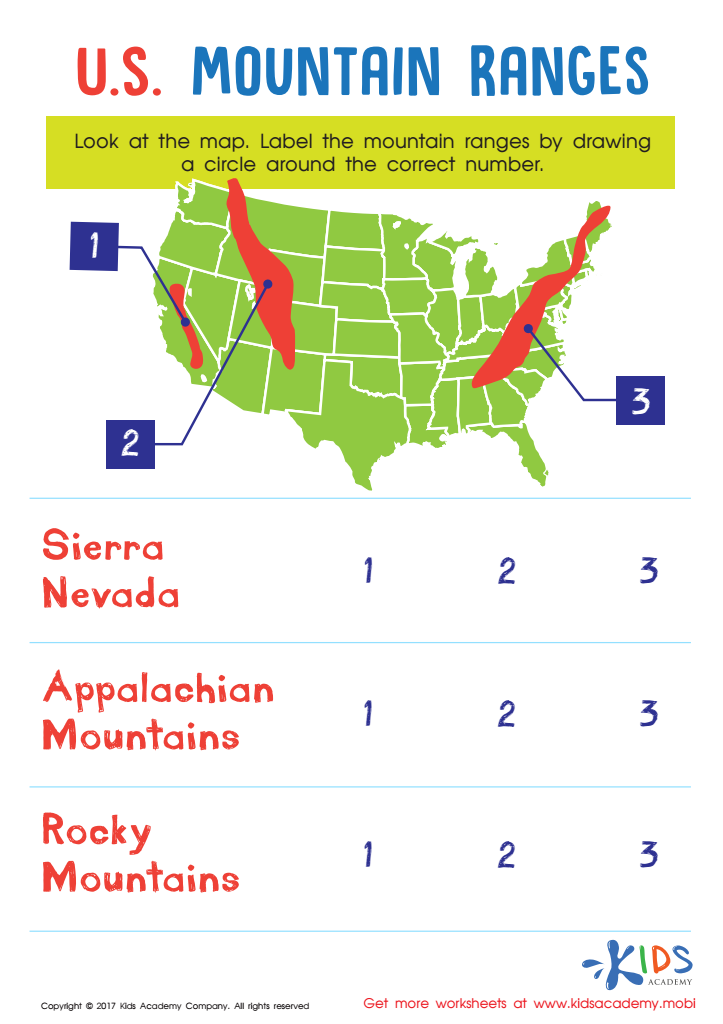
US Mountain Ranges Worksheet

Towns Worksheet
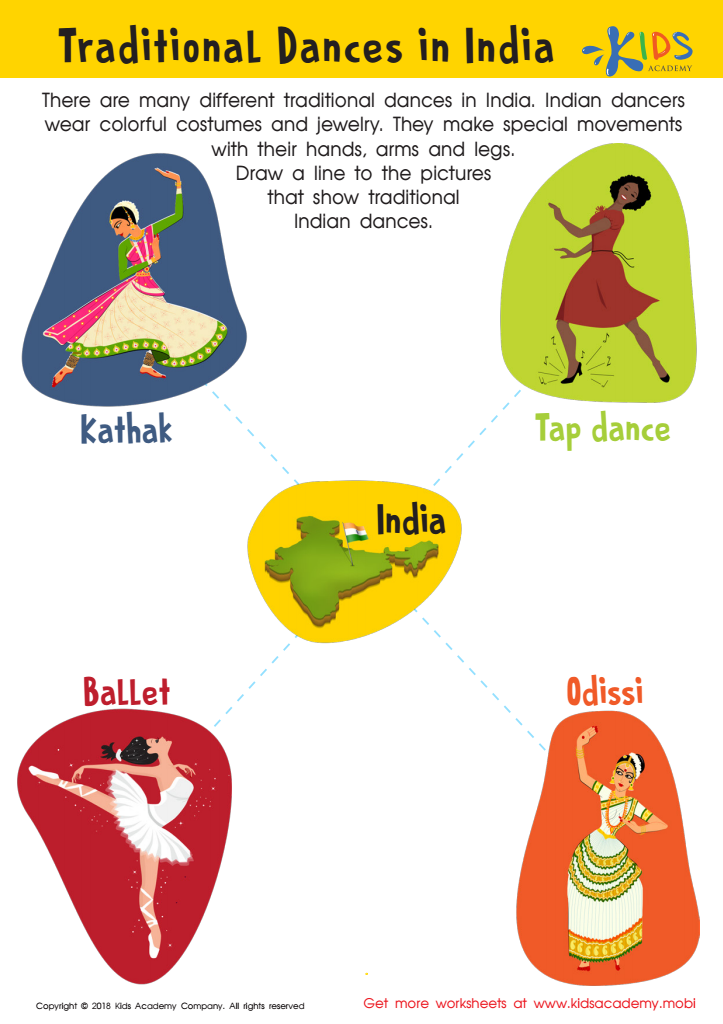
Traditional Dances in India Worksheet
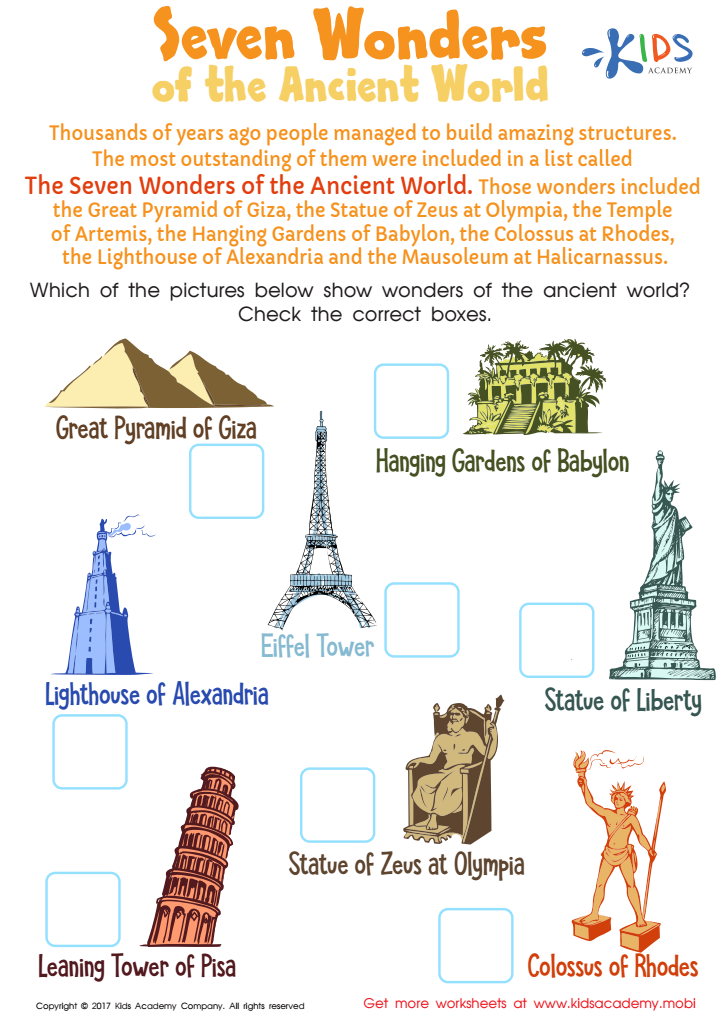
Seven Wonders of the Ancient World Worksheet
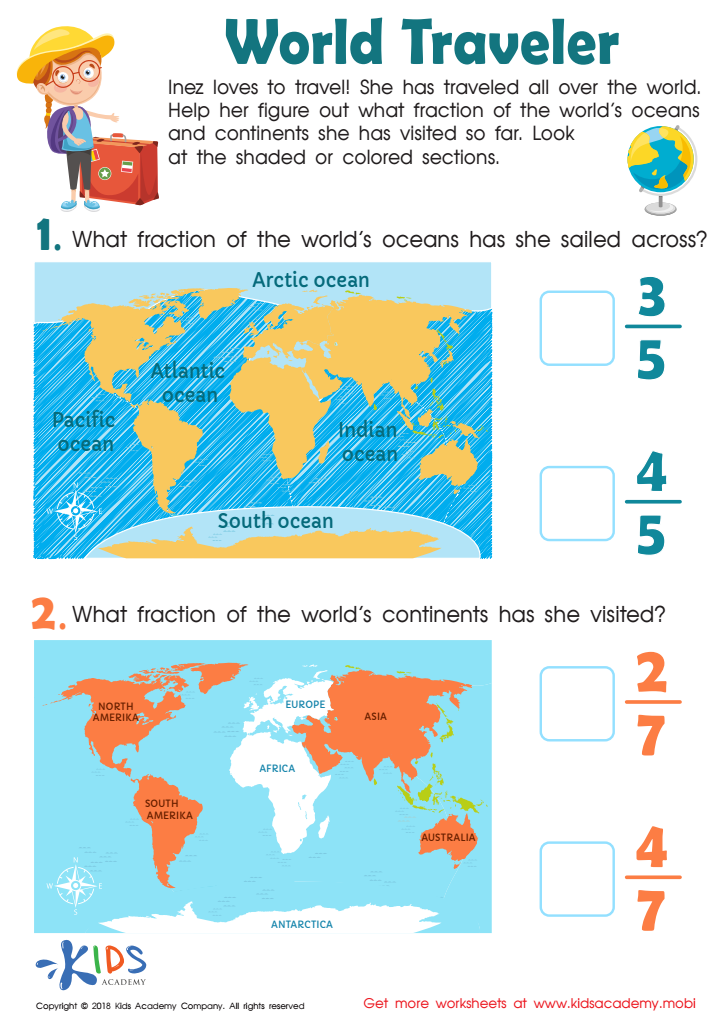
World Traveler Worksheet







Geography knowledge is crucial for children aged 3-9 as it fosters curiosity about the world around them and enriches their understanding of diverse cultures and environments. At this age, children are naturally inquisitive, and introducing geographical concepts can widen their perspectives, foster critical thinking, and nurture empathy for people living in different regions.
Understanding geography helps children learn about their local community and the global landscape, serving as a foundation for environmental stewardship and global citizenship. It equips them with basic skills such as map reading, recognizing landmarks, and comprehending spatial relationships, which are essential for their cognitive development.
Moreover, geography education supports literacy through storytelling about places and cultures, enhancing their vocabulary and comprehension skills. By engaging with geographical knowledge, children develop important social studies skills which integrate science, history, and the arts, creating a well-rounded educational experience.
Ultimately, investing time in teaching geography encourages children to appreciate nature and cultures, builds their observational skills, and instills a sense of belonging to a larger community. By fostering an early interest in geography, parents and teachers inspire lifelong learning and respect for the world.








