Hand-eye Coordination Worksheets for Ages 3-9 - Page 2
116 filtered results
-
From - To
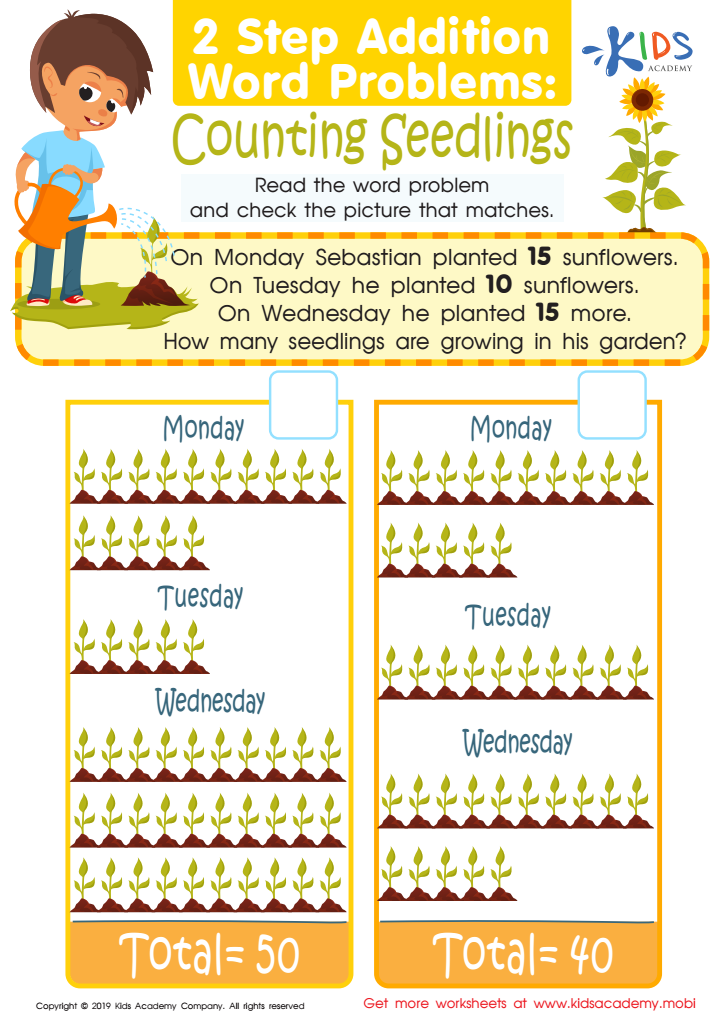
Counting Seedlings Worksheet
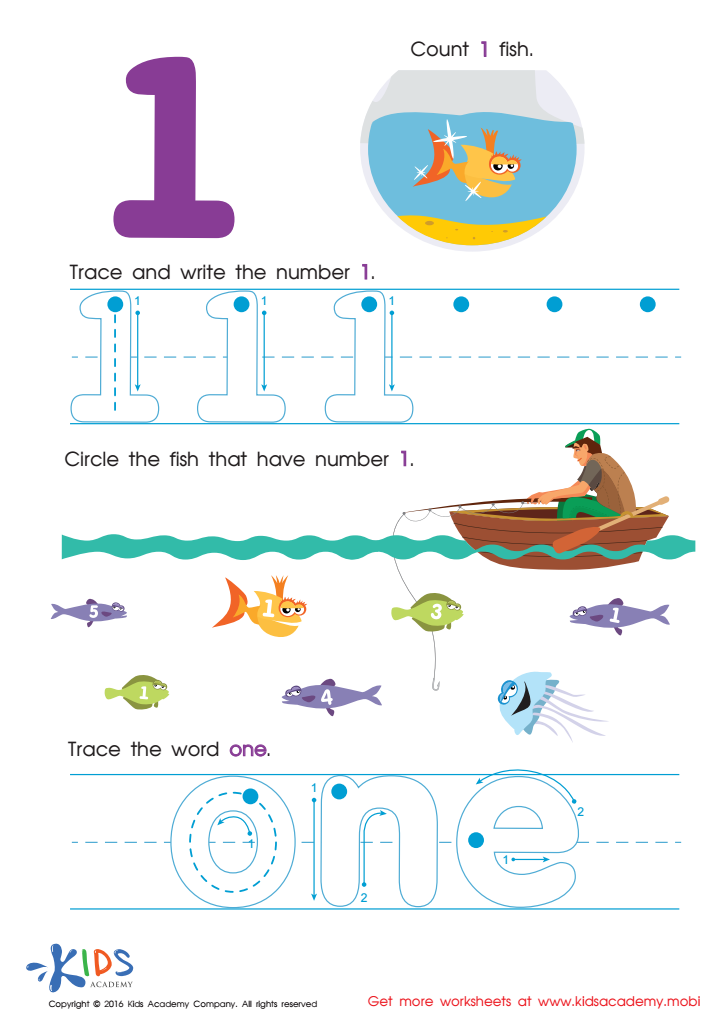
Learning to Write 1 Worksheet
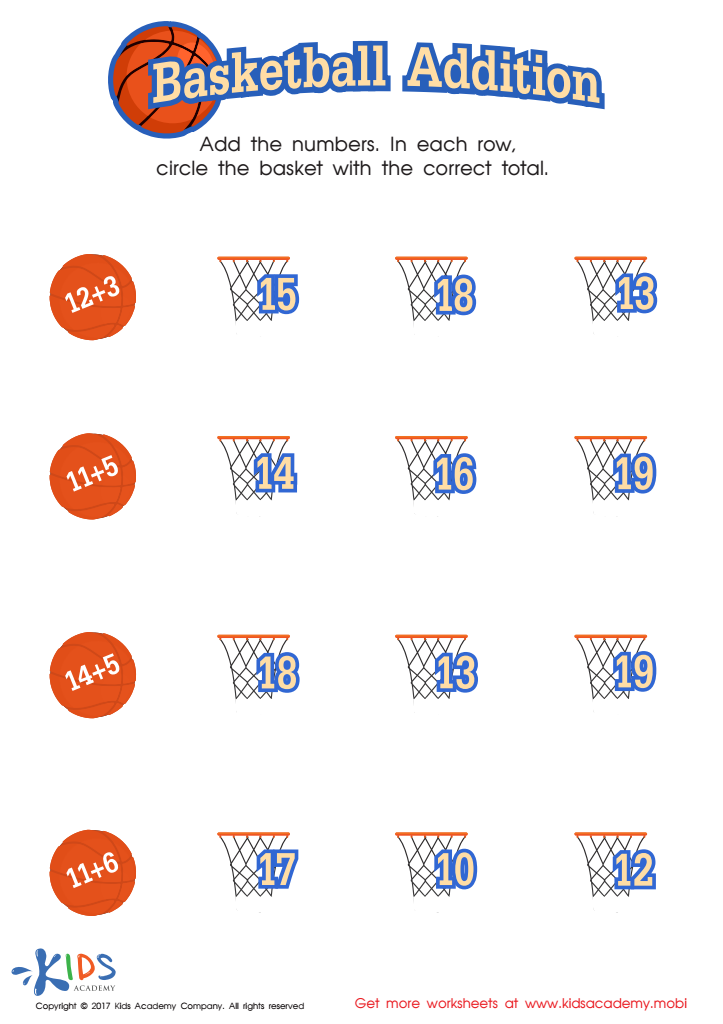
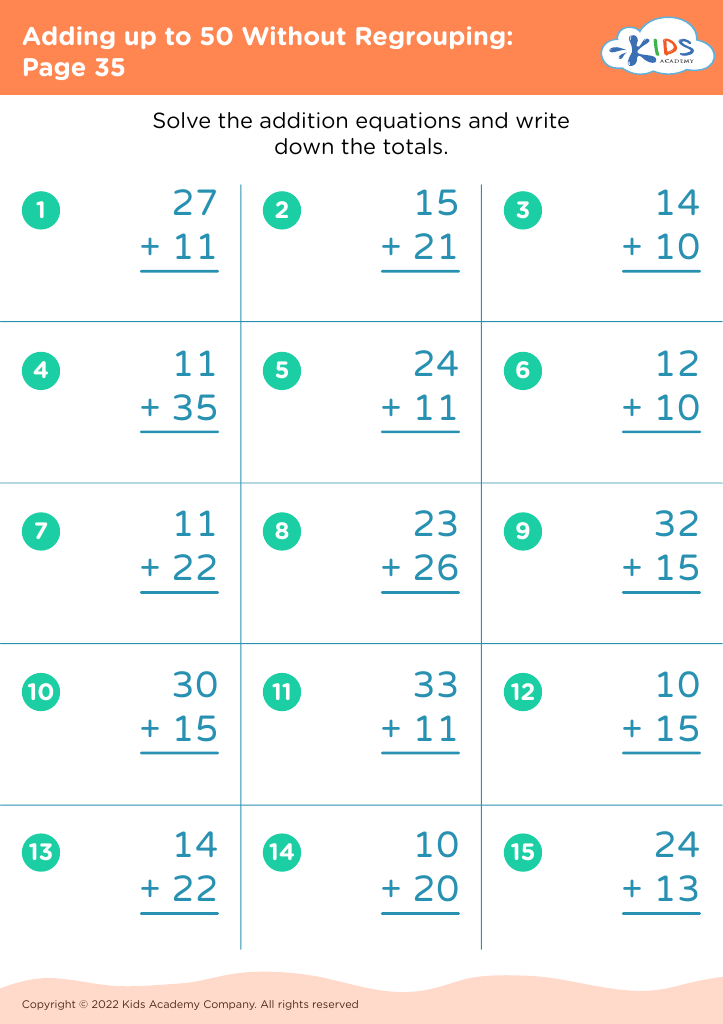
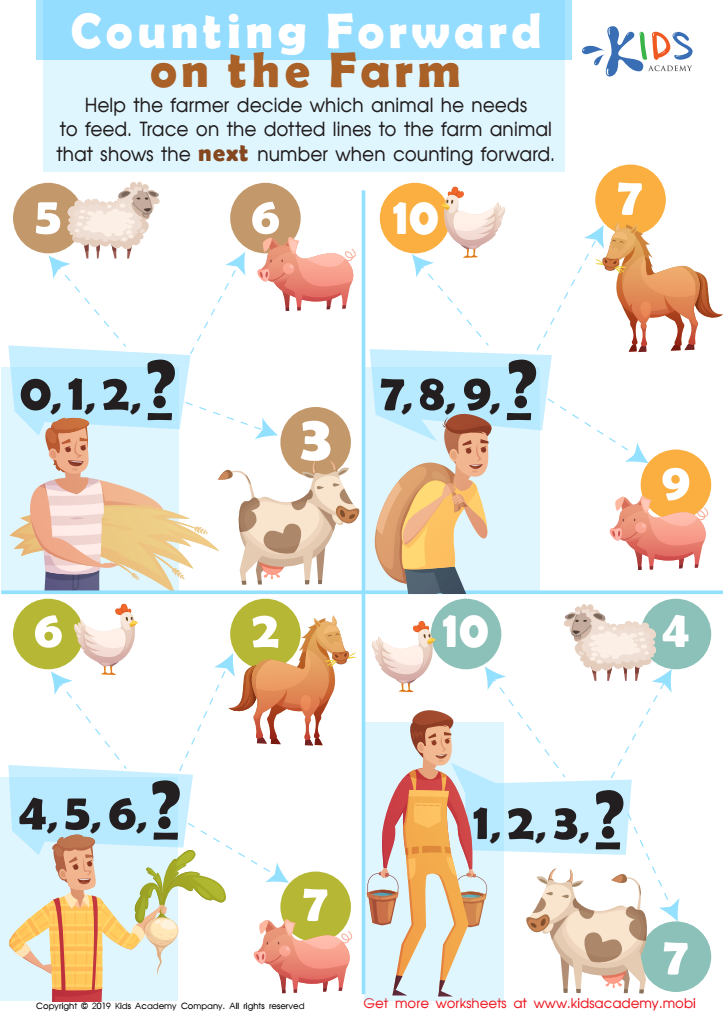
Counting Forward On the Farm Worksheet
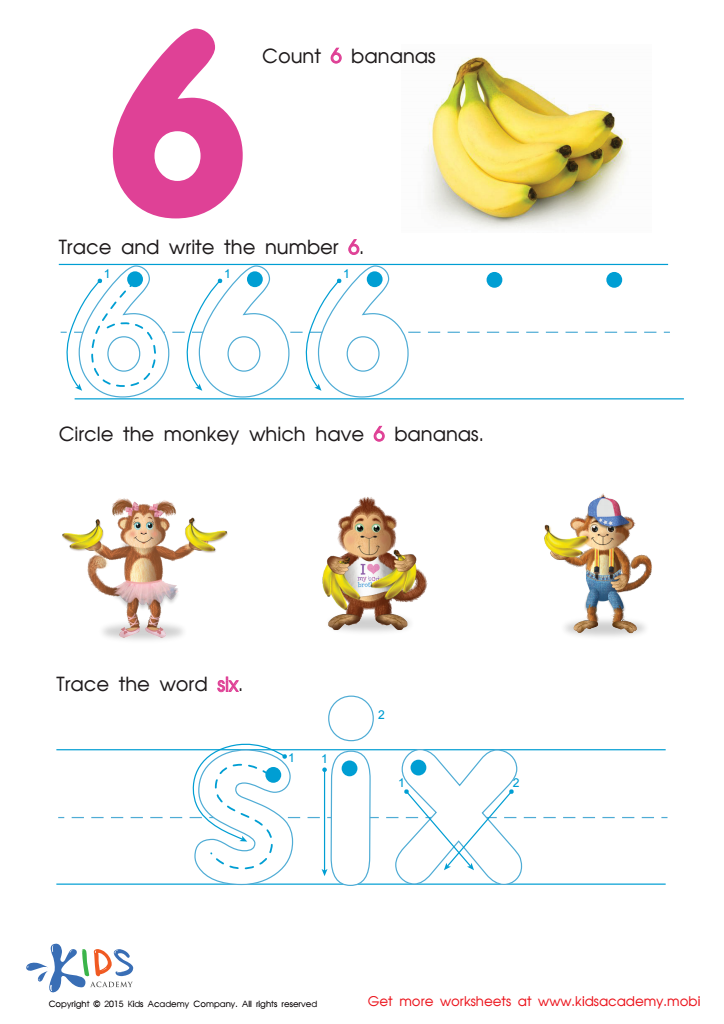
Tracing And Writing Number 6 Worksheet
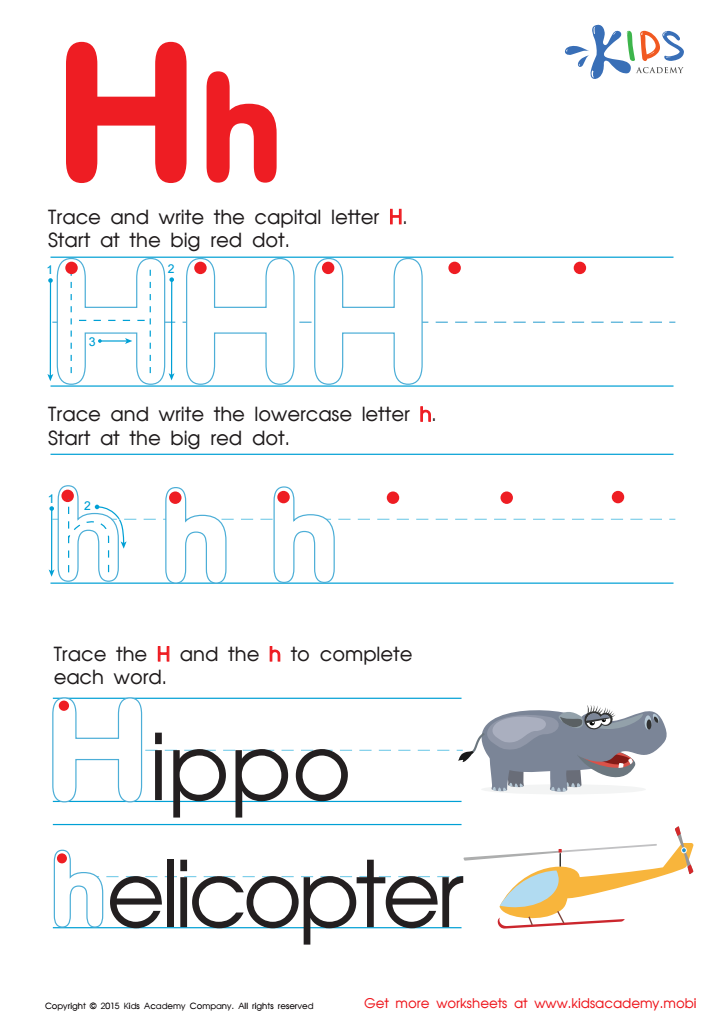
Letter H Tracing Page
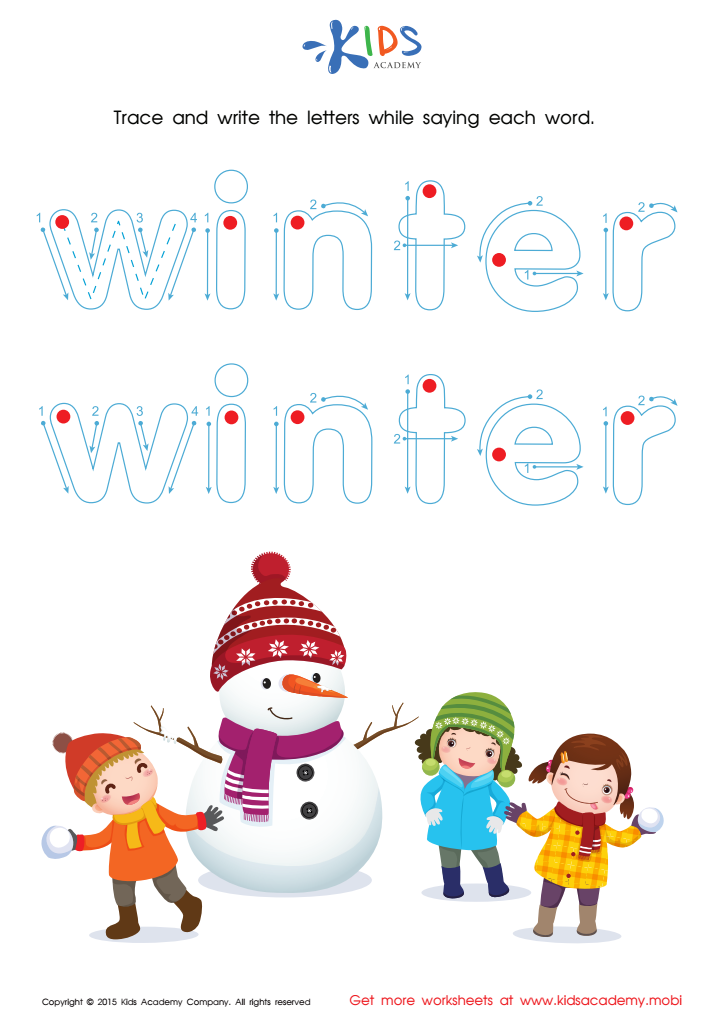
Snowman Tracing Winter Words Worksheet
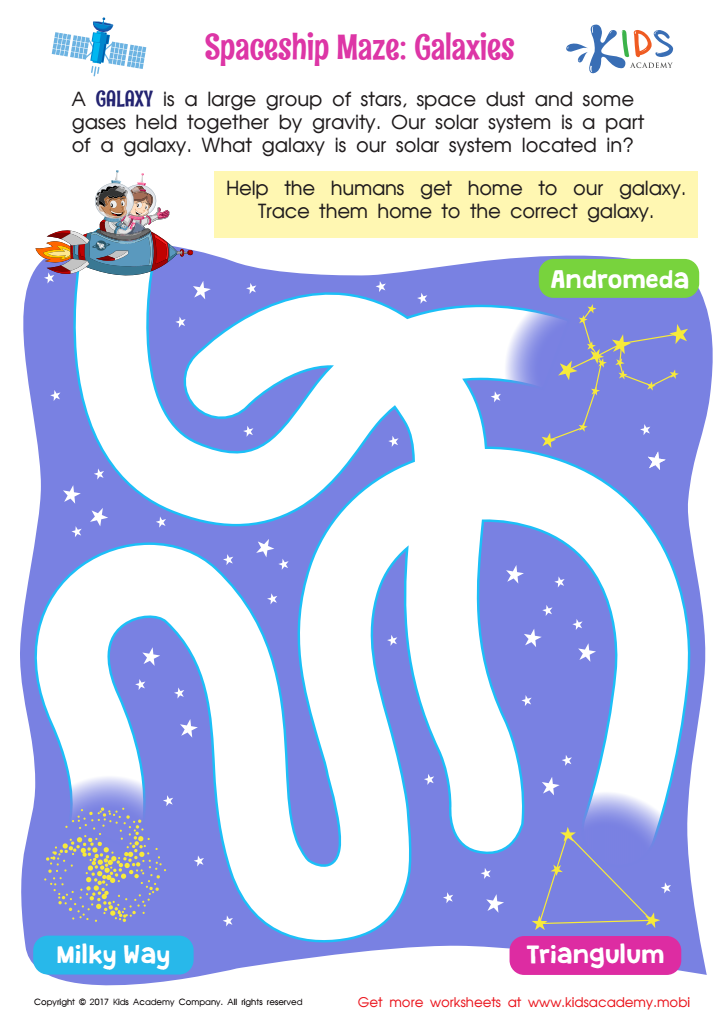
Spaceship Maze: Galaxies Worksheet
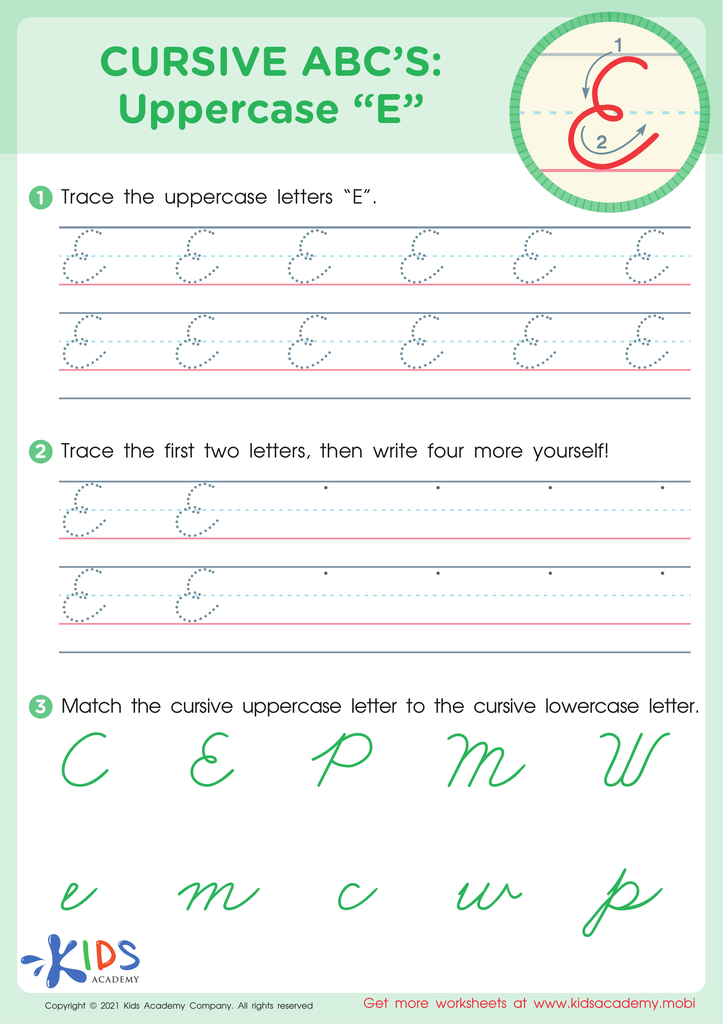
Cursive ABCs: Uppercase E
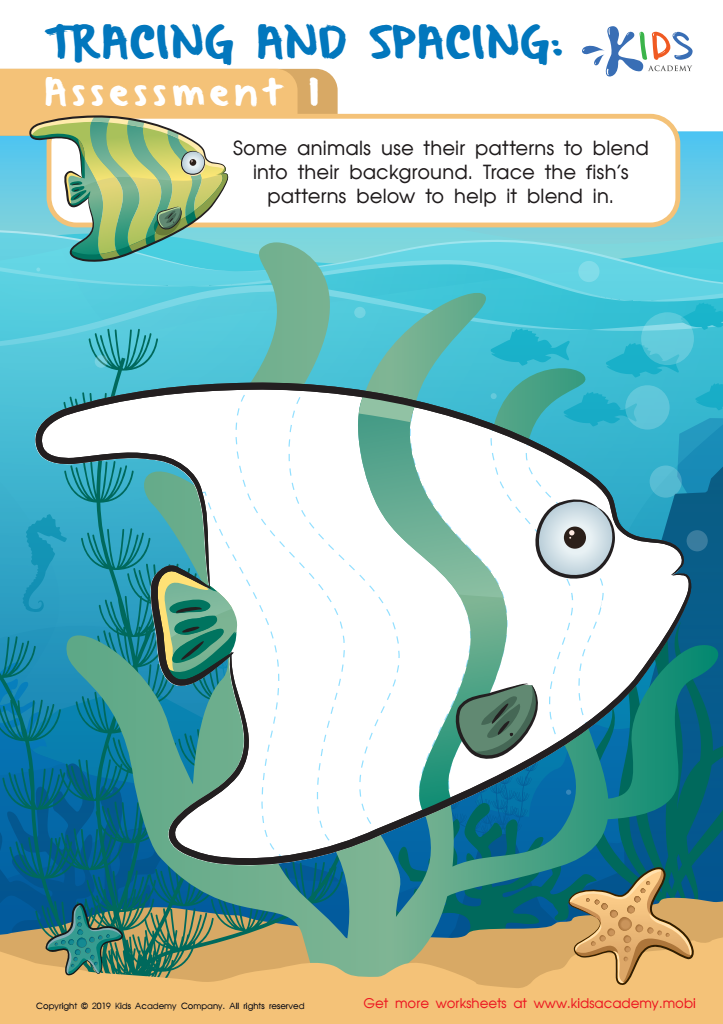
Tracing and Spacing: Assessment 1 Worksheet
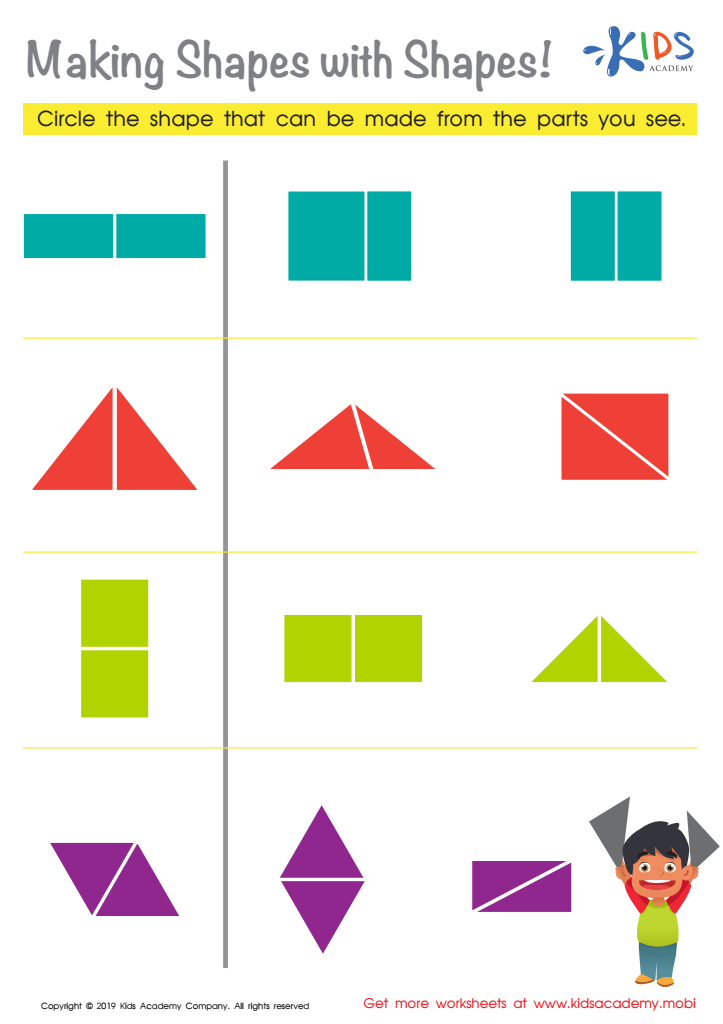
Making Shapes with Shapes Worksheet
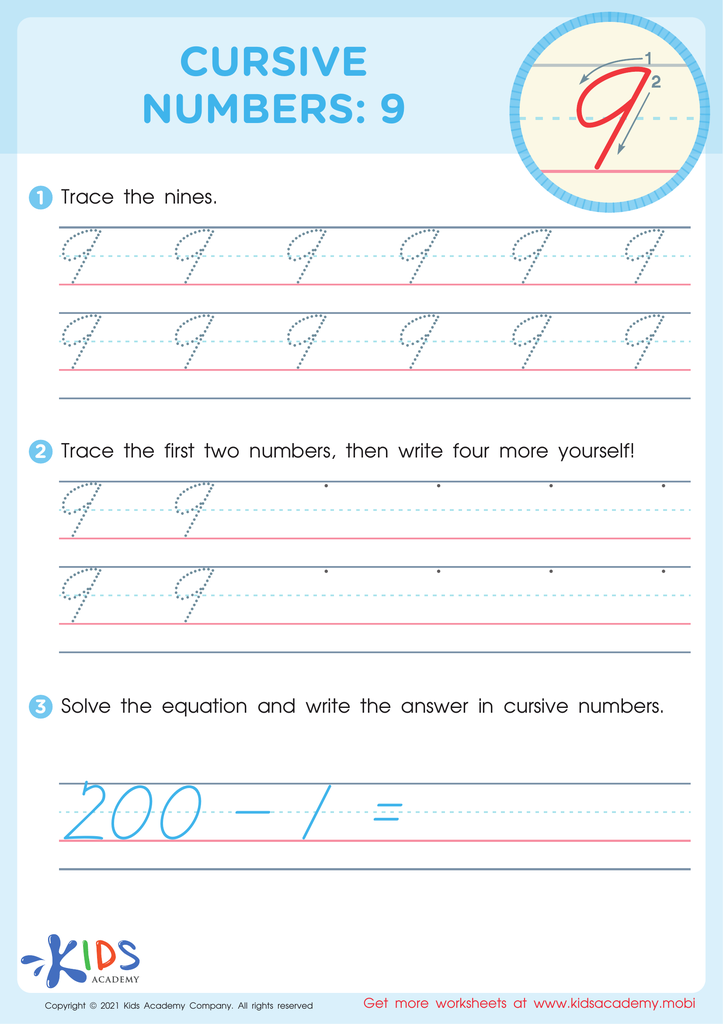
Cursive Numbers: 9 Worksheet
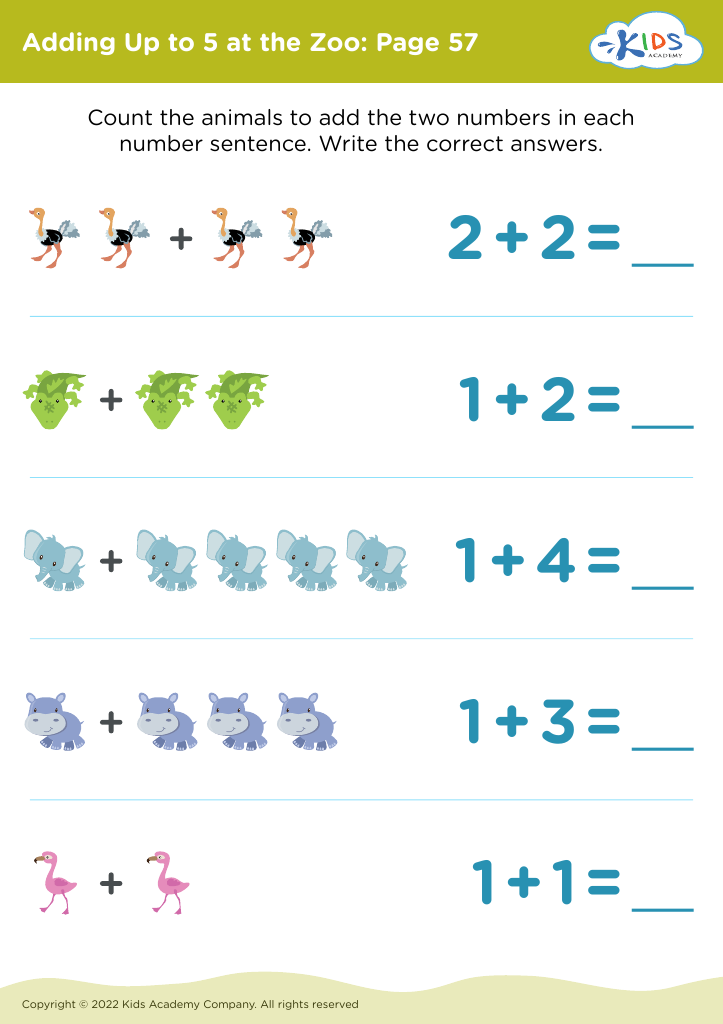
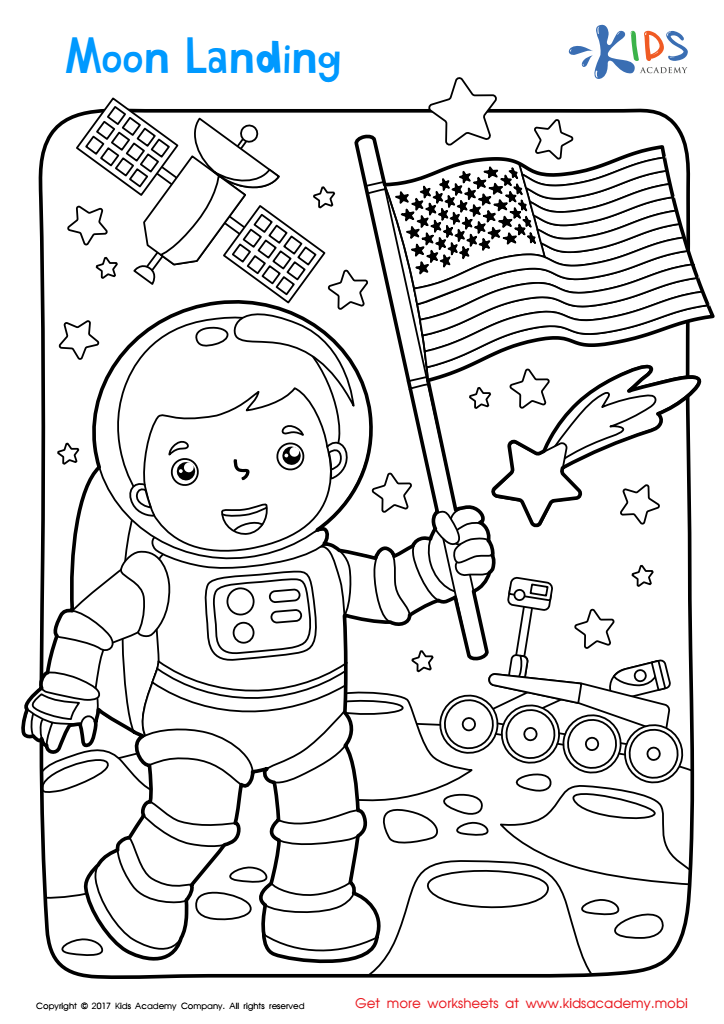
Moon Landing Coloring Page Printable
 Assign to My Students
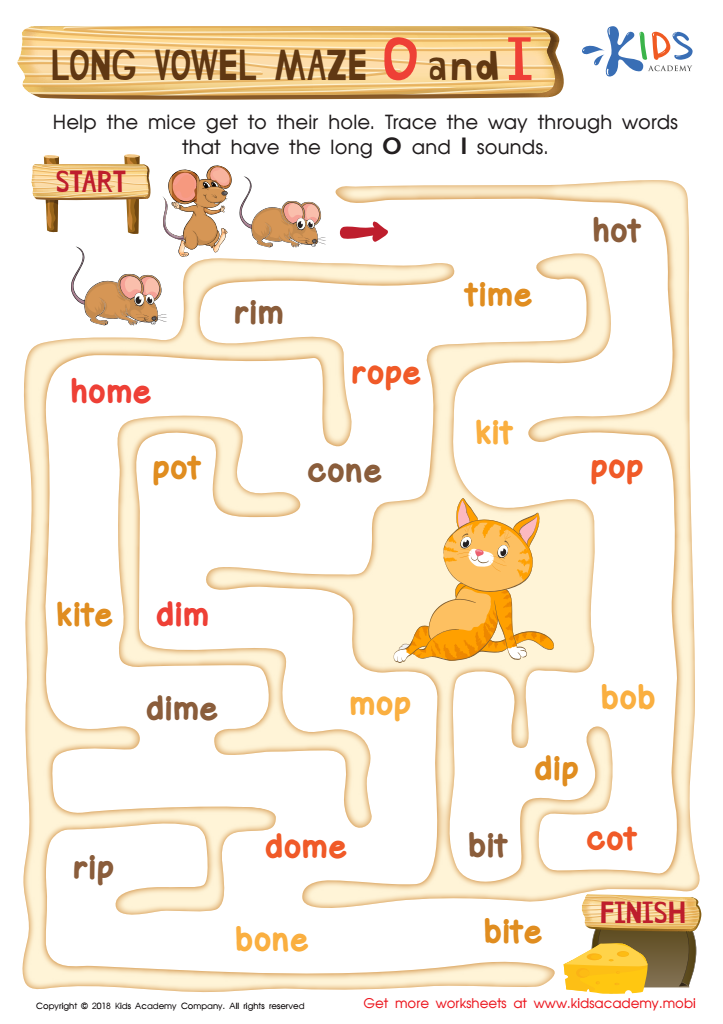
Long Vowel Maze /o/ and /i/ Worksheet
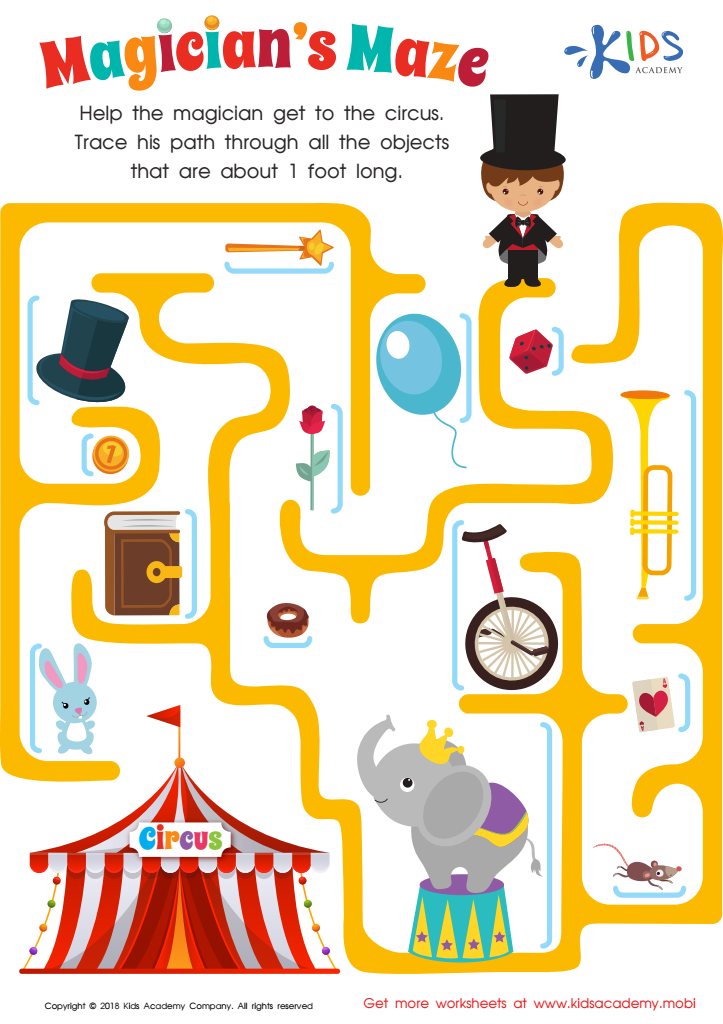
Estimating Length: Magician's Maze Worksheet
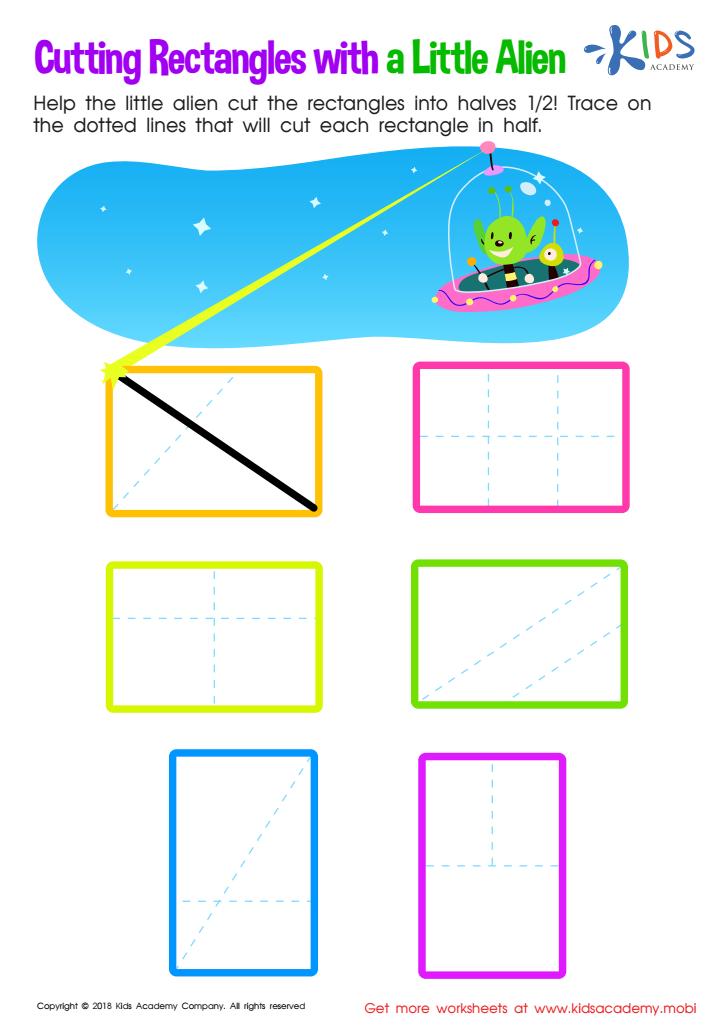
Cutting Rectangles with Alien Worksheet
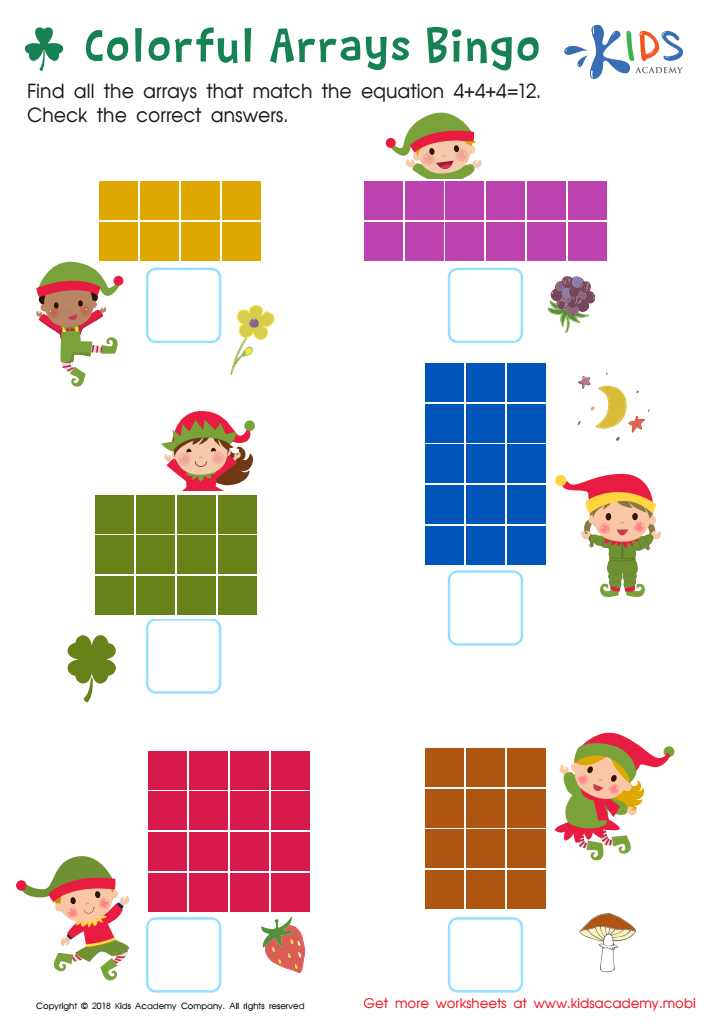
Colorful Arrays Bingo Worksheet
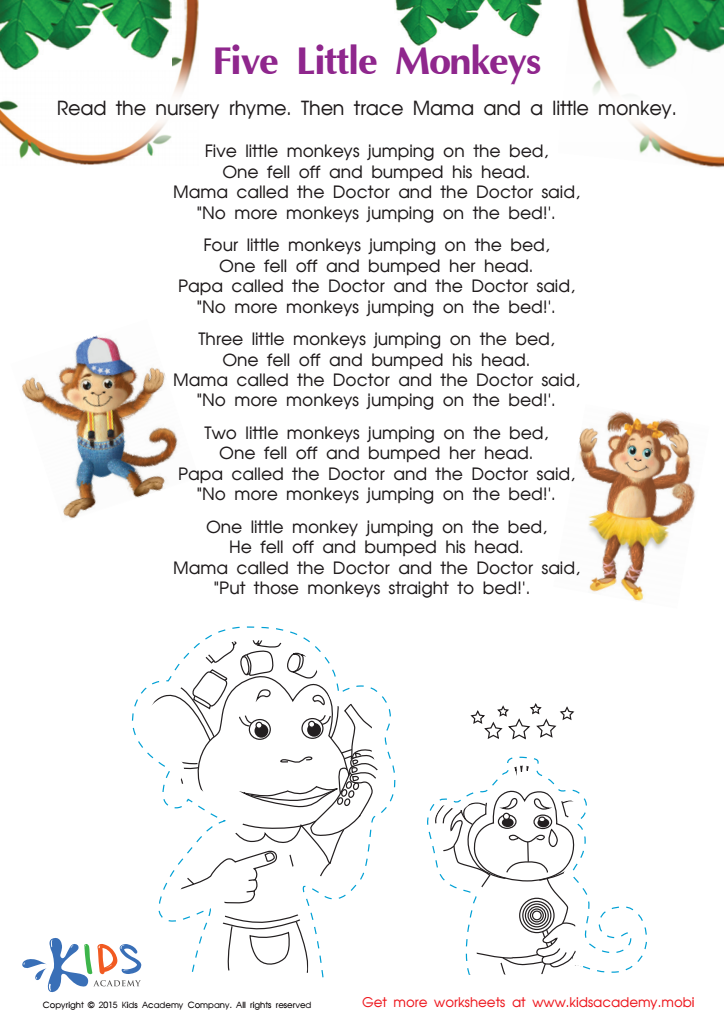
The Five Little Monkeys Nursery Rhyme Worksheet


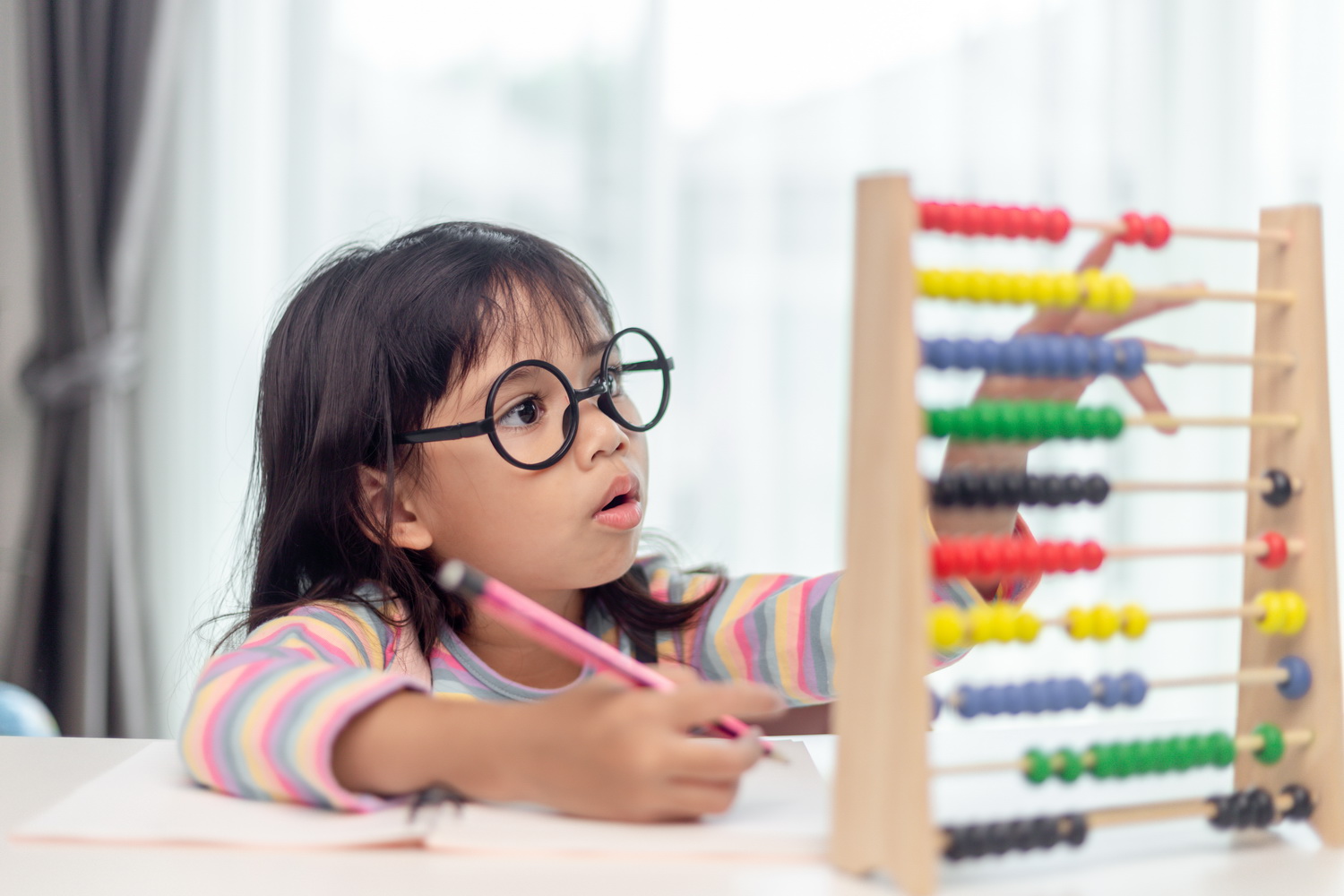

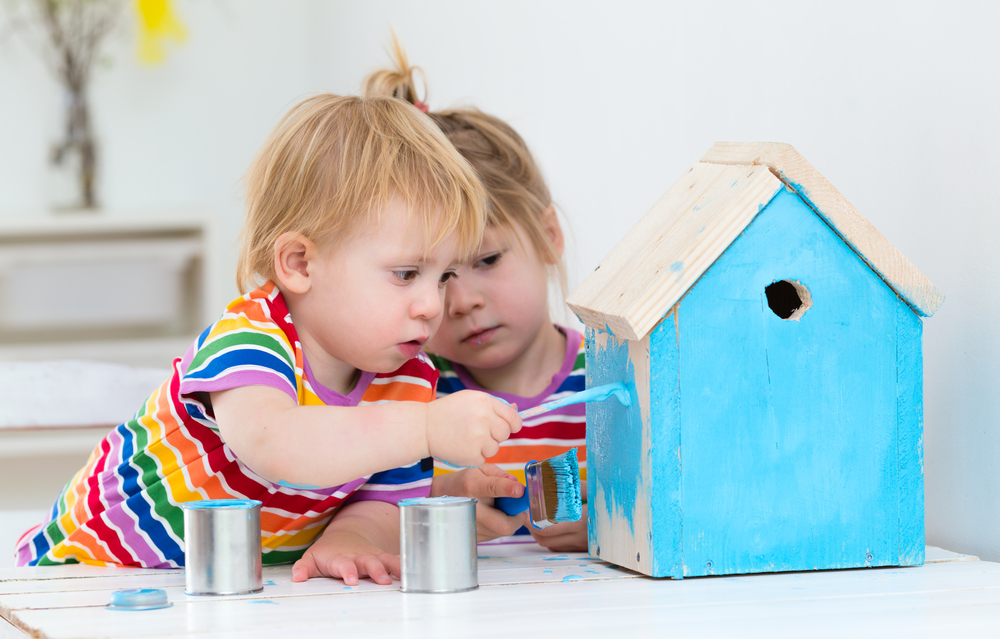

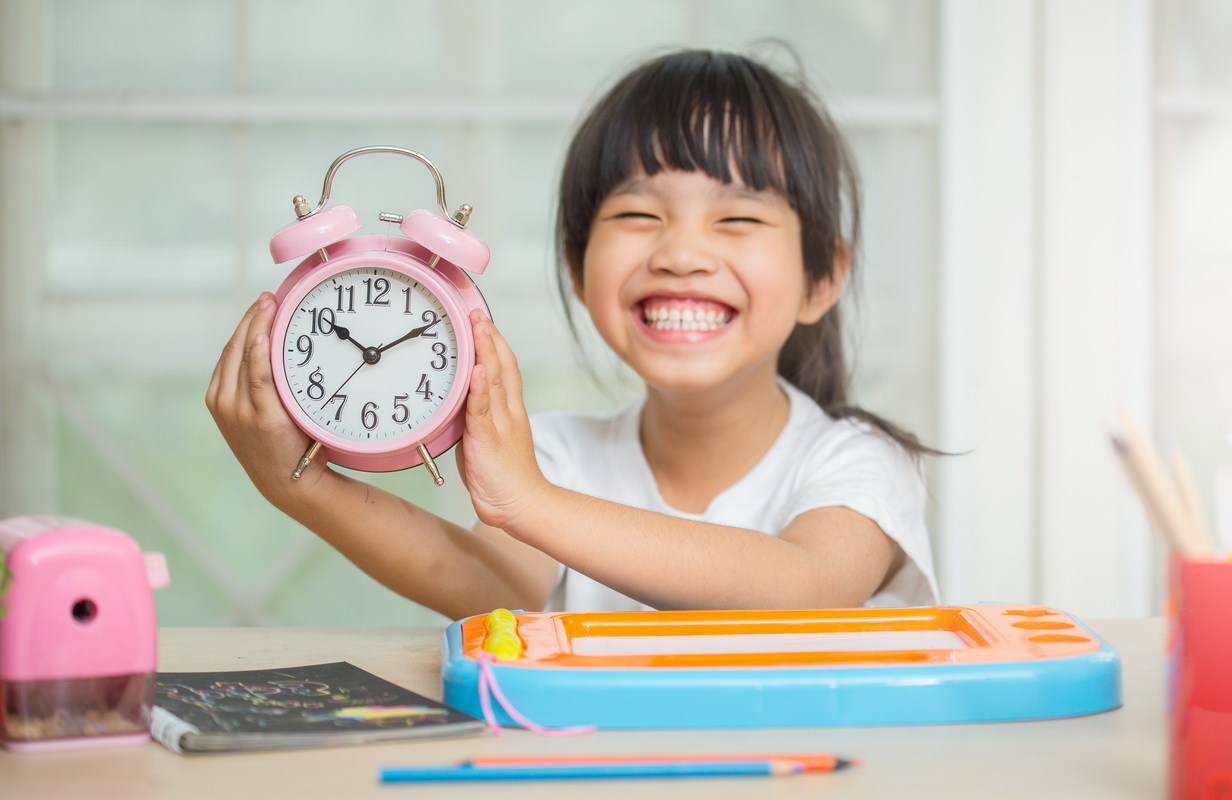
Hand-eye coordination is a crucial developmental skill for children aged 3-9, impacting various aspects of their physical, cognitive, and social growth. This skill involves the ability to synchronize visual input with motor actions, essential for everyday activities like writing, drawing, sports, and even playing with toys. Enhancing hand-eye coordination contributes to a child's ability to complete tasks efficiently and fosters independence.
From a cognitive perspective, developing this coordination increases spatial awareness and concentration. Children learn to track moving objects and predict outcomes, skills that benefit academic tasks and critical thinking. Socially, participating in activities requiring hand-eye coordination—such as team sports or art projects—encourages collaboration and communication, building relationships with peers.
For parents and teachers, fostering hand-eye coordination can pave the way for emotional confidence. With improved skills, children may feel more accomplished and motivated, impacting their willingness to engage in new activities. Encouraging play-based learning and specific exercises such as throwing, catching, or crafting can be invaluable. By prioritizing the development of hand-eye coordination, caregivers can support a well-rounded skill set critical for children's future learning, social interaction, and overall well-being.








