Identifying shapes Worksheets for Ages 3-9 - Page 2




.jpg)


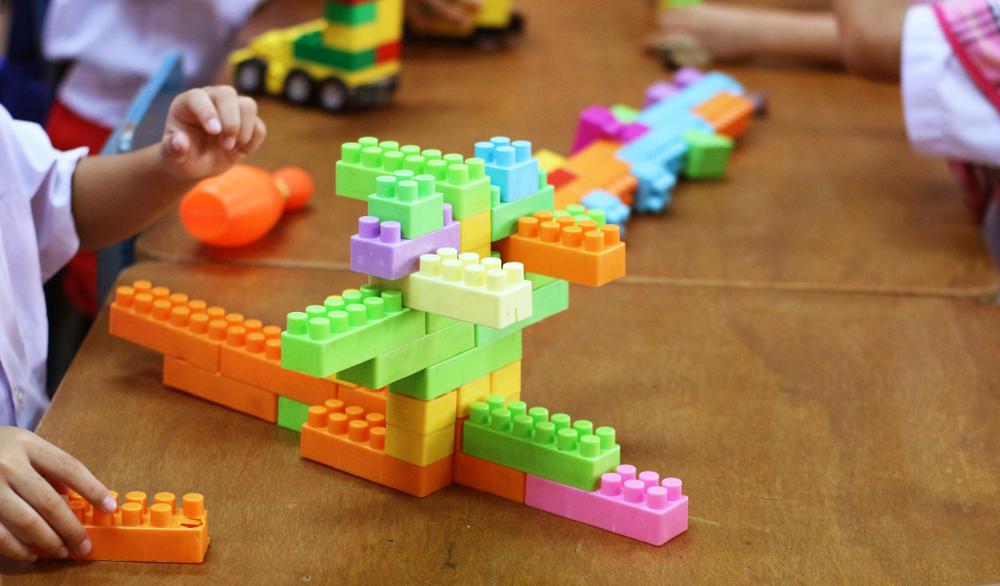
Identifying shapes is a fundamental skill for children aged 3-9 that lays the groundwork for their mathematical and cognitive development. Understanding shapes helps young learners develop crucial spatial awareness, enhancing their ability to navigate and interact with the world around them. For parents and teachers, fostering this skill is vital as it promotes higher-level thinking and problem-solving abilities.
Recognizing shapes contributes to a child's literacy and numeracy skills; it support concepts such as symmetry, pattern recognition, and basic measurement, essential for later mathematics. Engaging children in shape identification through playful activities encourages critical thinking, boosts creativity, and nurtures curiosity.
Furthermore, shape identification has implications in everyday life. Children learn to categorize objects, which reinforces their observation skills, helping them make connections to their surroundings. Teachers and parents can incorporate shape activities into various subjects, making learning both fun and interdisciplinary.
Ultimately, caregivers and educators play a crucial role in shape identification by providing engaging materials and activities. This early foundation not only enhances academic skills but also fosters a love of learning, setting the stage for lifelong curiosity and understanding of complex concepts in the future.








