Observational skills development Worksheets for Ages 3-9
3 filtered results
-
From - To
Enhance your child’s attention to detail with our comprehensive Observational Skills Development Worksheets for ages 3-9. Designed to boost critical thinking and perceptiveness, these engaging activities help young learners identify patterns, differences, and similarities in a fun, interactive way. Our printable worksheets cover various themes and difficulty levels, making them perfect for kids at different developmental stages. Each worksheet encourages children to concentrate, compare, and articulate what they observe, laying a strong foundation for academic success. Ideal for both home and classroom use, these resources offer a delightful blend of learning and play. Explore now and watch your child's observational skills flourish!
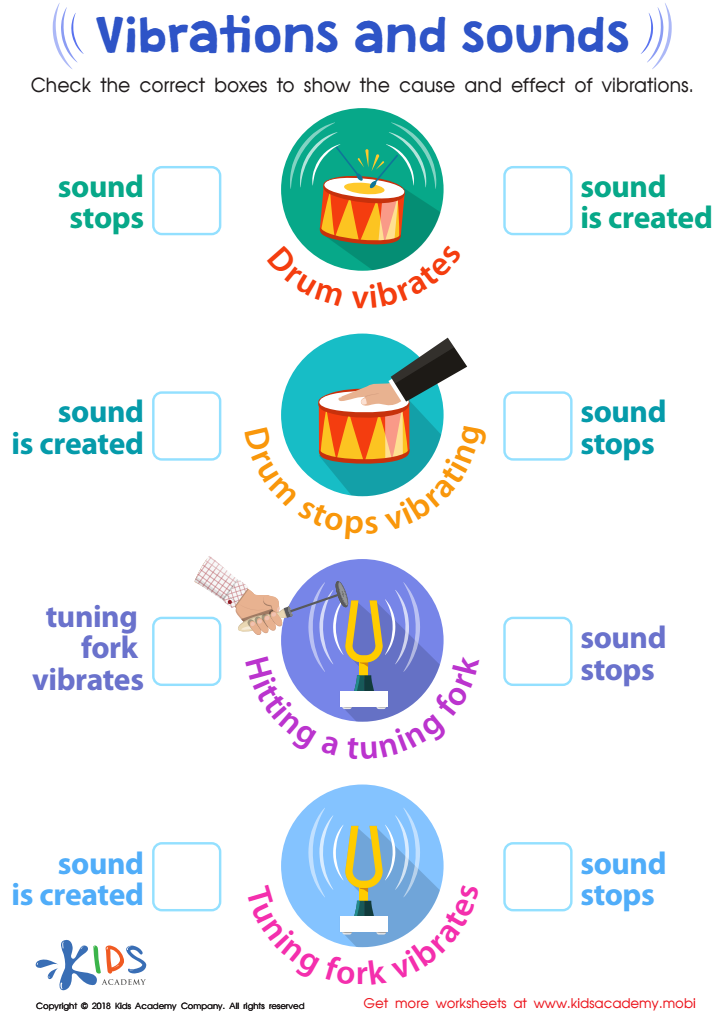
Vibrations and Sounds Worksheet
 Assign to My Students
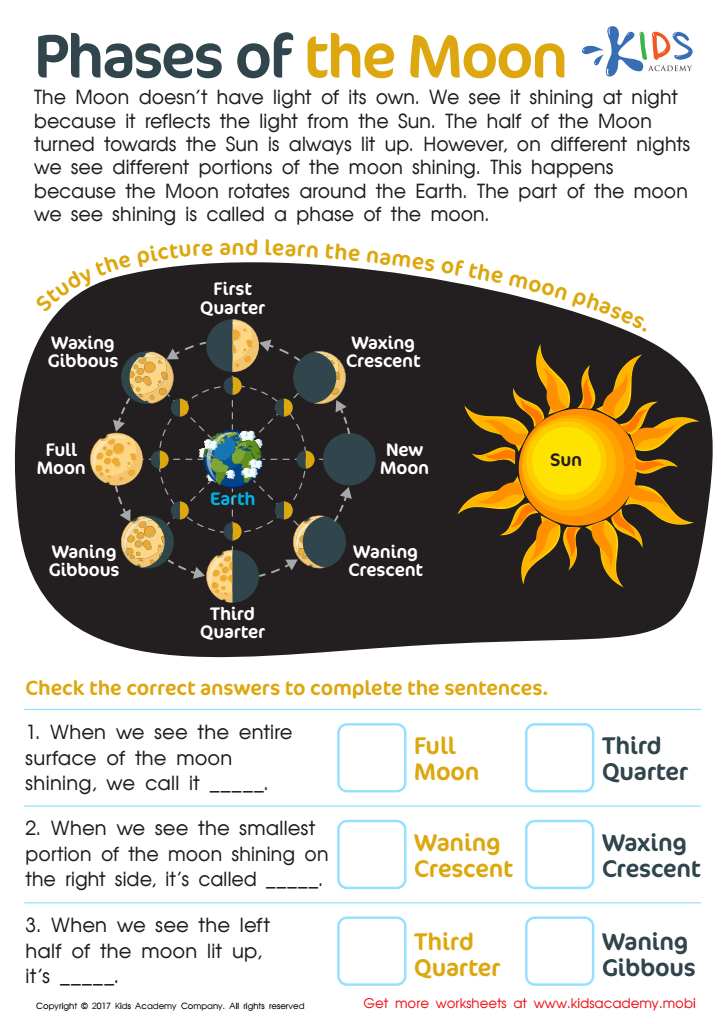
Phases of The Moon Worksheet
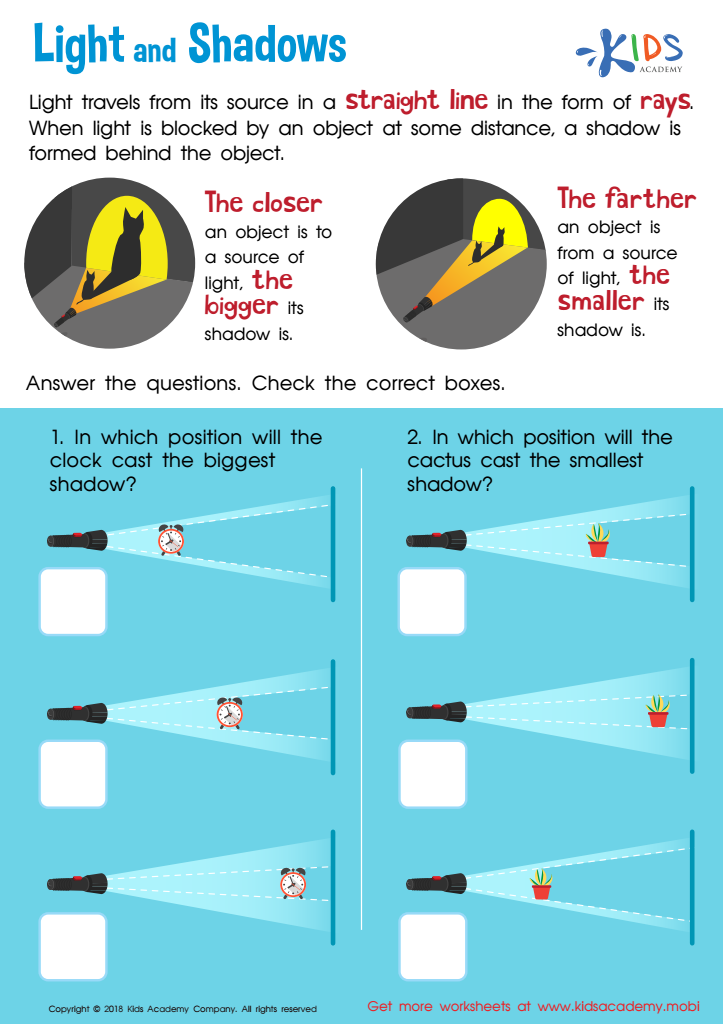
Light and Shadow Worksheet for Grade 3



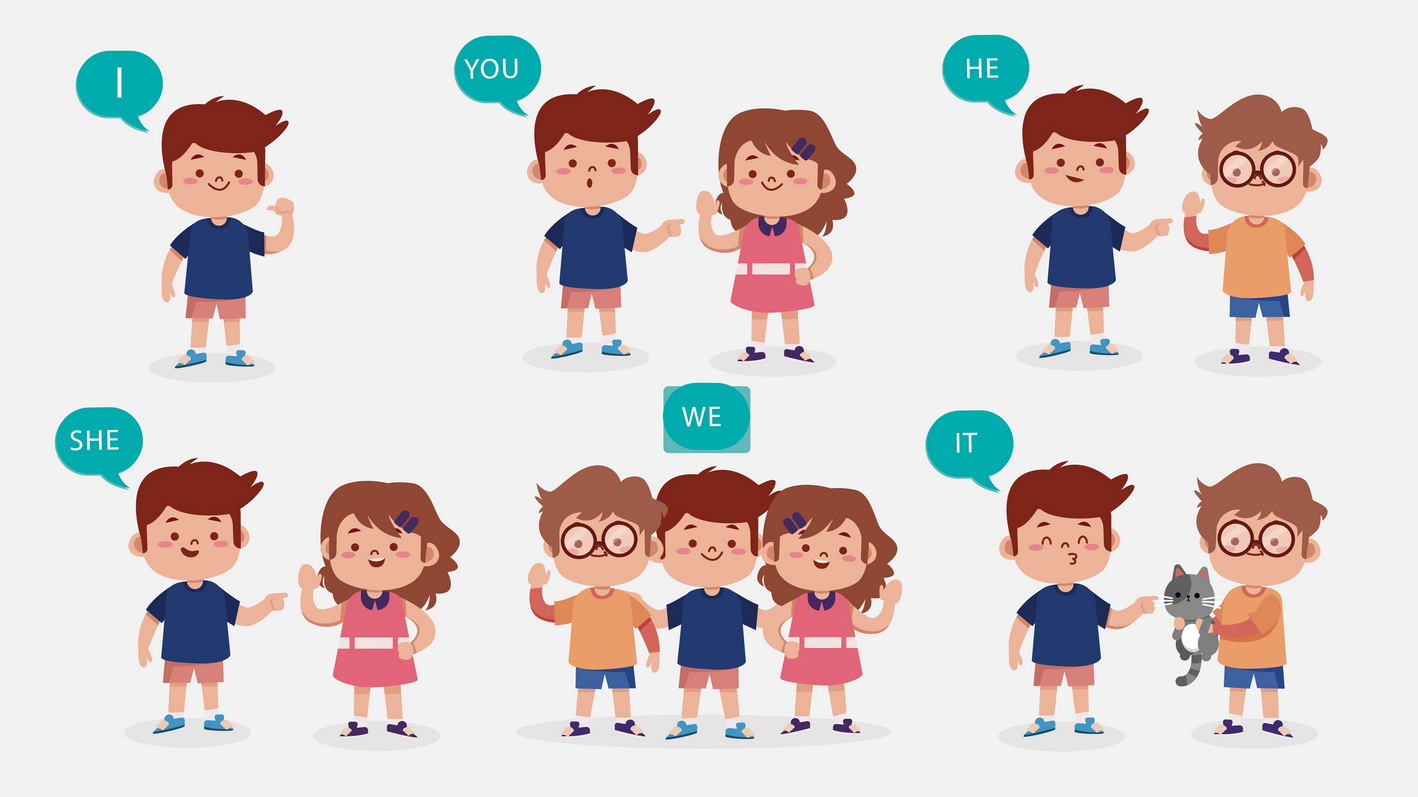

Observational skills development for children aged 3-9 is crucial for both parents and teachers to prioritize because these skills form the foundation of critical thinking, problem-solving, and learning. During this formative period, children's brains are highly receptive, and honing their ability to notice details, patterns, and differences in their environment sets the stage for academic success and life skills.
For parents, encouraging observational skills fosters curiosity and a love for learning. It helps children understand and interact with the world around them, promoting engagement and emotional intelligence. When a child is adept at observing, they are more likely to pick up non-verbal cues, assess social situations accurately, and respond empathetically, which is essential for building strong interpersonal relationships.
Teachers benefit from focusing on observational skills because it enhances students' abilities to follow instructions, participate actively in lessons, and engage in scientific inquiry. Children who are good observers ask insightful questions and seek out answers, which fosters a robust educational environment. Activities that cultivate these skills, like nature walks, scavenger hunts, and simple science experiments, encourage students to think critically and make connections between different pieces of information.
Developing observational skills in early childhood ultimately lays the groundwork for lifelong learning and adaptability, making it a shared priority for both parents and educators.








