Observational skills Worksheets for Ages 3-9 - Page 2
30 filtered results
-
From - To
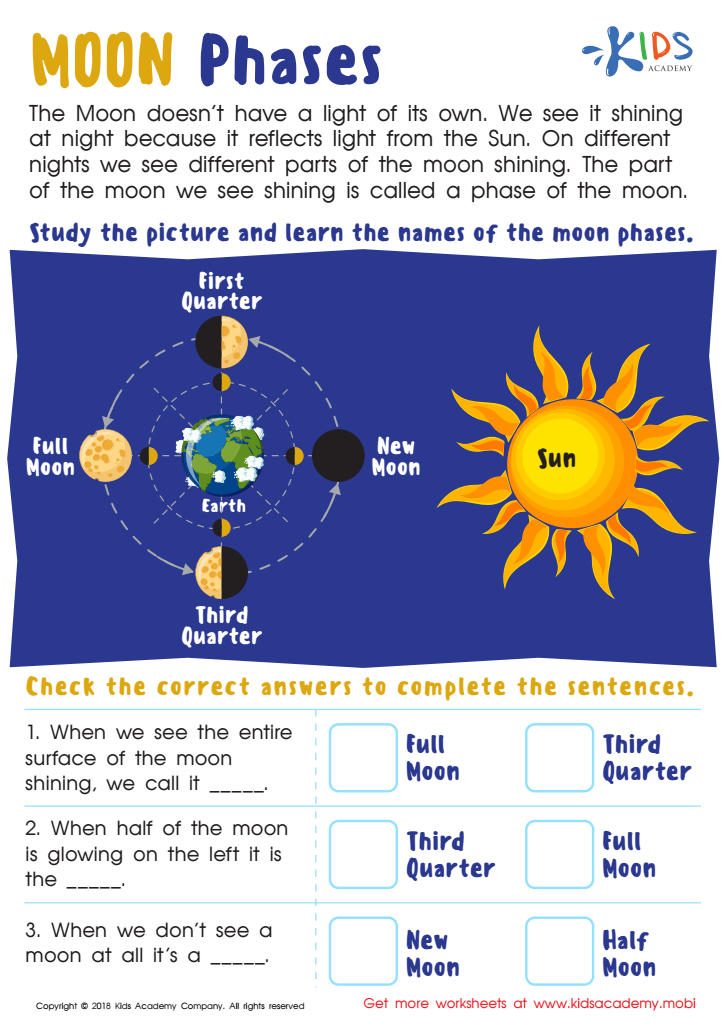
Moon Phases Worksheet
 Assign to My Students
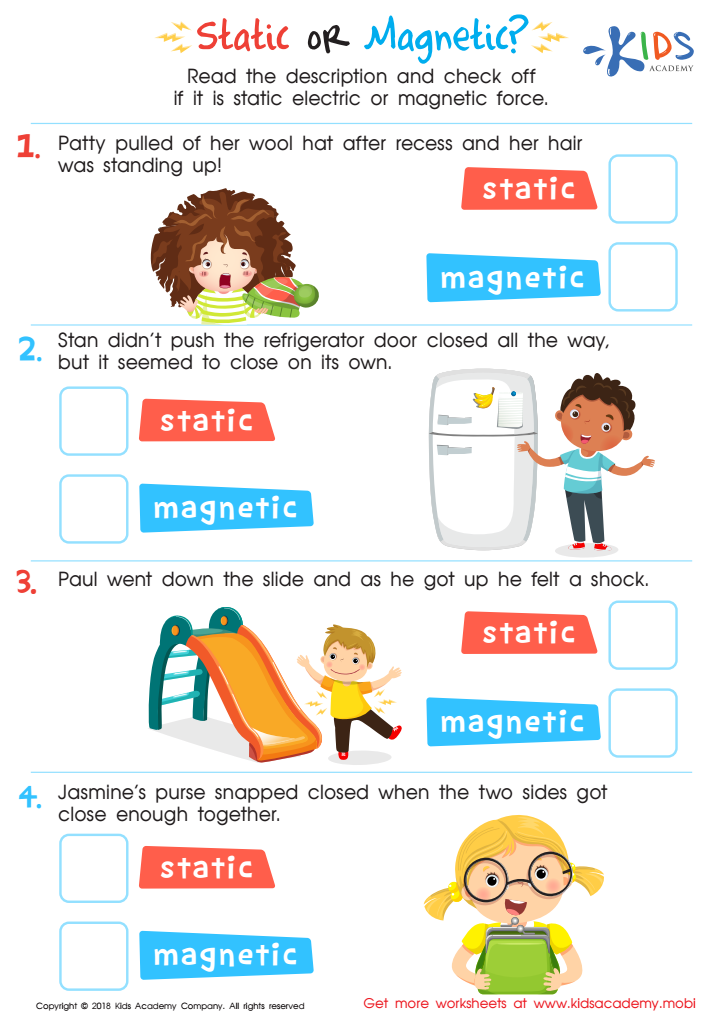
Static or Magnetic Printable Worksheet
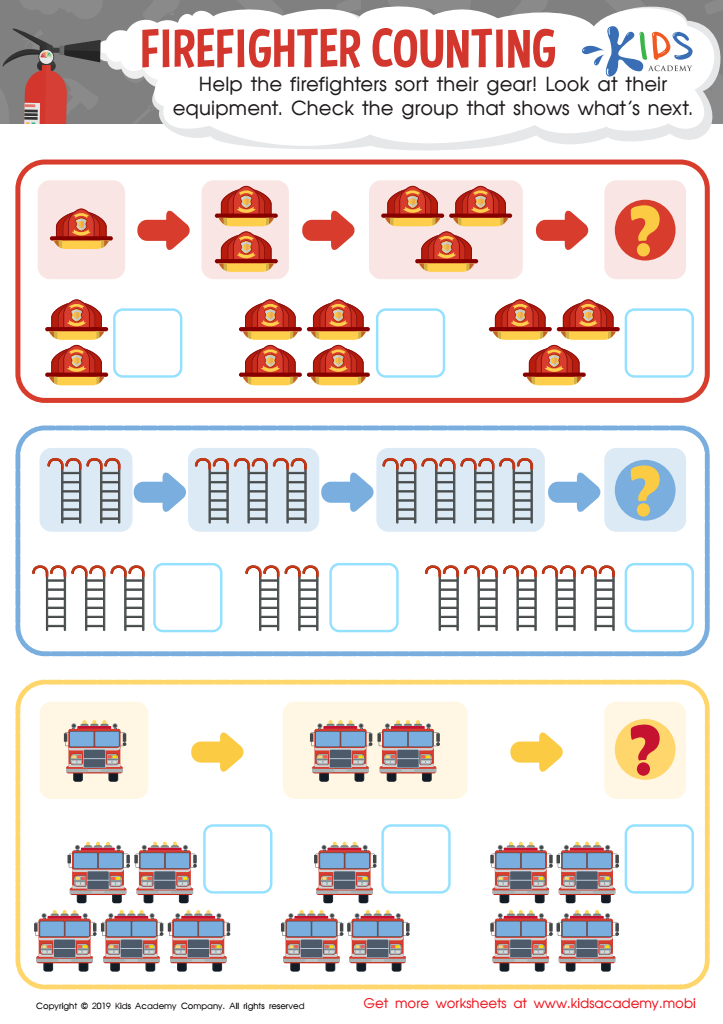
Firefighter Counting Worksheet
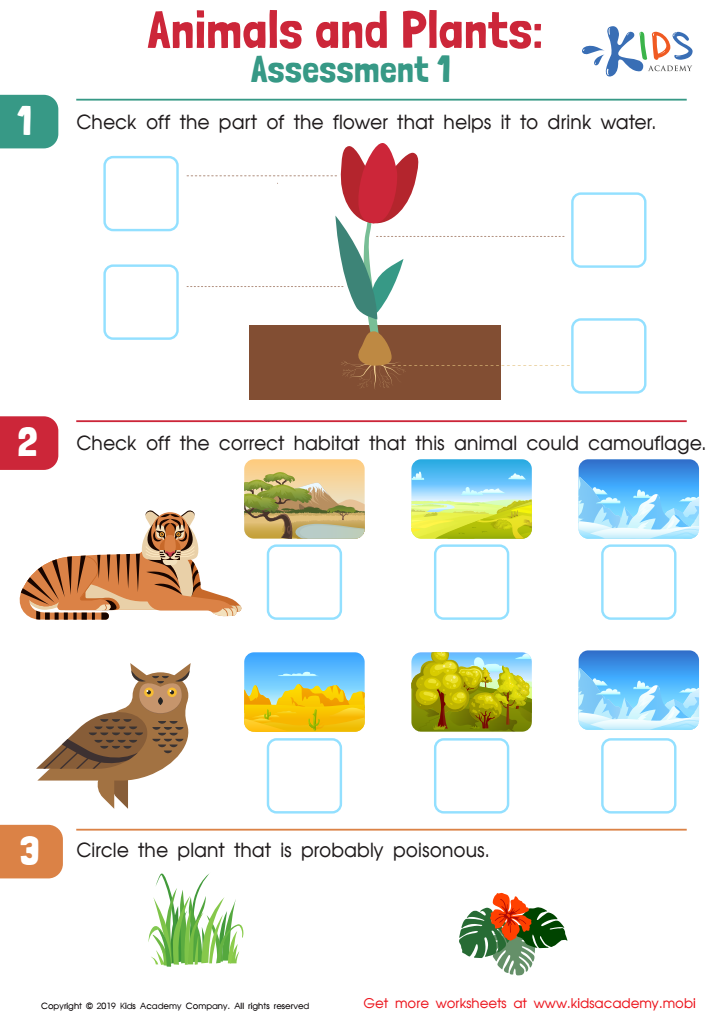
Animals and Plants: Assessment 1 Worksheet


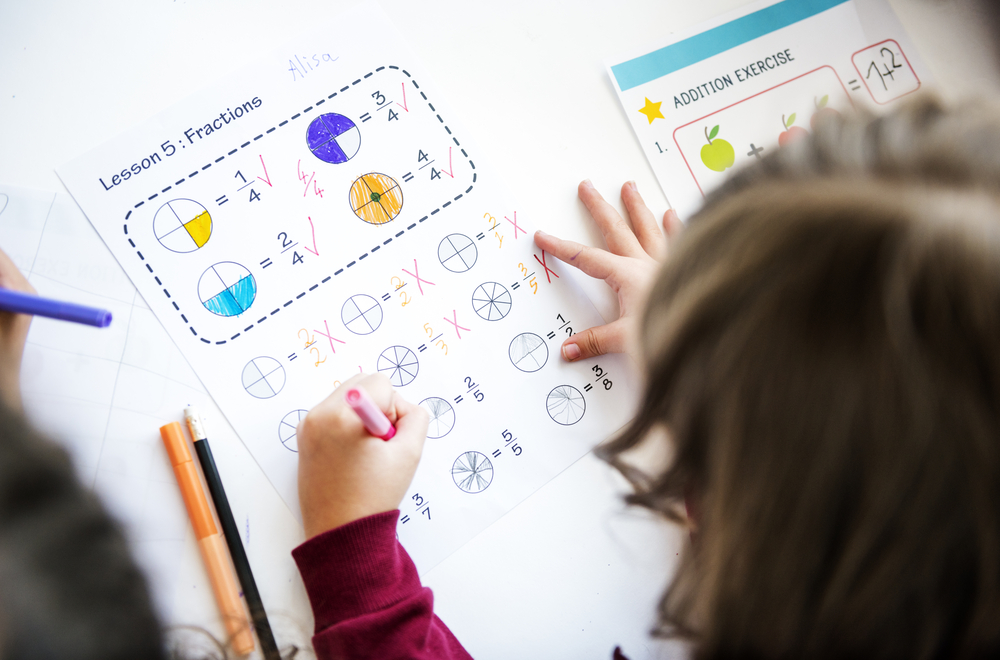


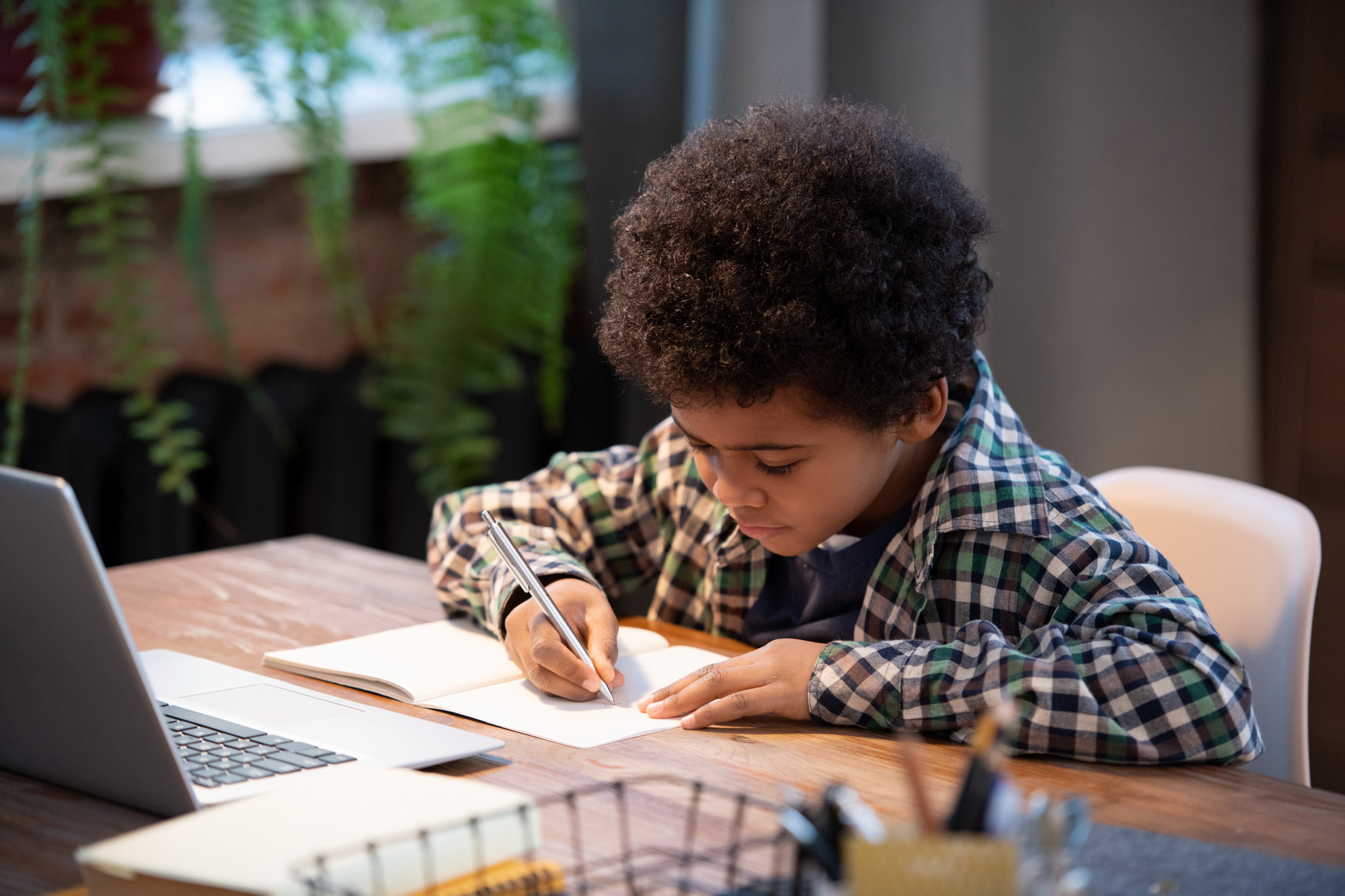

Observational skills are crucial for children aged 3-9 as they form the foundation of their learning processes and day-to-day experiences. For parents and teachers, fostering these skills is essential because they enhance a child's ability to understand and interact with their environment. From noticing shapes and colors to observing social dynamics, children develop critical thinking and problem-solving abilities through observation.
Encouraging observational skills helps promote curiosity, stimulates creativity, and supports language development. Children learn by watching and imitating those around them, making it essential for caregivers to model good observational behavior. When parents and teachers engage children in activities that require them to pick up on details—such as questioning what they see or describing their surroundings—they cultivate their analytical skills.
Furthermore, strong observational skills aid in the early identification of learning difficulties or behavioral issues, allowing for timely interventions. They also enhance emotional intelligence, as kids learn to read facial expressions and social cues, fostering empathy and cooperation. By prioritizing observational skills, parents and teachers not only empower children to navigate their world more confidently but also help them become thoughtful, engaged learners throughout their lives.








