Pattern identification Worksheets for Ages 3-9
10 filtered results
-
From - To
Discover our engaging Pattern Identification Worksheets designed for children aged 3-9! These fun and interactive resources help young learners develop crucial cognitive skills, such as recognizing sequences and enhancing their problem-solving abilities. Each worksheet is thoughtfully crafted to cater to various skill levels, ensuring a perfect fit for your child’s learning needs. Featuring colorful designs and stimulating activities, our worksheets make learning enjoyable and effective. Encourage creativity and critical thinking as your child explores patterns in shapes, colors, and objects. Download and print these worksheets to cultivate your child’s early math skills while providing hours of educational fun!
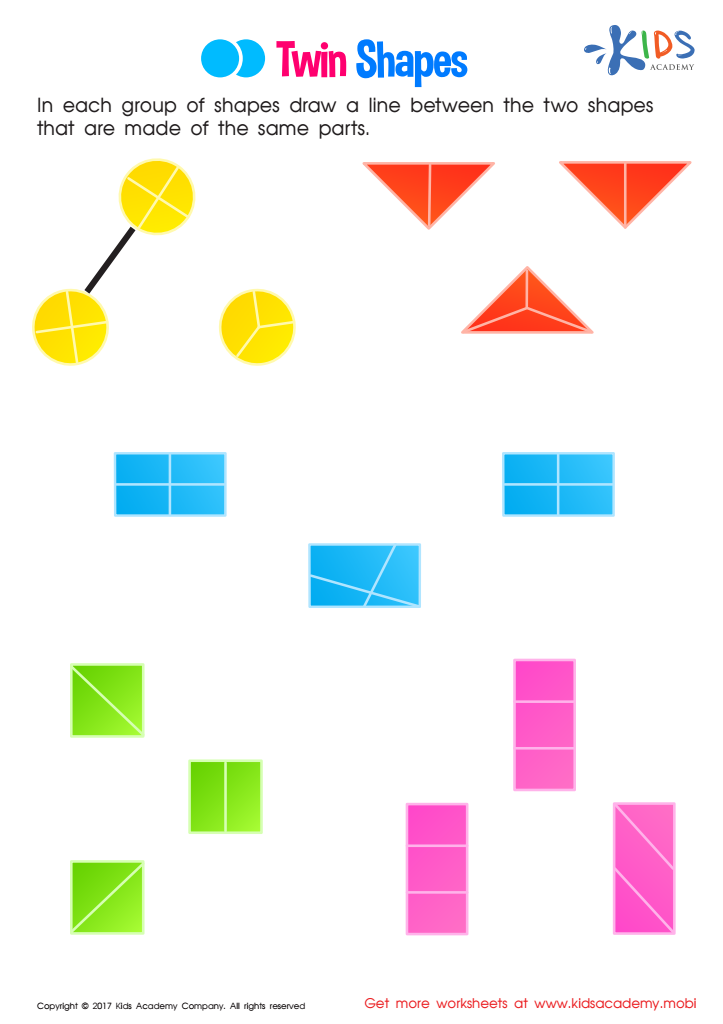
Twin Shapes Worksheet
 Assign to My Students
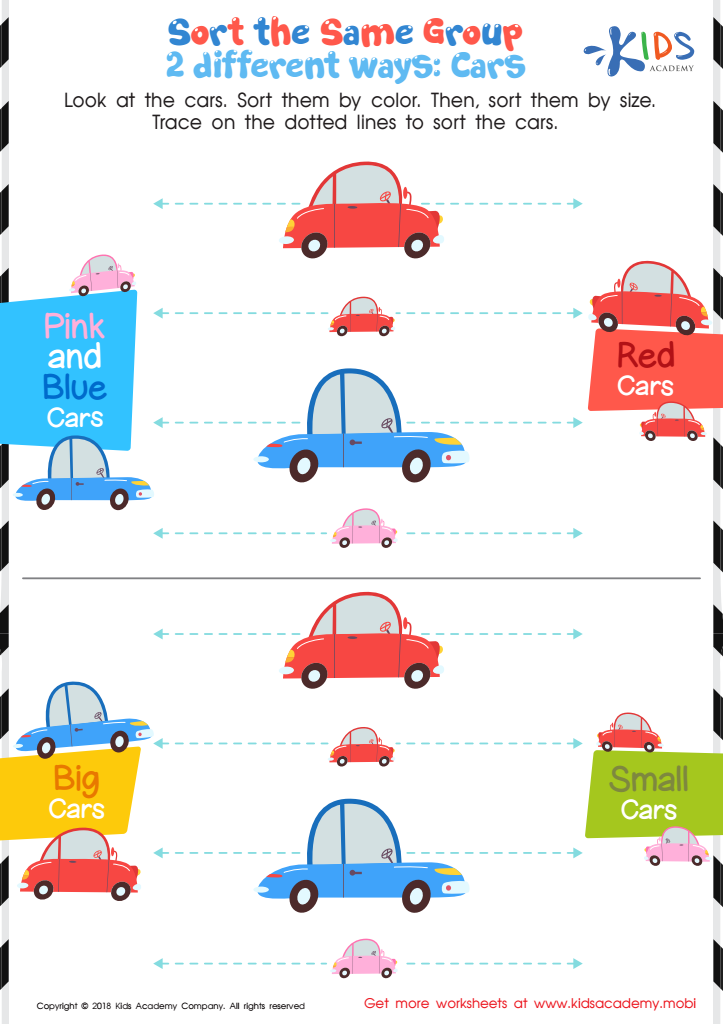
Sort the Same Group 2 Different Ways: Cars Worksheet
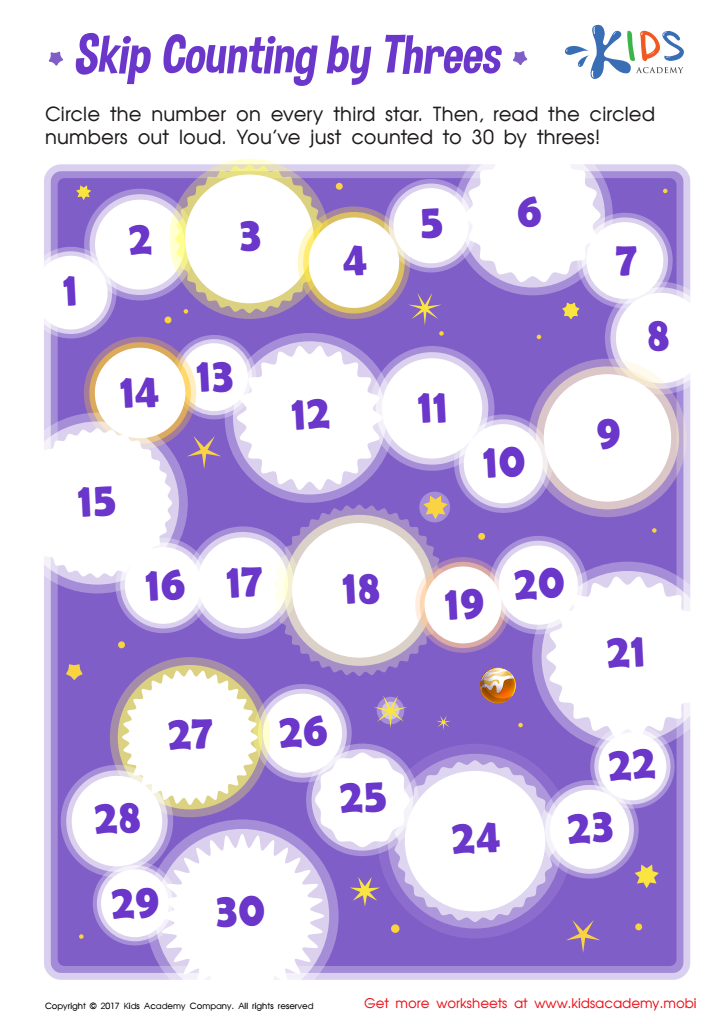
Skip Counting By Three Printable
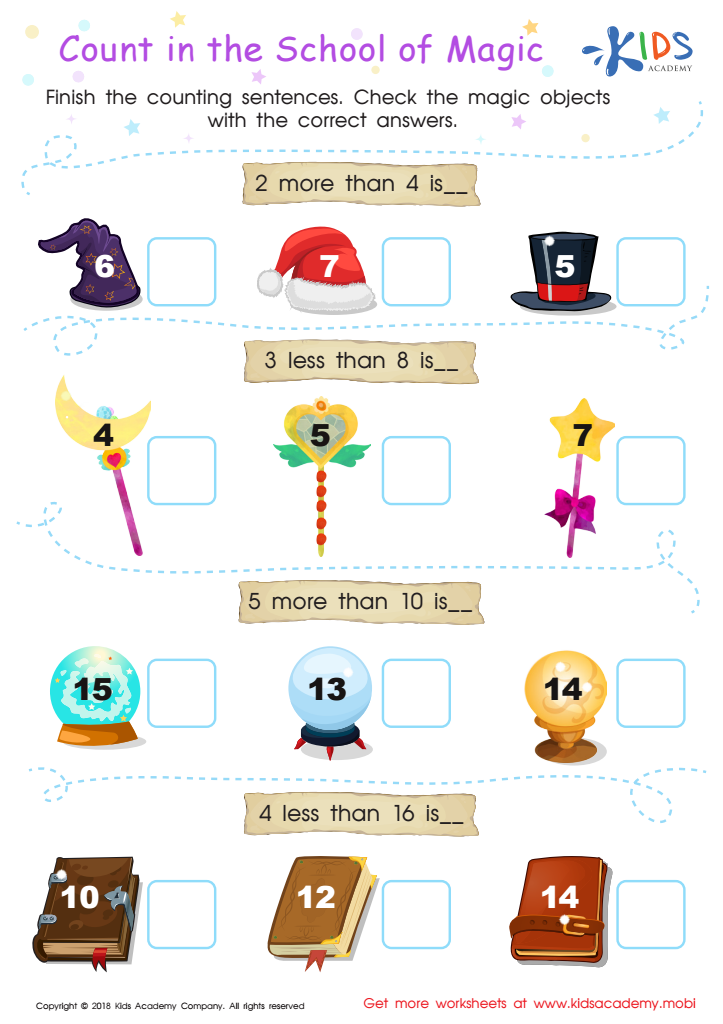
Count in the School of Magic Worksheet
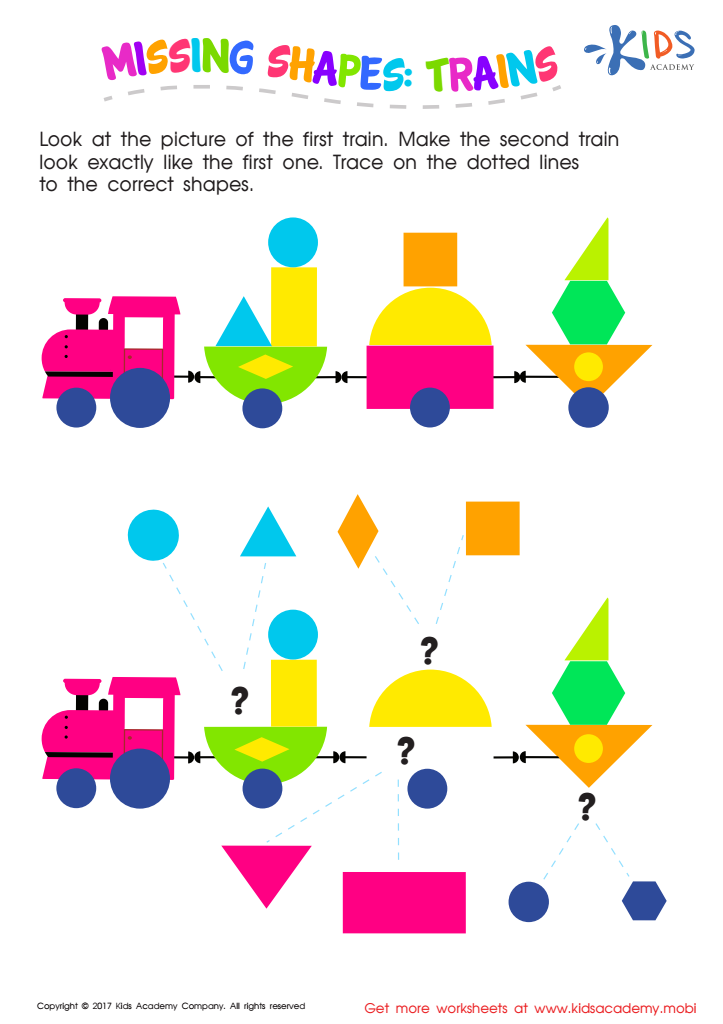
Missing Shapes: Trains Worksheet
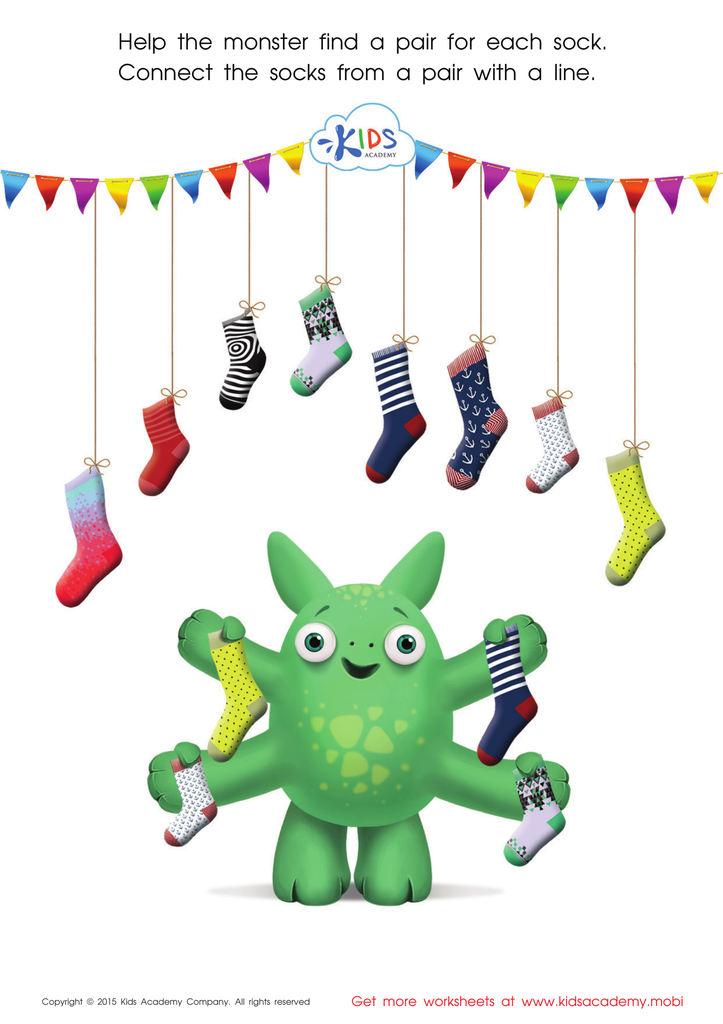
Math Matching Pairs Game: Monsterв's Socks Worksheet
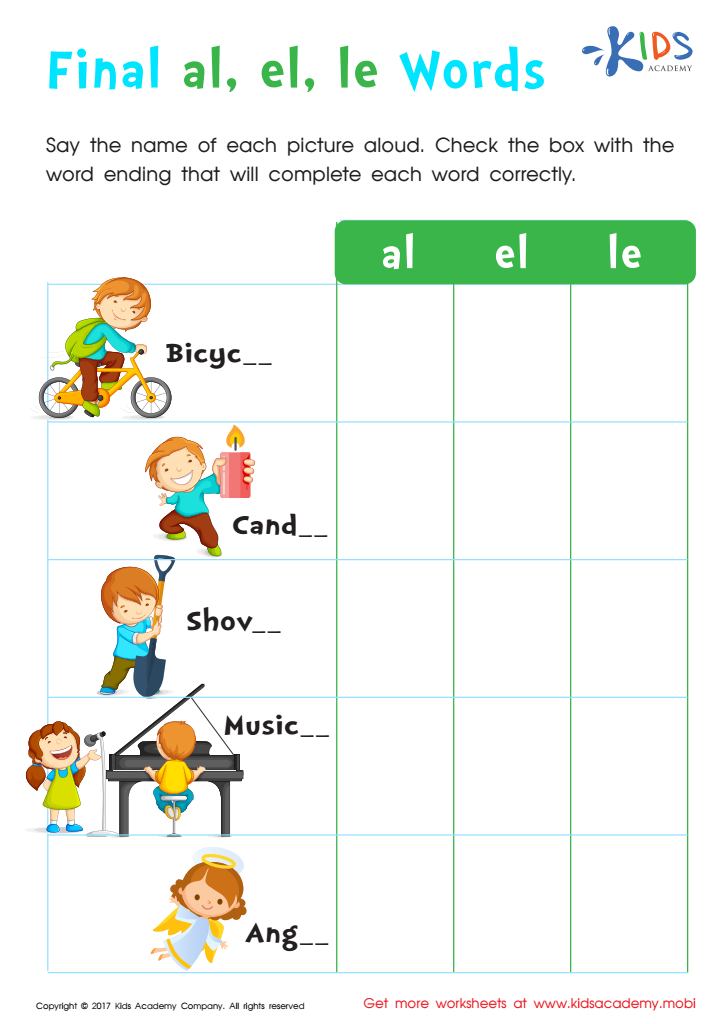
Spelling Words Ending with –le, –el and –al Worksheet
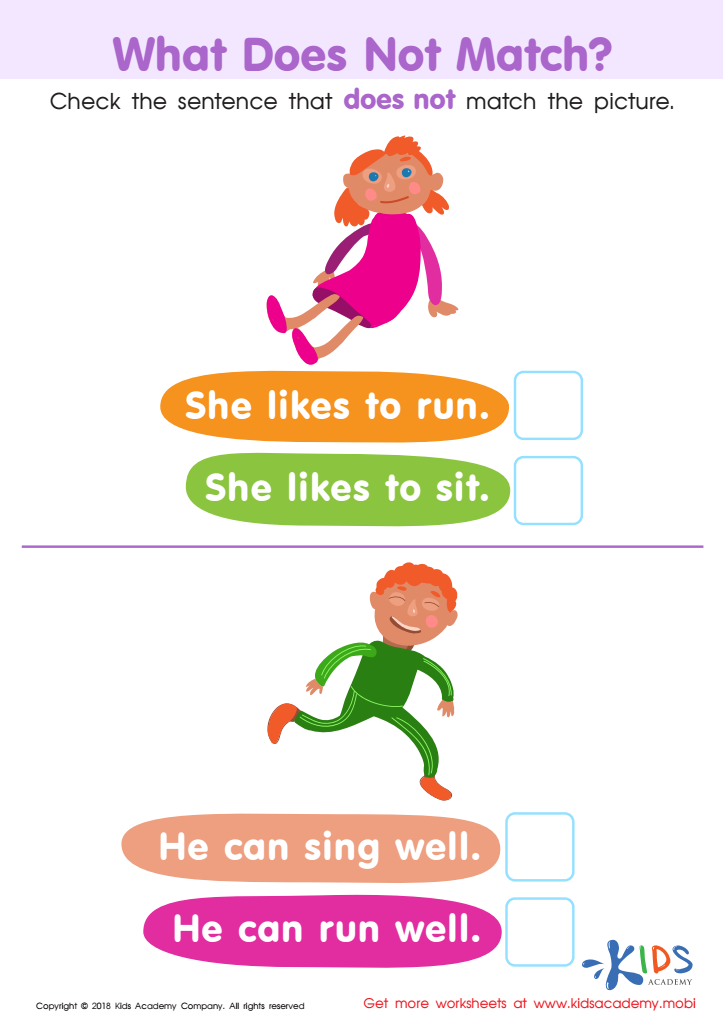
What Does Not Match? Worksheet




.jpg)



Pattern identification is a foundational skill that significantly impacts a child's cognitive development and understanding of the world. For children aged 3-9, recognizing patterns aids in developing critical thinking and problem-solving skills. Patterns are prevalent in various subjects such as mathematics, art, reading, and science, making early identification crucial for holistic learning.
By understanding patterns, children learn to make predictions and draw conclusions based on observations—skills that enhance their ability to navigate complex ideas as they grow. For instance, in mathematics, recognizing numerical patterns lays the groundwork for algebraic thinking later on. In language arts, understanding sentence structure and rhyming contributes to reading fluency.
Moreover, pattern identification promotes creativity. Whether through music, dance, or art, patterns lead children to explore new possibilities and express themselves innovatively. This boosts confidence and encourages collaboration when they work with peers to discover and create.
For parents and teachers, fostering pattern recognition helps create enriching learning experiences. It's vital not only for academic success but also for developing lifelong learners who can approach challenges systematically. By investing in this skill, they equip children with tools essential for both personal and academic achievement.








