Phonics Skills Worksheets for Ages 3-9 - Page 4
78 filtered results
-
From - To
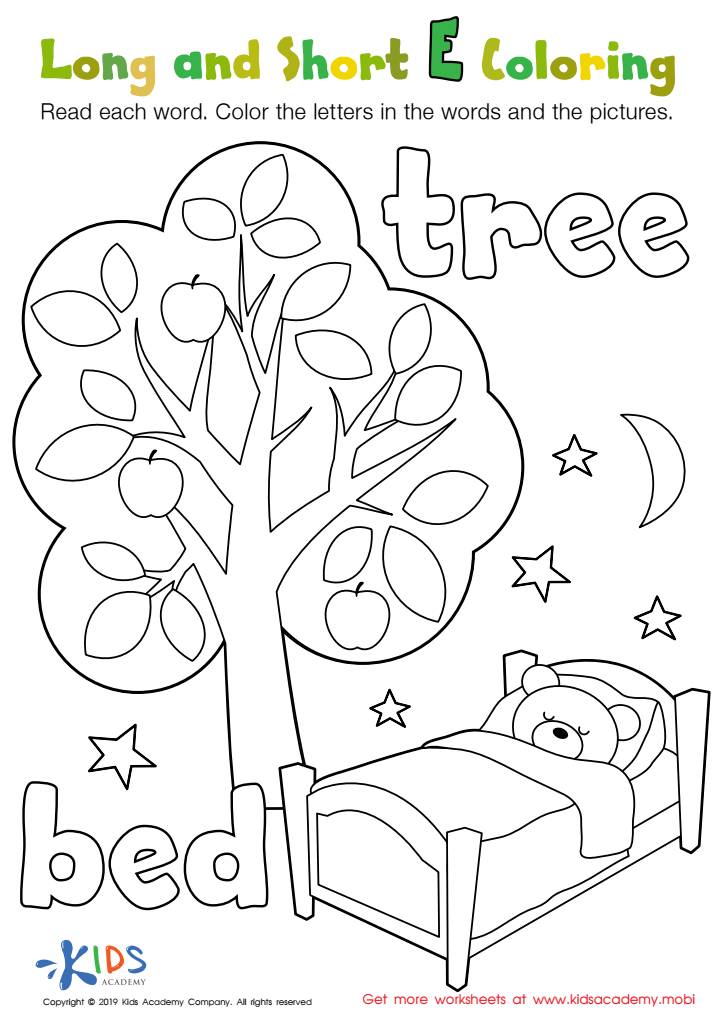
Long and Short E Worksheet
 Assign to My Students
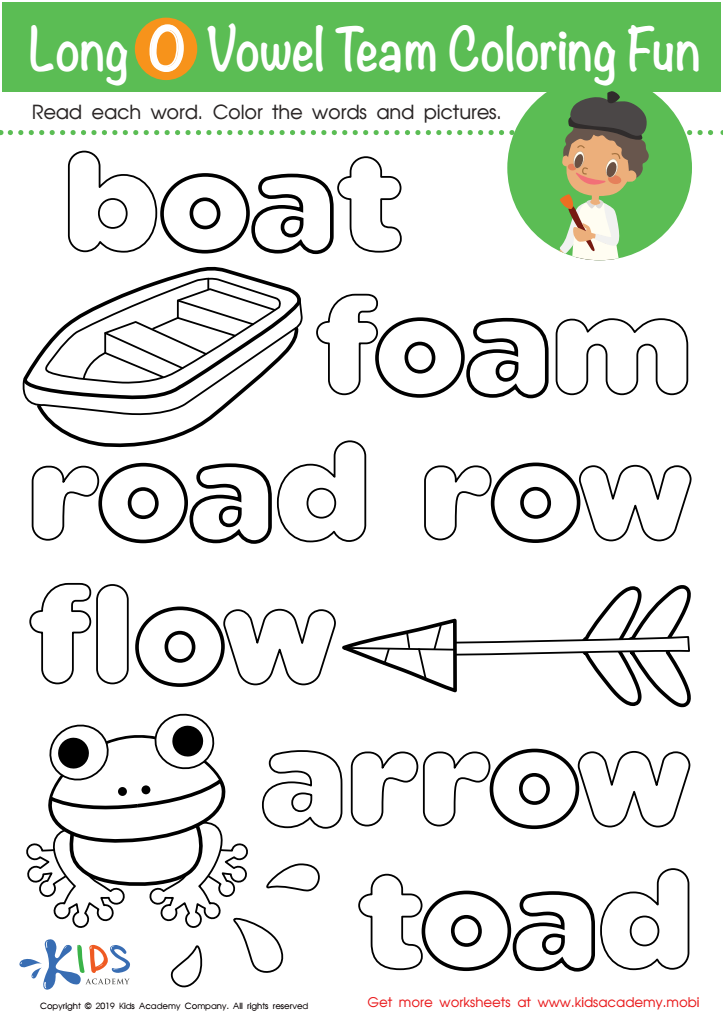
Long O Vowel Team Coloring Worksheet
Assign to My Students
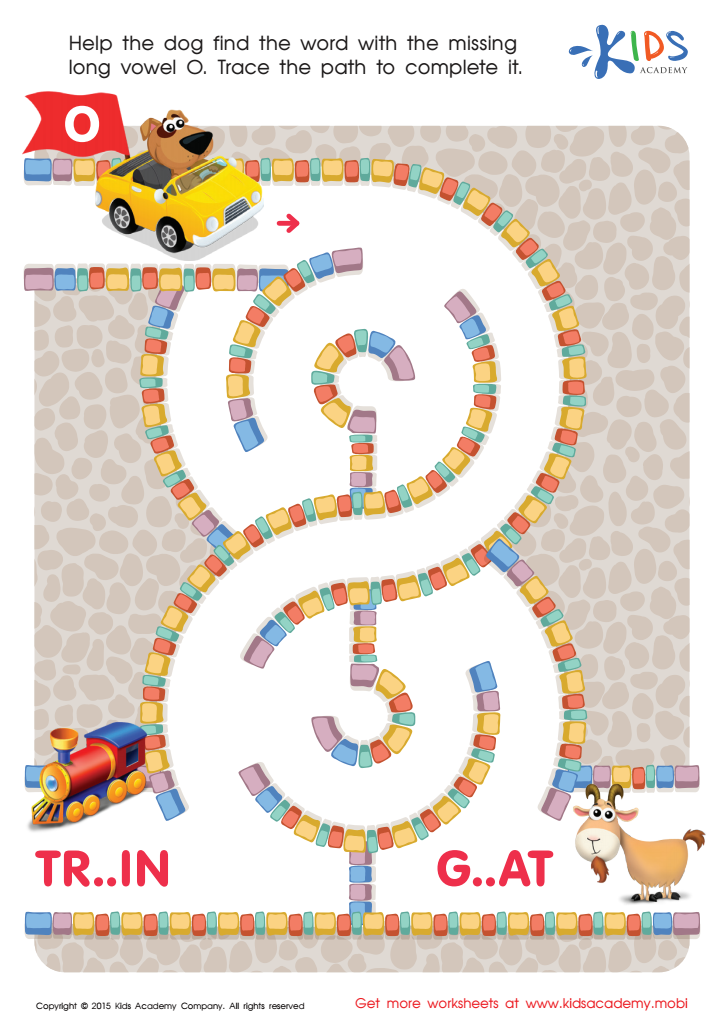
Long Vowel Sound O Worksheet
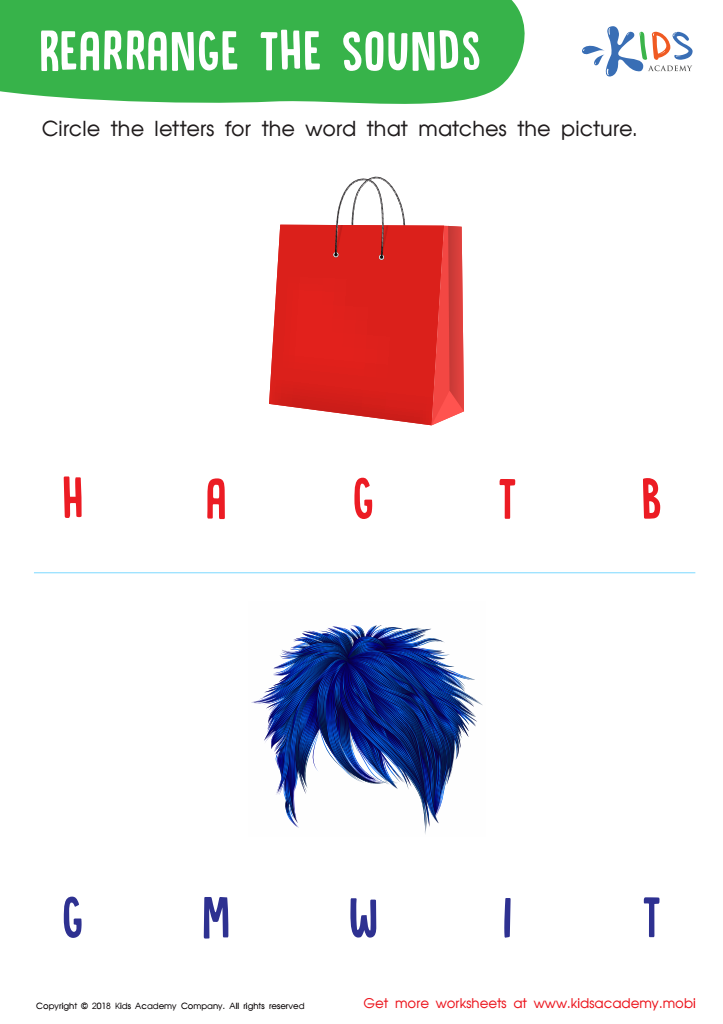
Rearrange the Sounds Worksheet
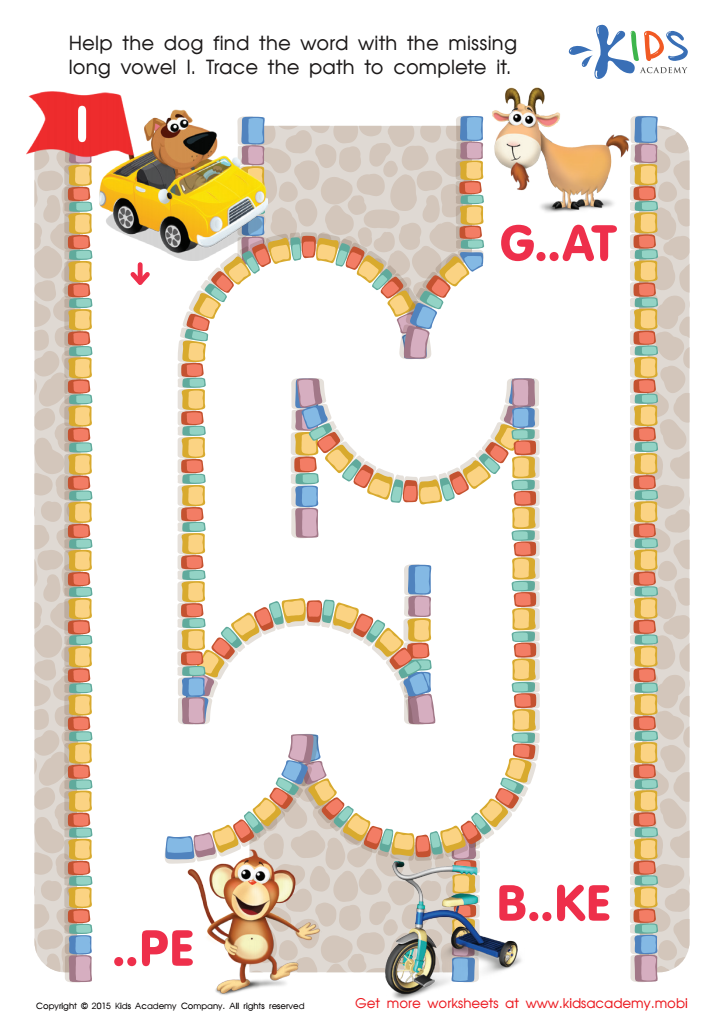
Long Vowel Sound I Worksheet
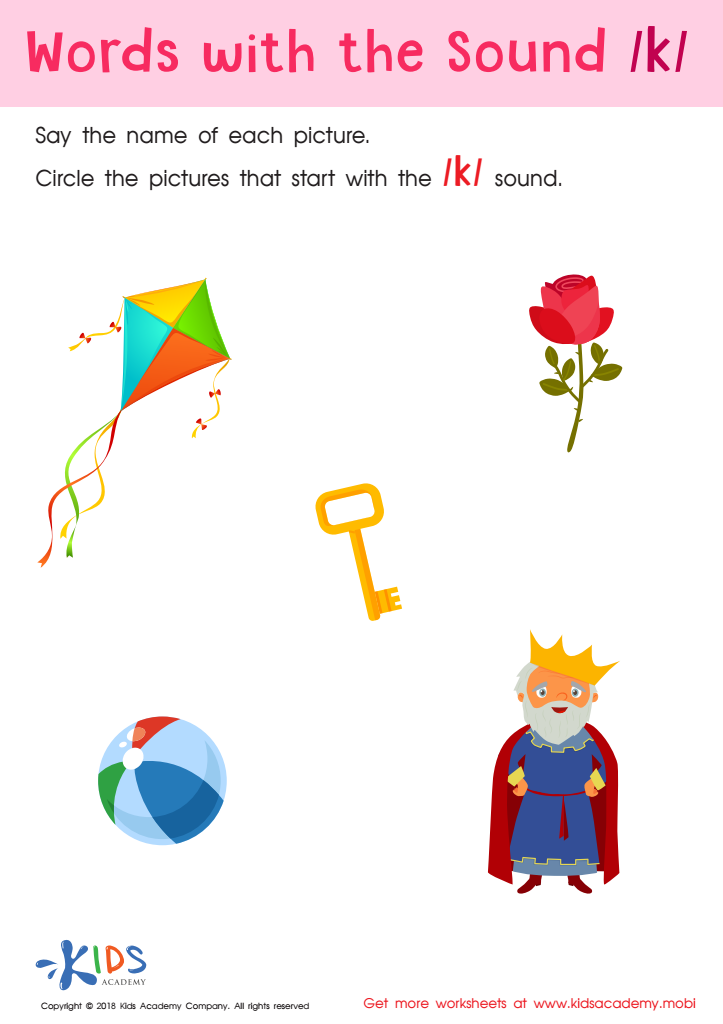
Words with sound k Reading Worksheet







Phonics skills are crucial for young children, ages 3-9, as they lay the foundation for reading proficiency and overall academic success. Phonics involves the relationship between sounds and their corresponding letters or groups of letters. When children understand these relationships, they can decode words more effectively, making reading easier and more enjoyable.
Early mastery of phonics skills improves reading fluency, which contributes to better comprehension. When children can effortlessly recognize and sound out words, they can focus more on the meaning of the text rather than on the mechanics of reading. This makes reading a more pleasurable and rewarding experience, fostering a lifelong love for reading.
In addition, strong phonics skills support writing and spelling abilities. When children understand how words are constructed, they can spell more accurately and develop better writing skills.
Ignoring the development of phonics skills can result in reading difficulties, which can have far-reaching effects on a child's academic progress and self-esteem. Struggling readers may fall behind in other subjects, as reading is integral to understanding content across the curriculum.
Therefore, parents and teachers should prioritize phonics instruction to set children on a path to educational success, ensuring they acquire the skills necessary for effective communication, learning, and critical thinking.








