Picture-word association Worksheets for Ages 3-9
4 filtered results
-
From - To
Discover our Picture-Word Association Worksheets, specially designed for children aged 3-9! These engaging resources help young learners enhance their vocabulary and comprehension skills through fun and interactive activities. Each worksheet features vibrant images paired with words, allowing kids to connect visual elements with language, fostering their cognitive development. Perfect for classrooms or home learning, our worksheets promote early literacy and encourage independent thinking. With a variety of themes and difficulty levels, these activities are tailored to meet the diverse needs of young learners. Start your child's journey to reading success today by exploring our collection of Picture-Word Association Worksheets!
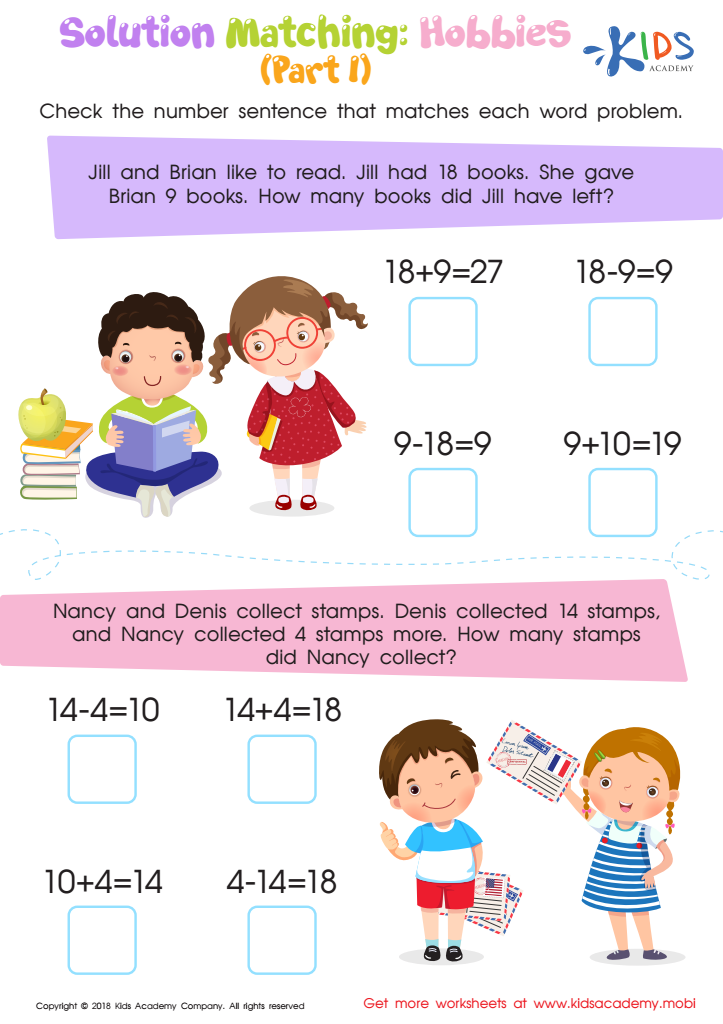
Solution Matching: Hobbies. Part 1 Worksheet
 Assign to My Students
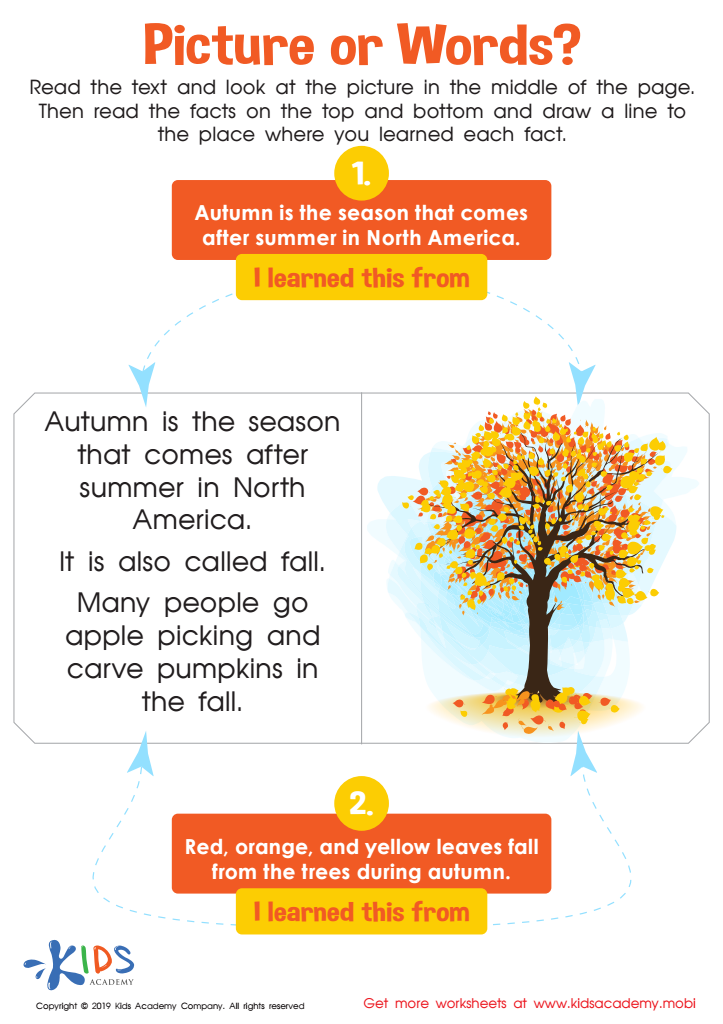
Picture Words Worksheet
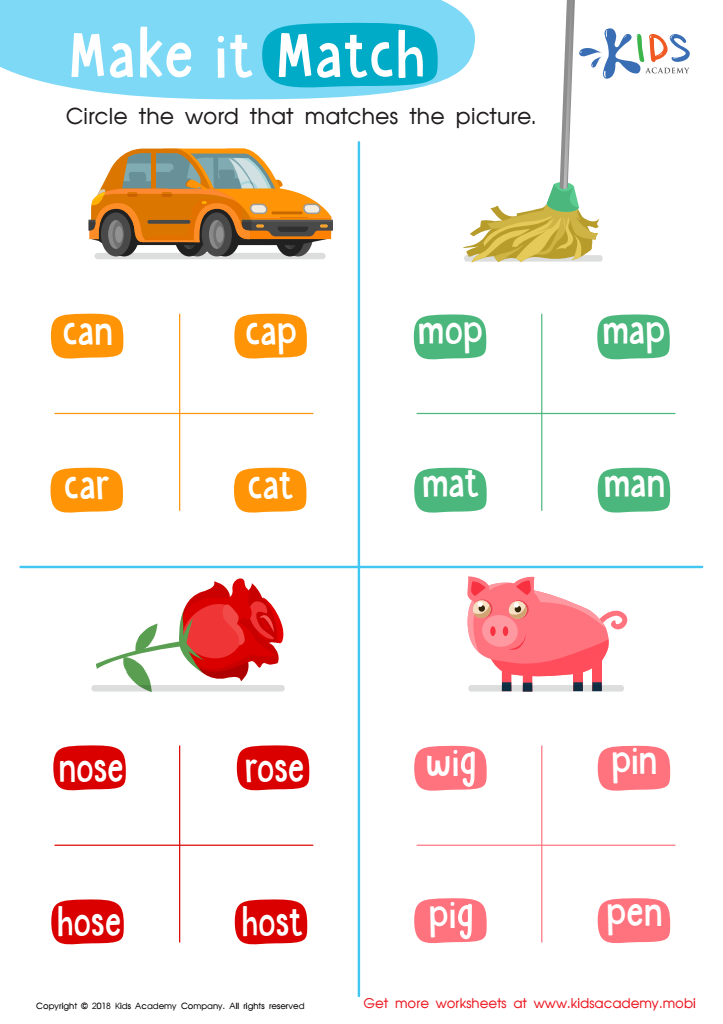
Make It Match Worksheet
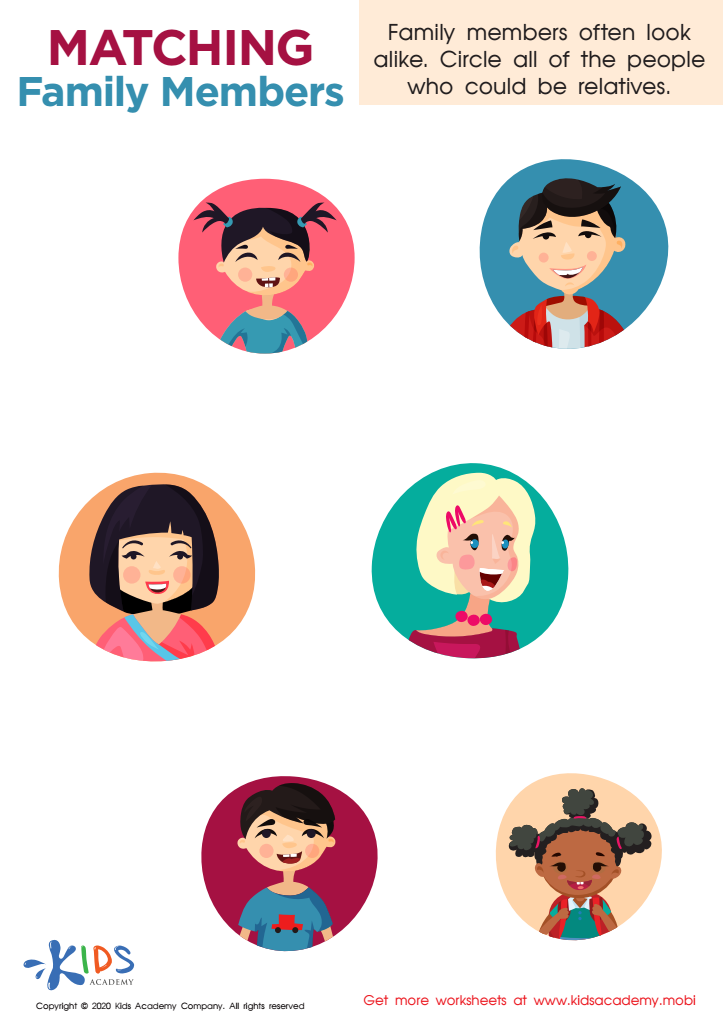
Matching Family Members Worksheet


.jpg)





Picture-word association is a crucial learning technique for children aged 3 to 9, serving as a bridge between visual stimuli and language development. This method enriches vocabulary acquisition and enhances comprehension by linking images with corresponding words, fostering early literacy skills. Parents and teachers should prioritize this approach because it engages young learners through play and exploration, making learning enjoyable and effective.
The visual nature of pictures makes abstract concepts more tangible for young minds, helping them grasp meanings easily. When children associate words with images, they retain information better, aiding memory retention. Furthermore, this method supports language development by introducing new vocabulary within a context, encouraging children to express themselves more confidently in conversations.
In addition, the interactive aspect of picture-word association promotes cognitive skills like critical thinking and problem-solving, as children learn to analyze and make connections. It fosters creativity as well, allowing children to create stories or scenarios based on visuals.
Ultimately, engaging children through picture-word association cultivates a lifelong love for reading and learning. By implementing this technique, parents and teachers can help develop essential literacy skills that lay a strong foundation for future academic success and effective communication.








