Pre-writing skills Worksheets for Ages 3-9
5 filtered results
-
From - To
Discover a diverse collection of pre-writing skills worksheets tailored explicitly for children aged 3-9 at Kids Academy. Perfectly designed to foster early literacy, these engaging worksheets help develop essential fine motor and cognitive skills through fun tracing activities, drawing lines, and practicing shapes. Featuring colorful, age-appropriate exercises, these resources support your child’s smooth progression to handwriting. Empower your youngster with the confidence to express creativity and ensure a strong foundation for academic success using our trusted pre-writing materials. Build fine motor skills with Kids Academy's expertly crafted worksheets and watch their writing abilities flourish.
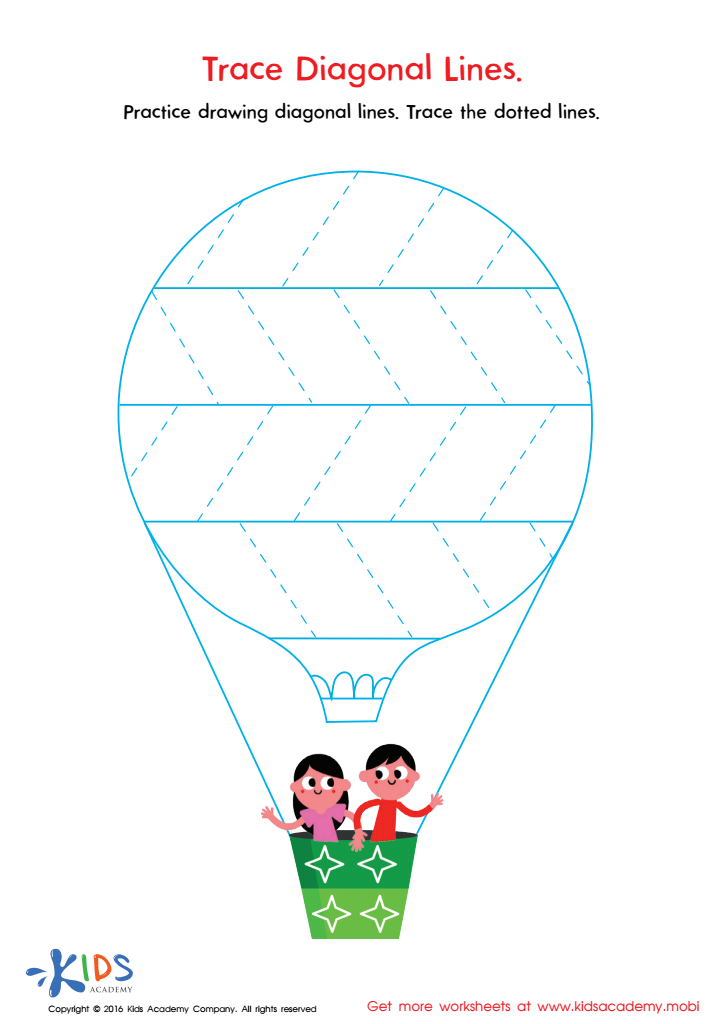
Trace Diagonal Lines Worksheet
 Assign to My Students
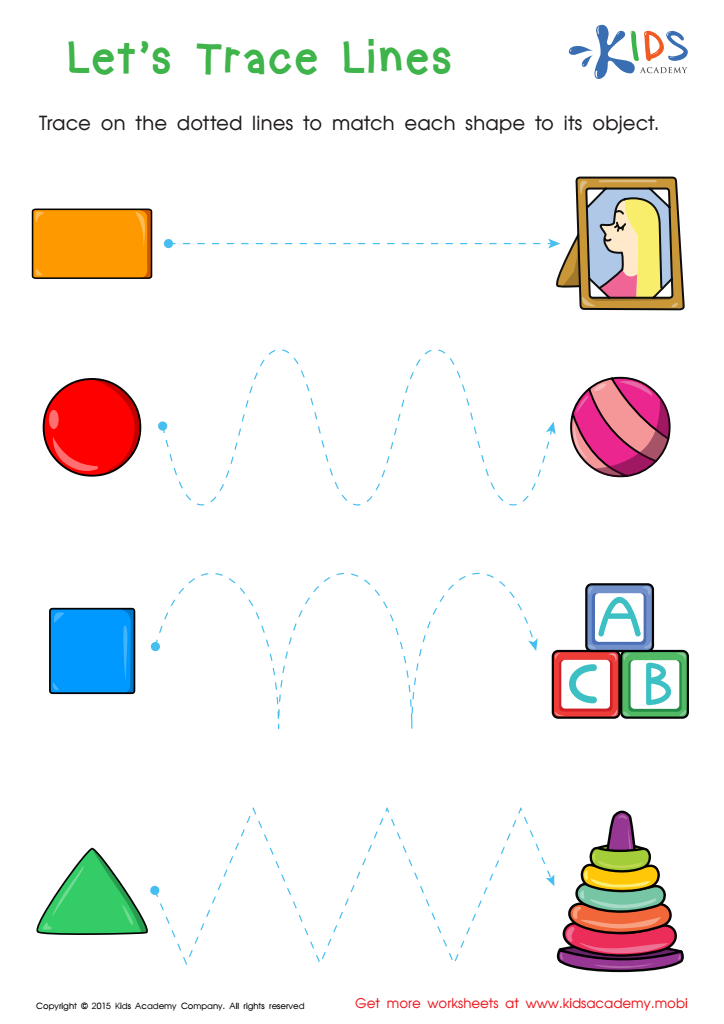
First Words: Let's Trace Lines Worksheet
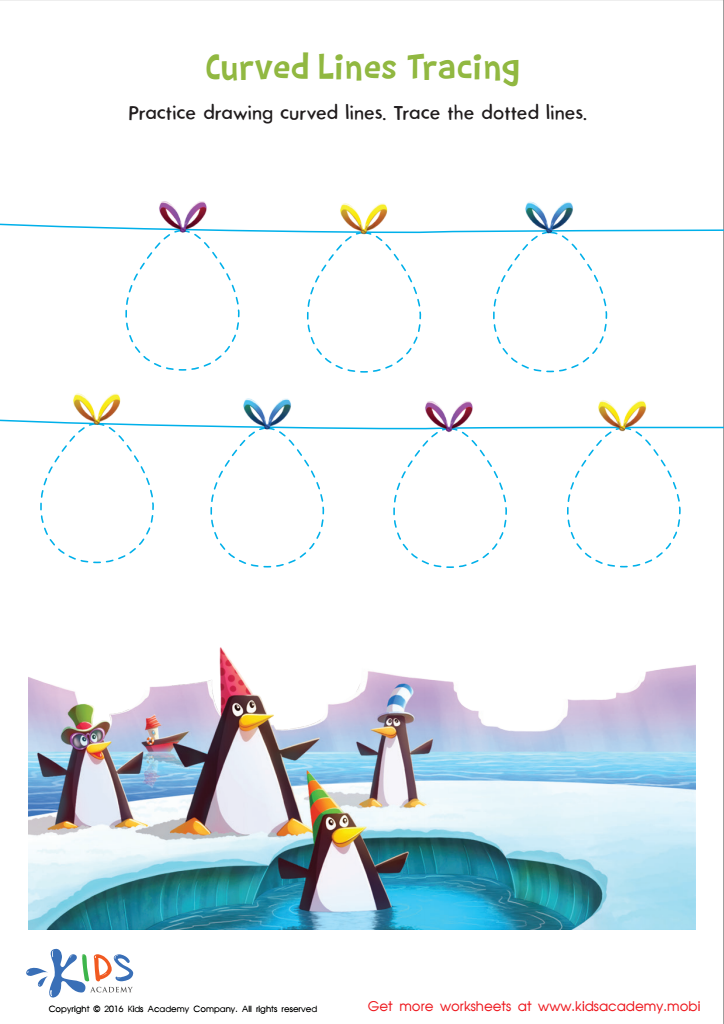
Curved Lines Tracing Worksheet
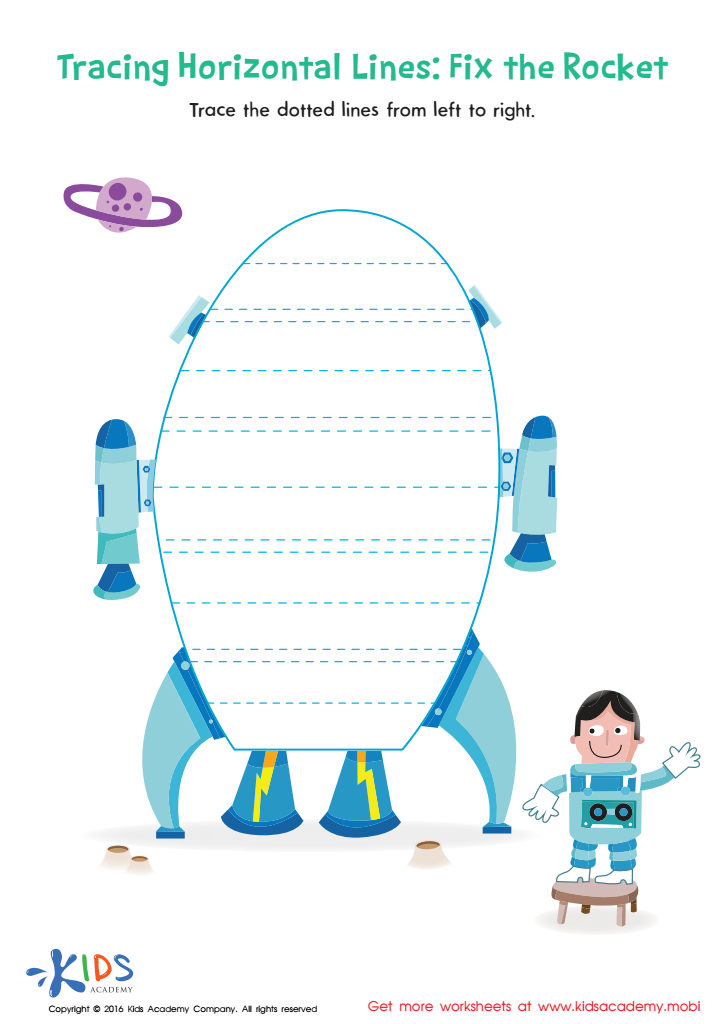
Tracing Horizontal Lines Worksheet

Tracing Lines Worksheet







Pre-writing skills are essential for young children as they lay the groundwork for successful handwriting and effective communication. For ages 3-9, these foundational skills—such as holding a pencil correctly, forming shapes and lines, and developing fine motor coordination—are vital. When parents and teachers focus on enhancing pre-writing abilities, they are nurturing the child's ability to express thoughts and ideas clearly and efficiently.
During the early years, fine motor skills are still developing. Activities like coloring, drawing, and playing with playdough help strengthen the small muscles in the hands and fingers, vital for writing. By engaging in these activities, children enhance their hand-eye coordination and dexterity, which are crucial for managing a pencil and forming letters accurately.
Moreover, good pre-writing skills boost a child's confidence and enthusiasm for learning. Mastery in these fundamental skills can lead to better academic performance as they transition into more advanced writing tasks. Proper development reduces frustration and fatigue associated with writing tasks later on, promoting a positive attitude toward learning.
Investing time and effort in developing pre-writing skills ensures that children have a strong foundation, paving the way for success in literacy and other academic areas. It helps create a smooth and enjoyable transition as children progress through early education phases.








