Pronunciation practice Worksheets for Ages 3-9
3 filtered results
-
From - To
Enhance your child's pronunciation skills with our engaging Pronunciation Practice Worksheets designed for ages 3-9! ThesePrintable resources are perfect for young learners, offering a fun and interactive way to refine their speech. Each worksheet features colorful illustrations and easy-to-follow activities that guide children in pronouncing a variety of sounds and words. Tailored to suit different learning levels, these worksheets encourage confidence and clarity in speech, laying a solid foundation for effective communication. Download and print these resources to provide your child with the essential tools they need to articulate words correctly while enjoying their learning journey!
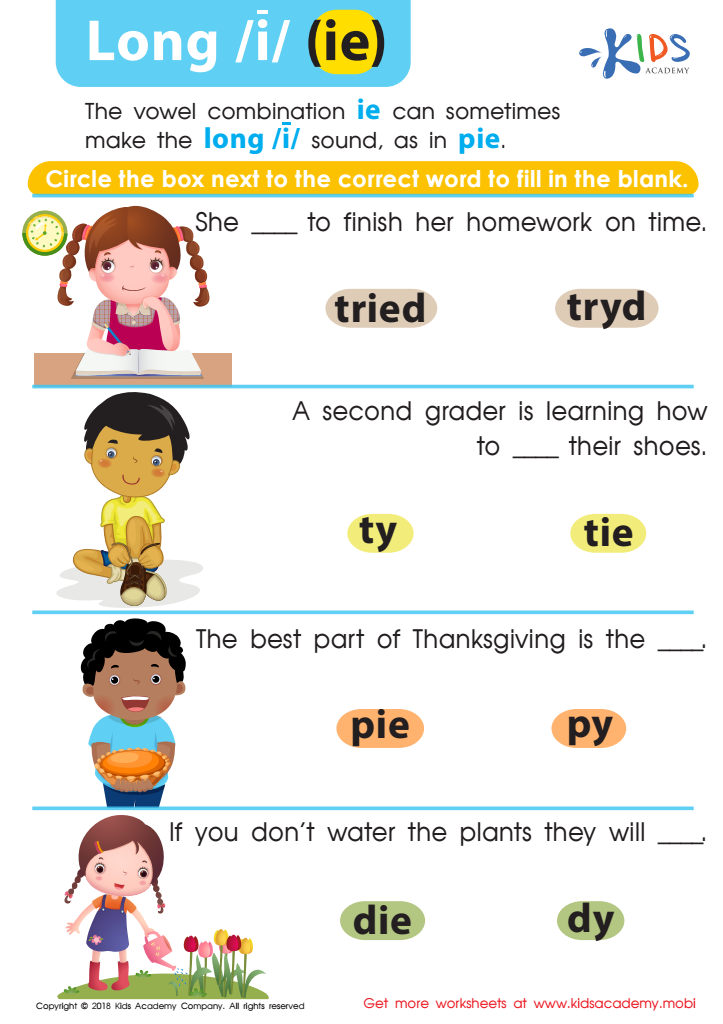
Reading: Long I and IE Worksheet
 Assign to My Students
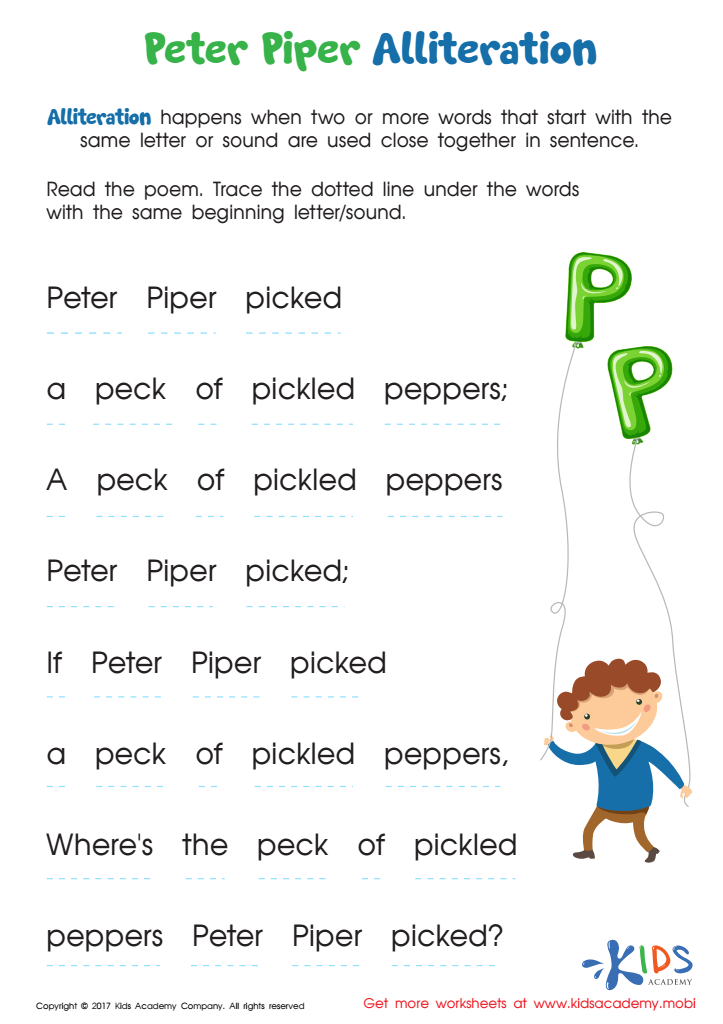
Peter Piper Alliteration Worksheet
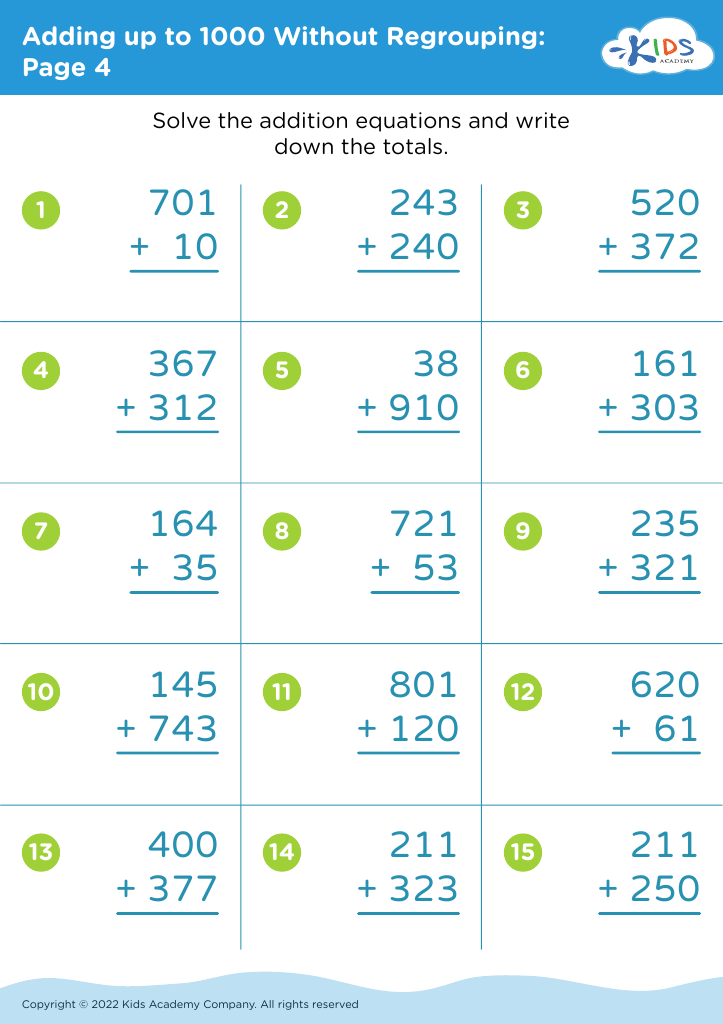







Pronunciation practice for children ages 3-9 is essential for several reasons. Firstly, clear pronunciation enhances communication skills, which are crucial during early schooling. At this stage, children's language development is rapid, and mastering pronunciation lays the foundation for effective verbal interactions with peers, teachers, and family members.
Secondly, proper pronunciation boosts confidence. When children speak distinctly, they feel more empowered to express their thoughts and ideas, which can positively impact their overall engagement in the classroom. This confidence can reduce anxiety associated with public speaking and lead to a lifelong love for learning.
Moreover, early pronunciation practice can prevent future learning difficulties, including reading struggles and social communication challenges. Children often face peer pressure regarding language skills as they enter school; ensuring they articulate sounds correctly can help mitigate the risk of bullying or exclusion.
Lastly, pronunciation ties closely to understanding language mechanics, such as rhyme, syllable structure, and phonemic awareness, crucial for reading development. By investing time in pronunciation during these formative years, parents and teachers are laying the groundwork for both strong academic performance and positive social interactions, encouraging a holistic approach to child development.








