Recognize shapes Worksheets for Ages 3-9
12 filtered results
-
From - To
Explore our engaging "Recognize Shapes Worksheets for Ages 3-9" designed to enhance your child’s geometry skills. Suitable for preschoolers through 3rd graders, these worksheets cover basic to complex shapes such as circles, squares, polygons, and beyond. Our fun, interactive exercises will help children identify, trace, and differentiate shapes, fostering visual-spatial intelligence and fine motor skills. With vibrant illustrations and age-appropriate challenges, these printables make learning an enjoyable experience. Perfect for classrooms or at-home practice, they provide a solid foundation in early math concepts. Start building your child’s geometric understanding today! Visit Kids Academy for more educational resources.
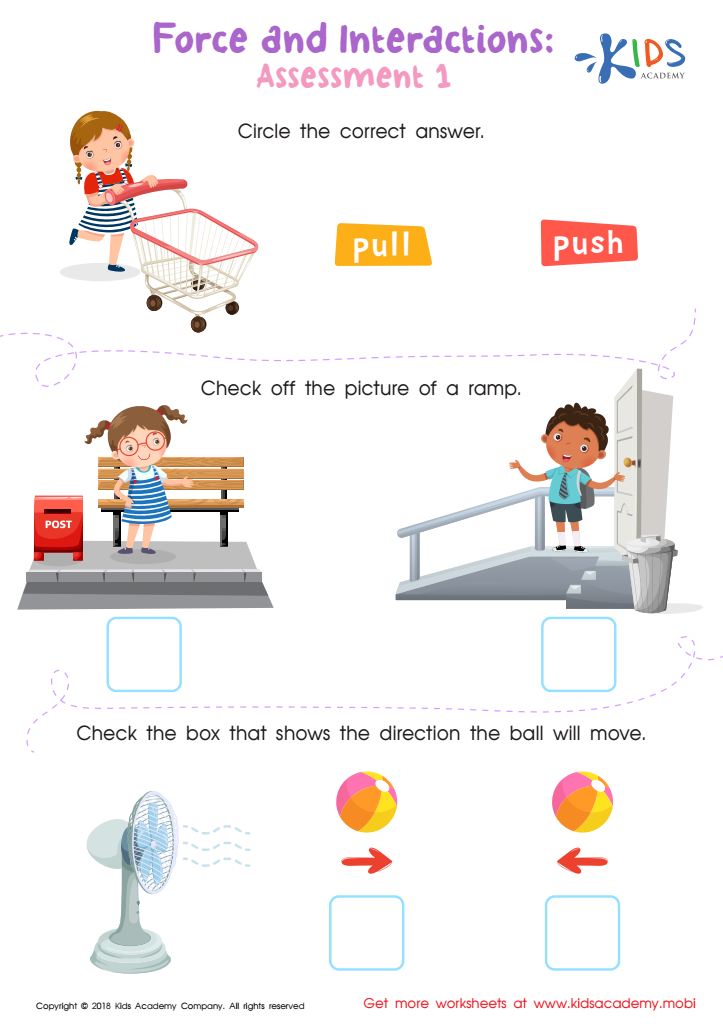
Force and Interactions: Assessment 1 Worksheet
 Assign to My Students
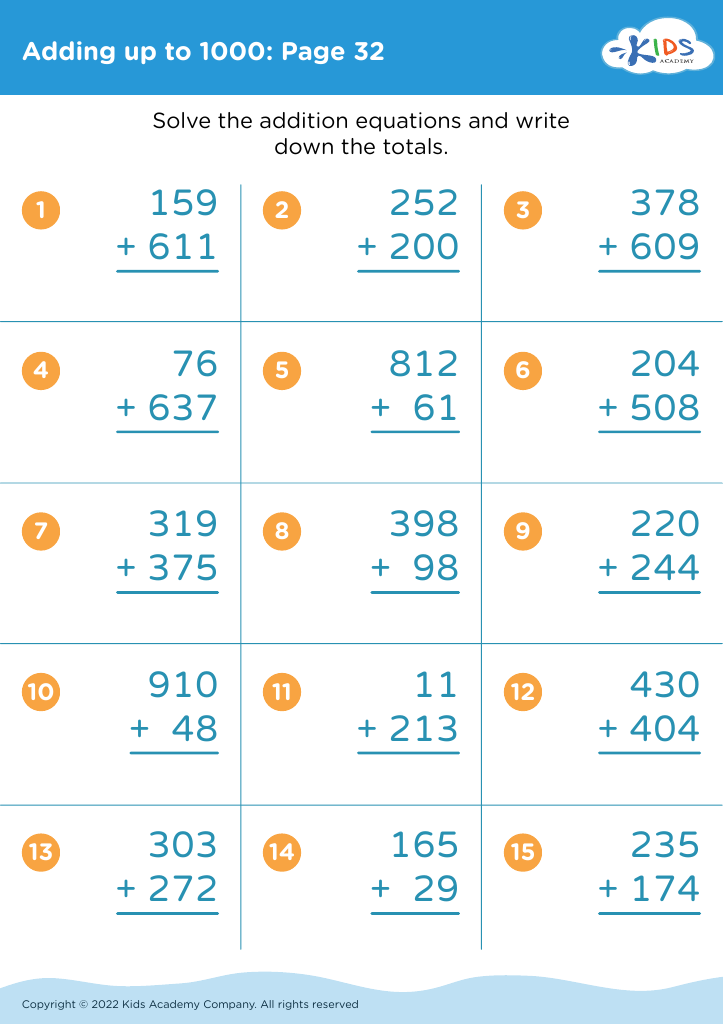
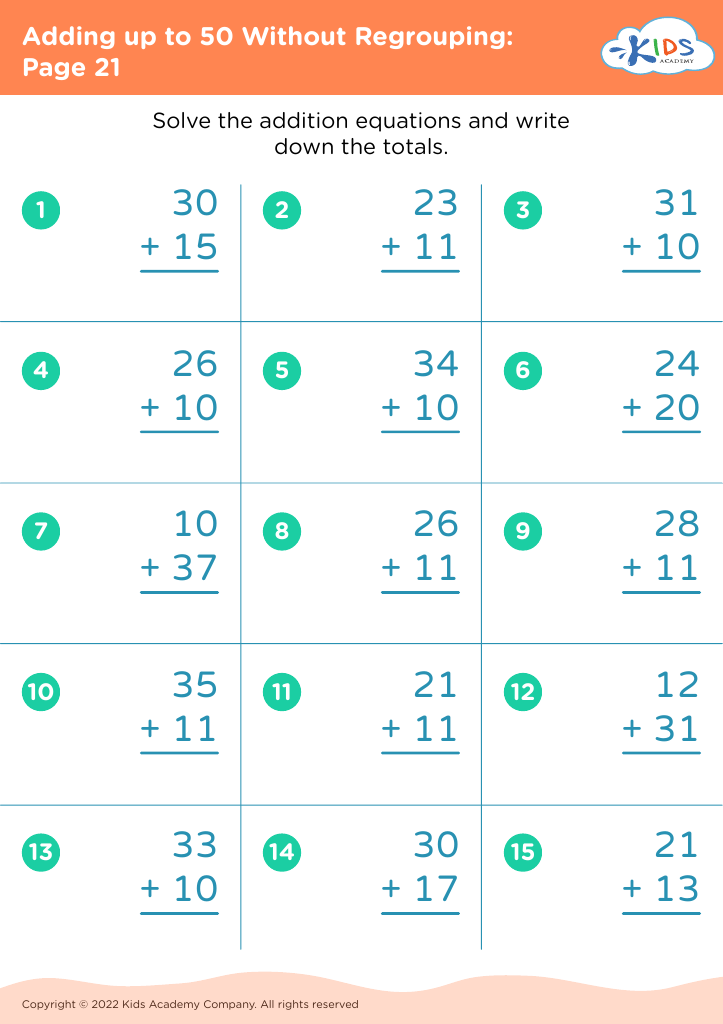
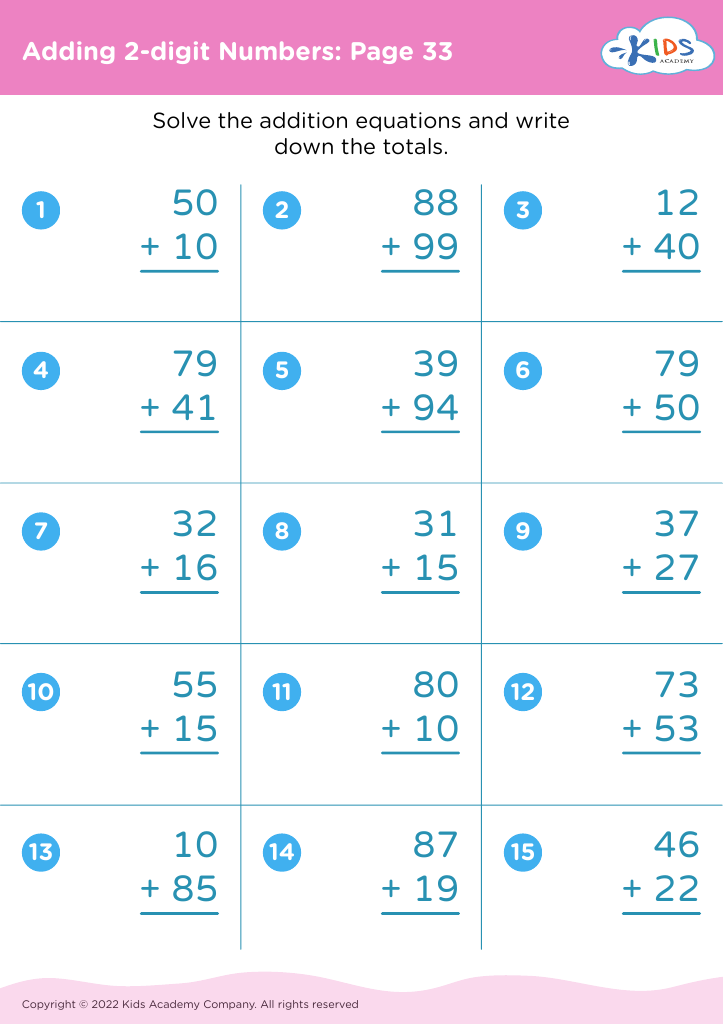
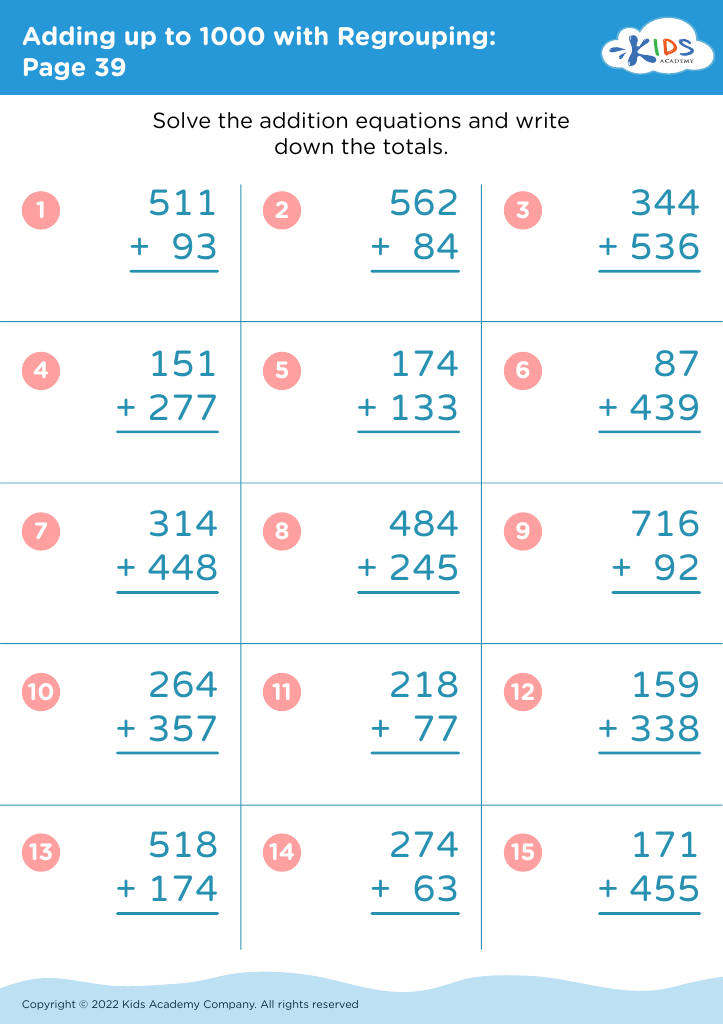
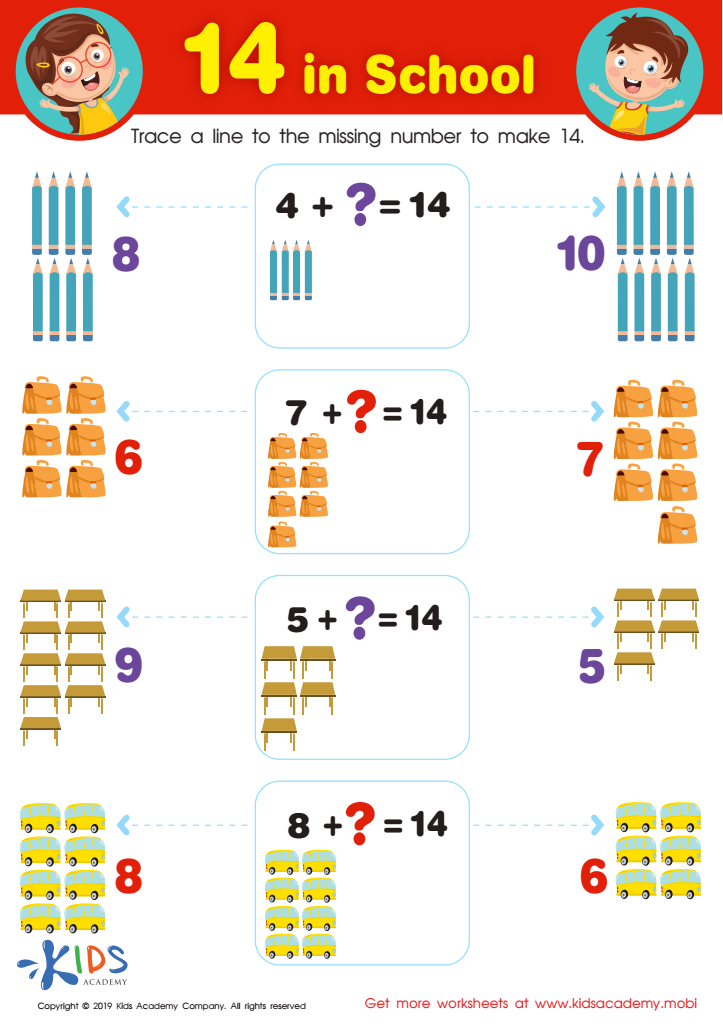
14 in School Worksheet








Recognizing shapes is a vital skill for children aged 3-9, serving as a foundation for mathematical and cognitive development. For young learners, grasping shapes involves more than identifying circles, squares, and triangles—it's about understanding the properties and relationships between different objects in their environment.
Firstly, recognizing shapes paves the way for geometry, an essential branch of mathematics. Children who can distinguish between shapes are better equipped to grasp advanced concepts later on, such as area, perimeter, and spatial reasoning. Secondly, shape recognition enhances problem-solving skills and logical thinking. Kids learn to categorize and compare objects, which fosters critical thinking and analytical abilities crucial across various subjects.
Moreover, this skill aids in language and literacy development. Describing shapes helps children expand their vocabulary and learn descriptive language, enhancing their communication skills. Shape recognition is also closely tied to visual interpretation, a precursor to reading readiness. Recognizing letters and numbers, vital components of literacy and numeracy, often begins with understanding simpler shapes.
For parents and teachers, integrating shape recognition into daily activities promotes a hands-on, engaging approach to learning. Whether through play, art, or practical activities, encouraging shape recognition helps create a well-rounded, stimulating educational environment, laying a robust foundation for future academic success and overall cognitive growth.








