Spatial Orientation Worksheets for Ages 3-9
7 filtered results
-
From - To
Unlock the wonders of spatial orientation with our engaging worksheets designed for children ages 3-9! Kids Academy offers a diverse collection of printable activities that help young learners develop crucial skills in understanding and navigating their physical space. Through fun and interactive exercises, children will enhance their abilities to recognize shapes, directions, and spatial relationships. With hands-on practice, they'll build a strong foundation for math and critical thinking. Ideal for both classroom and home use, our worksheets make learning enjoyable and effective. Start your child’s journey towards spatial mastery today with Kids Academy’s expertly crafted resources!
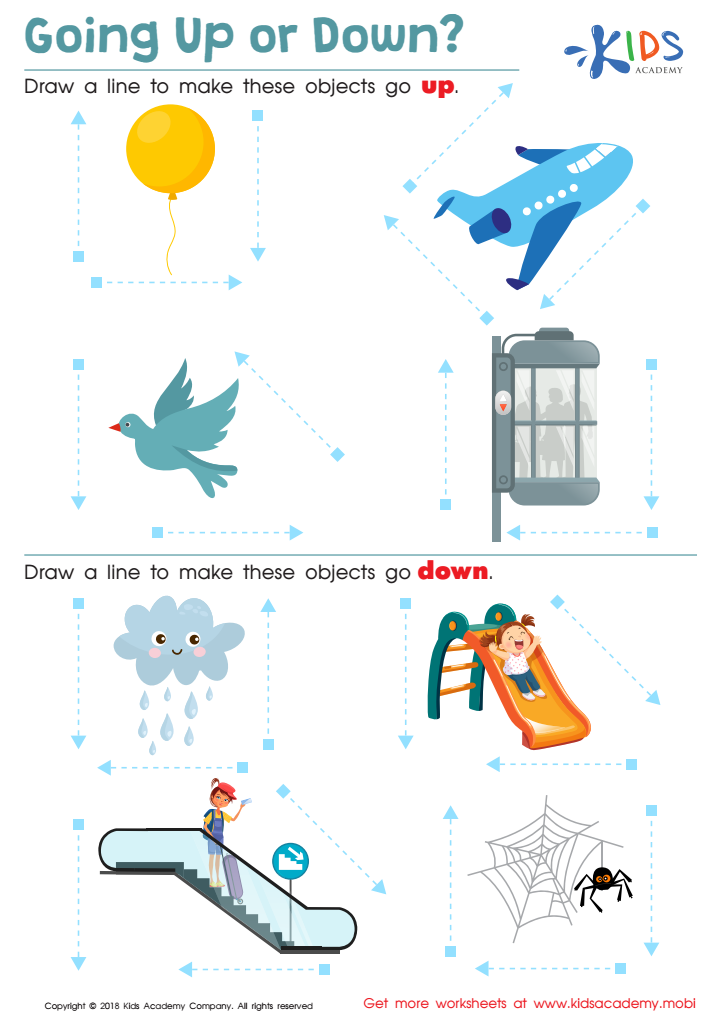
Going up or Down? Worksheet
 Assign to My Students
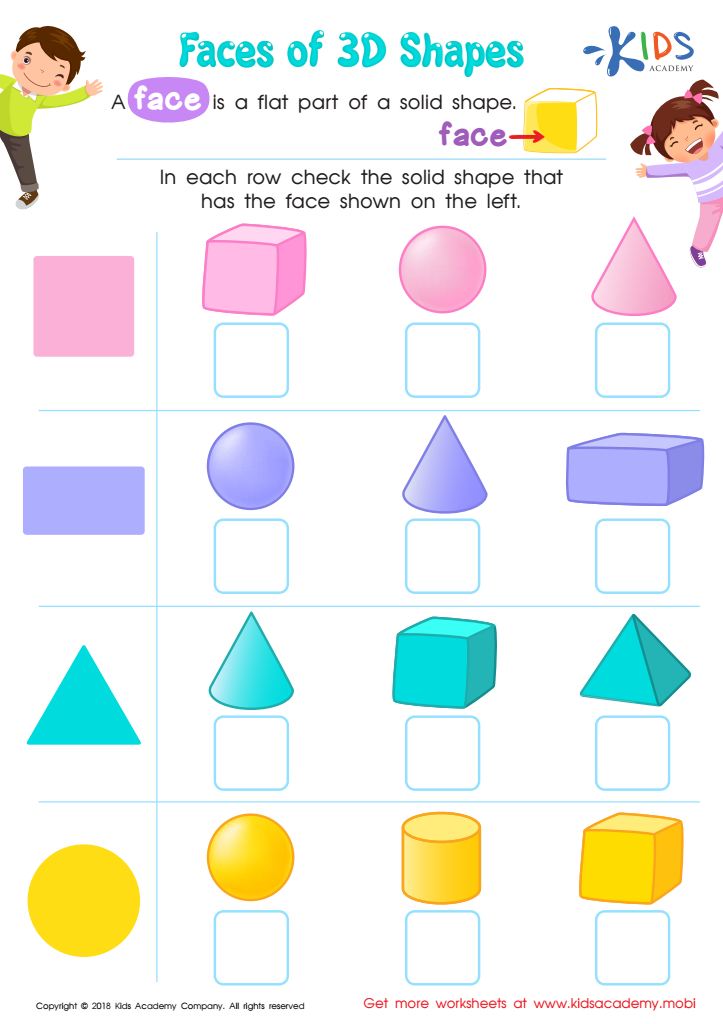
Faces of 3D Shapes Worksheet
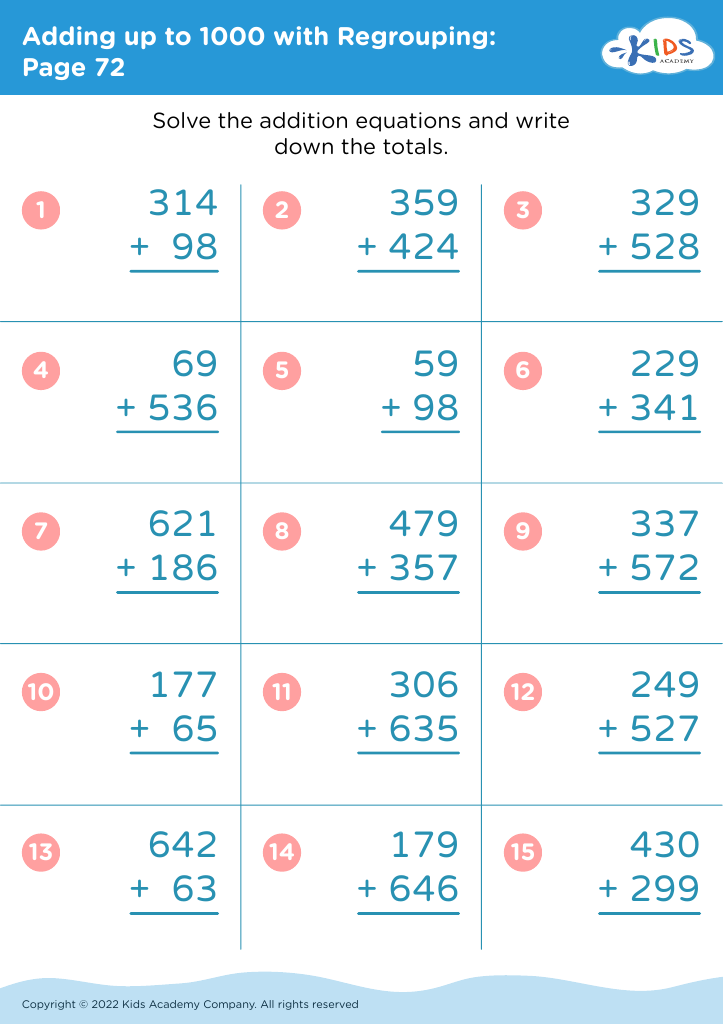
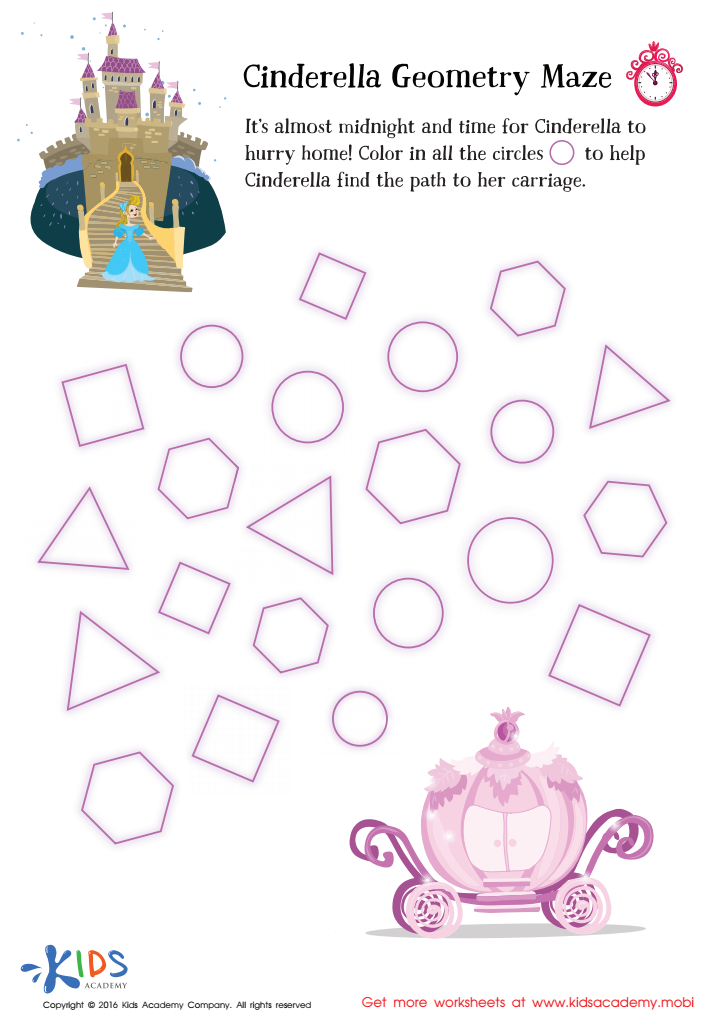
Cinderella Geometry Maze Worksheet
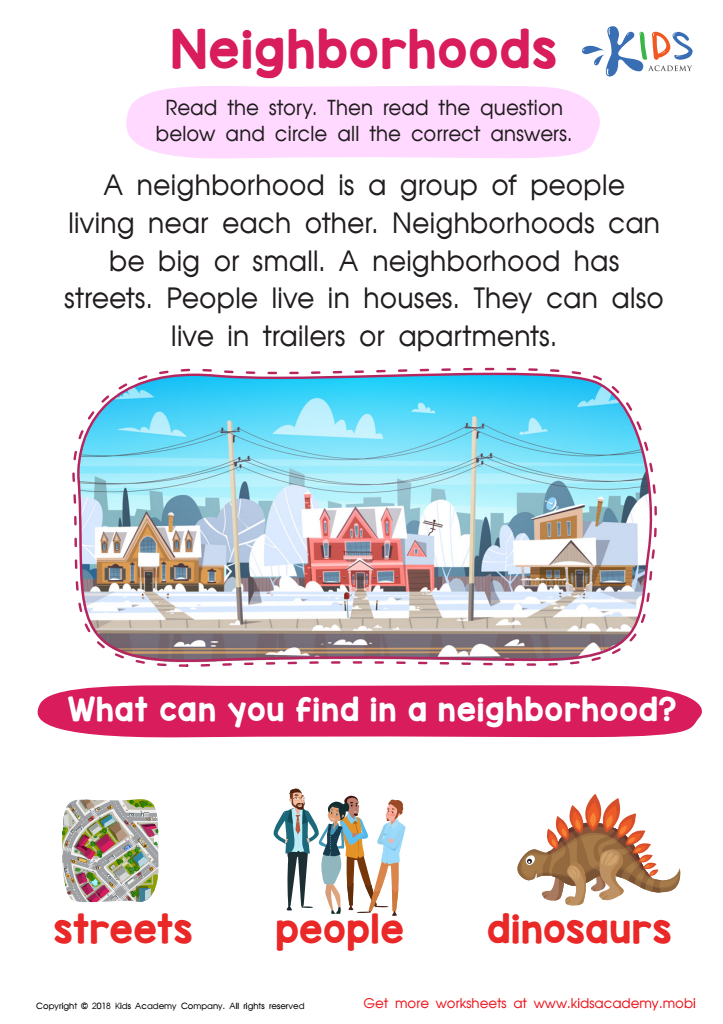
Neighborhoods Worksheet
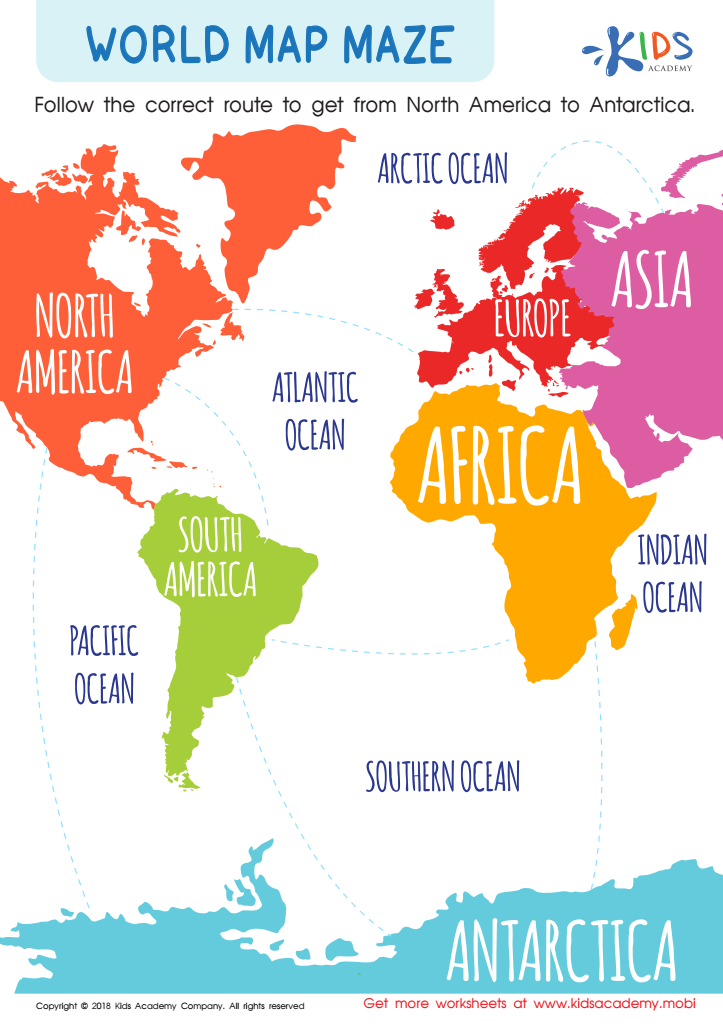
World Map Maze Worksheet
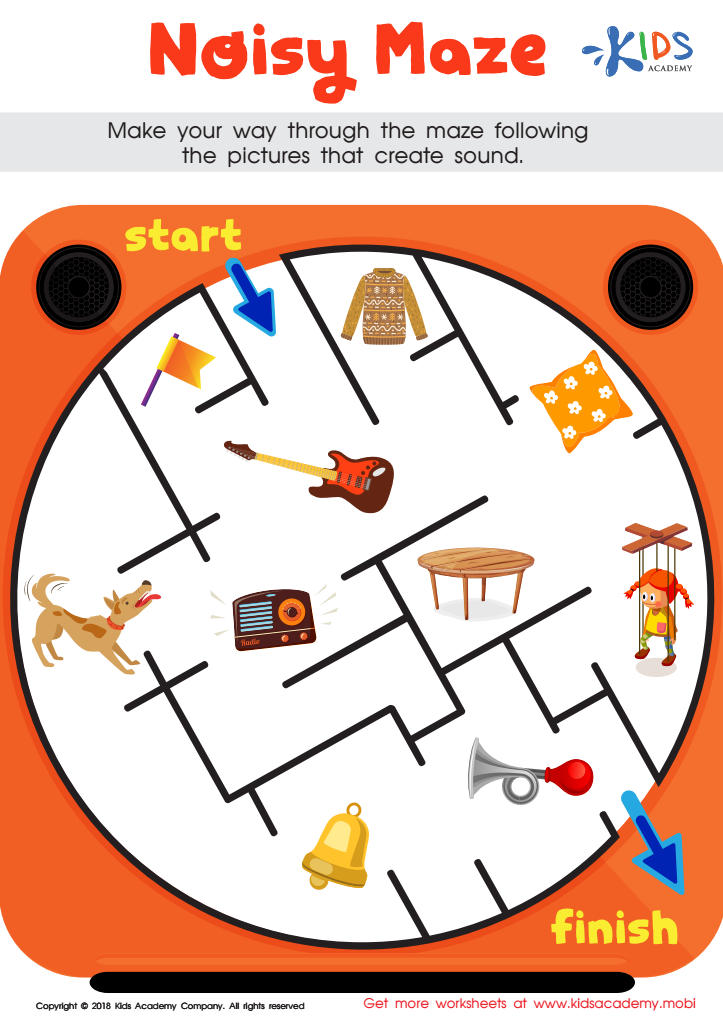
Noisy Maze Worksheet





Spatial orientation is a fundamental skill for early childhood development that parents and teachers should prioritize. For children ages 3-9, mastering spatial concepts is crucial as it lays the foundation for various cognitive and academic skills, including reading, math, and problem-solving. Understanding spatial relationships helps children navigate their world effectively, improving their ability to comprehend directions, recognize shapes, and make sense of their surroundings.
Spatial skills are closely linked to activities such as puzzle-solving, building with blocks, and drawing. These activities help children develop their fine motor skills and eye-hand coordination, fostering creativity and perseverance. Additionally, spatial awareness is essential for grasping mathematical concepts like geometry and measurement, which are pivotal in a child’s educational journey.
Moreover, good spatial orientation skills boost self-confidence and independence. When children can visualize and manipulate objects mentally, they are more capable of exploring new tasks and environments with minimal assistance. This skill is not only beneficial in academic settings but is also vital for everyday life, from playing sports to understanding and following directions.
Incorporating spatial activities through play and learning experiences ensures holistic development. Parents and teachers who focus on enhancing spatial skills provide children a robust toolkit for future academic success and personal growth.








