Visual comprehension Worksheets for Ages 3-9
11 filtered results
-
From - To
Discover a vibrant selection of Visual Comprehension Worksheets designed specifically for children ages 3-9! These engaging resources enhance visual processing skills through fun activities that captivate young minds. Suitable for home or classroom use, our worksheets encourage critical thinking and help children interpret visual information effectively. From matching images to completing patterns, each activity promotes concentration and observation. Perfect for little learners, our printable worksheets support early educational development while making learning enjoyable. Empower your child’s cognitive growth and build essential skills today with our thoughtfully curated visual comprehension materials! Explore our collection now and watch their confidence soar!
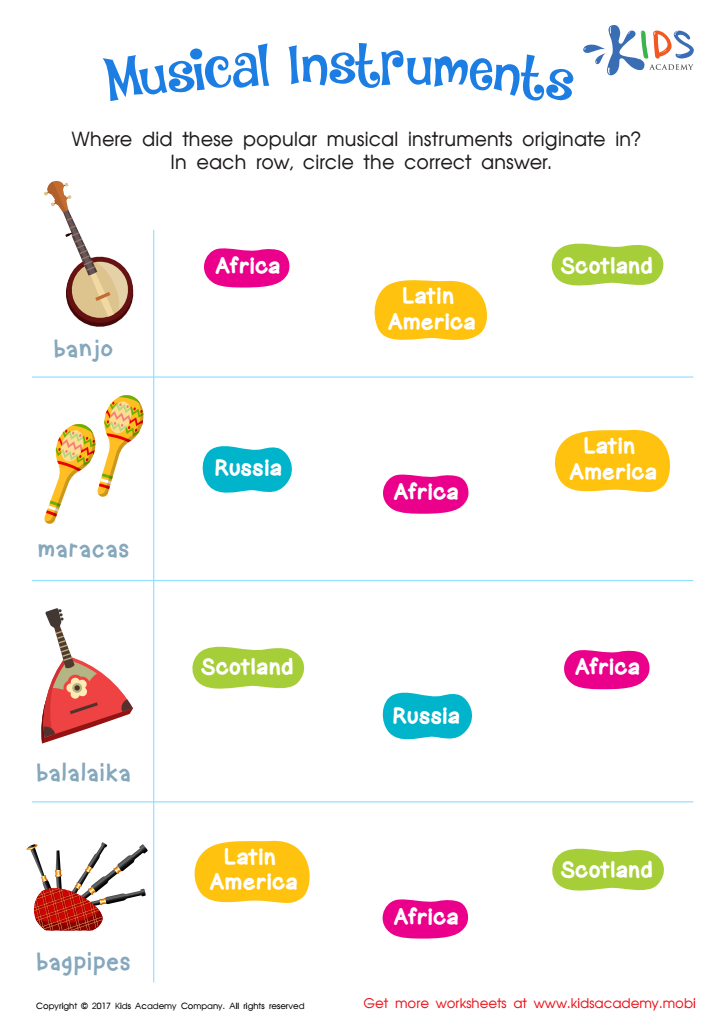
Musical Instruments Printable
 Assign to My Students
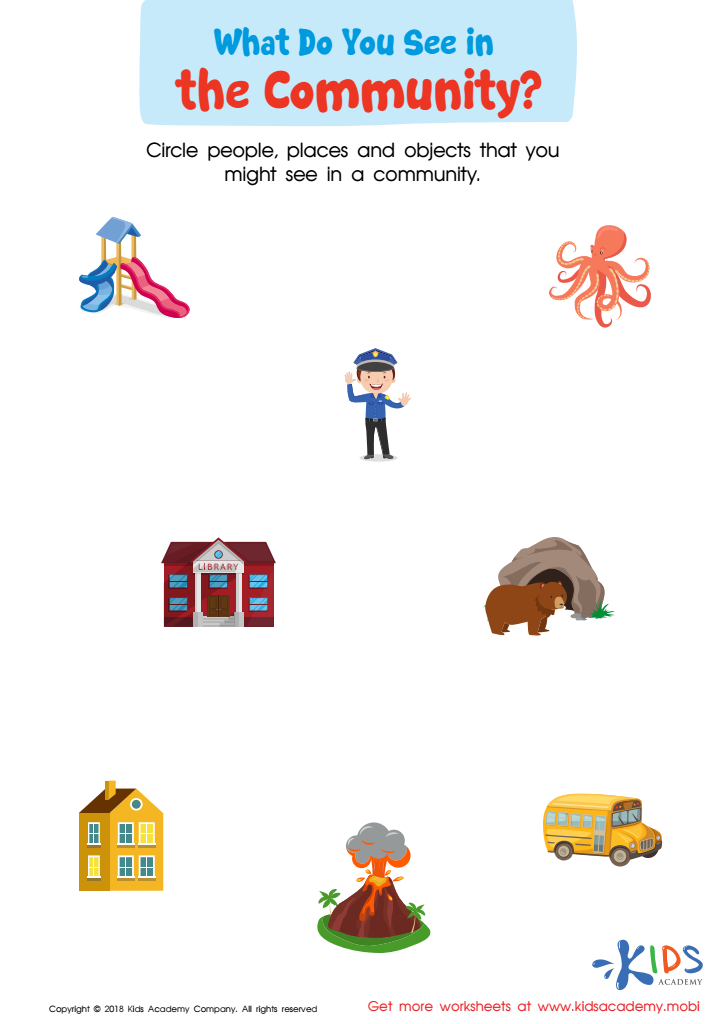
What Do You See in the Community Worksheet
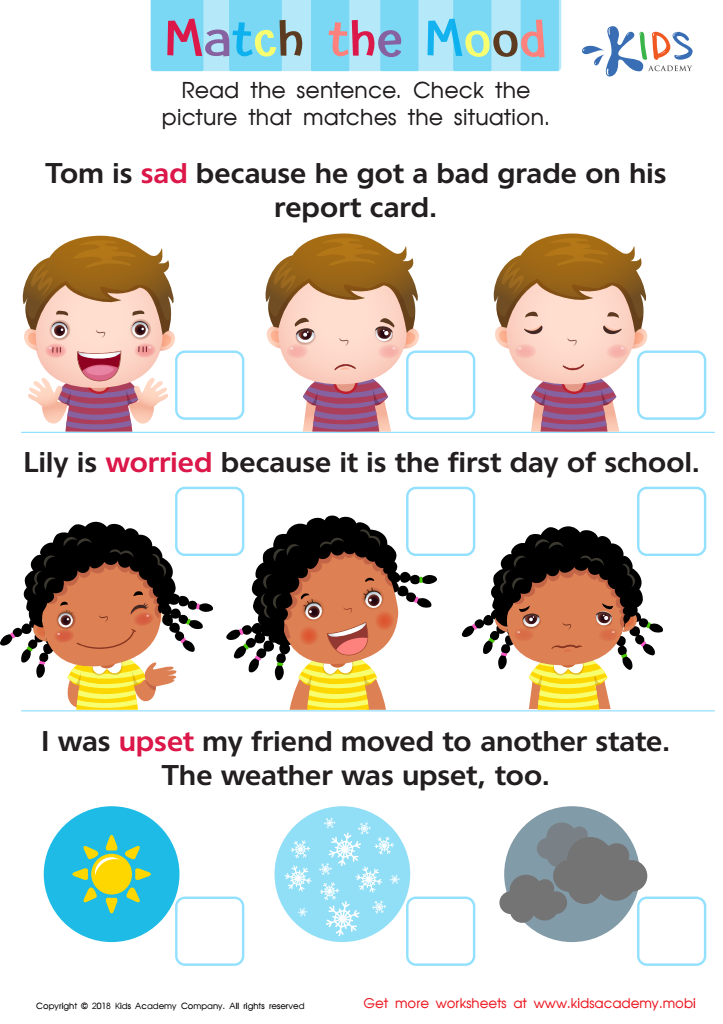
Match The Mood Worksheet
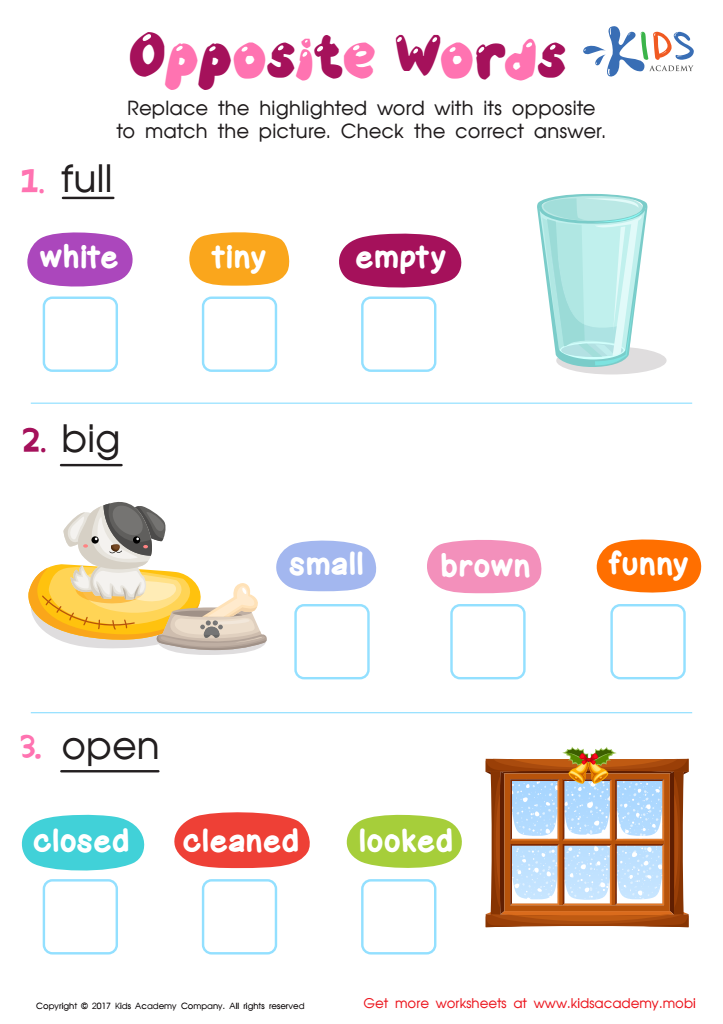
Opposite Words Worksheet
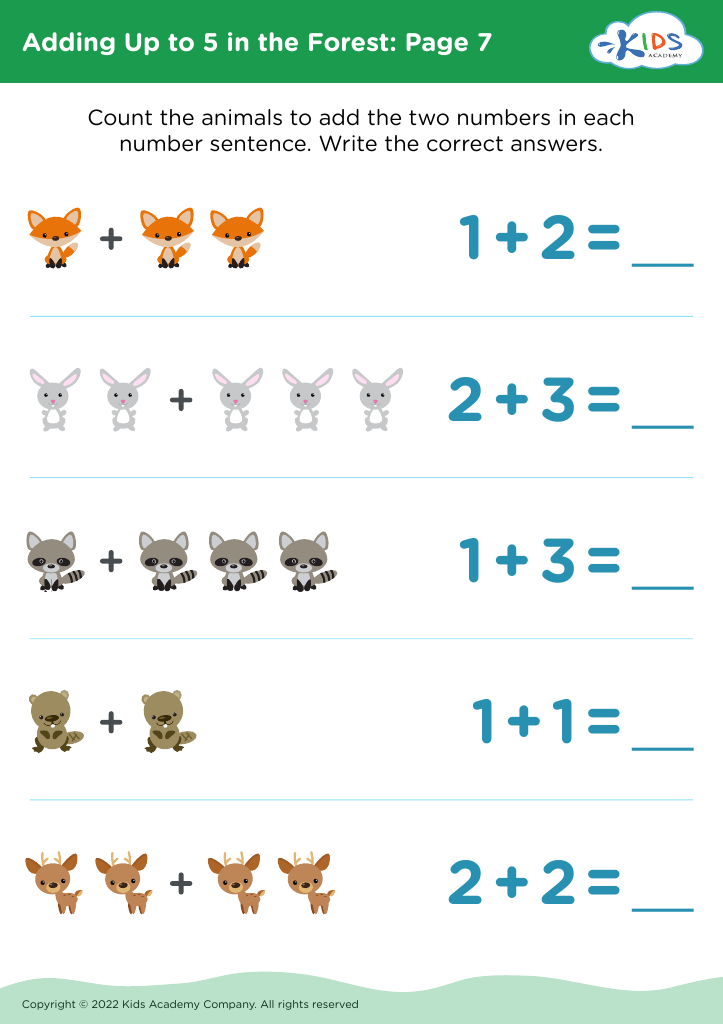
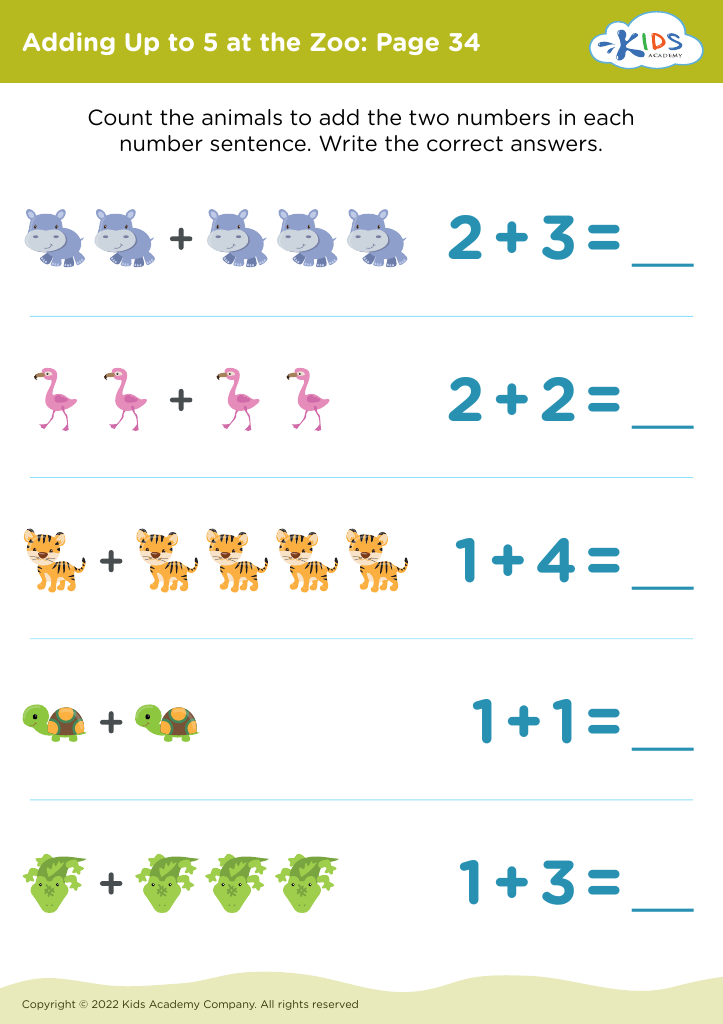






Visual comprehension is a critical skill for children aged 3-9, serving as the foundation for effective learning and communication. At this developmental stage, children are increasingly exposed to various forms of visual media, including picture books, educational videos, and interactive materials. Understanding visual information enhances their ability to interpret, analyze, and engage with these resources.
For parents and teachers, fostering visual comprehension is essential for several reasons. First, it facilitates literacy development; children who can comprehend visual cues often relate them to verbal concepts, boosting reading skills and vocabulary acquisition. Second, size differentiating between different shapes and sizes prepares children for mathematical skills.
Moreover, visual comprehension plays a significant role in enhancing attention span and memory. Children who master this skill can focus longer on tasks, improve and retain what they learn, leading to a more robust academic performance. It is also vital in promoting critical thinking and creativity, as children learn to express their ideas and understanding through drawings and other visual mediums. Overall, nurturing visual comprehension in young learners not only underpins their current educational success but also lays the groundwork for lifelong learning skills, making it a vital focus for both parents and educators.








