Visual learning reinforcement Worksheets for Ages 3-9
12 filtered results
-
From - To
Discover our engaging Visual Learning Reinforcement Worksheets designed specifically for ages 3-9! These interactive resources make learning enjoyable while enhancing cognitive skills. Perfect for parents and teachers, our worksheets cover a variety of topics, encouraging children to identify patterns, shapes, and colors while boosting their observational skills. Each worksheet is thoughtfully crafted to stimulate visual memory and comprehension through fun activities. Whether used at home or in the classroom, these worksheets are ideal for reinforcing essential learning concepts. Empower your child's educational journey today with our high-quality visuals that make learning a delightful adventure! Explore our collection now!
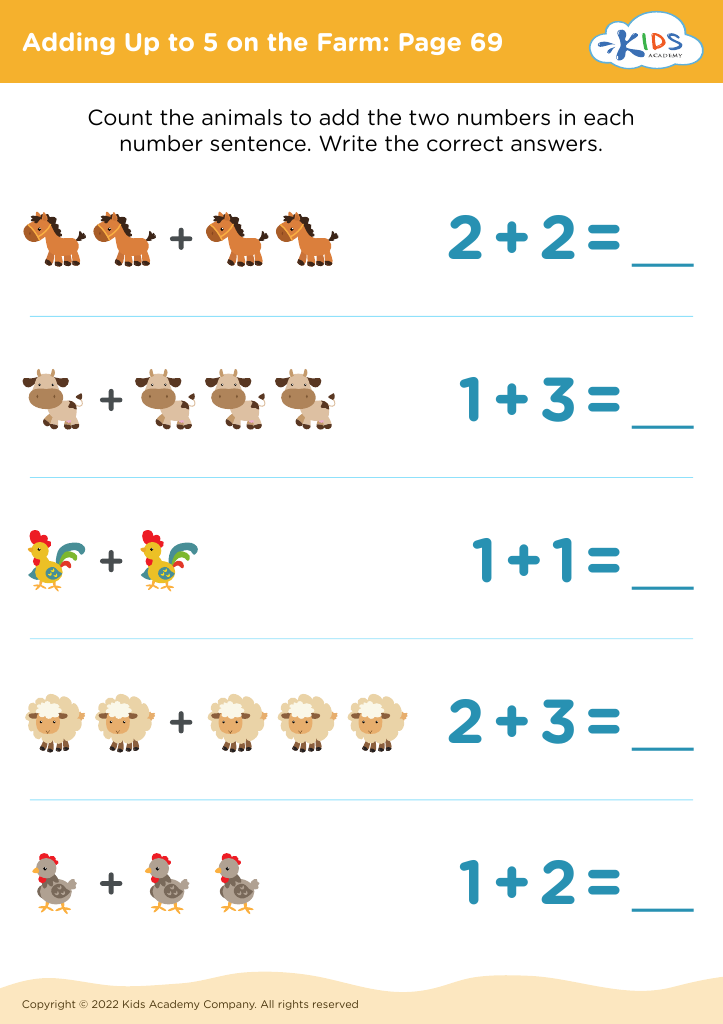
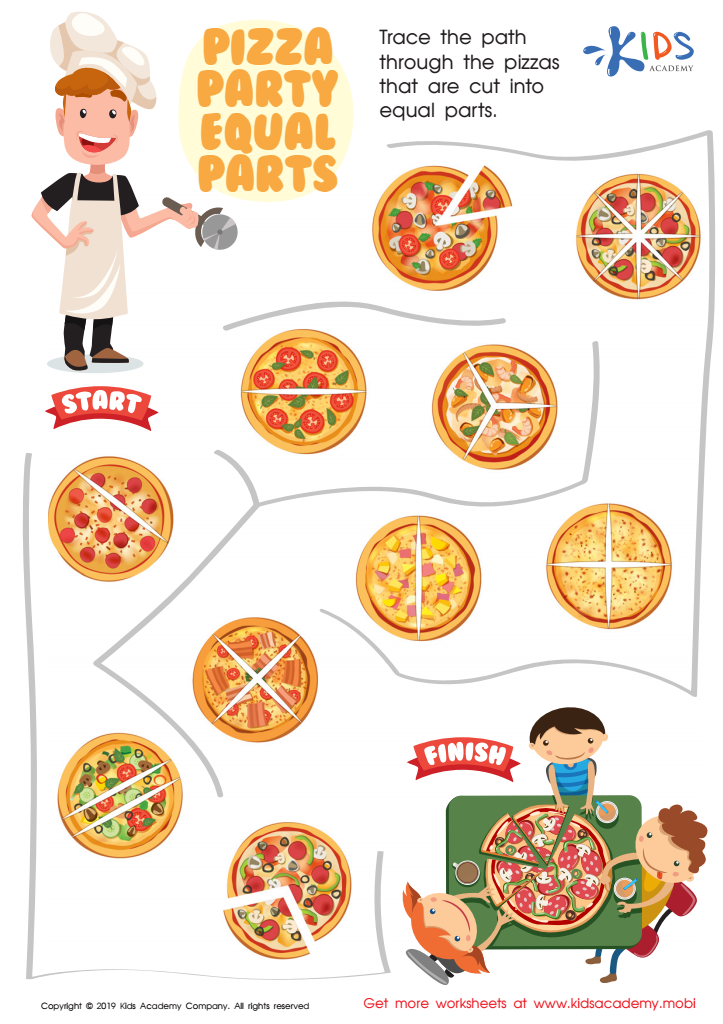
Pizza Party Equal Parts Worksheet
 Assign to My Students
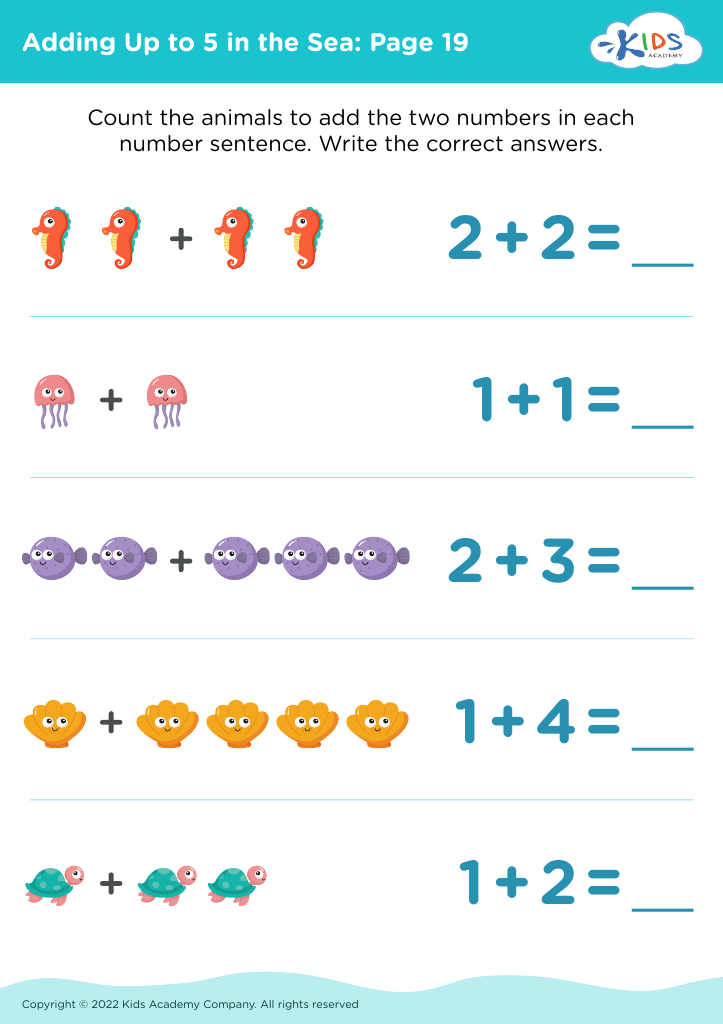
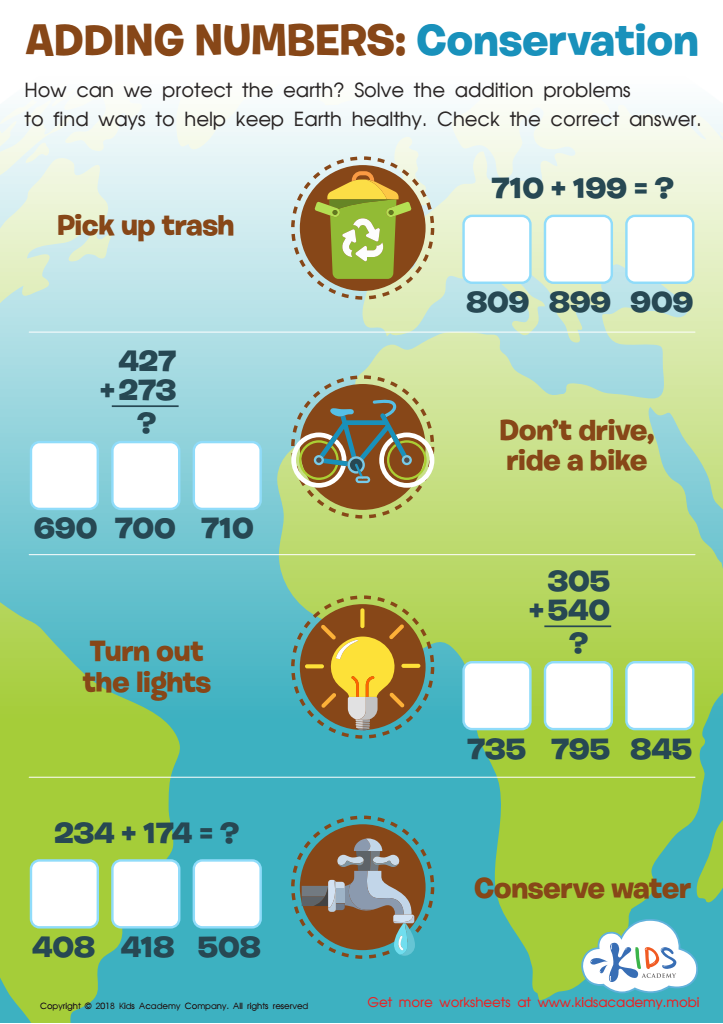
Adding Numbers: Conservation Worksheet
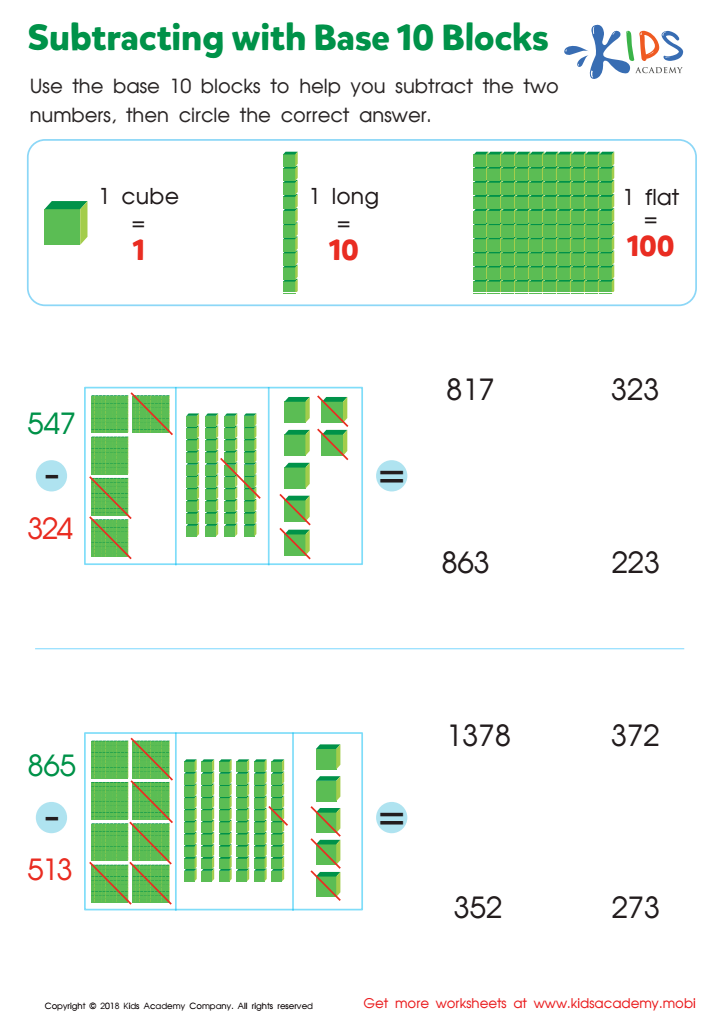
Subtracting with Base 10 Blocks Worksheet
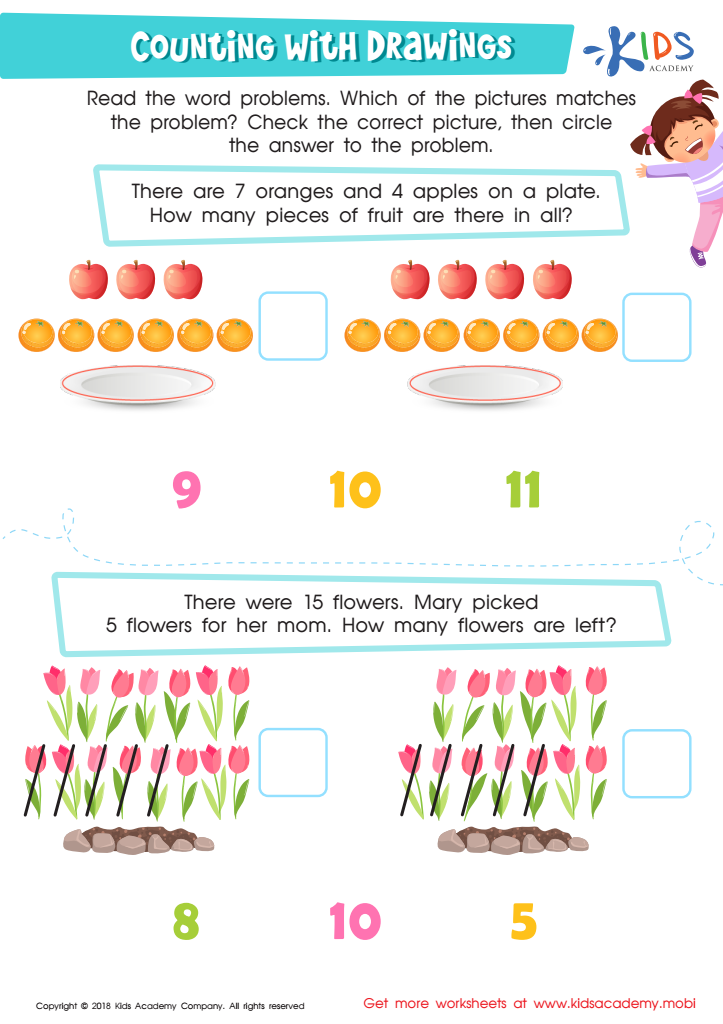
Counting with Drawings: Fruits & Chocolates Worksheet
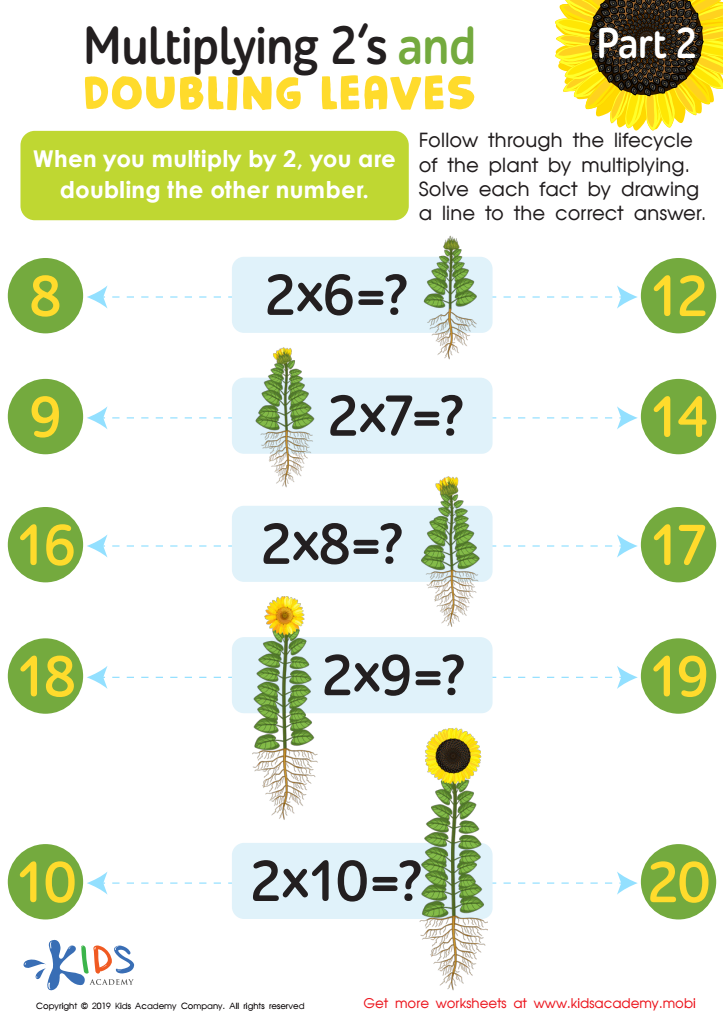
Multiplying 2’s and Doubling Leaves Part 2 Worksheet
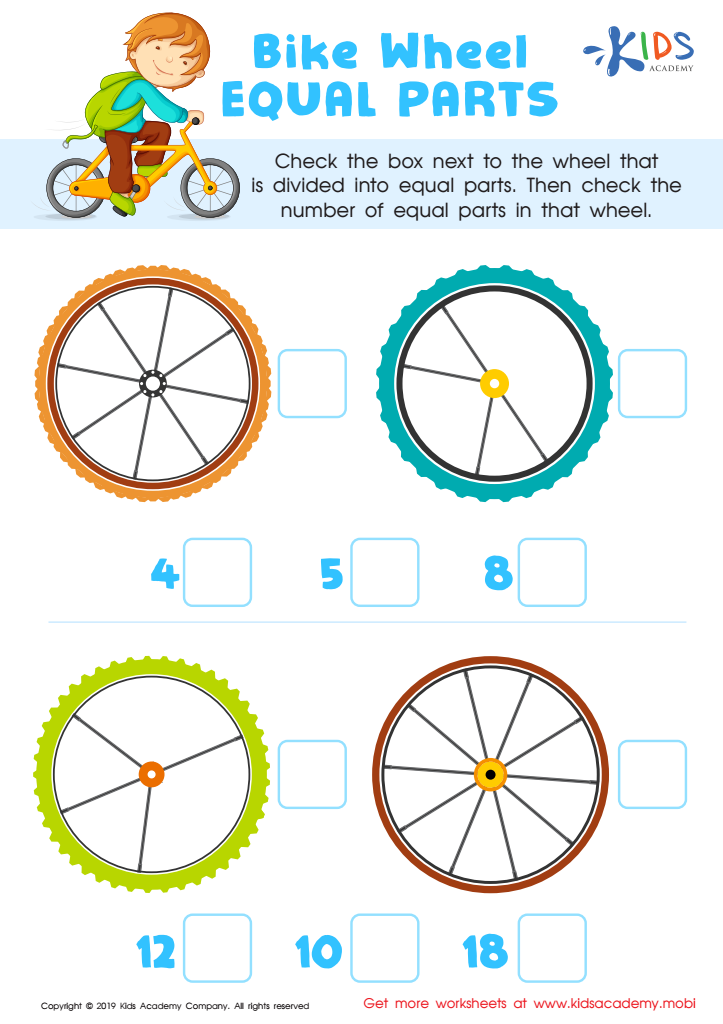
Bike Wheel Equal Parts Worksheet
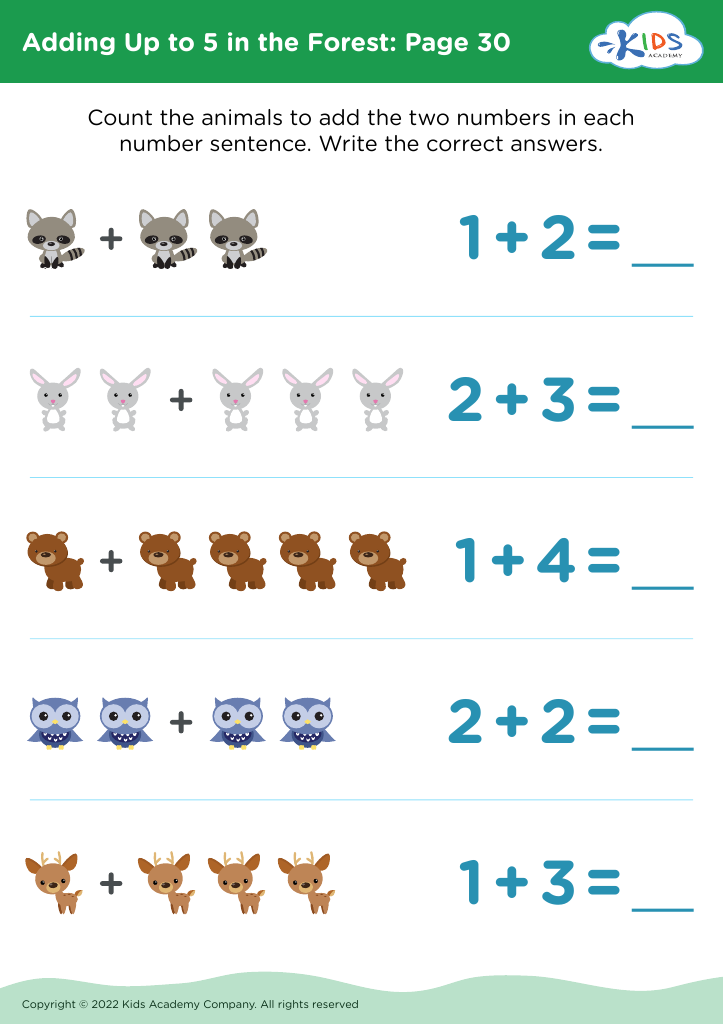
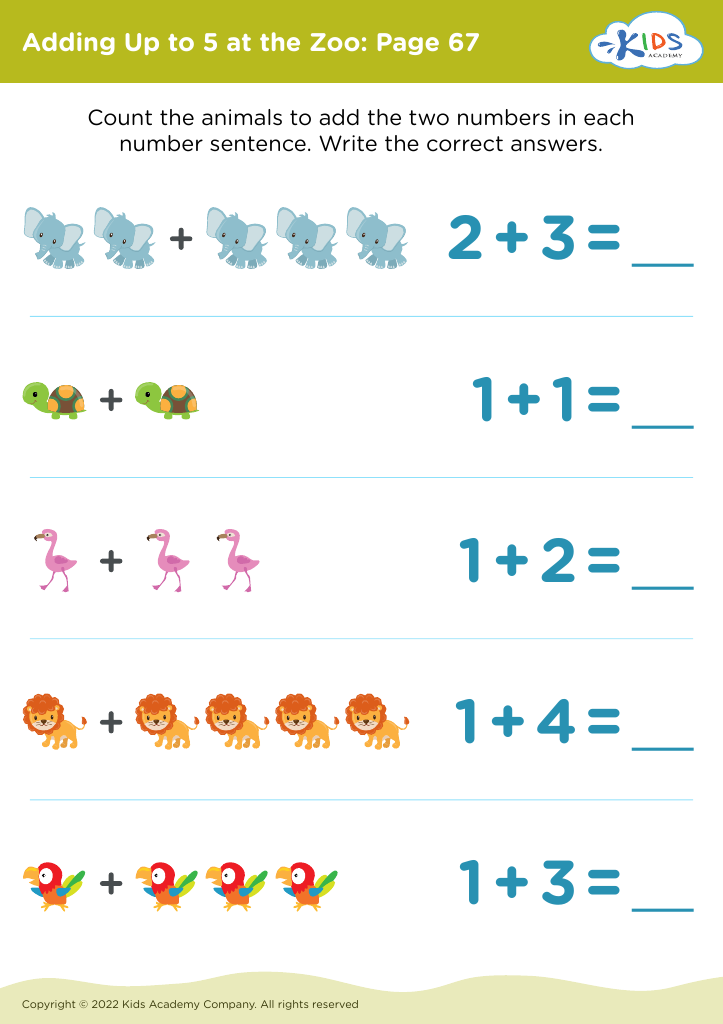
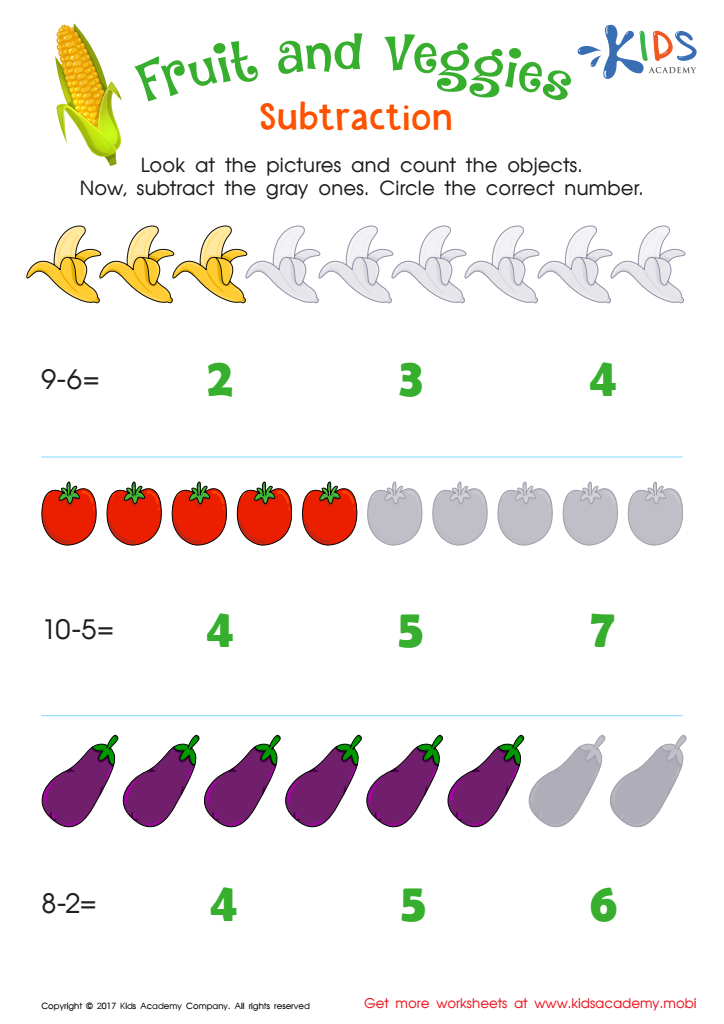
Fruit and Veggies Subtraction Worksheet








Visual learning reinforcement is a crucial aspect of education for children aged 3-9, as this age group is predominately visual learners. At this stage of development, children are naturally curious and absorb information through observation and visual cues. Utilizing visual aids, such as charts, diagrams, images, and videos, enhances understanding and retention of concepts, making learning more engaging and memorable.
Parents and teachers should prioritize visual learning reinforcement because it caters to diverse learning styles. While some children may grasp concepts quickly through traditional teaching methods, others may struggle without visual context. By incorporating visual elements, educators promote inclusivity and adapt to various needs within the classroom, fostering a more supportive learning environment.
Moreover, visual learning fosters critical thinking and creativity. By enabling children to visualize information, they can make connections between ideas, encouraging them to express thoughts innovatively. This not only aids in the comprehension of subjects like math and science but also nurtures skills necessary for problem-solving and collaboration.
Ultimately, leveraging visual learning reinforcement helps initiative and builds confidence in young learners. By embracing this approach, parents and teachers can significantly improve educational outcomes and inspire lifelong learning habits.








