Check out this FREE "Visual Learning" Trial Lesson for age 3-9!

Multiplication Facts 2

Favorites
With answer key
Interactive
  • 3-9
  • Visual Learning
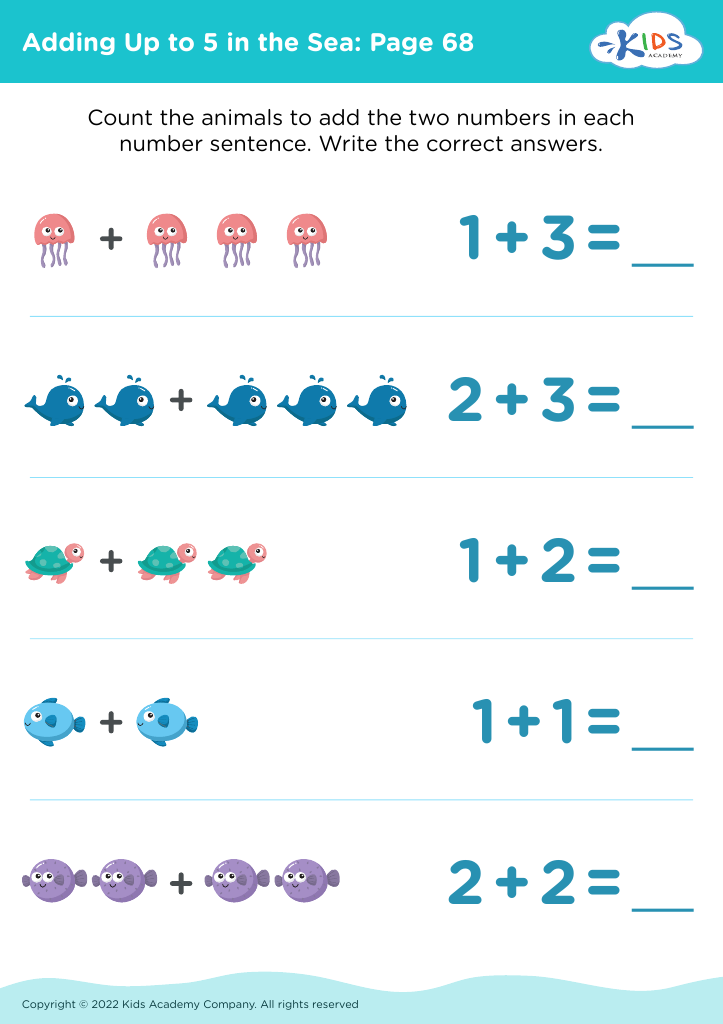
Adding Up to 5 in the Sea: Page 68
Worksheet
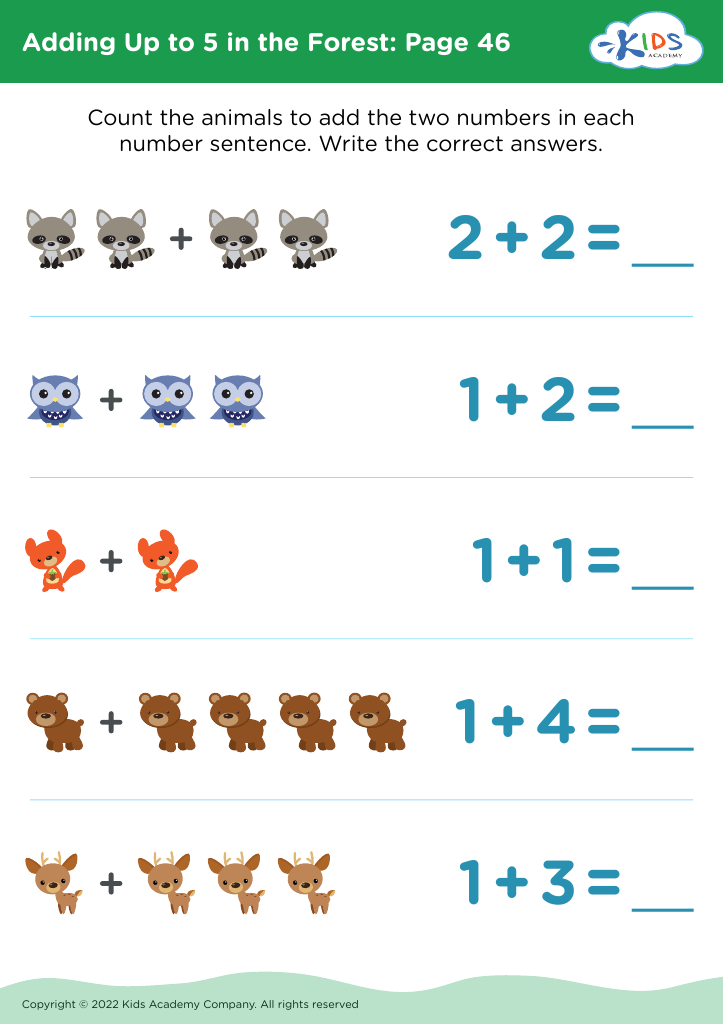
Adding Up to 5 in the Forest: Page 46
Worksheet
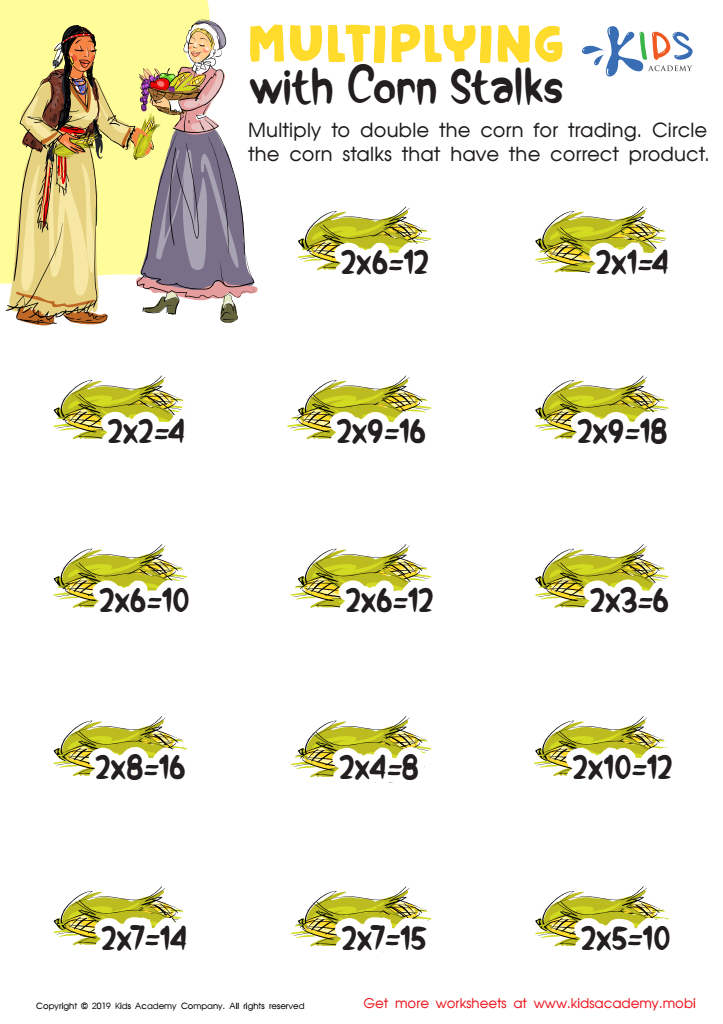
Multiplying With Corn Stalks Worksheet

Multiplying With Corn Stalks Worksheet

Farming is profitable; corn is a versatile crop used for many things. Ask your kids what products come from corn! This worksheet is a fun way to teach multiplying with corn stalks. Farmers must multiply the stalks to double their number for trading and increase their profits. Challenge your kids to circle the correct products.
Multiplying With Corn Stalks Worksheet
Worksheet
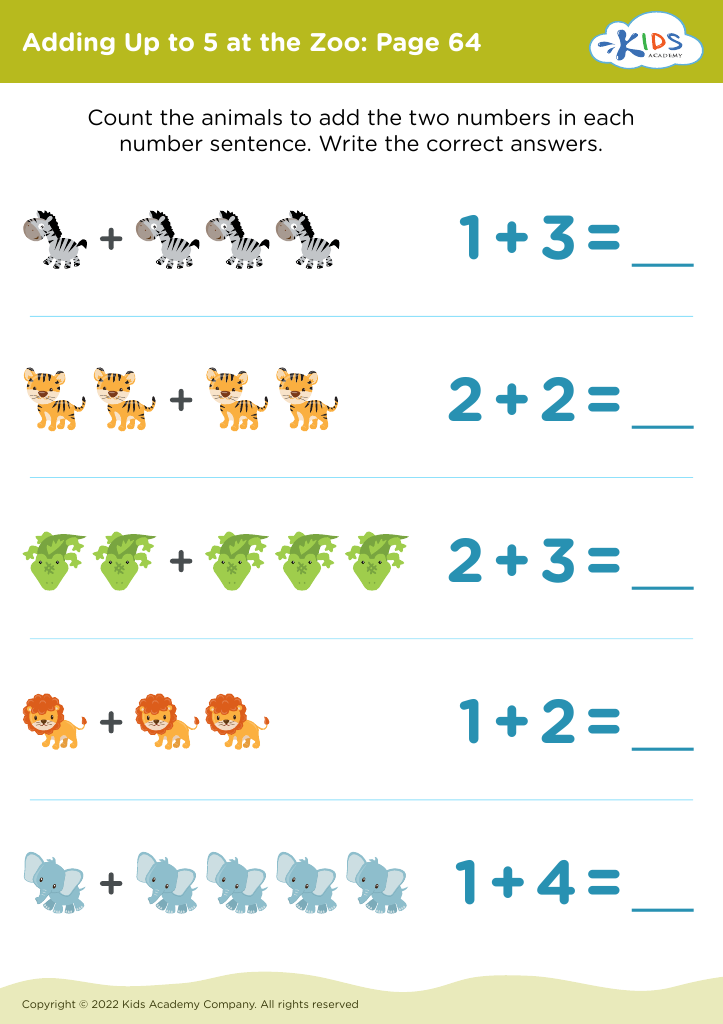
Adding Up to 5 at the Zoo: Page 64
Worksheet
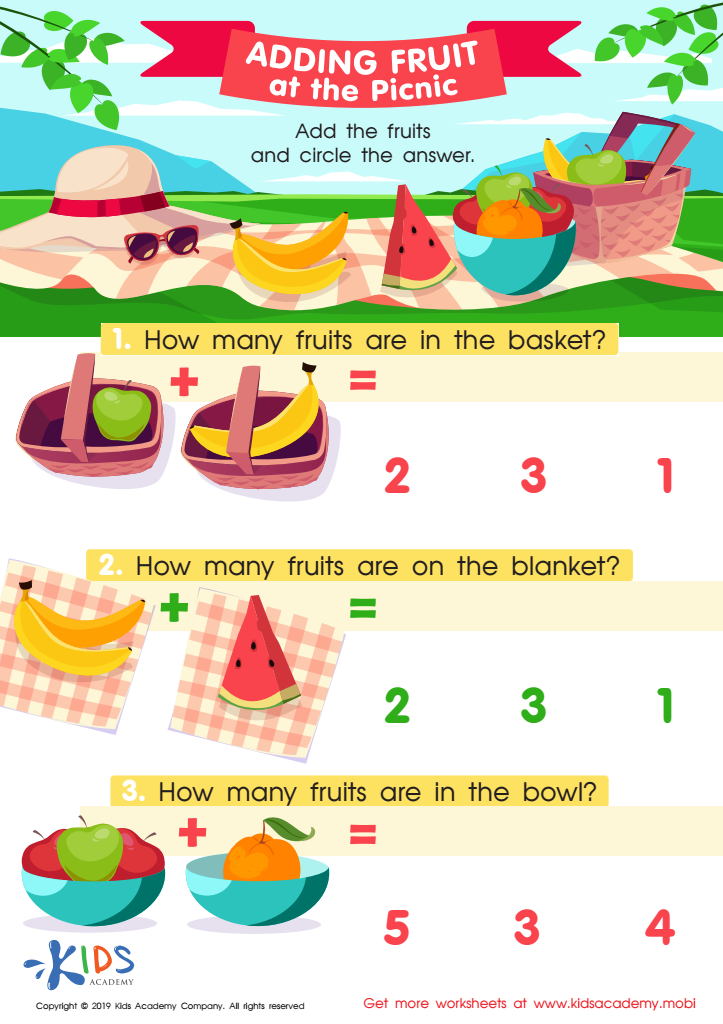
Adding Fruit at the Picnic Worksheet
Adding Fruit at the Picnic Worksheet
Picnics are a great way for the family to enjoy a fun day in the sun! Get your kids involved by having them help load the picnic basket and do this worksheet to practice their math skills while they get ready. Identify the fruits in the picture, add them up, and circle the correct answer.
Adding Fruit at the Picnic Worksheet
Worksheet
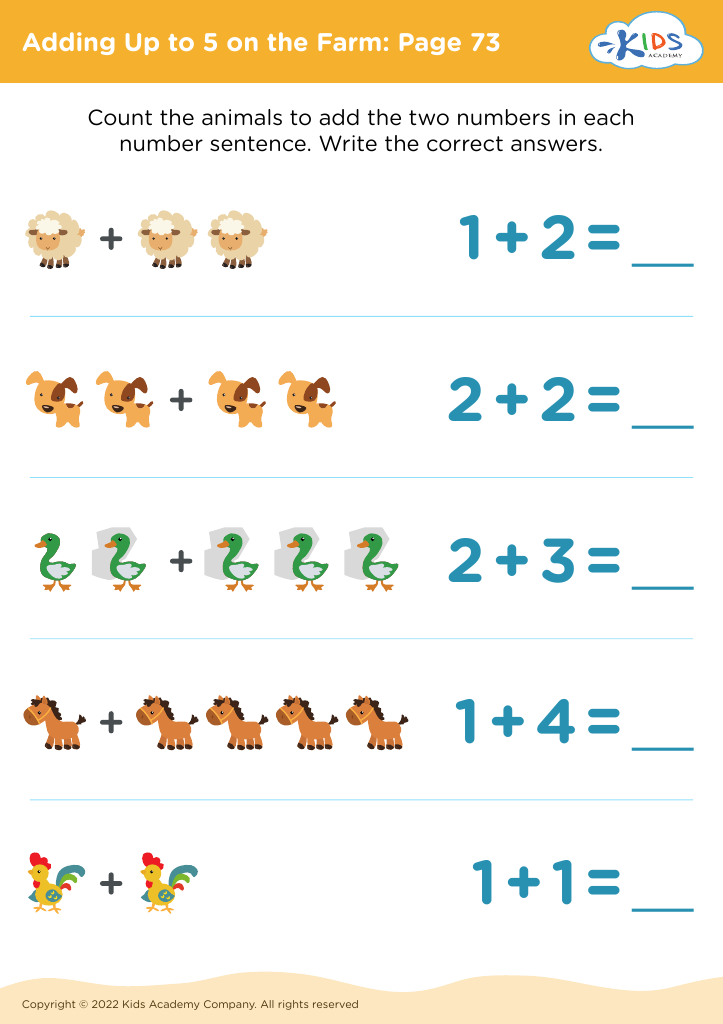
Adding Up to 5 on the Farm: Page 73
Worksheet
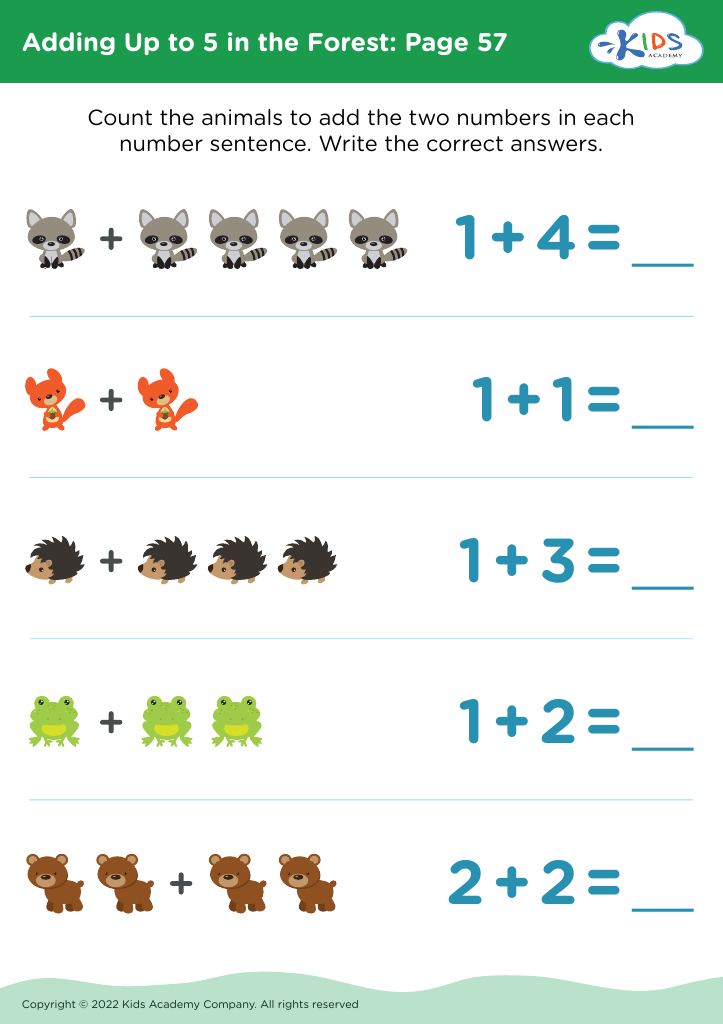
Adding Up to 5 in the Forest: Page 57
Worksheet
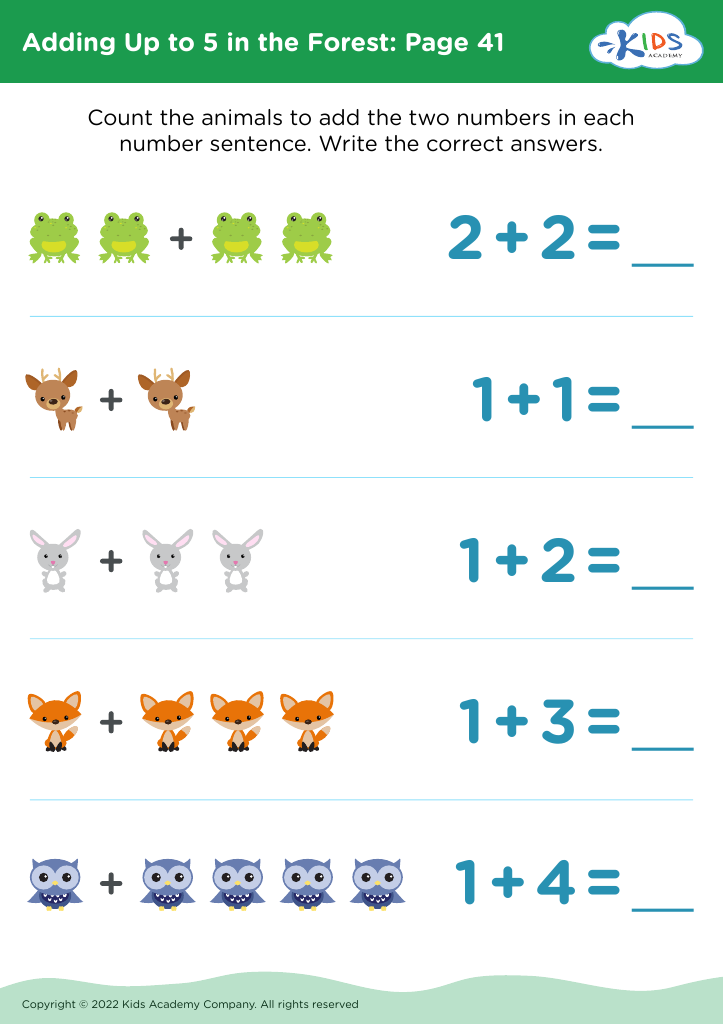
Adding Up to 5 in the Forest: Page 41
Worksheet
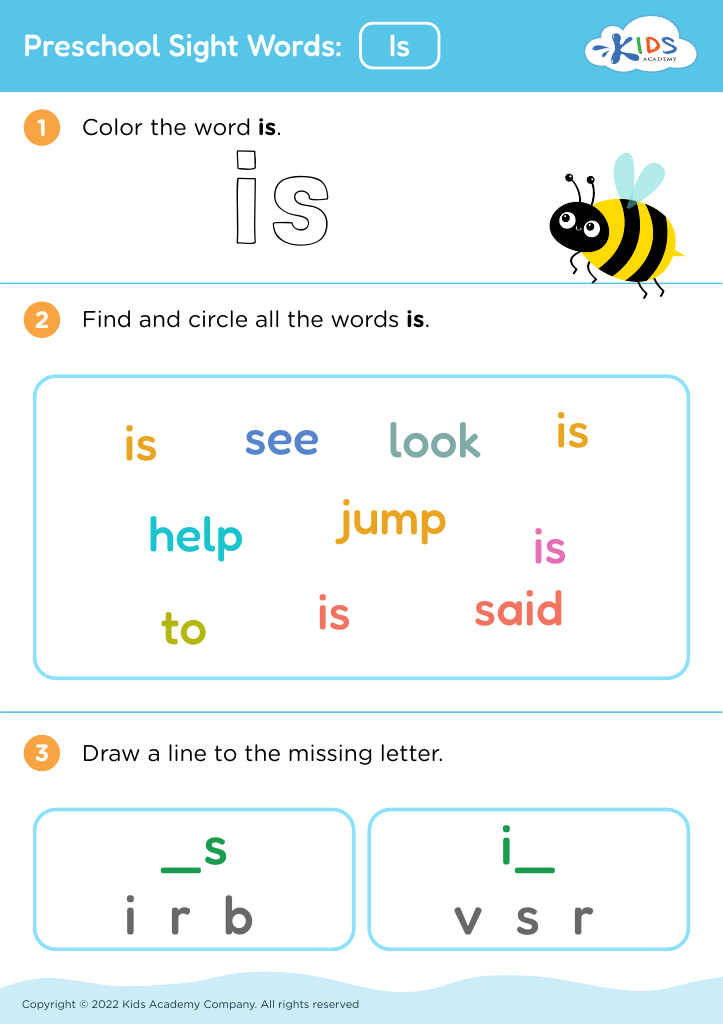
Preschool Sight Words: Is

Preschool Sight Words: Is

Preschool Sight Words: Is
Worksheet


... 4 5

Visual learning is crucial for children aged 3-9 as it significantly impacts their cognitive and social development. At this formative stage, children are inherently curious and learn best through engaging experiences that stimulate their senses. Visual learning caters to this by incorporating images, drawings, charts, and videos, making learning more accessible and enjoyable.

For parents and teachers, understanding the benefits of visual learning can enhance teaching strategies and learning outcomes. Visual aids help children retain information better, as they can connect new concepts to familiar images and experiences. This multimodal approach not only fosters comprehension but also nurtures critical thinking and problem-solving skills.

Moreover, visual learning supports diverse learning styles. Some children may struggle with traditional text-based learning, leading to frustration or disengagement. By utilizing visual methods, educators can create inclusive environments that cater to various learners, ensuring that every child can thrive.

Additionally, engaging visual content can spark creativity and encourage collaboration among peers. As children work together on visually stimulating projects, they develop essential social skills and emotional intelligence. In essence, prioritizing visual learning is not just beneficial but vital for empowering young learners to become confident and capable individuals.