Visual perception Worksheets for Ages 3-9 - Page 2
63 filtered results
-
From - To
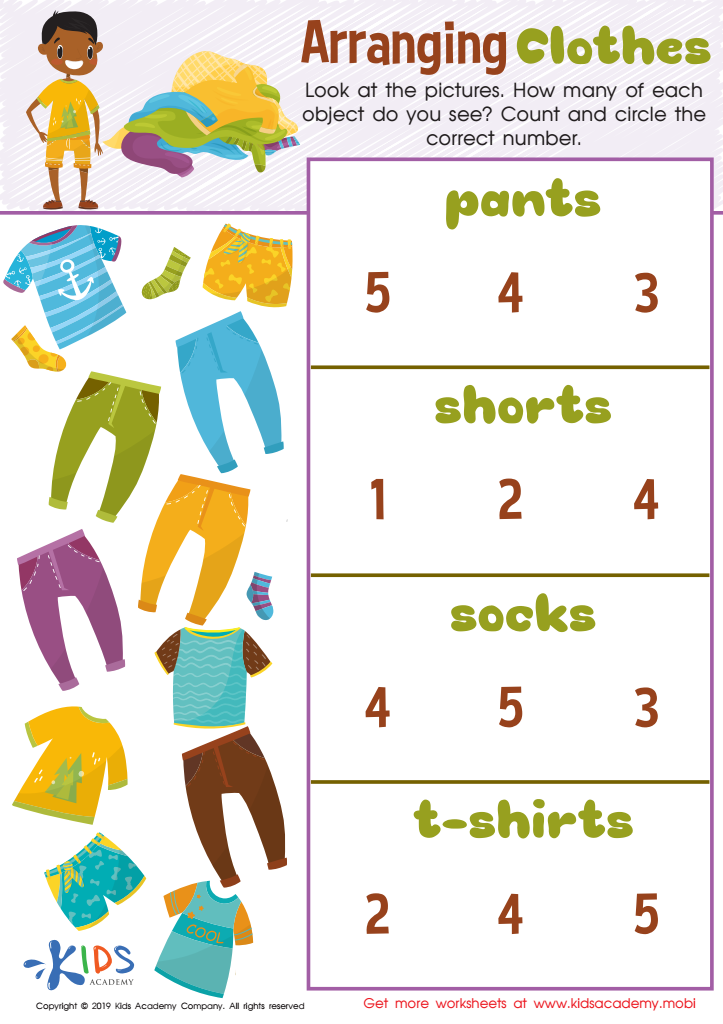
Arranging Clothes Worksheet
 Assign to My Students
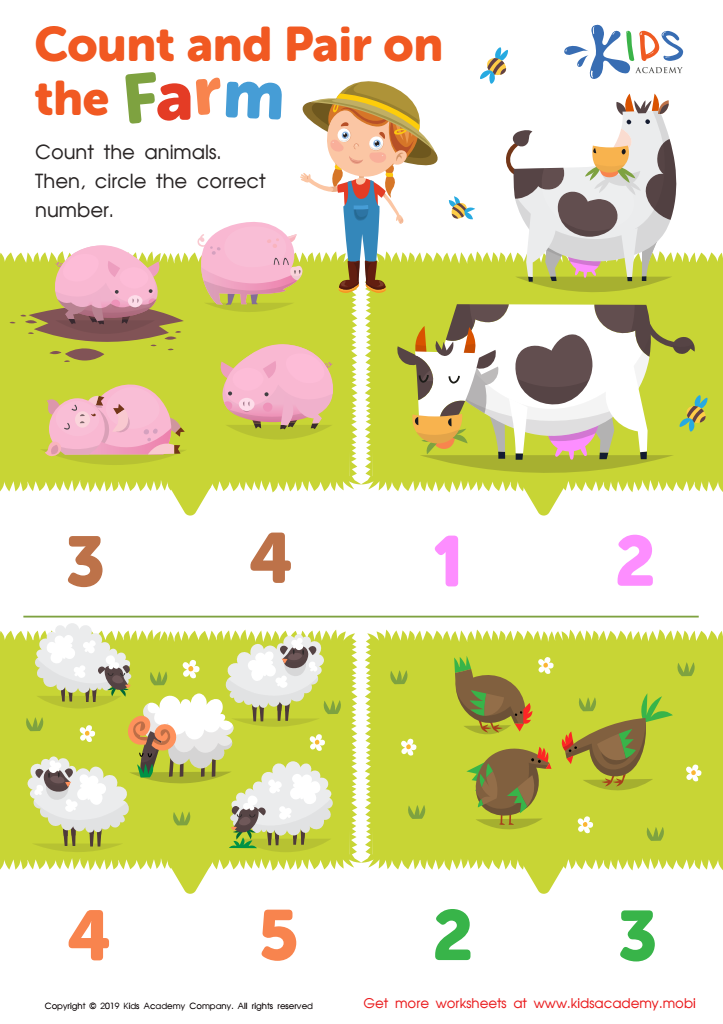
Count and Pair on the Farm Worksheet
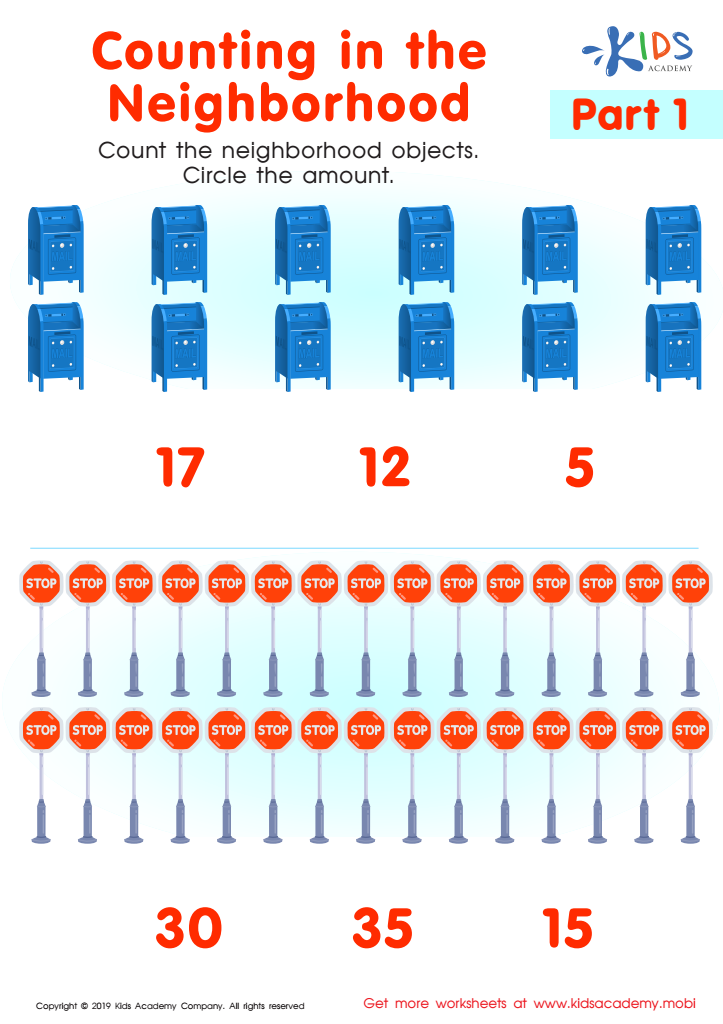
Counting in the Neighborhood Part1 Worksheet
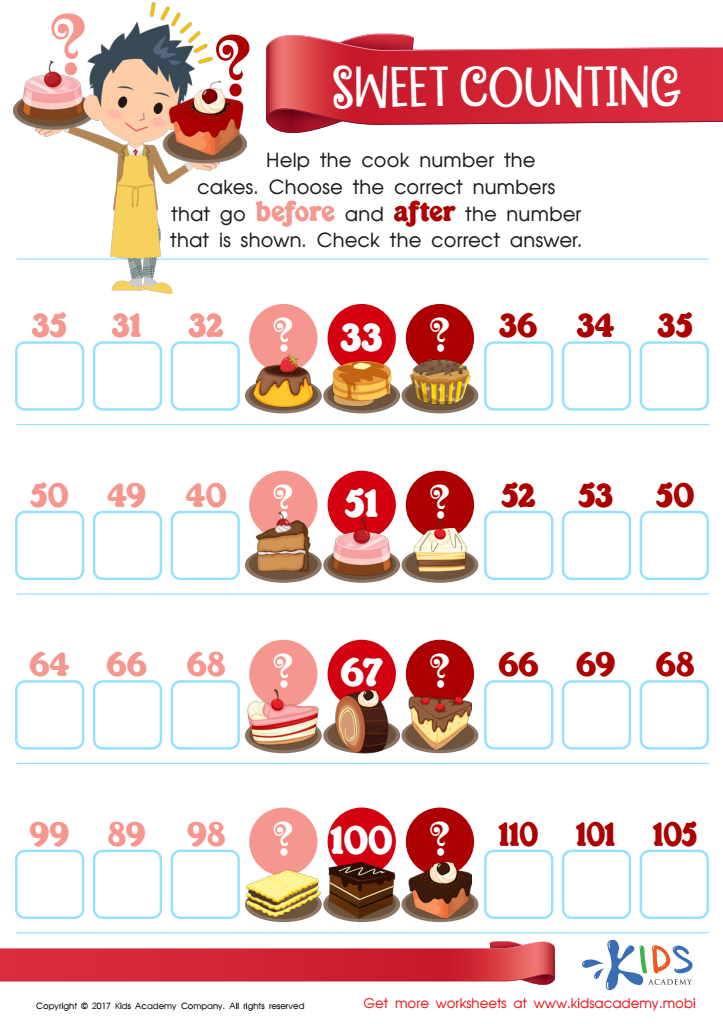
Sweet Counting - Part 1 Worksheet
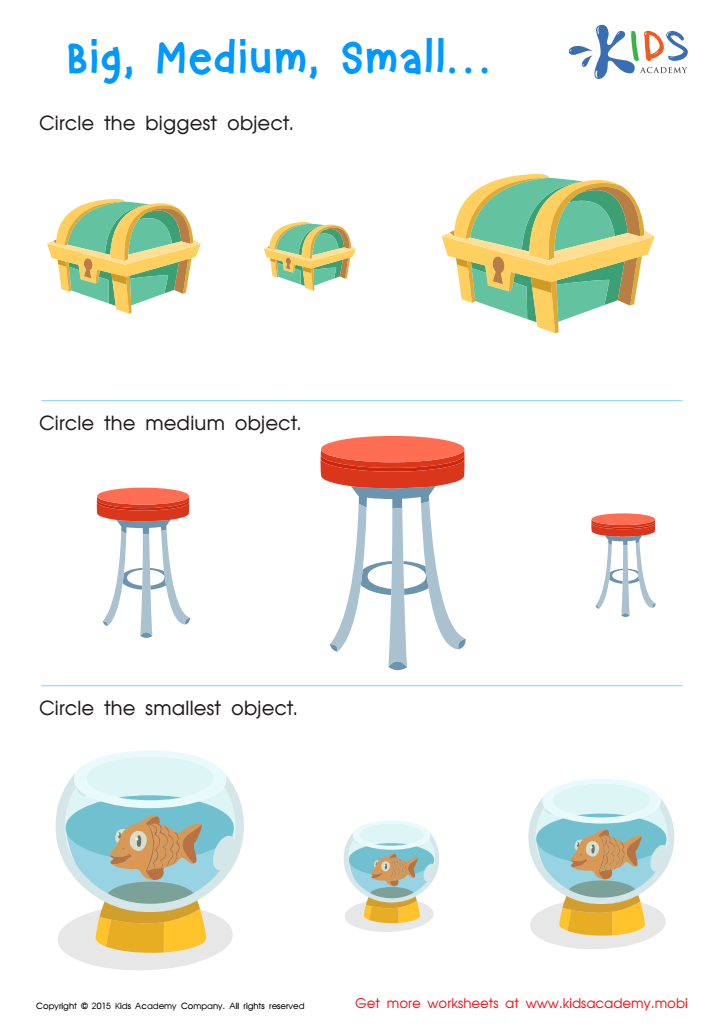
Big Medium Small Worksheet
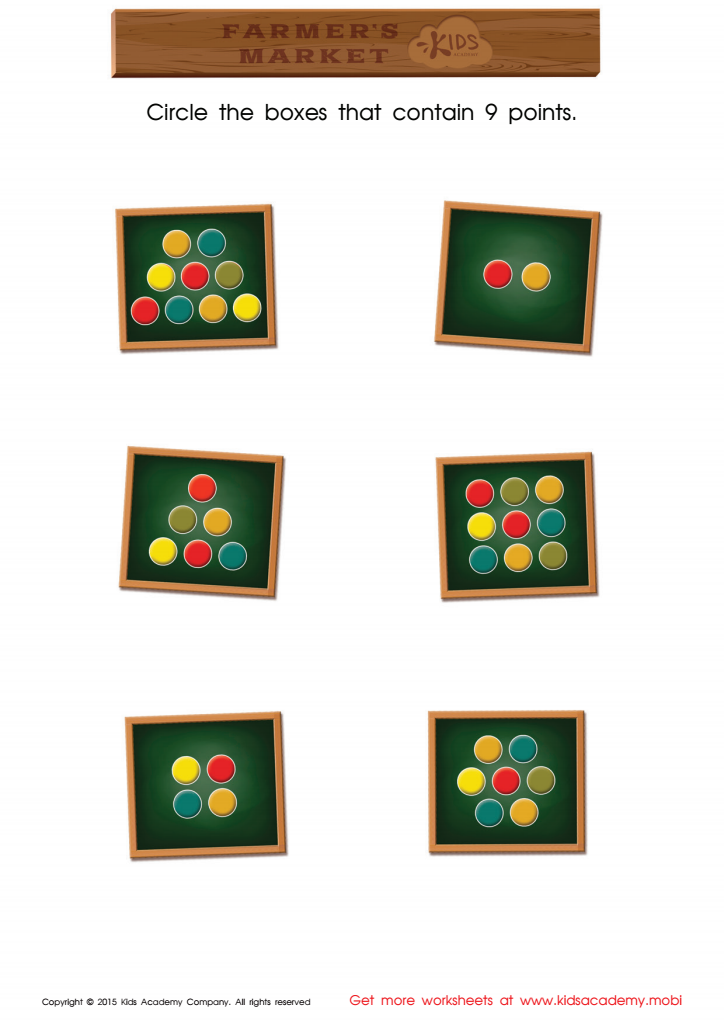
Count and Match Points 9 Math Worksheet
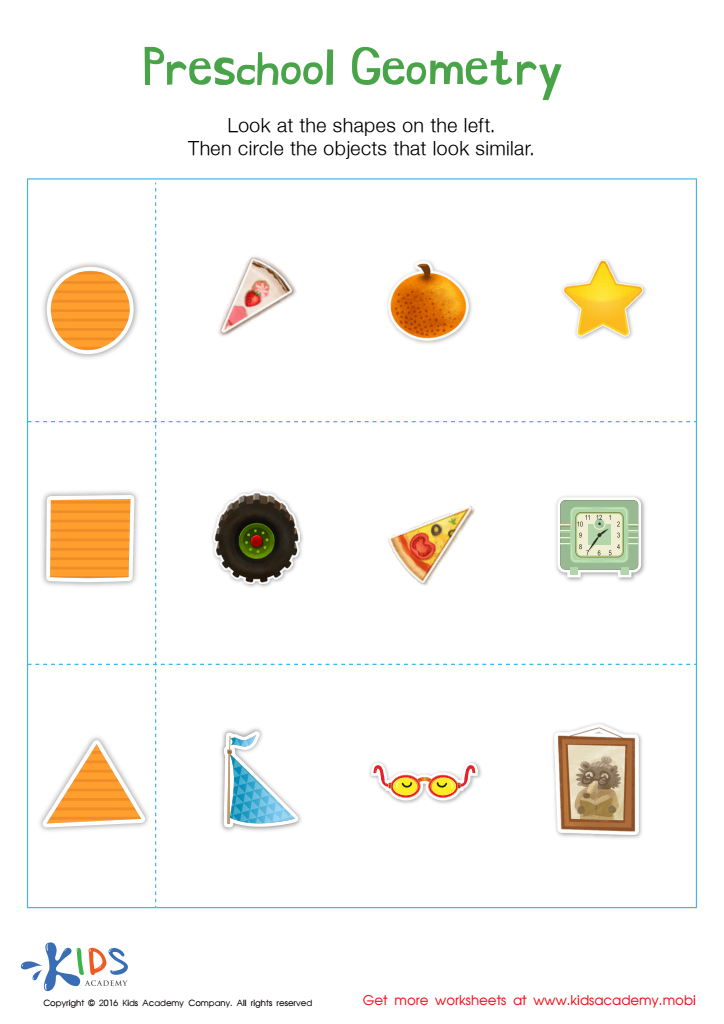
Preschool Geometry Match Up Worksheet
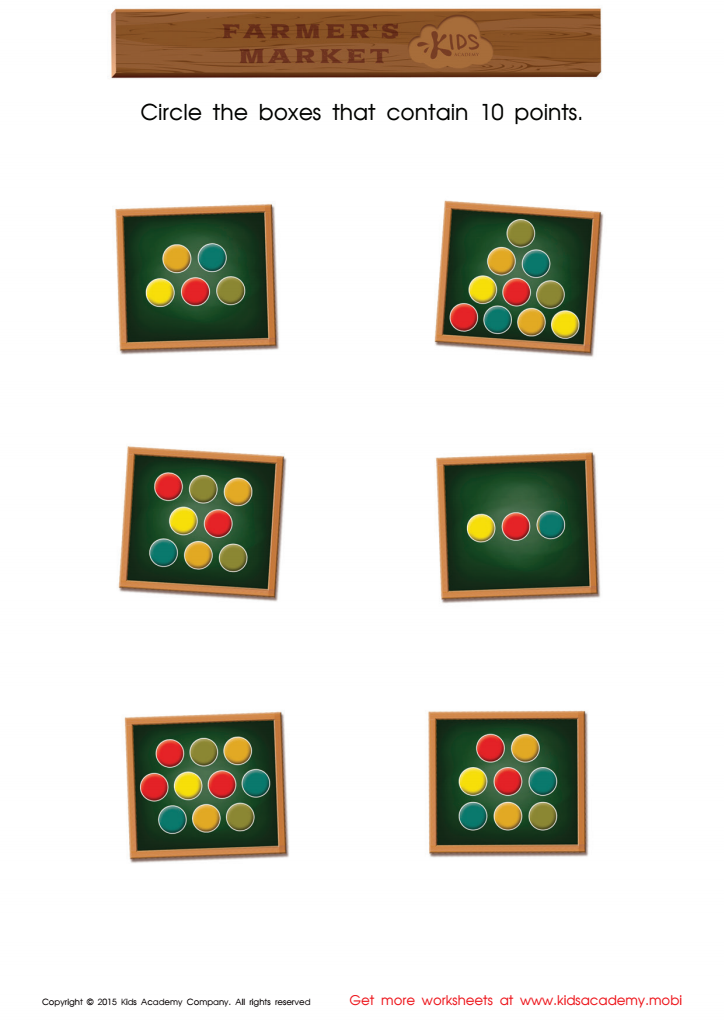
Count and Match Points 10 Math Worksheet
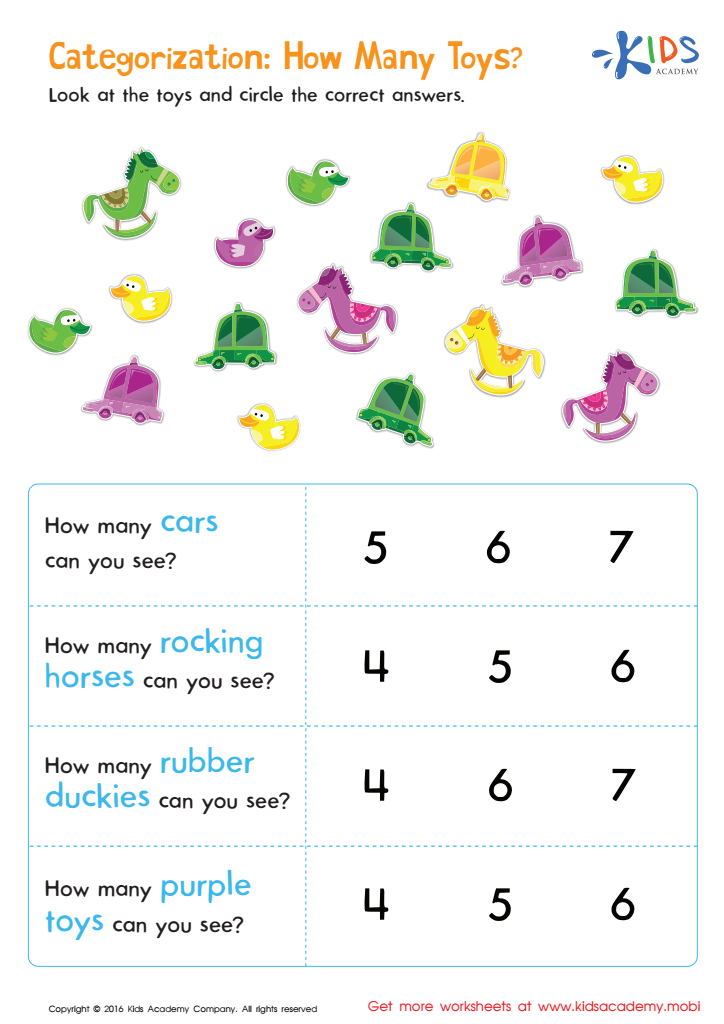
Classifying Toys by Type and Color Sorting Worksheet
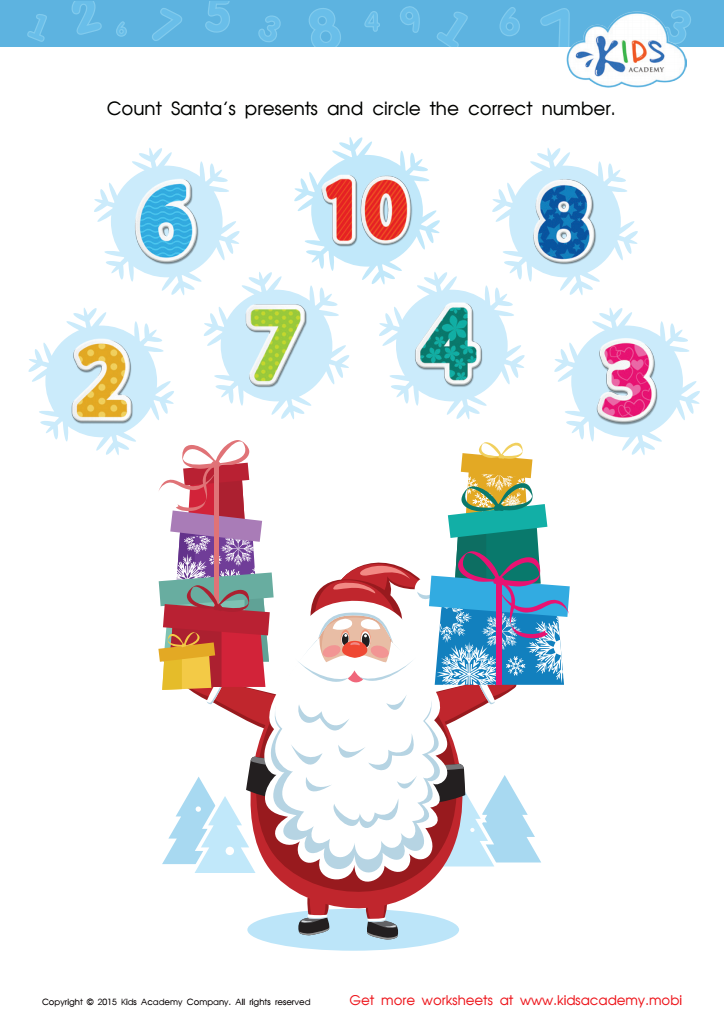
Count Santa's Presents Worksheet
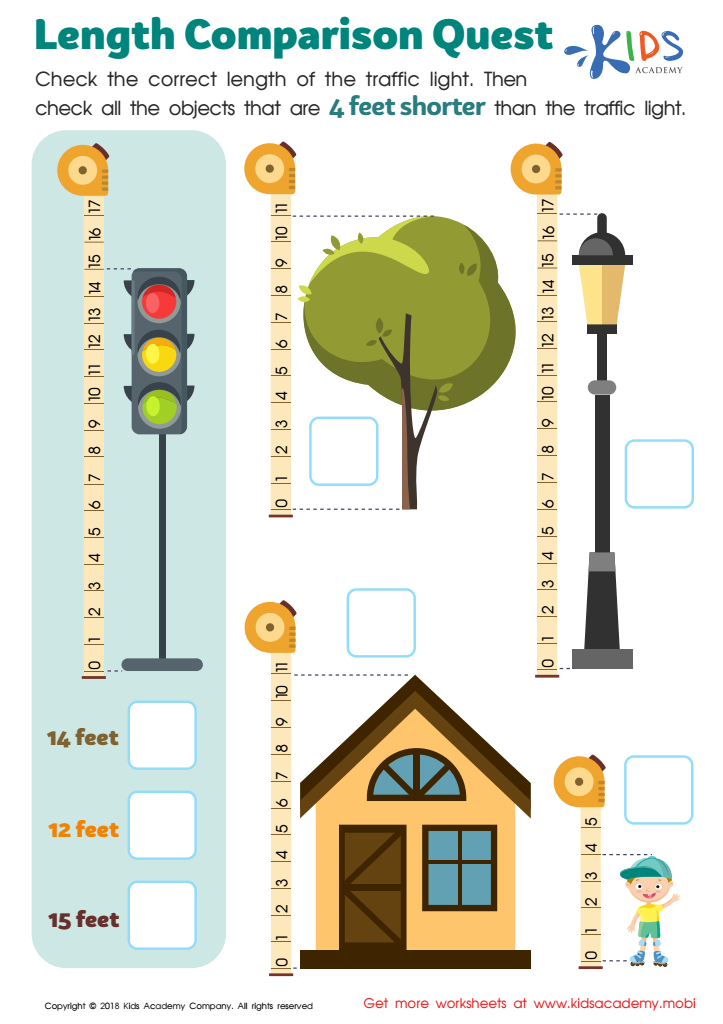
Length Comparison Quest Worksheet
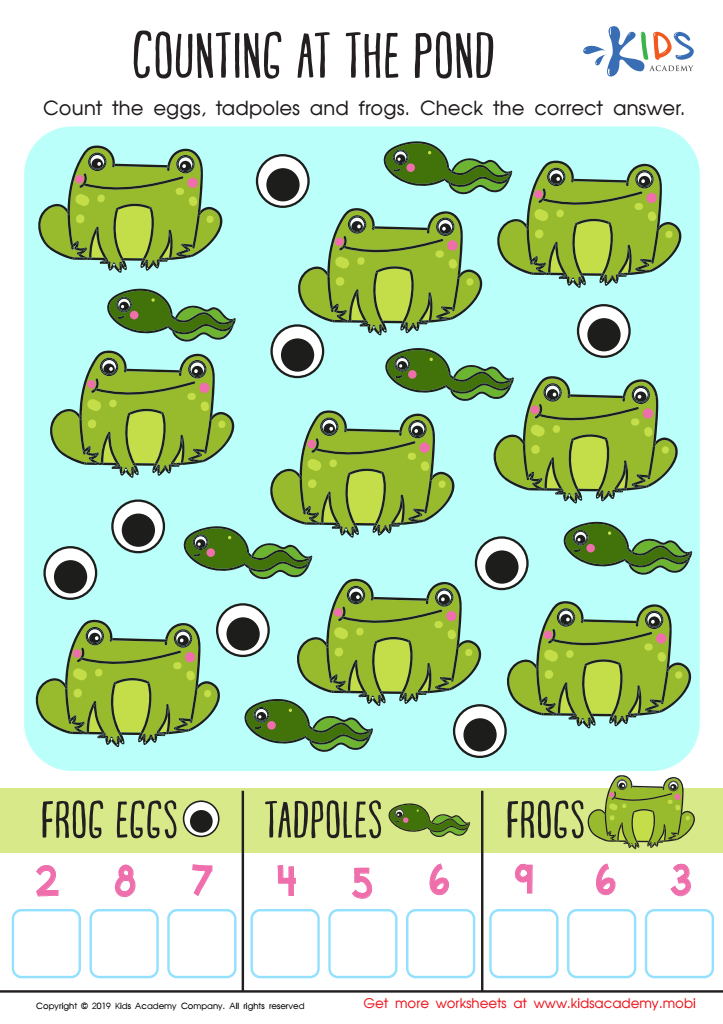
Counting at the Pond Worksheet
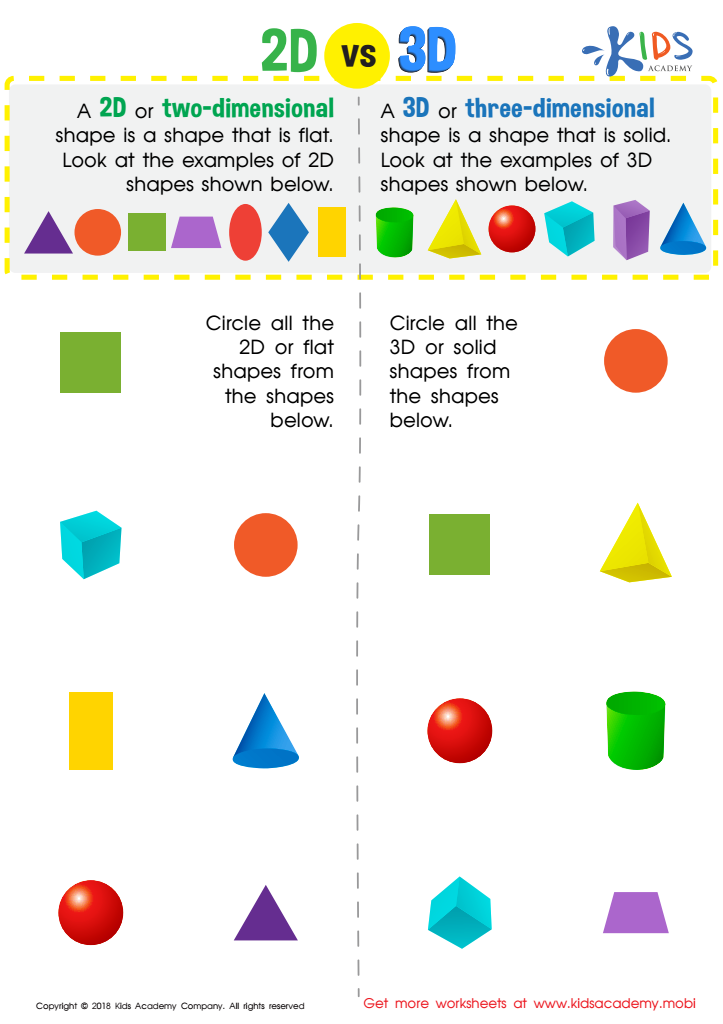
2D vs 3D Shapes Worksheet
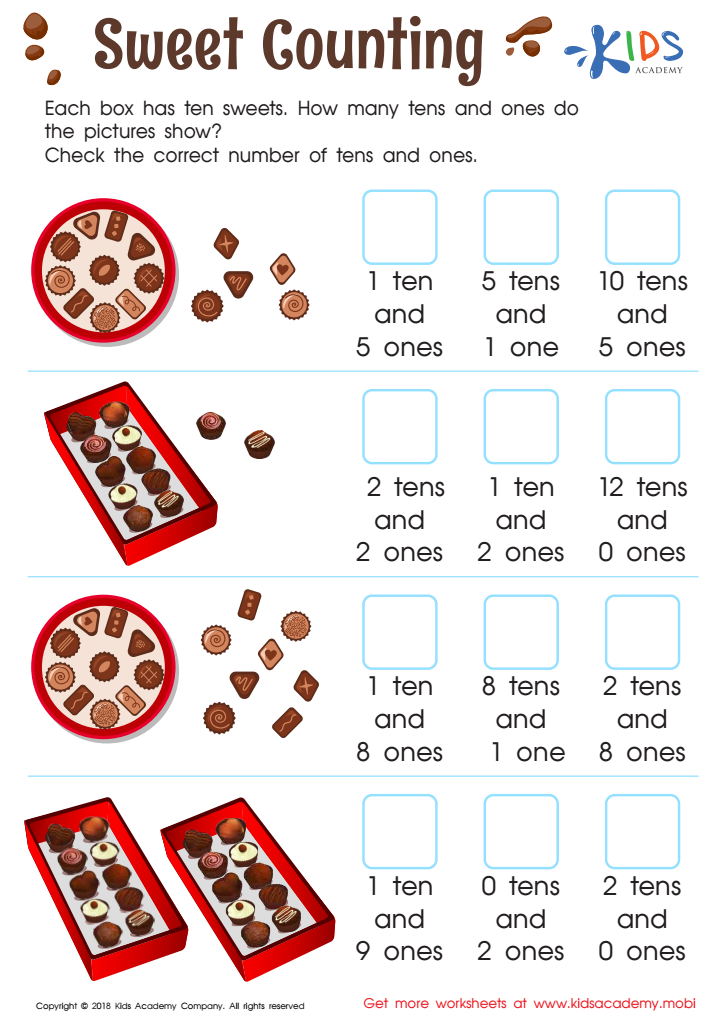
Sweet Counting - Part 2 Worksheet
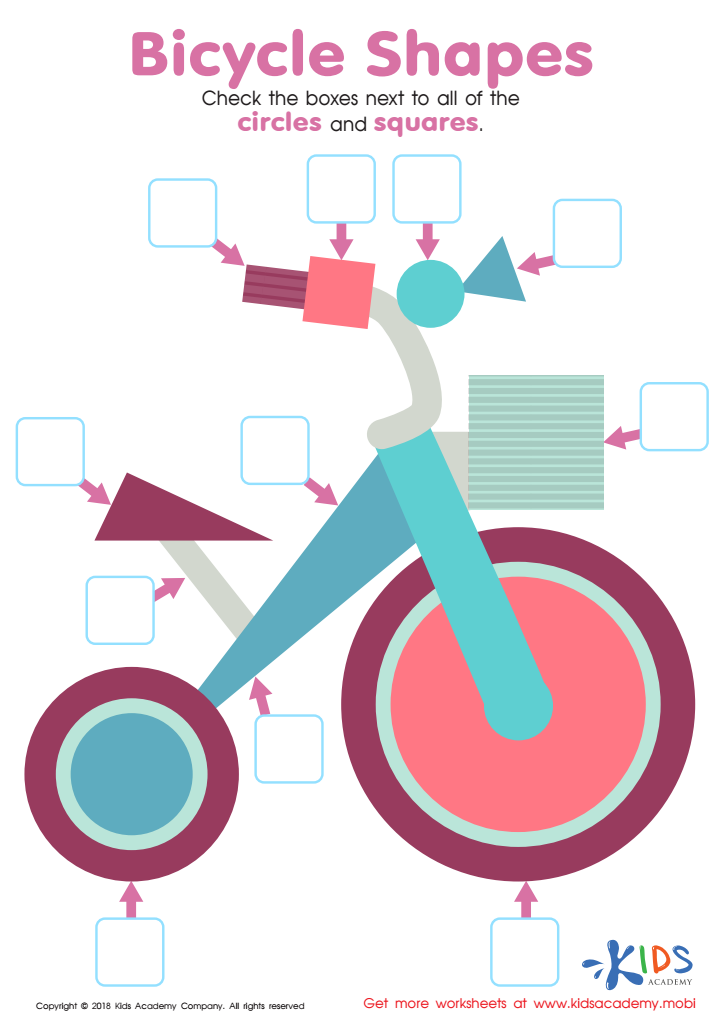
Bicycle Shapes Worksheet
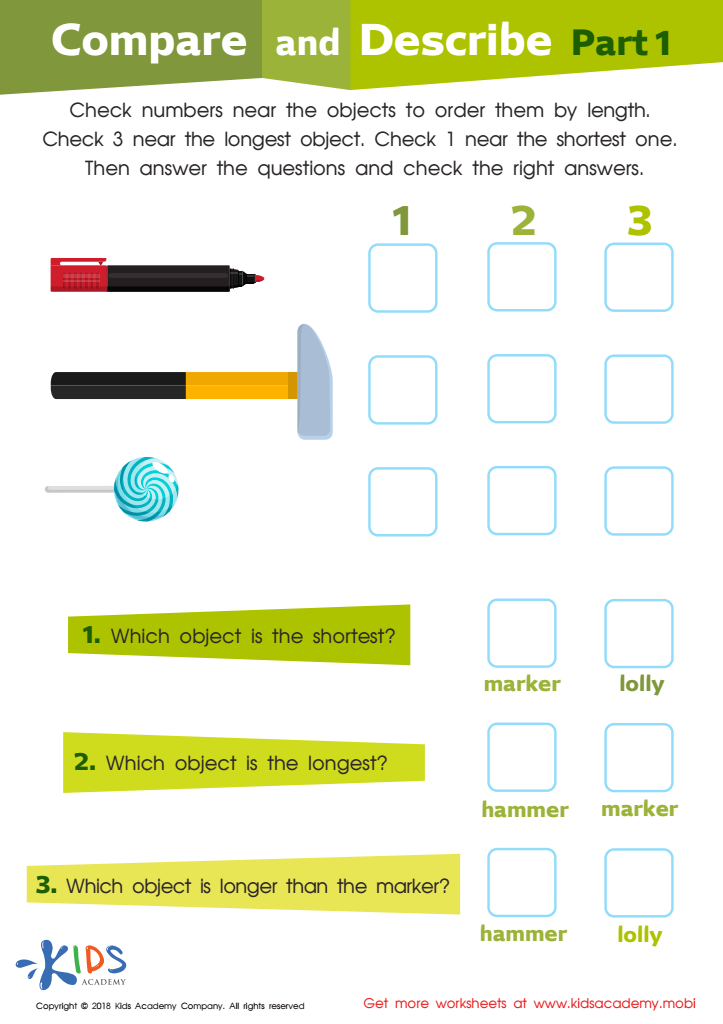
Compare and Describe: Part 1 Worksheet
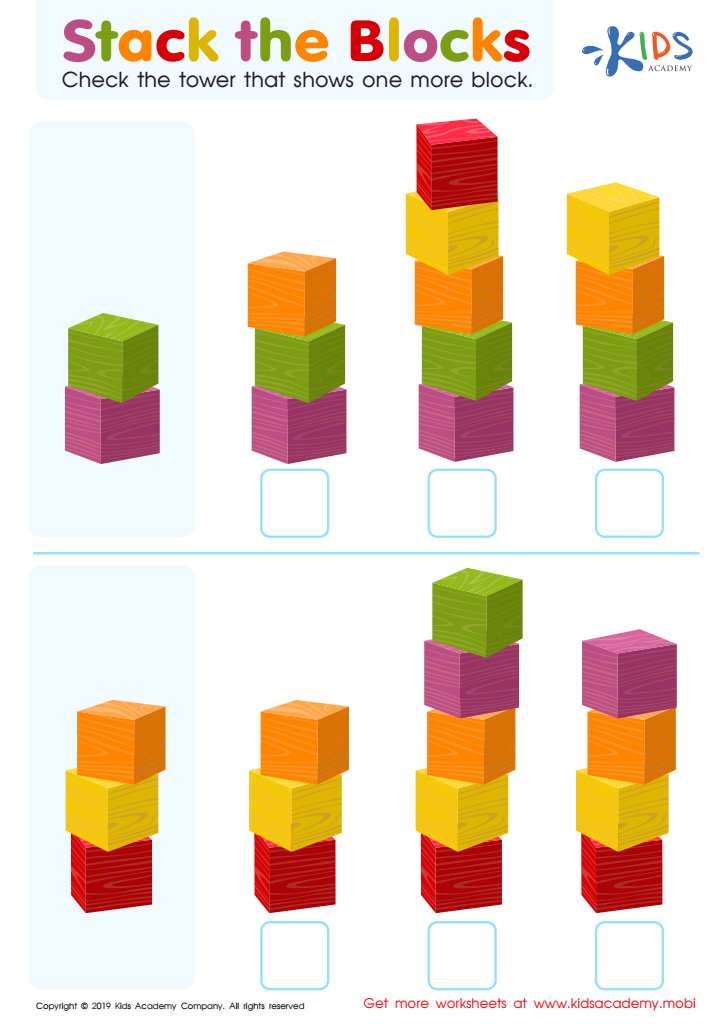
Stack the Blocks Worksheet
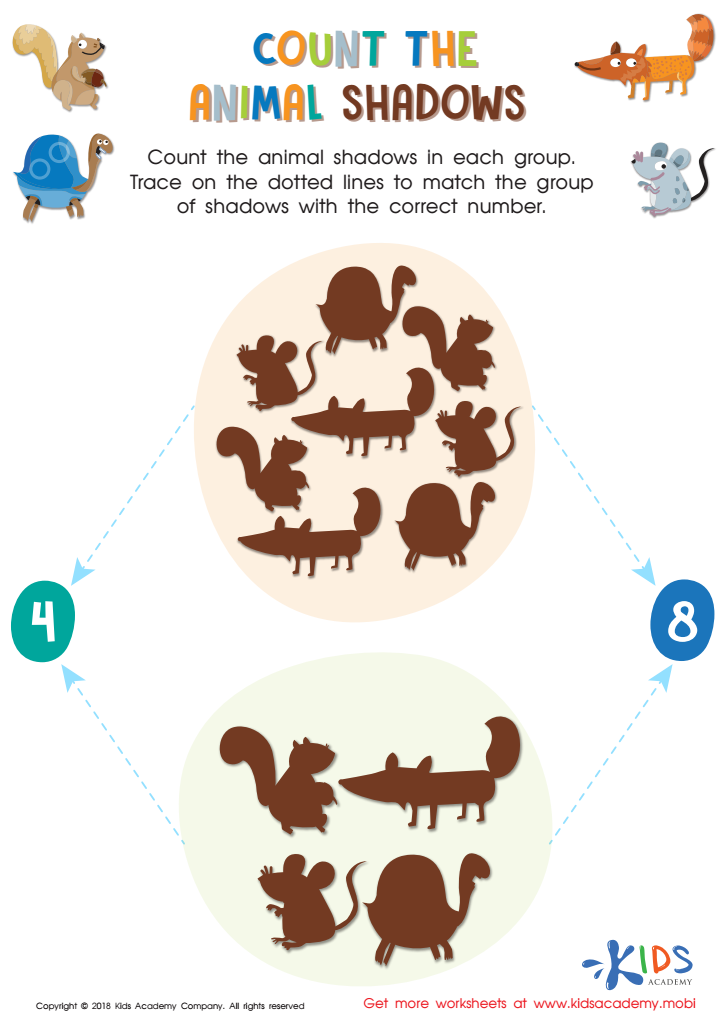
Count the Animal Shadows Worksheet
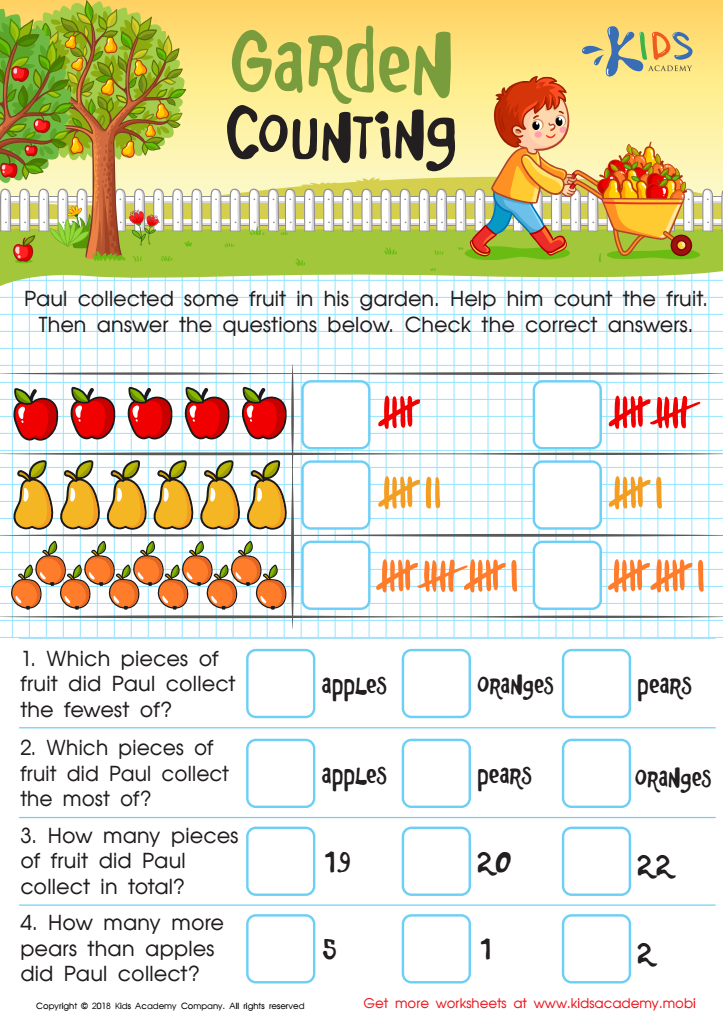
Garden Counting Worksheet
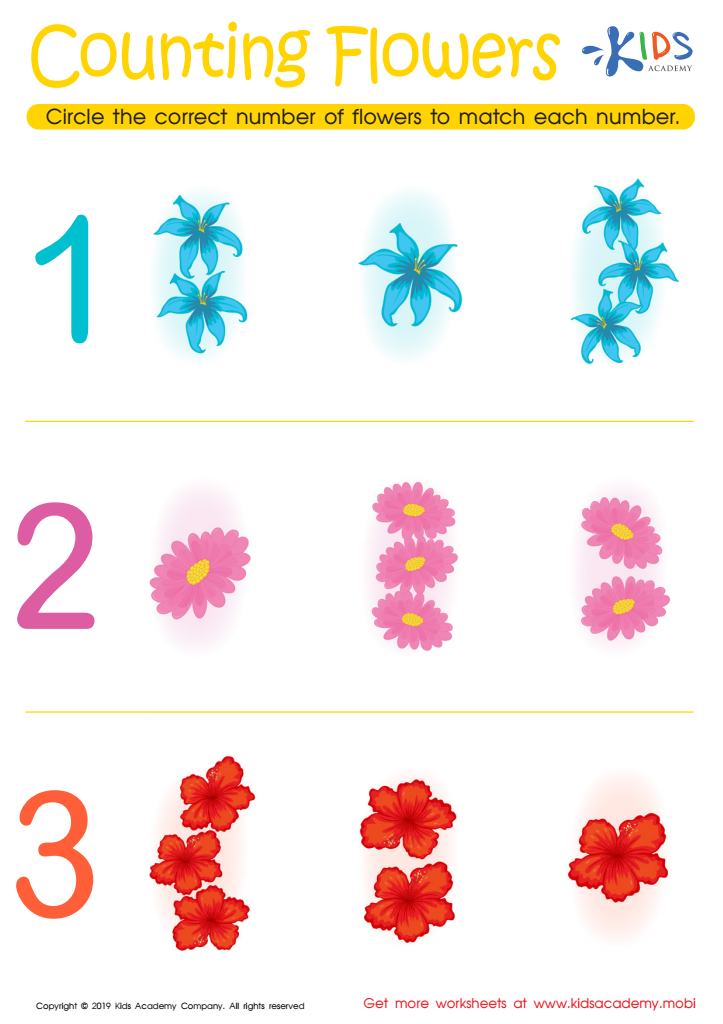
Counting Flowers Worksheet
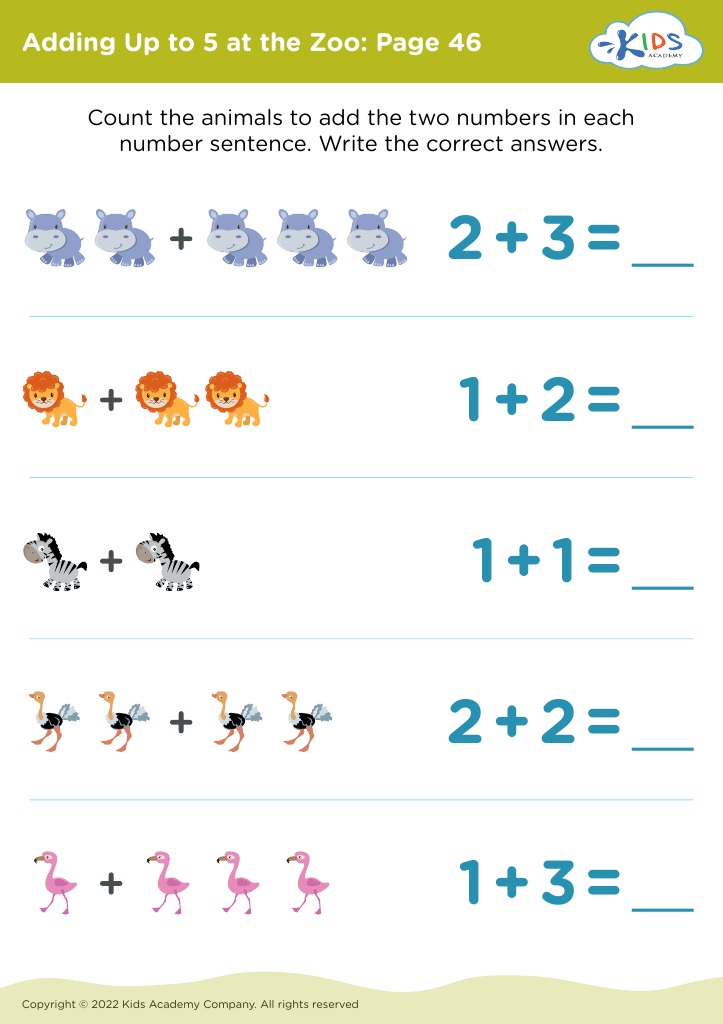
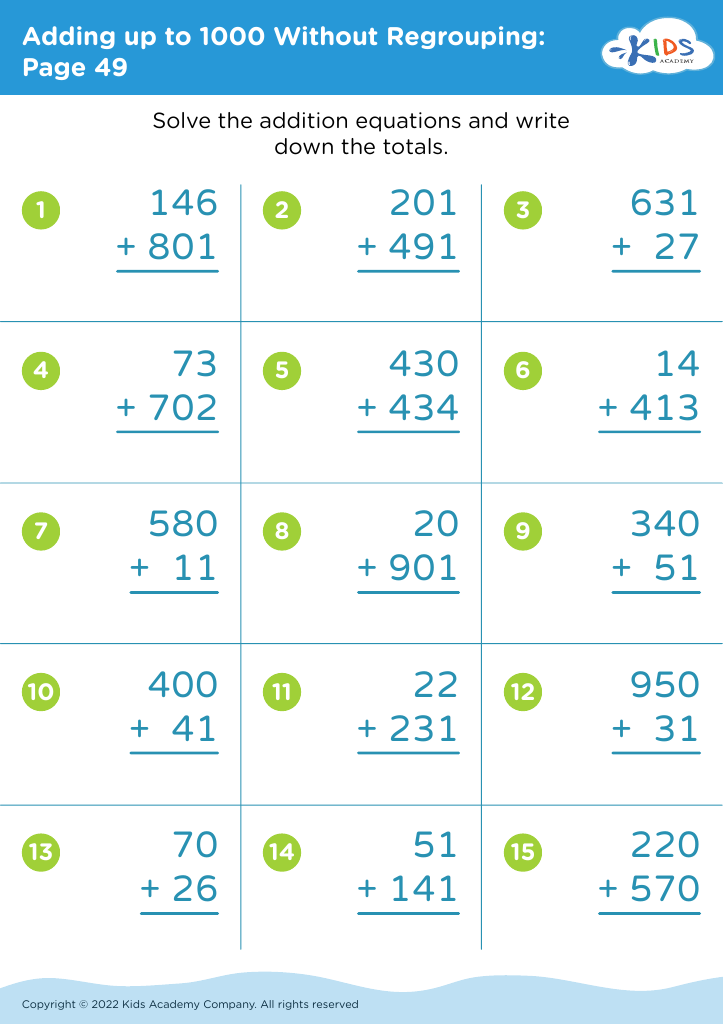








Visual perception is a critical aspect of child development, particularly for children aged 3-9, as it directly influences their learning, cognitive skills, and everyday functioning. Parents and teachers should prioritize visual perception because it encompasses the ability to interpret and make sense of what is seen. This foundational skill impacts a child's ability to recognize letters and numbers, which are essential for reading and math, as well as understanding spatial relationships that aid in navigation and coordination.
Moreover, strong visual perception skills enhance a child’s ability to focus and concentrate, which is crucial in a classroom setting. For young children, activities that strengthen these skills, such as puzzles, coloring, and shape recognition, play a pivotal role in preparing them for academic success. Furthermore, visual perception supports social interactions, as children use these skills to recognize emotions and body language in peers and adults.
In essence, nurturing visual perception fosters overall development, laying the groundwork for lifelong learning and social connection. Attention to this vital area helps children not just academically, but also in building confidence and independence as they navigate their environments. For these reasons, it is crucial for parents and teachers to cultivate, assess, and support visual perceptual skills in early childhood.








