Visual recognition skills Worksheets for Ages 3-9
4 filtered results
-
From - To
Enhance your child's visual recognition skills with our engaging worksheets designed for ages 3-9! These thoughtfully created resources help young learners identify colors, shapes, and patterns through fun activities and vibrant illustrations. Our printable worksheets cater to various learning stages, making them perfect for preschool and early grade students. As children work through these exercises, they will develop critical observational and analytical skills essential for future learning. Foster creativity, boost confidence, and promote cognitive development in a playful way! Explore our collection to support your child's educational journey and make learning enjoyable. Download and get started today!
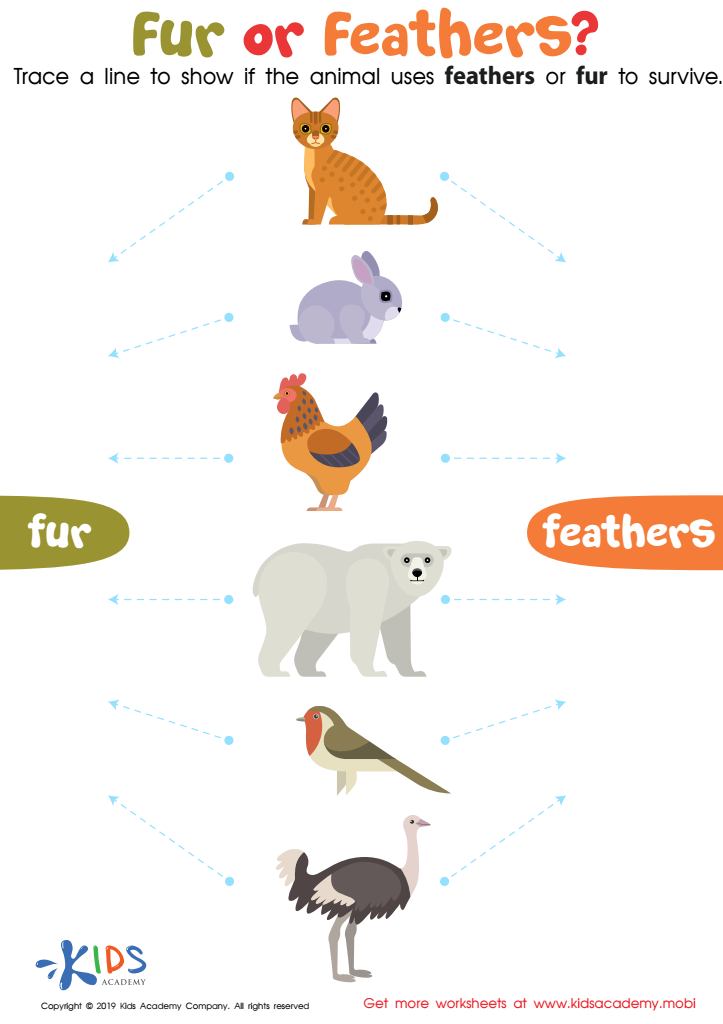
Fur or Feathers? Worksheet
 Assign to My Students
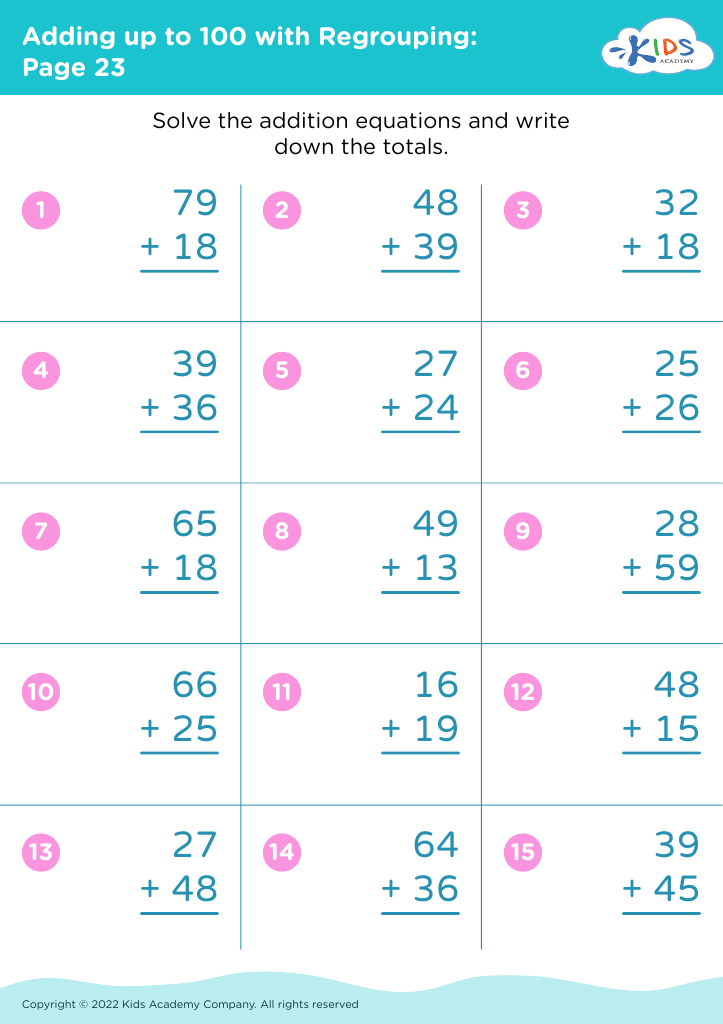
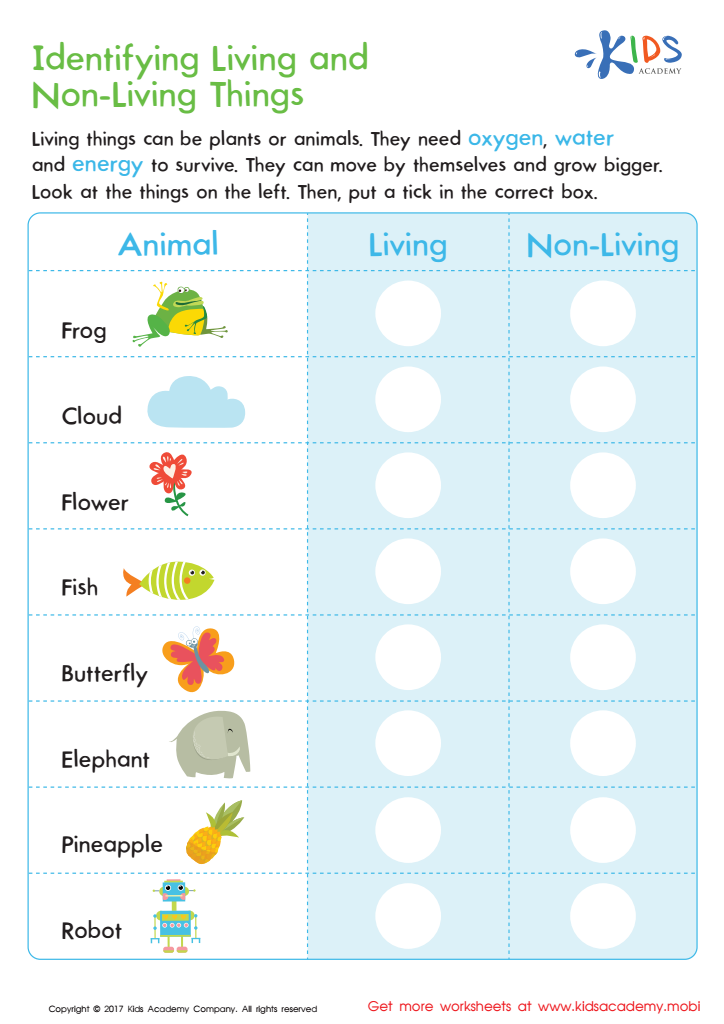
Identifying Living or Non–living Worksheet
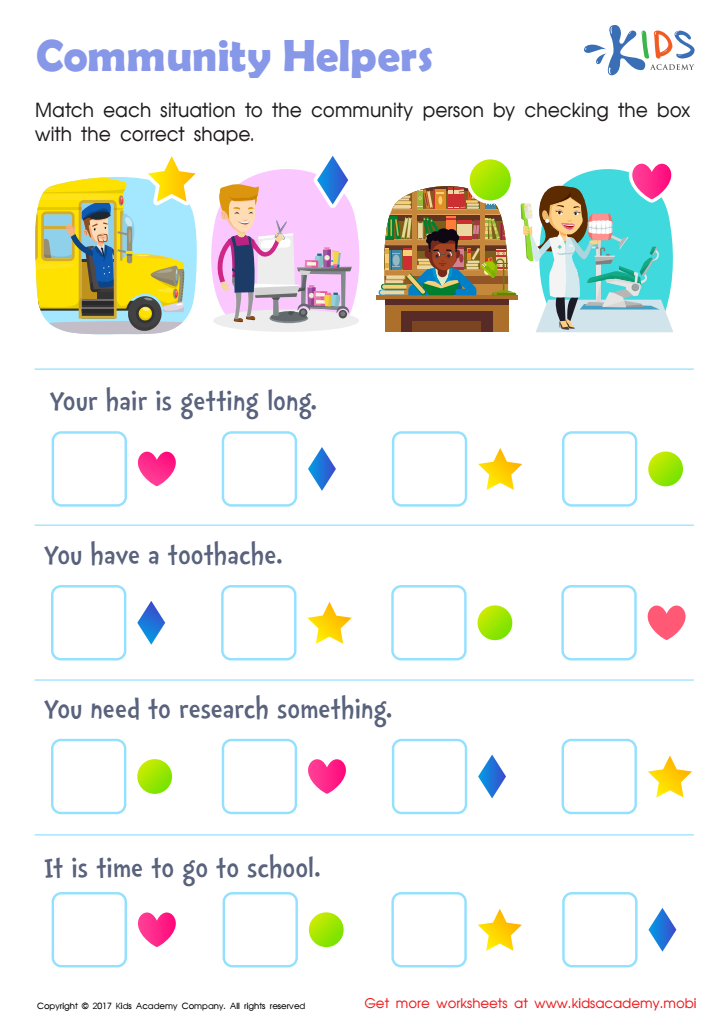








Visual recognition skills are crucial for children ages 3-9 as they form the foundation for numerous developmental milestones. At this age, children are rapidly absorbing information from their surroundings, and strong visual recognition enhances their ability to identify, categorize, and interpret visual stimuli. This skill is not only vital for early literacy development, as recognizing letters, shapes, and colors aids in reading and writing, but it also supports cognitive growth through improved memory and attention.
Additionally, visual recognition contributes to social skills. By being able to better recognize faces, expressions, and body language, children can engage more effectively with peers and adults, cultivating empathy and interpersonal relationships. It's also indispensable during playtime and structured activities where children learn to organize and manipulate objects.
For parents and teachers, fostering visual recognition skills through games, storytelling, and art can significantly enrich a child’s educational journey. This groundwork leads to enhanced academic achievement and self-confidence as children progress through school. Overall, nurturing visual recognition skills is an integral part of early childhood education that influences children’s emotional, social, and cognitive development.








