Vocabulary development Worksheets for Ages 3-9 - Page 4
86 filtered results
-
From - To
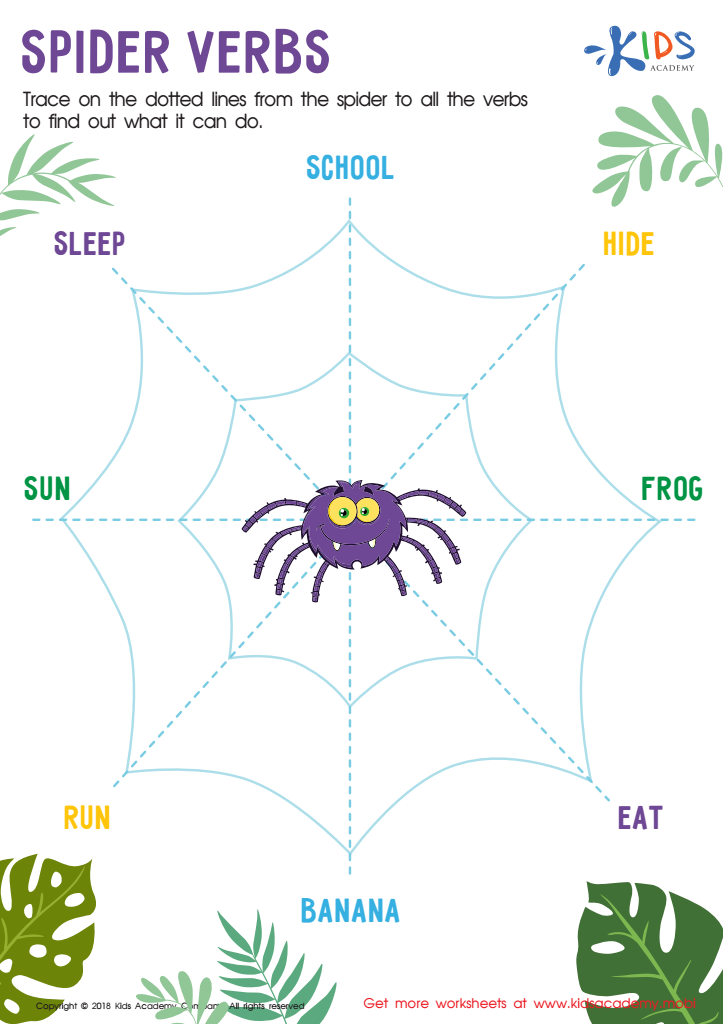
Spider Verbs Worksheet
 Assign to My Students
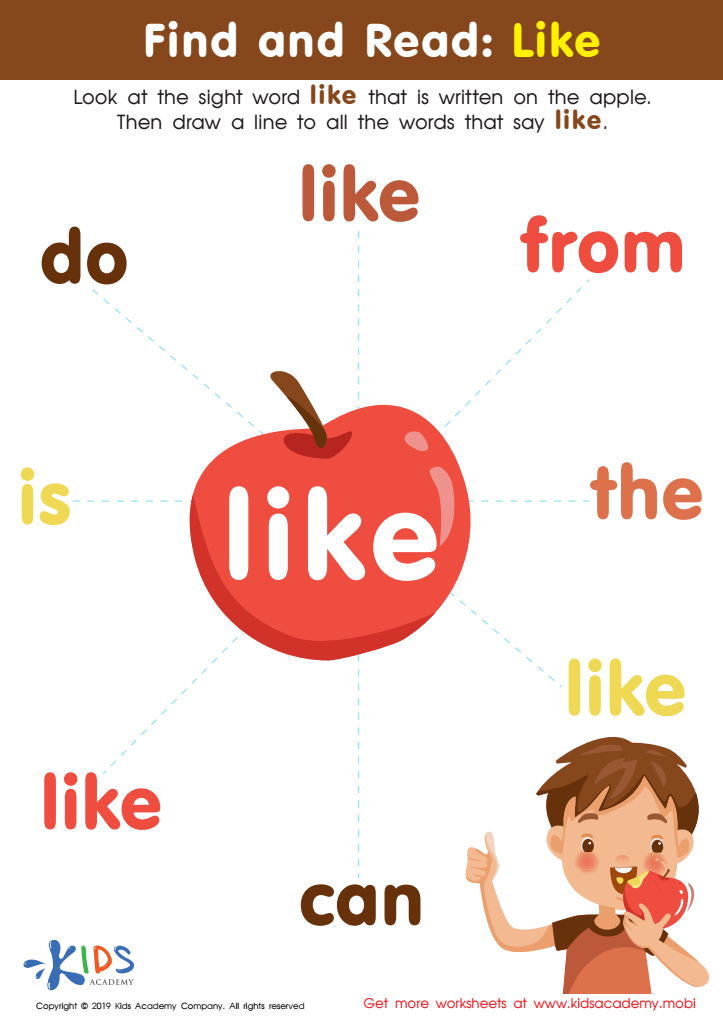
Find and Read: Like Worksheet
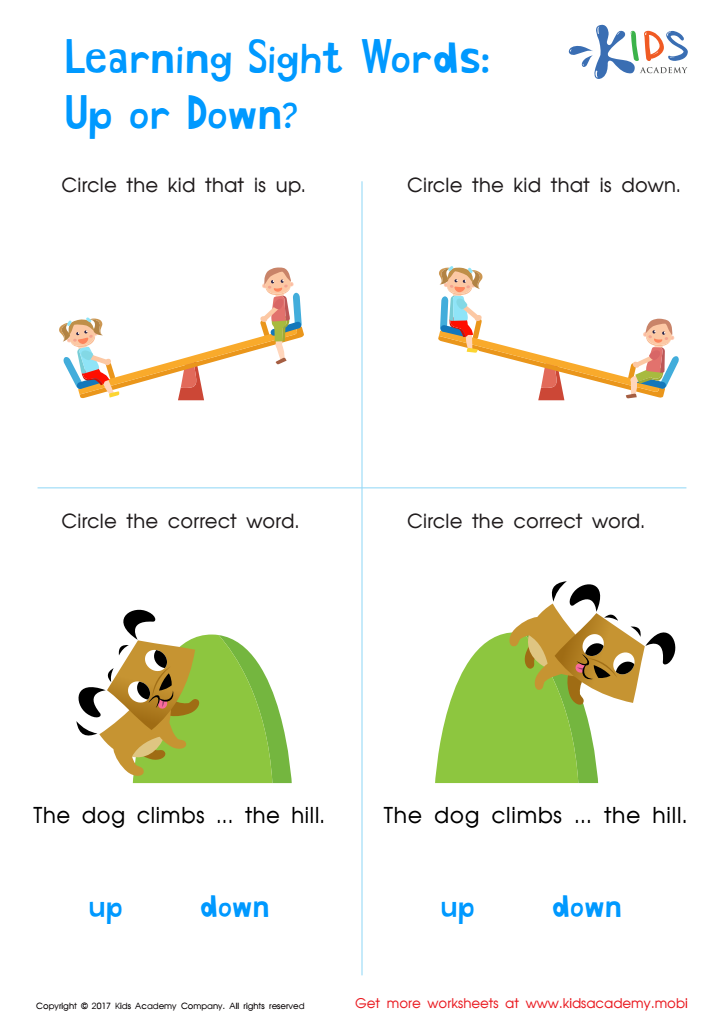
Up or Down Printable Sight Words Worksheet
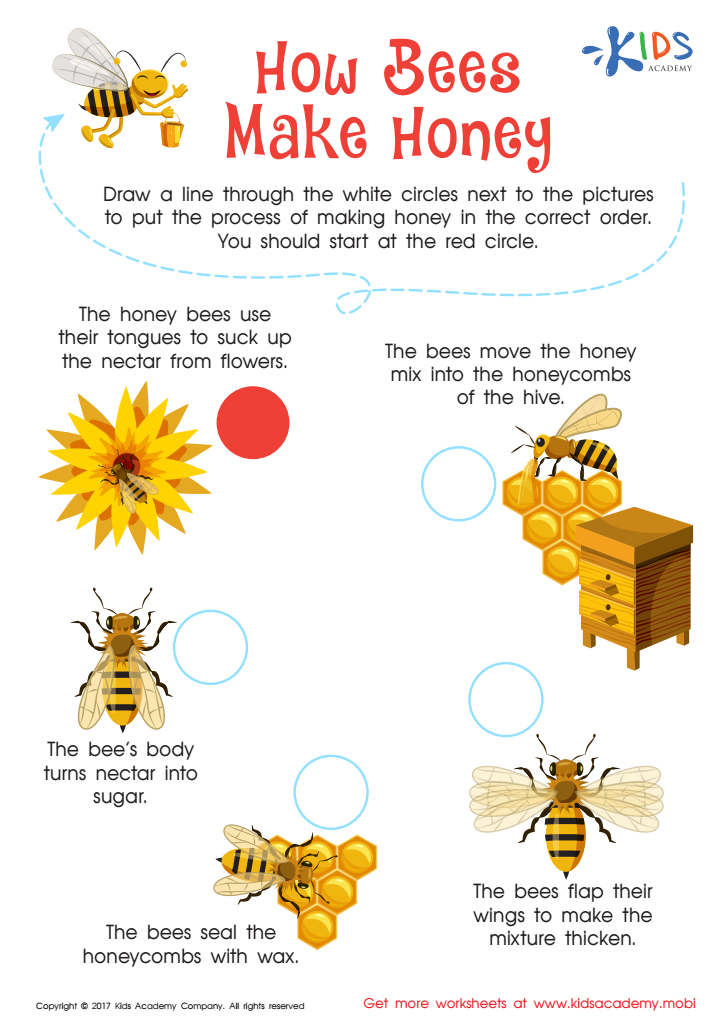
Honey Bee Worksheet
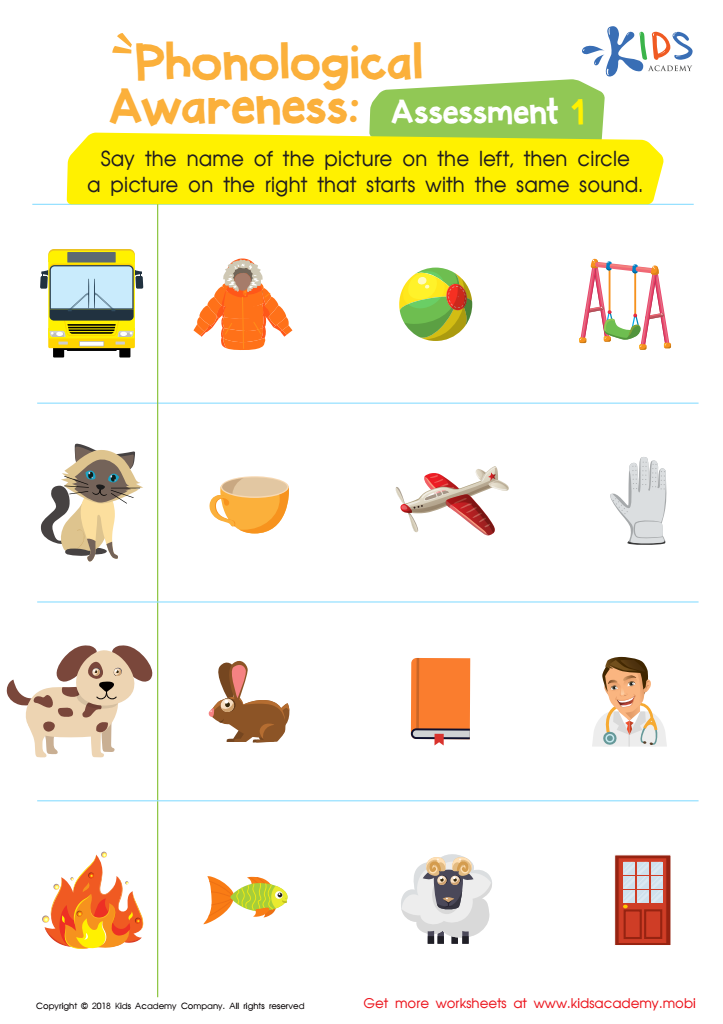
Phonological Awareness: Assessment 1 Worksheet
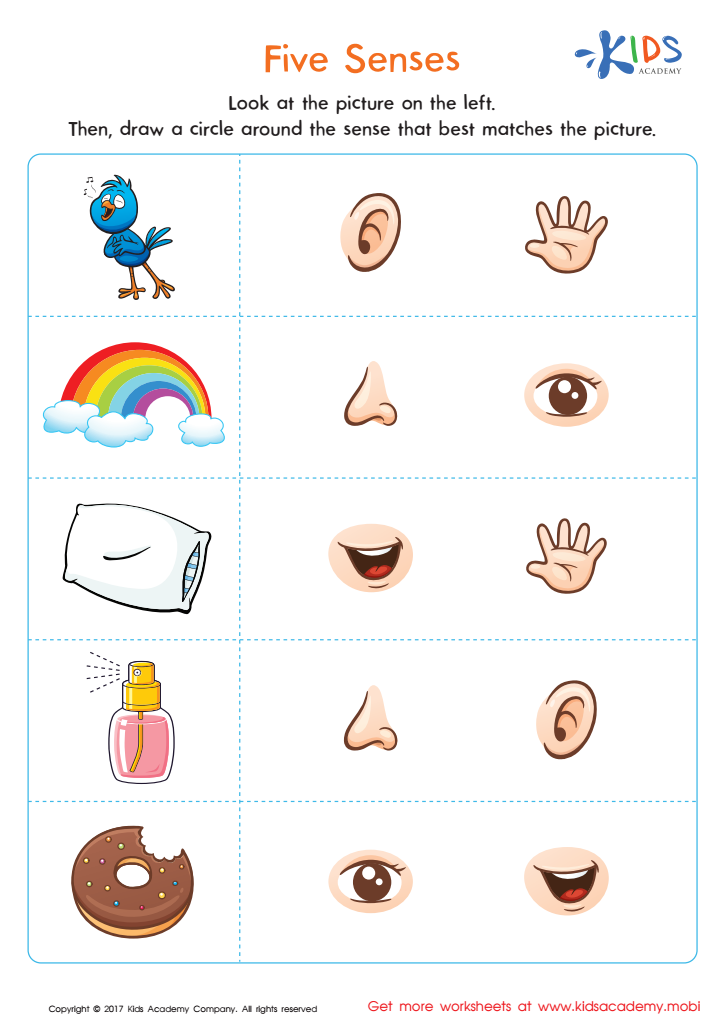
Five Senses Printable
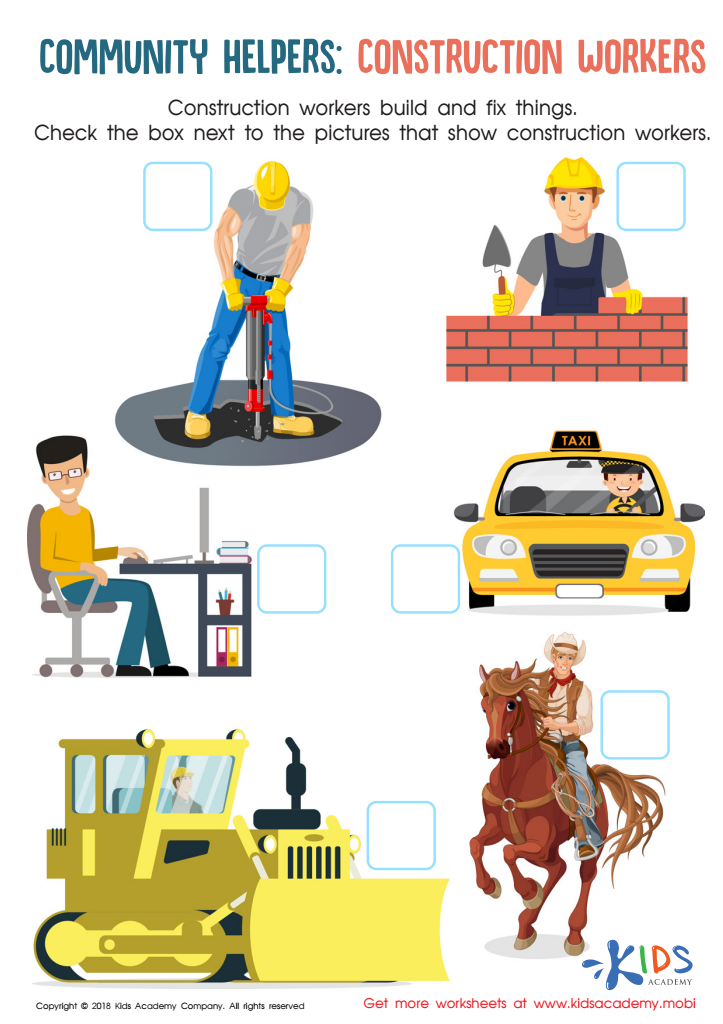
Construction Workers Community Helpers Worksheet
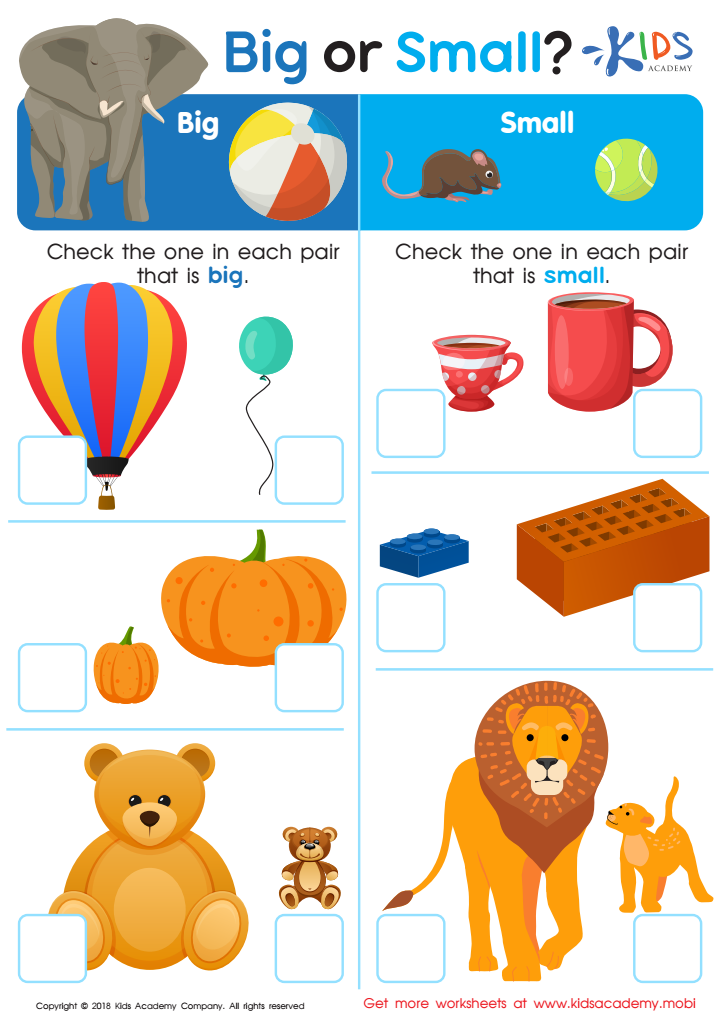
Big or Small? Worksheet
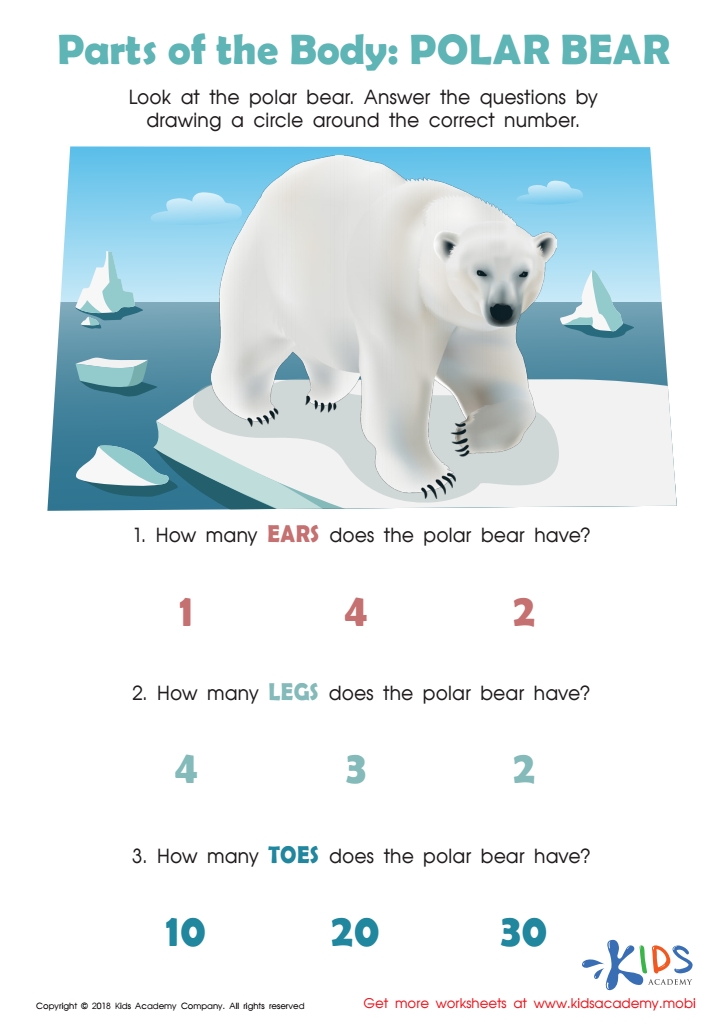
Parts of the Body: Polar Body Worksheet
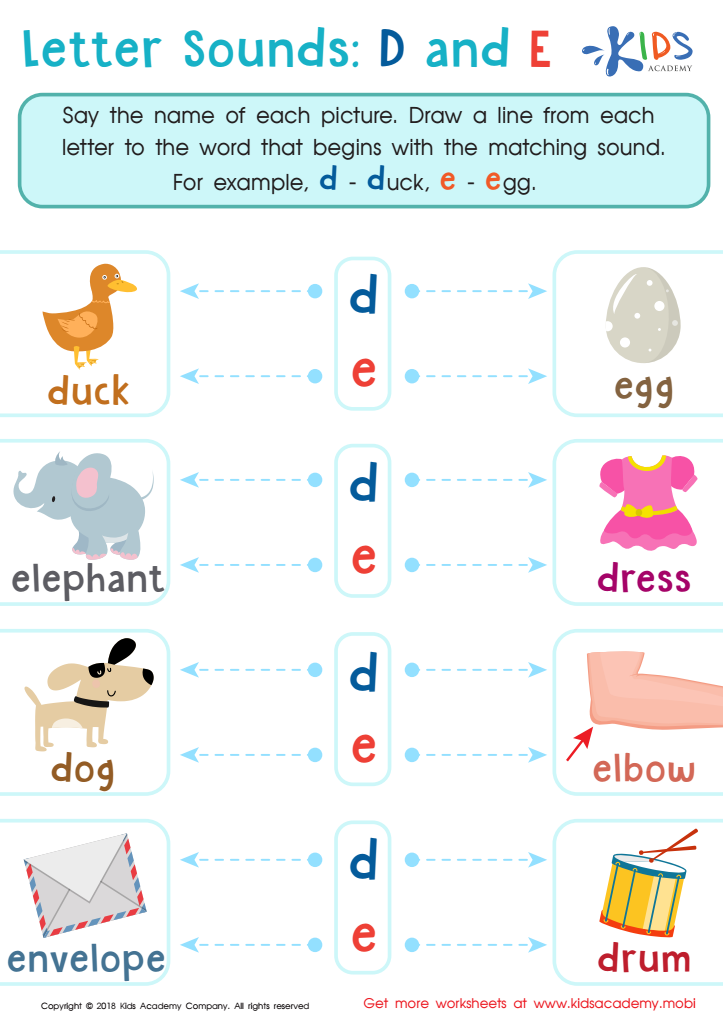
Letter D and E Sounds Worksheet
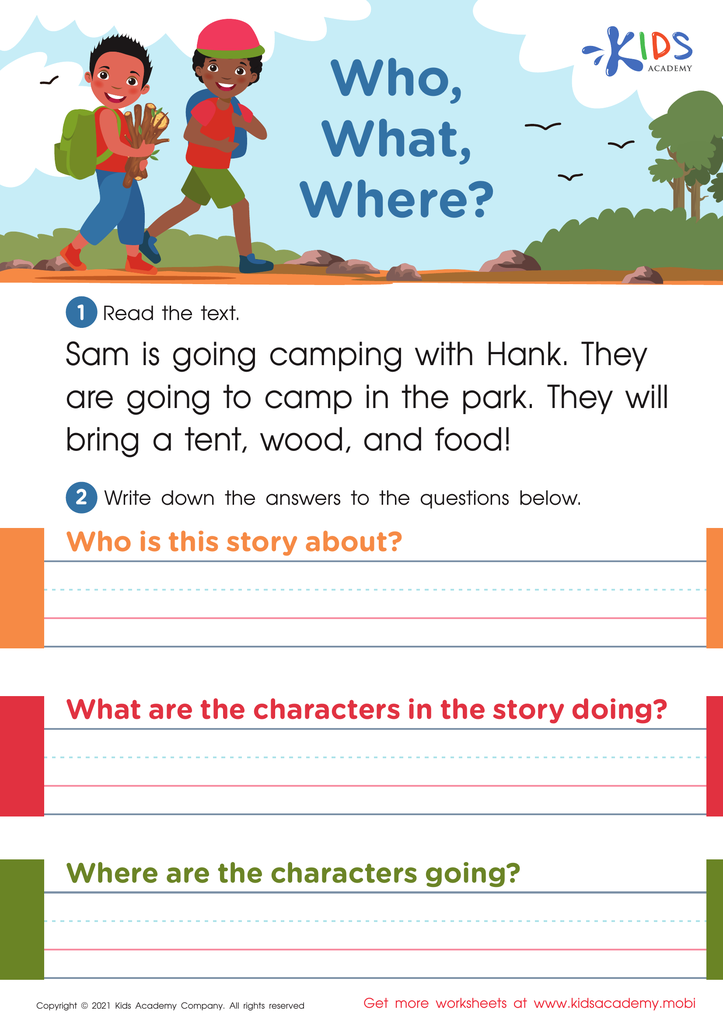
Who, What, Where? Worksheet

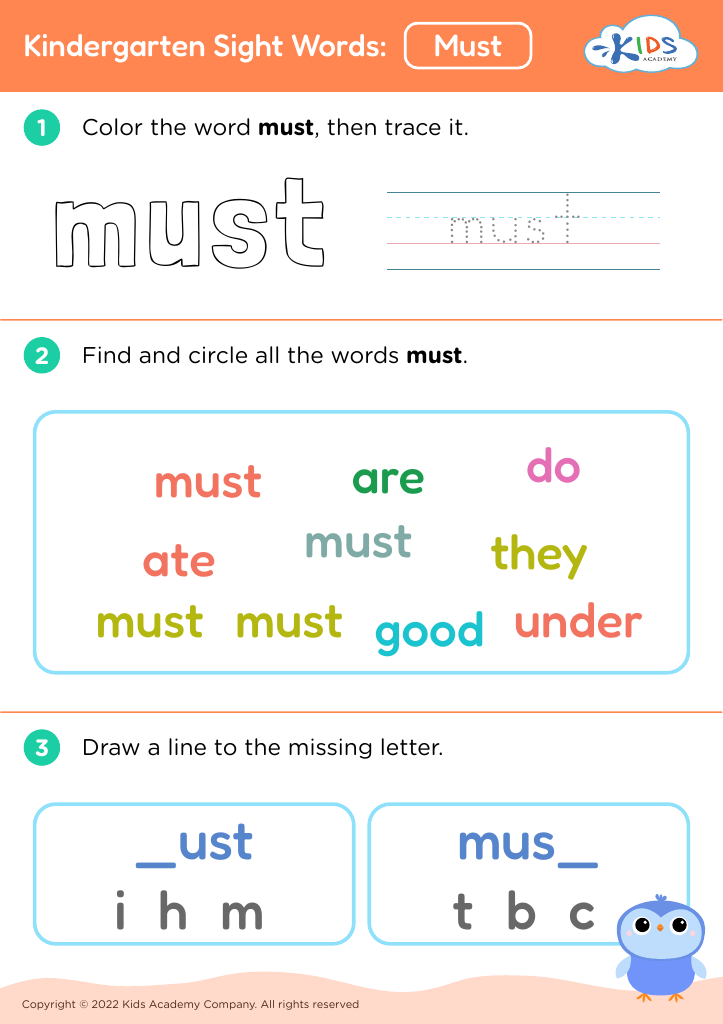








Vocabulary development for children aged 3-9 is crucial for several reasons, making it an essential focus for parents and teachers.
First, a rich vocabulary supports better comprehension. Children with a broad range of words at their disposal can understand more of what they hear and read, allowing them to grasp new ideas and concepts more easily. This foundational skill fosters academic success across all subjects, including science, social studies, and especially reading.
Second, vocabulary growth enhances communication skills. When children know more words, they can express themselves more clearly and effectively. This improves their ability to share their thoughts and feelings, leading to better relationships with peers, teachers, and family members.
Third, developing a robust vocabulary early on is linked to long-term educational and professional achievements. Studies have shown that vocabulary size in early childhood can predict academic performance in later years. Children who start school with a vast vocabulary are more likely to read well by third grade, a key predictor of high school graduation and future success.
Lastly, the process of learning new words stimulates cognitive development. It encourages curiosity, critical thinking, and imagination, enhancing overall mental functioning and problem-solving skills.
In conclusion, fostering vocabulary development from ages 3 to 9 equips children with the essential tools for successful education and effective communication, setting them on a path for lifelong learning and growth.








