Word Formation Worksheets for Ages 3-9
6 filtered results
-
From - To
Discover our engaging Word Formation Worksheets designed for children aged 3-9! These worksheets aim to boost literacy skills through fun and interactive activities that enhance vocabulary, spelling, and phonics. Featuring colorful illustrations and age-appropriate exercises, our resources help young learners connect letters to form words, encouraging creativity and critical thinking. Perfect for both at-home learning and classroom settings, our worksheets make learning enjoyable and effective. Whether your child is just beginning or ready for more advanced challenges, our comprehensive collection is tailored to support their growth in language skills. Explore our worksheets today and watch your child's confidence soar in literacy!
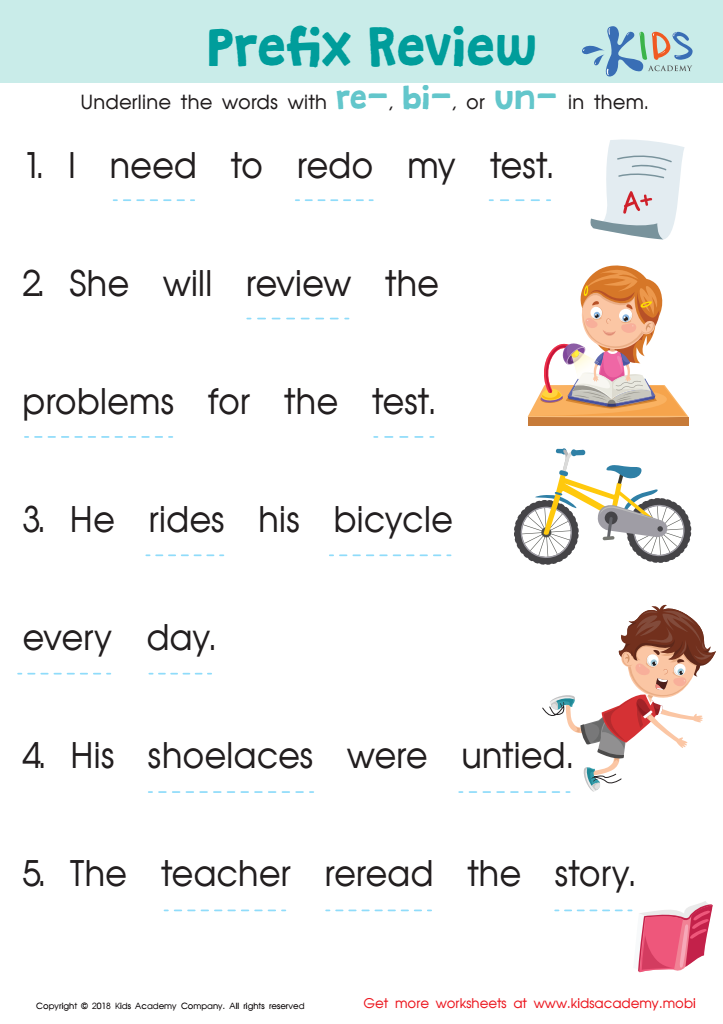
Prefix Review Worksheet
 Assign to My Students
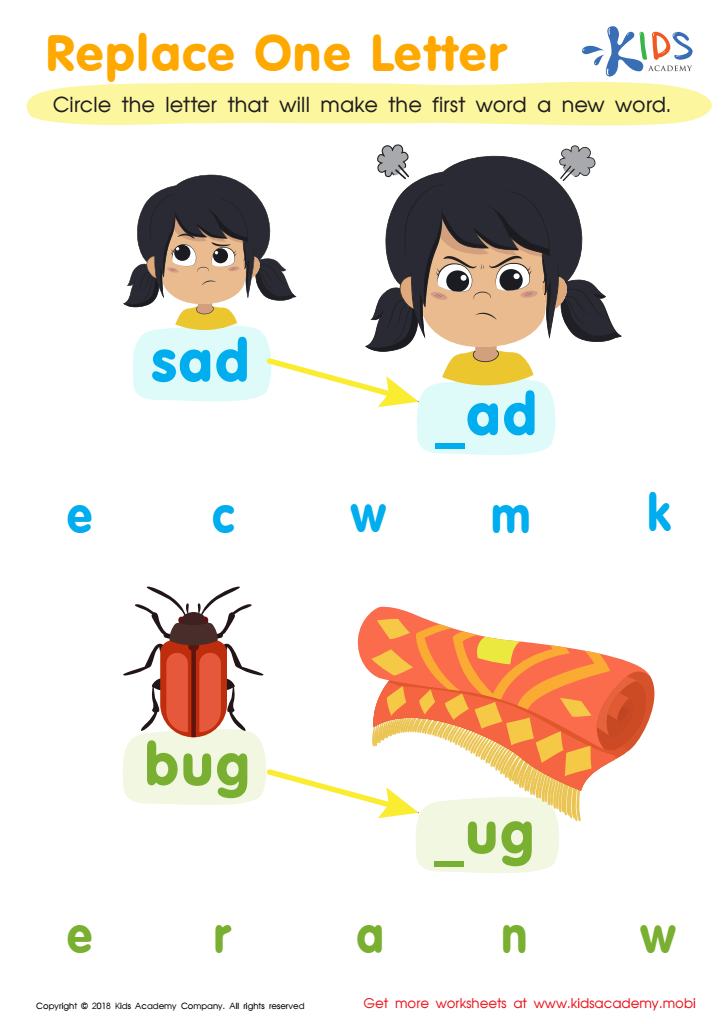
Replace One Letter Worksheet
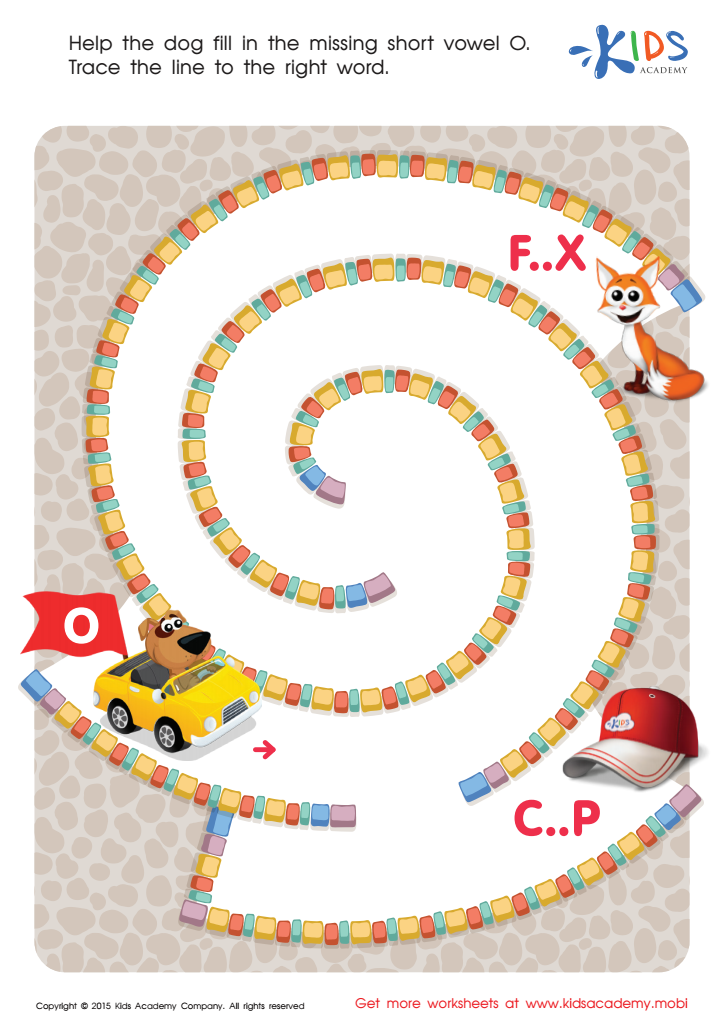
Short Vowel Sound O Worksheet
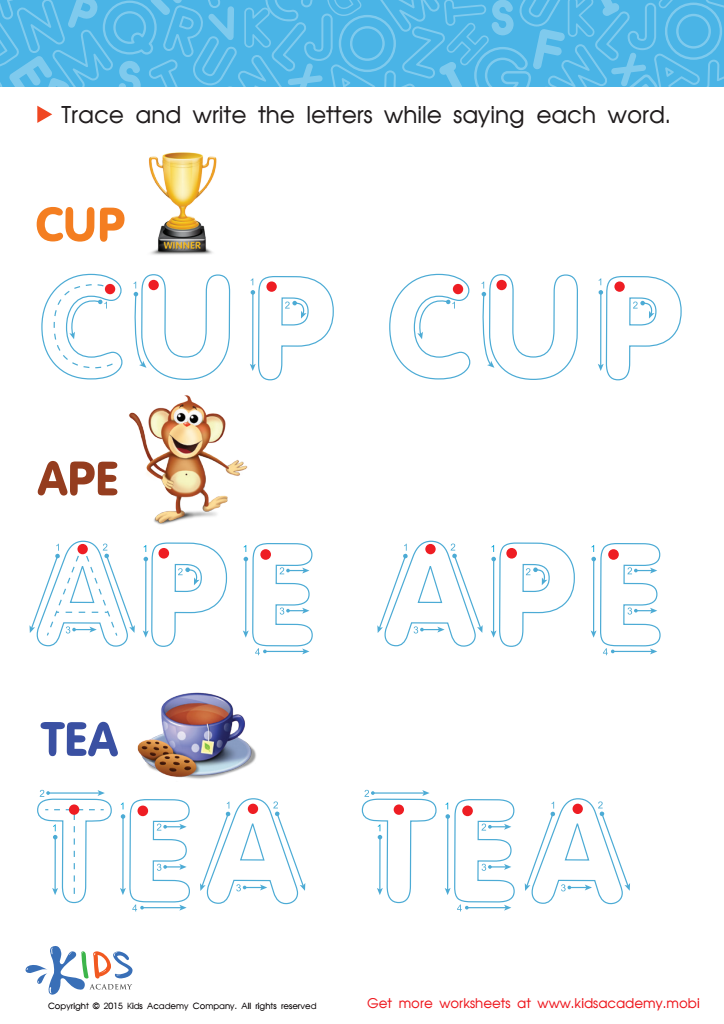
A Cup, an Ape and Tea Spelling Worksheet
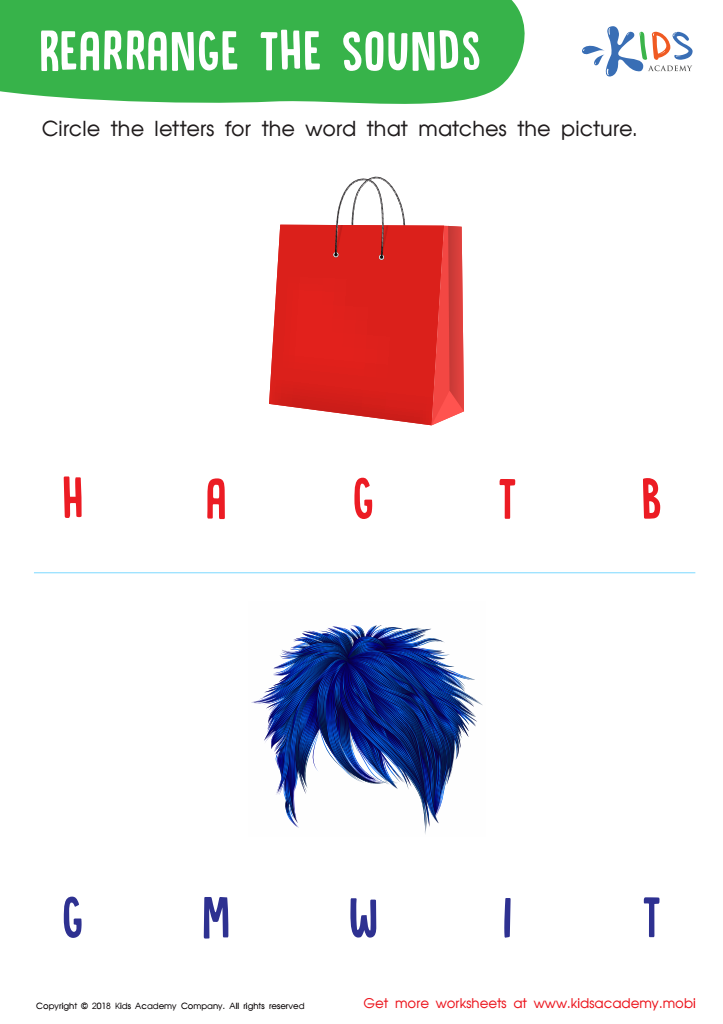
Rearrange the Sounds Worksheet








Word formation is a crucial aspect of language development for children aged 3 to 9. Understanding how words are created enables children to expand their vocabulary, improve reading skills, and enhance their overall communication abilities. When parents or teachers emphasize word formation, they equip young learners with tools to decode and encode language more effectively.
By engaging in activities that involve prefixes, suffixes, and root words, children develop a deeper understanding of word meanings and relationships. This analytical skill fosters a love for language and a curiosity to explore new words. Additionally, strong word formation skills contribute significantly to reading comprehension, allowing children to tackle more complex texts as they progress in school.
Moreover, mastering word formation aids in writing clarity and creativity. Children who understand how to manipulate words can express their thoughts more effectively and creatively, leading to improved writing skills.
In a broader sense, skills acquired through word formation support critical thinking. As children learn to predict word meanings and explore language patterns, they become more confident learners, laying a strong foundation for future educational success. Therefore, parents and teachers should prioritize word formation to foster a rich language environment that empowers young learners.








