Fine Motor Skills Logic and Early Math Worksheets for Ages 3-9
5 filtered results
-
From - To
Enhance your child's fine motor skills, logic, and early math abilities with our carefully crafted worksheets designed for ages 3-9. At Kids Academy, our printable worksheets focus on foundational tasks that combine engaging activities with essential skill-building exercises. These worksheets promote hand-eye coordination, problem-solving, shape recognition, number sequencing, and fundamental math concepts. Ideal for home or classroom use, each worksheet provides a fun and educational way to support your child's developmental milestones and academic success. Visit Kids Academy today to give your child the tools they need for a bright future!

Trumpeter Maze Worksheet

Superman Maze Worksheet
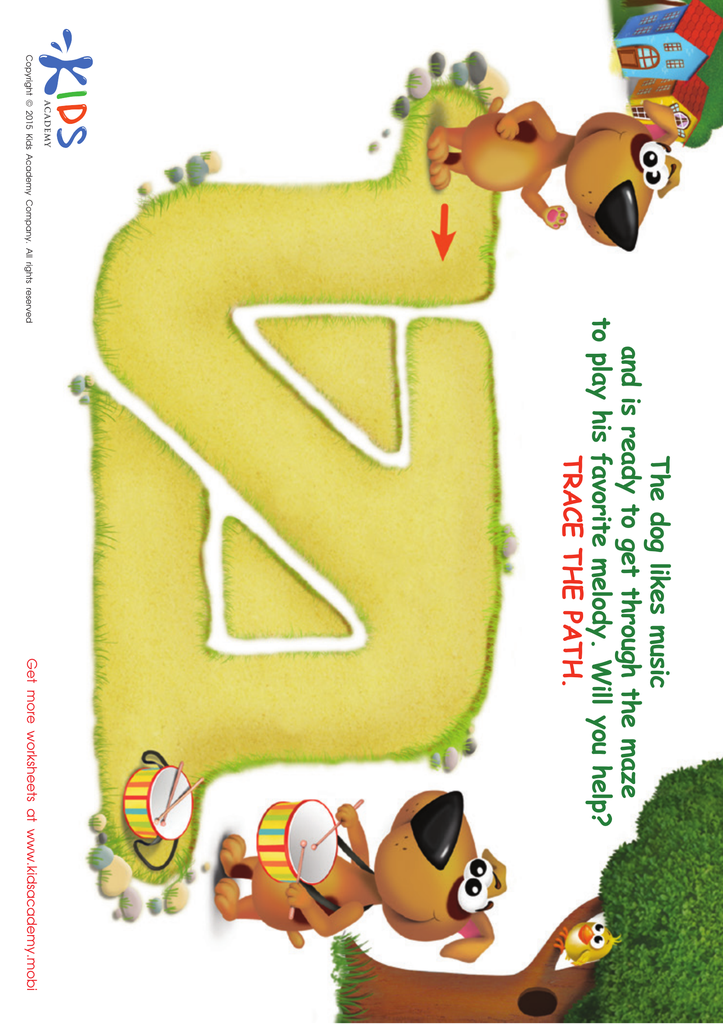
Drummer Maze Worksheet
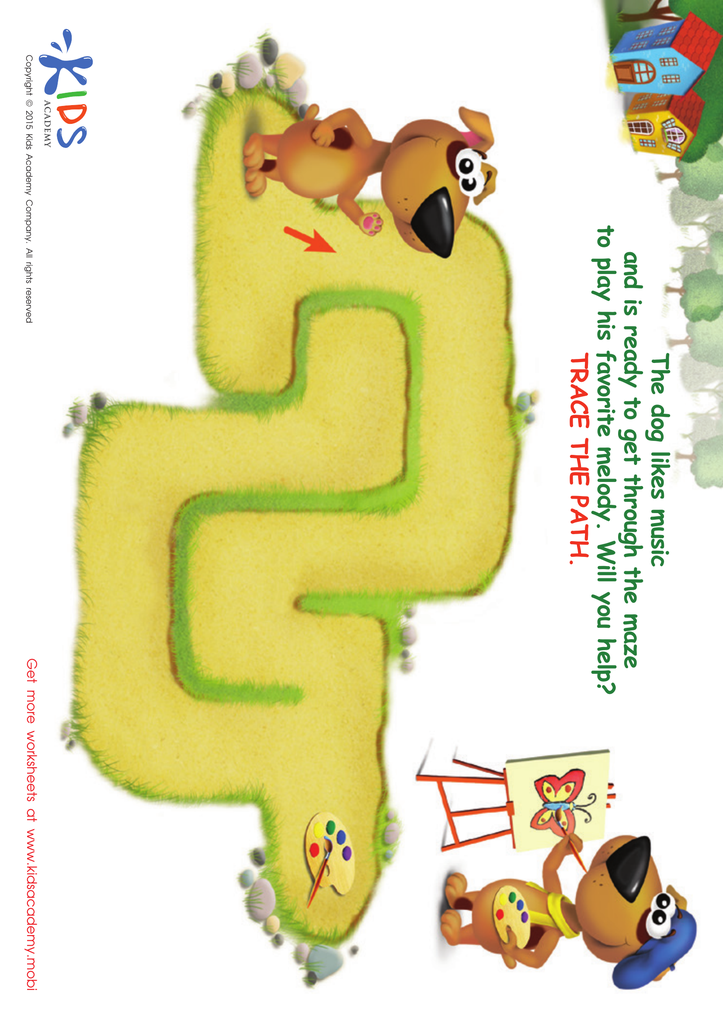
Artist Maze Worksheet
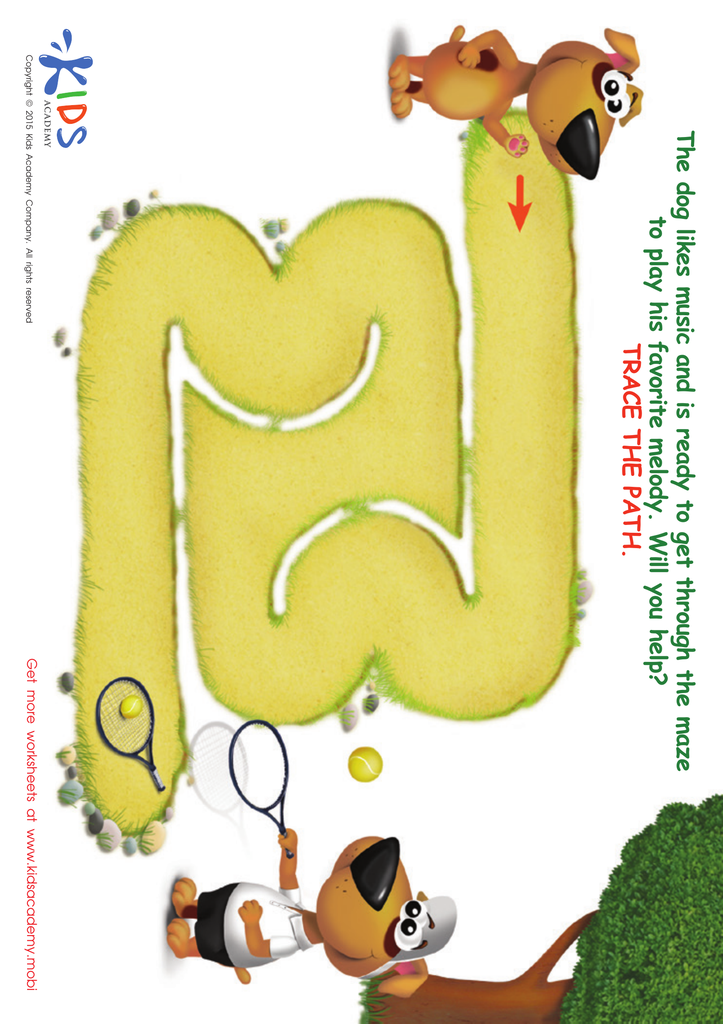
Tennis Player Maze Worksheet








Fine motor skills, logic, and early math are fundamental components of a child's development and learning journey, crucial for ages 3-9. Fine motor skills involve the coordination of small muscles, like those in hands and fingers, and are essential for tasks such as writing, buttoning clothes, and using utensils. Strengthening these skills in early childhood sets the stage for more complex activities and learning experiences. Without refined fine motor abilities, children may struggle with everyday tasks and academic activities, impacting their confidence and independence.
Logic development nurtures critical thinking, problem-solving abilities, and decision-making skills. When children engage in activities that promote logical thinking, like puzzles or sorting games, they learn how to approach problems methodically and think in sequences, which helps in processing information and understanding relationships. These skills are transferable to real-life scenarios and foster cognitive development.
Early math skills provide a foundation for future academic success. Understanding basic concepts of numbers, patterns, and shapes helps children make sense of the world around them. Early exposure to math enhances numerical intuition and the ability to understand more complex mathematical concepts later. These fundamentals contribute to academic readiness, ensuring that children enter formal schooling with essential skills and a positive attitude toward learning, paving the way for continued educational success. Developmentally, supporting these areas gives children the tools they need to thrive both inside and outside the classroom.