Number Recognition Adding at the Zoo Worksheets for Ages 3-9
71 filtered results
-
From - To
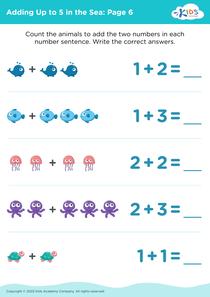
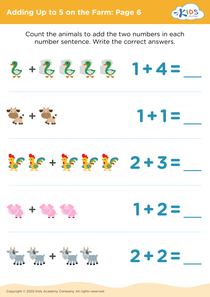
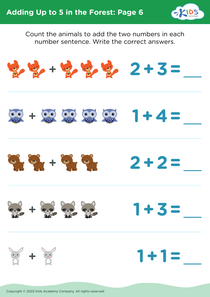
Discover our engaging "Number Recognition Adding at the Zoo" worksheets designed for children aged 3-9! These interactive activities use a fun zoo theme to teach essential skills in number recognition and basic addition. Your little explorers will enjoy counting animals, matching numbers, and solving simple addition problems while learning about different creatures. Each worksheet is crafted to enhance cognitive development, encourage creativity, and support foundational math skills. Perfect for both classroom and home use, these worksheets make learning enjoyable for young learners. Join us on this exciting educational adventure at the zoo and help your child build confidence in math!
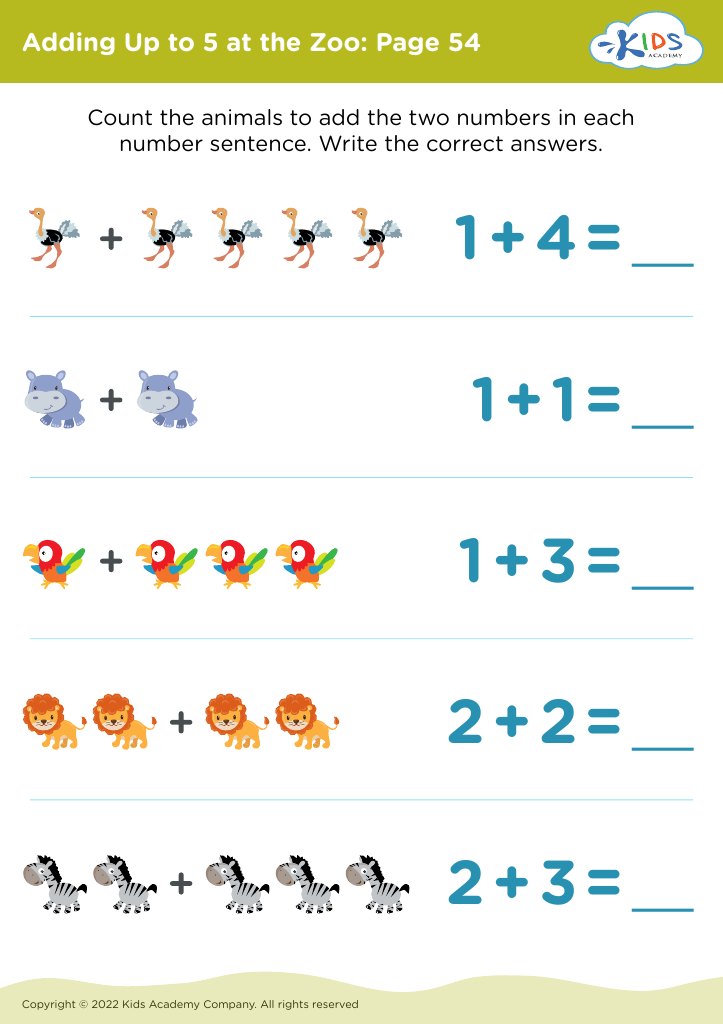
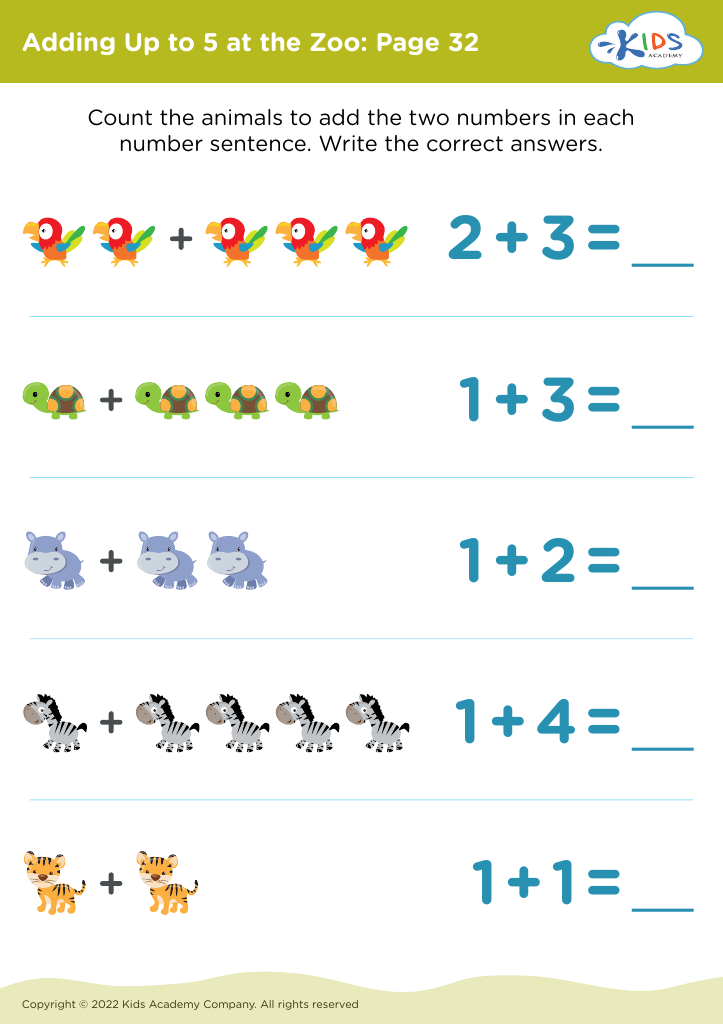
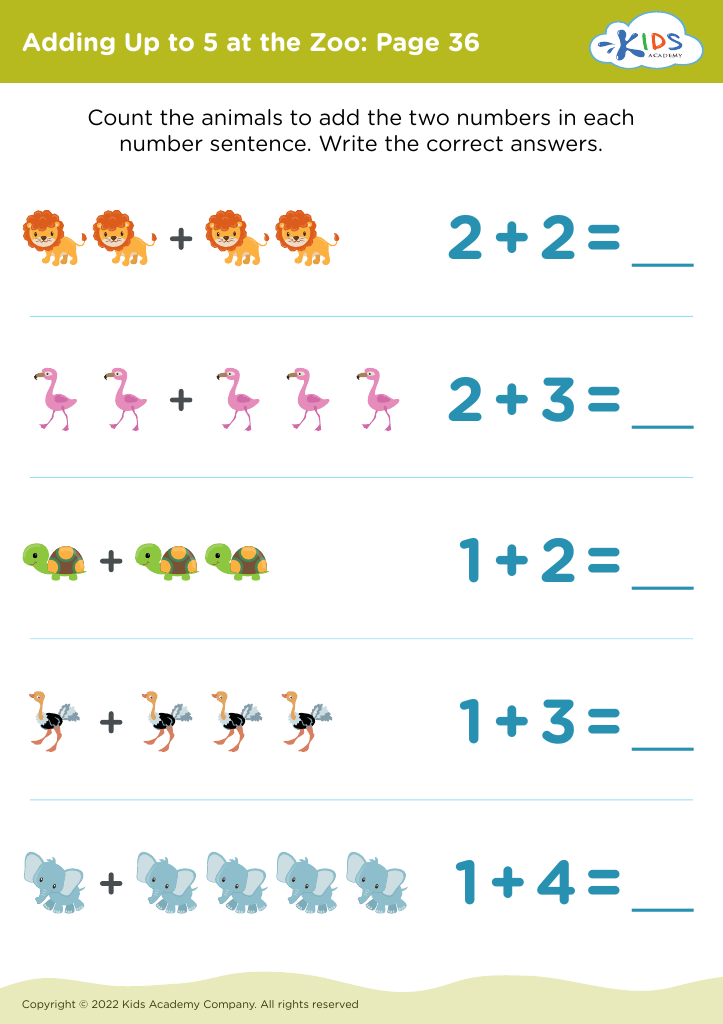
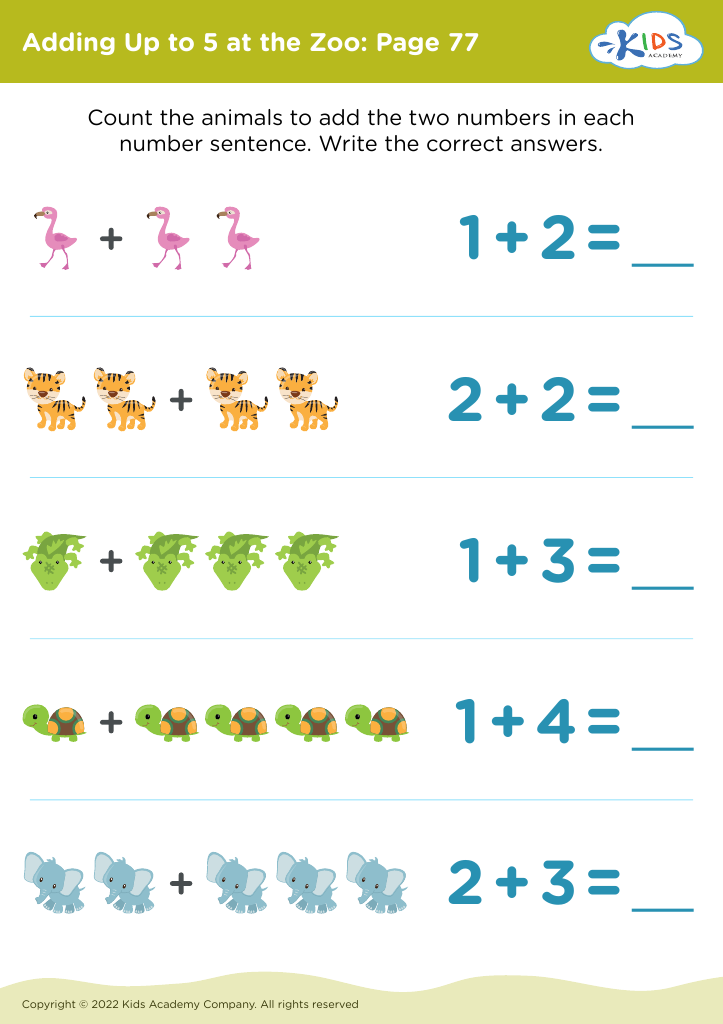
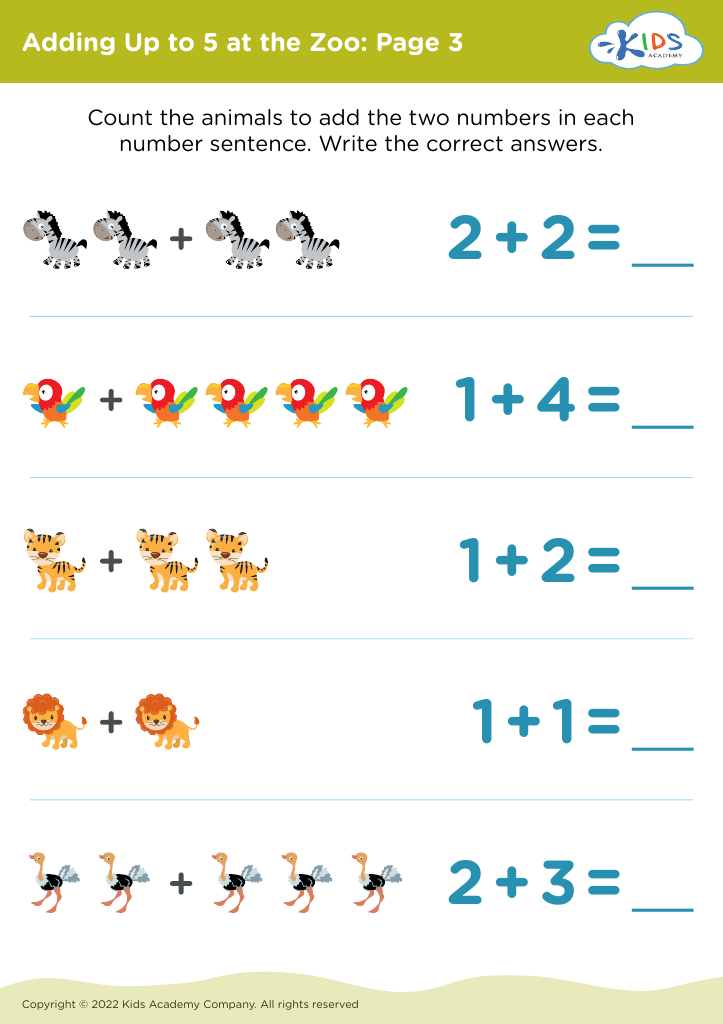
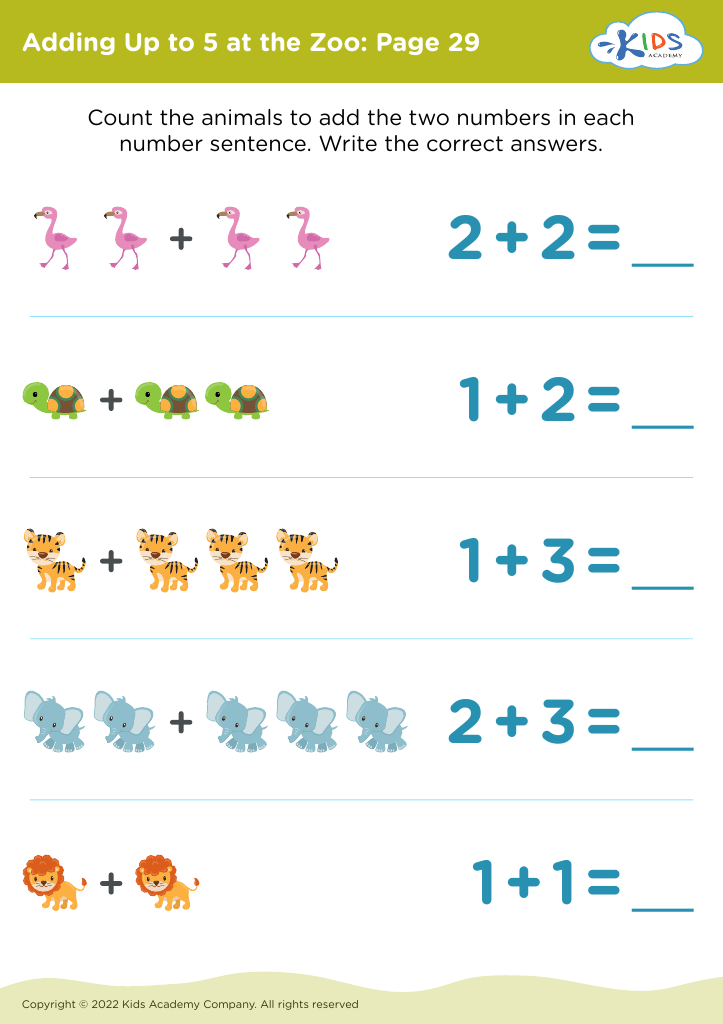
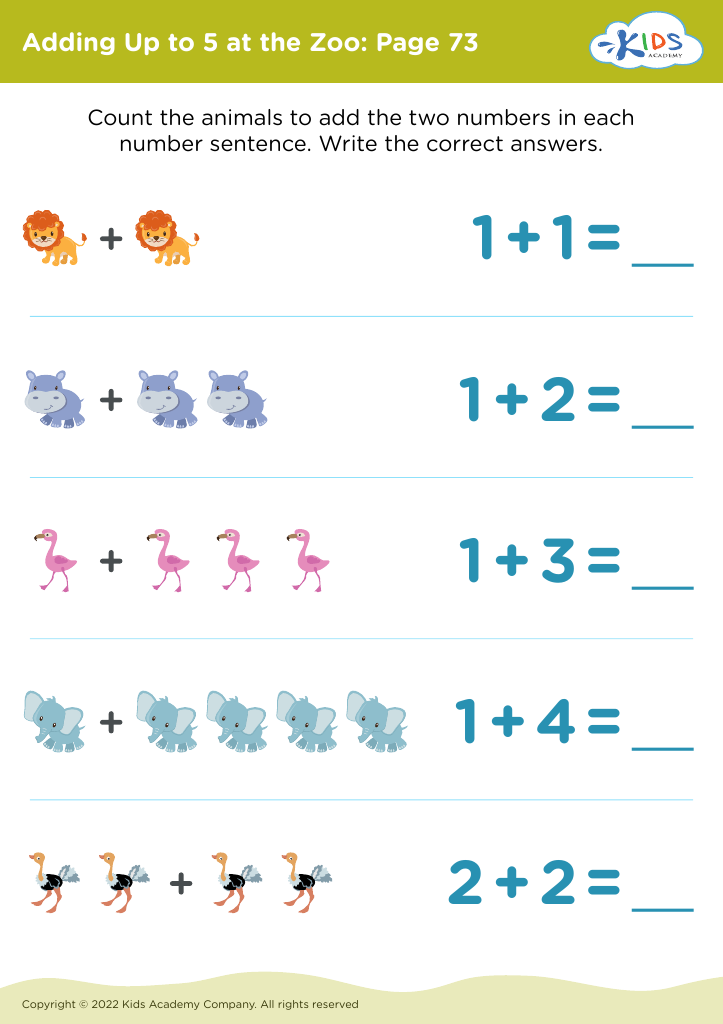
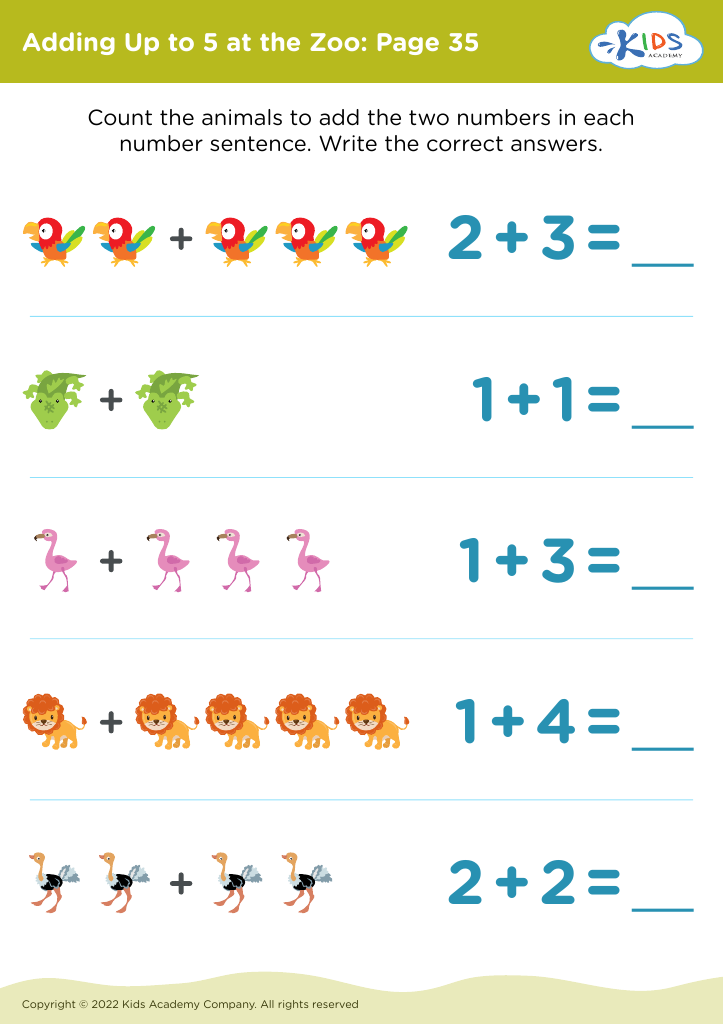
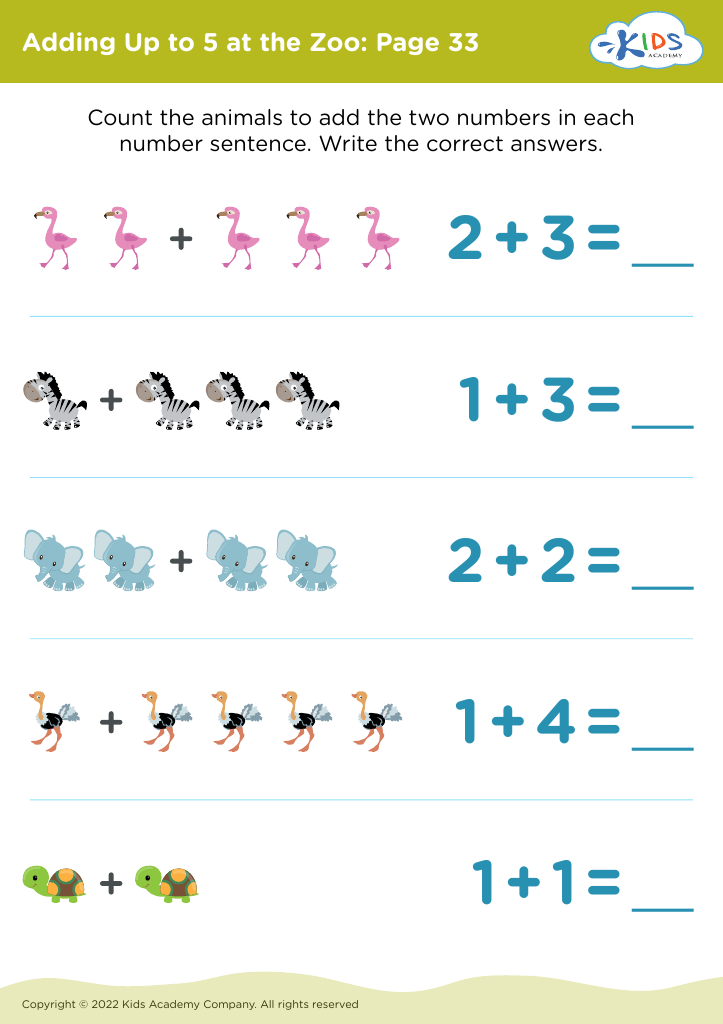
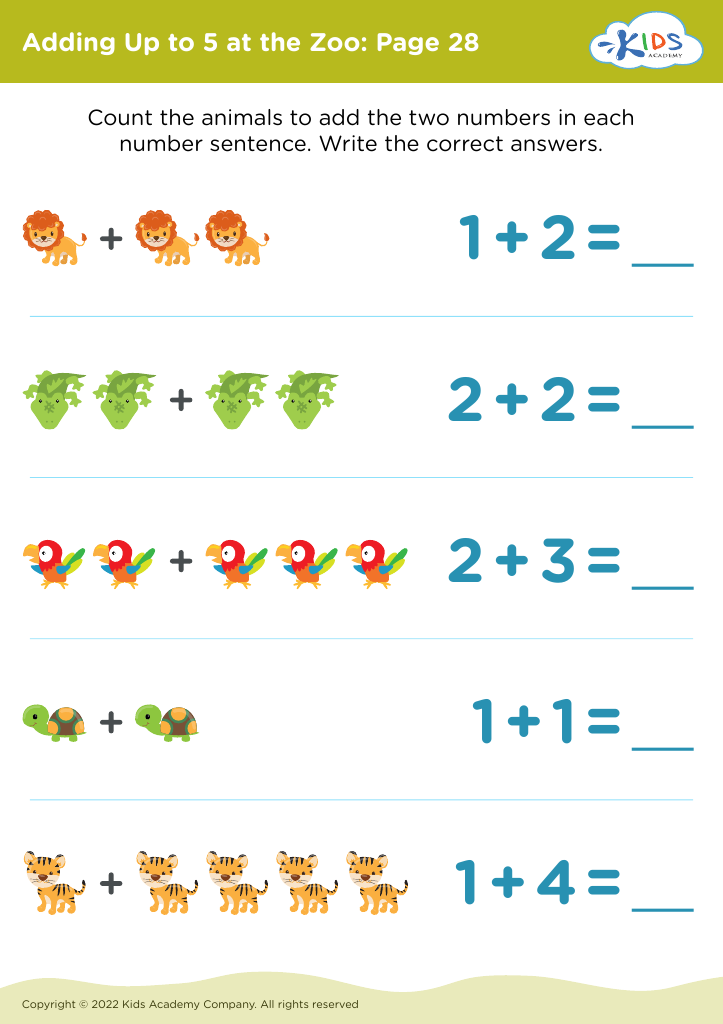
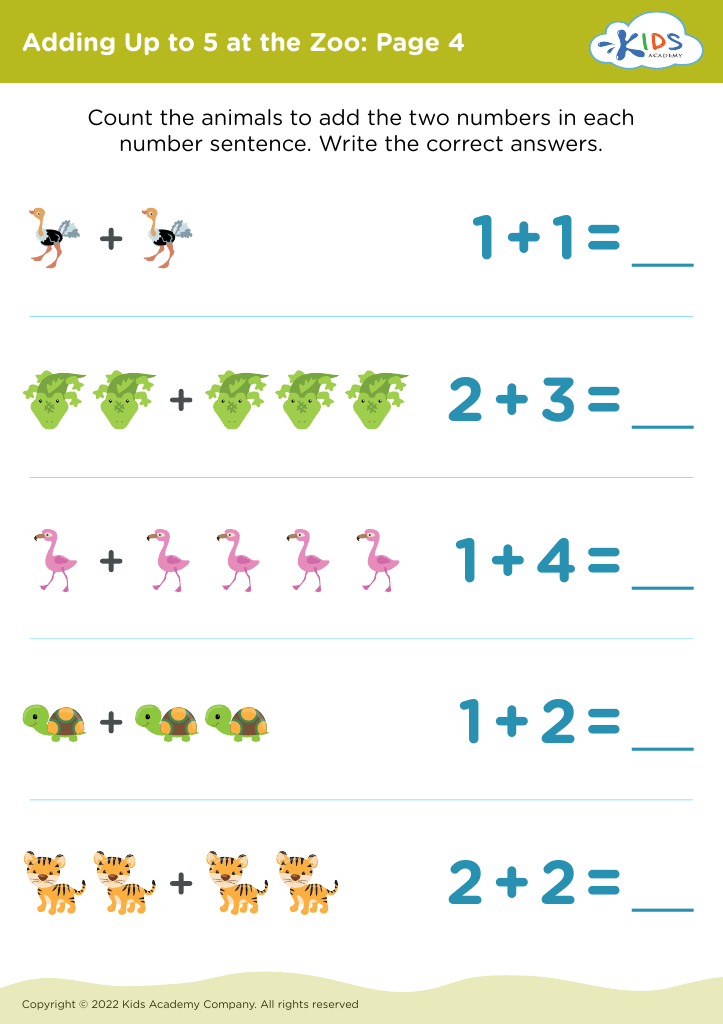
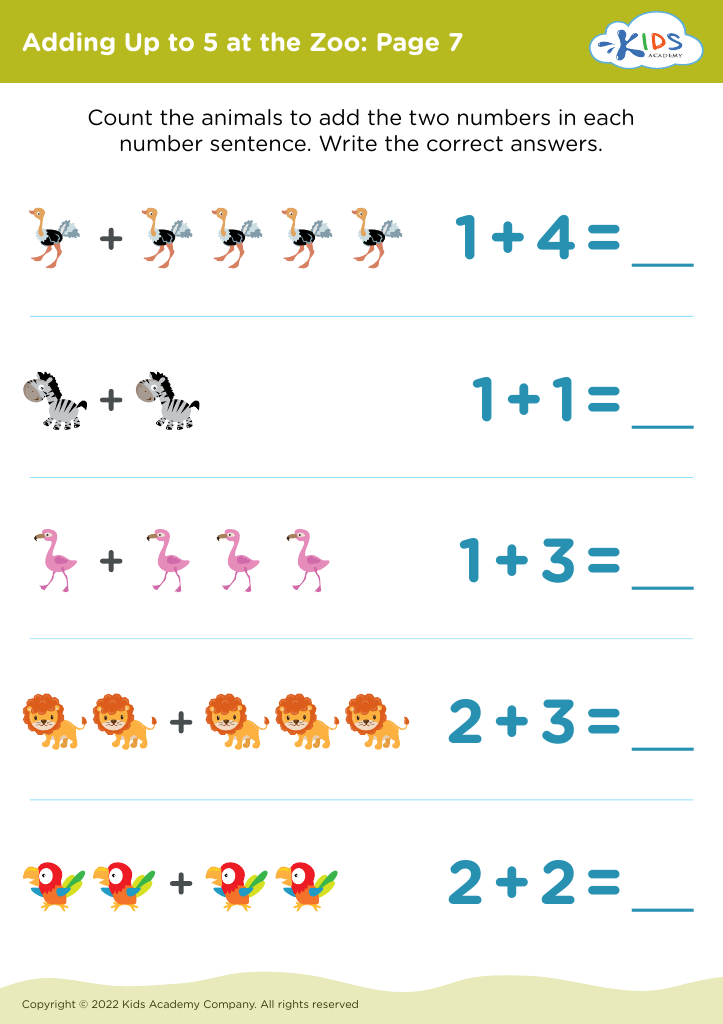
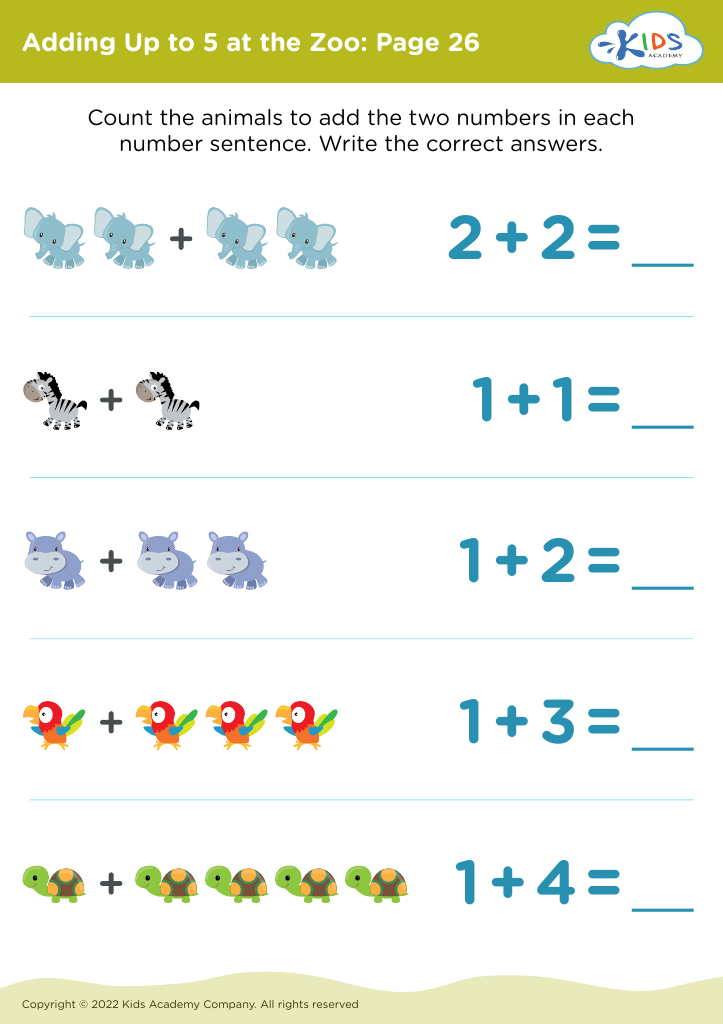
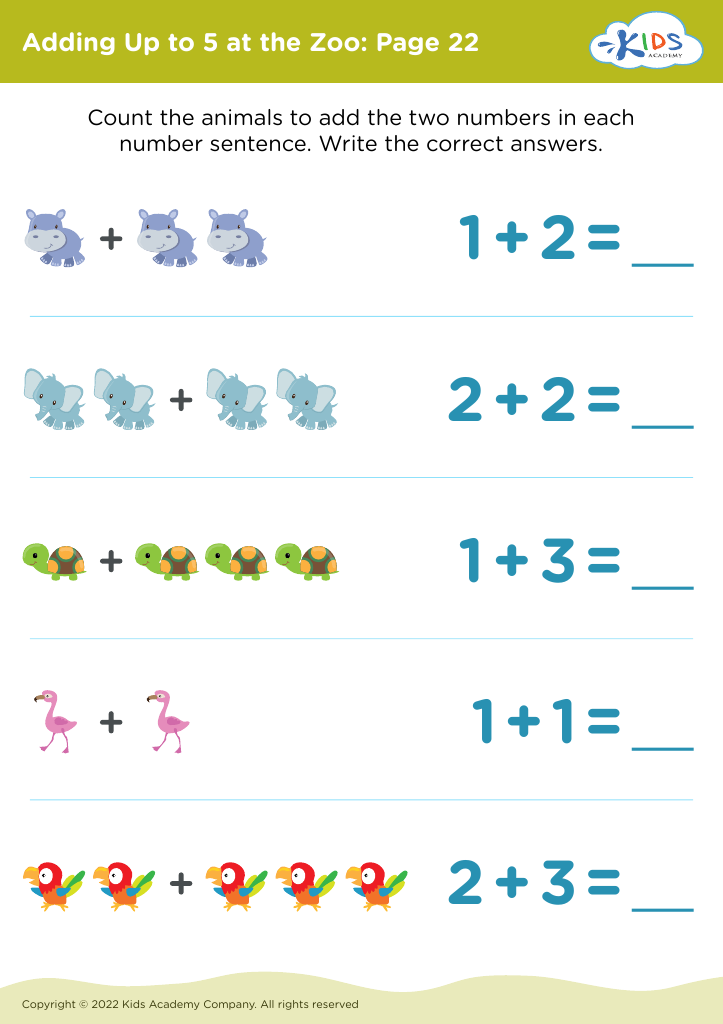
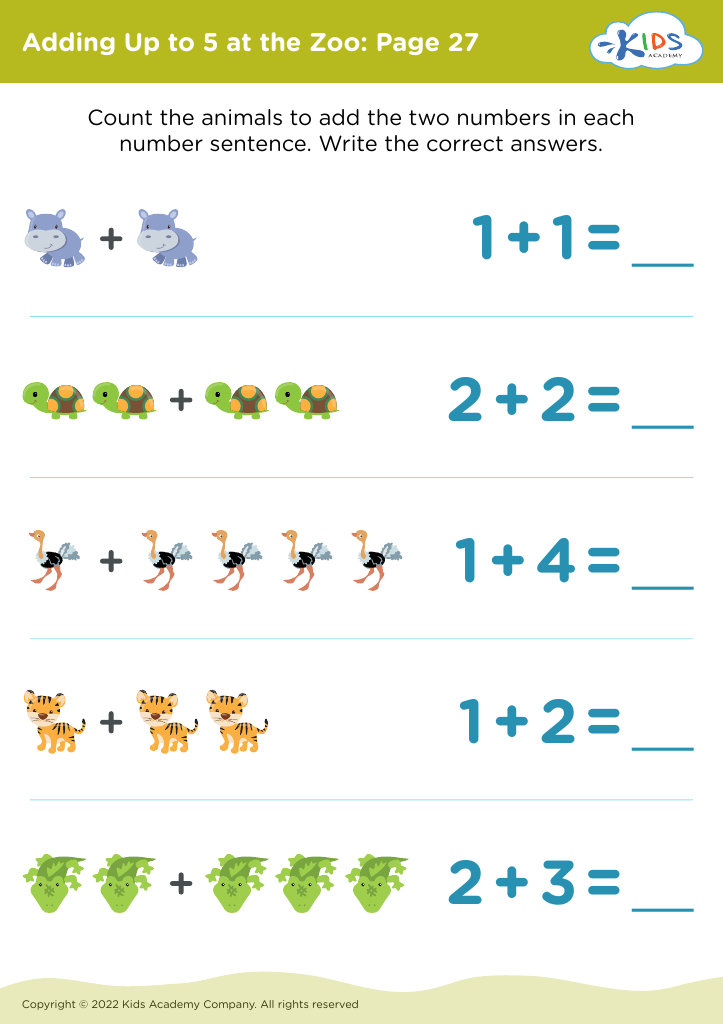
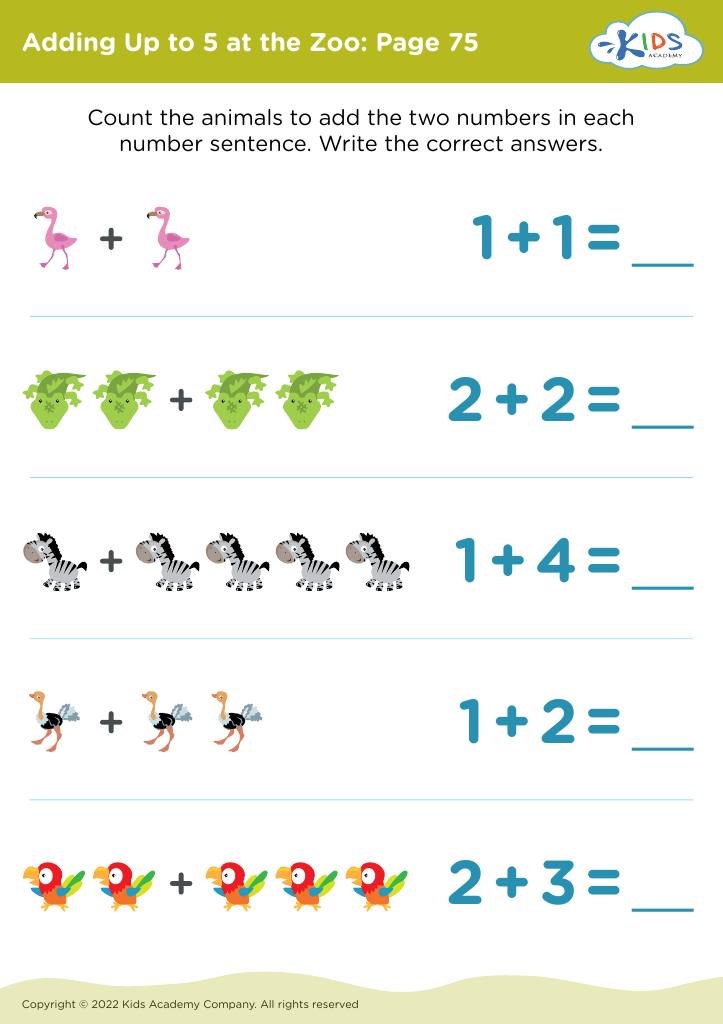
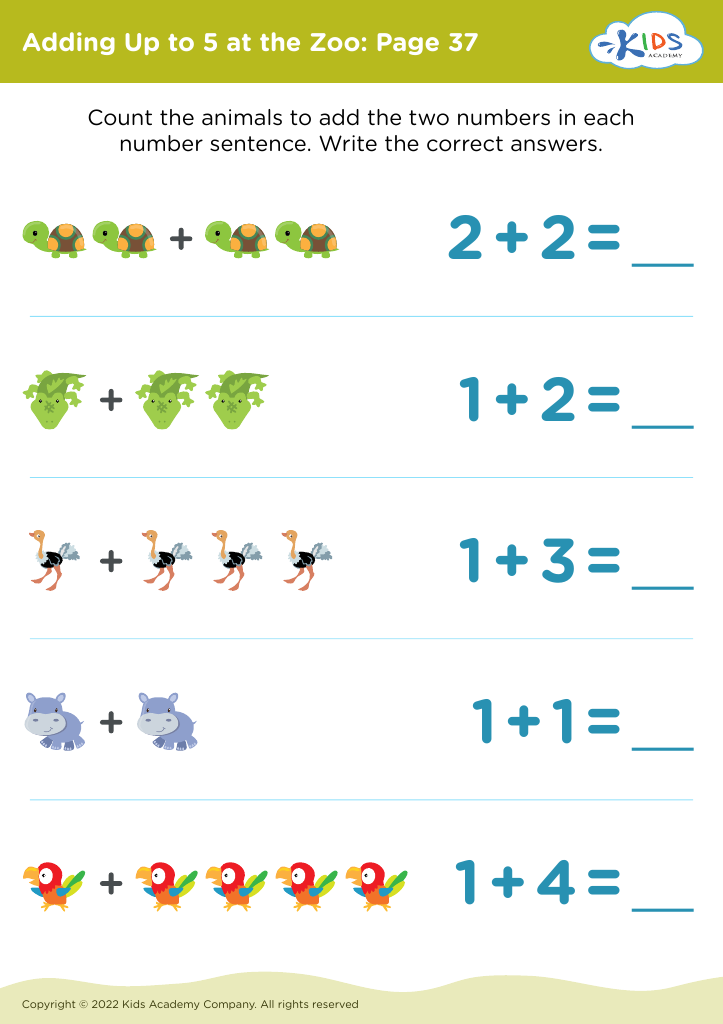
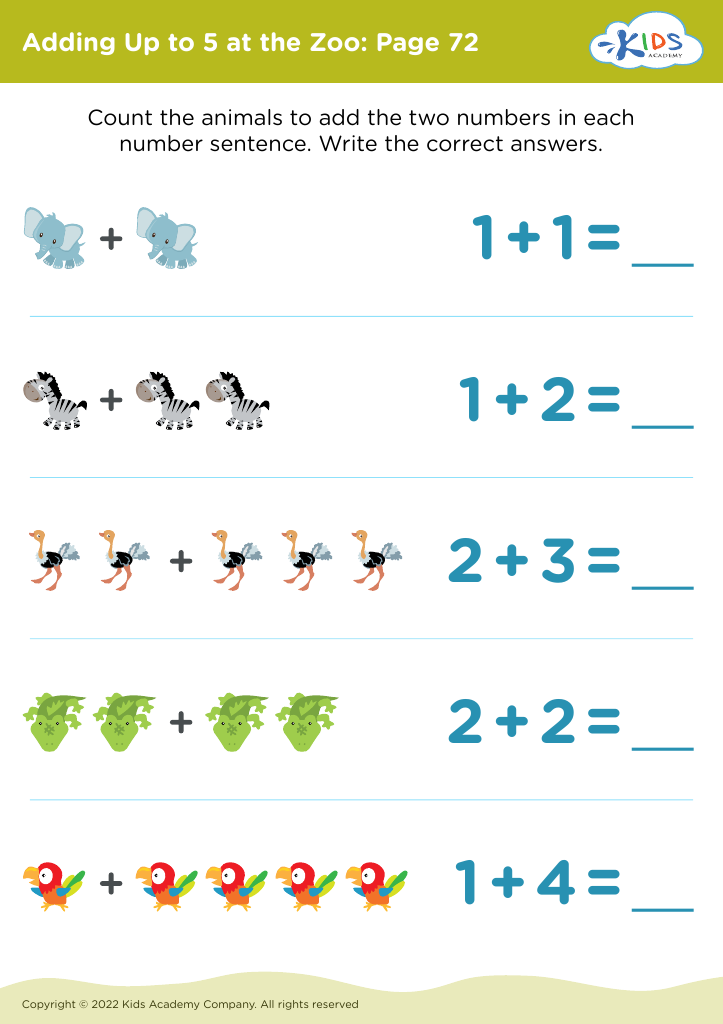
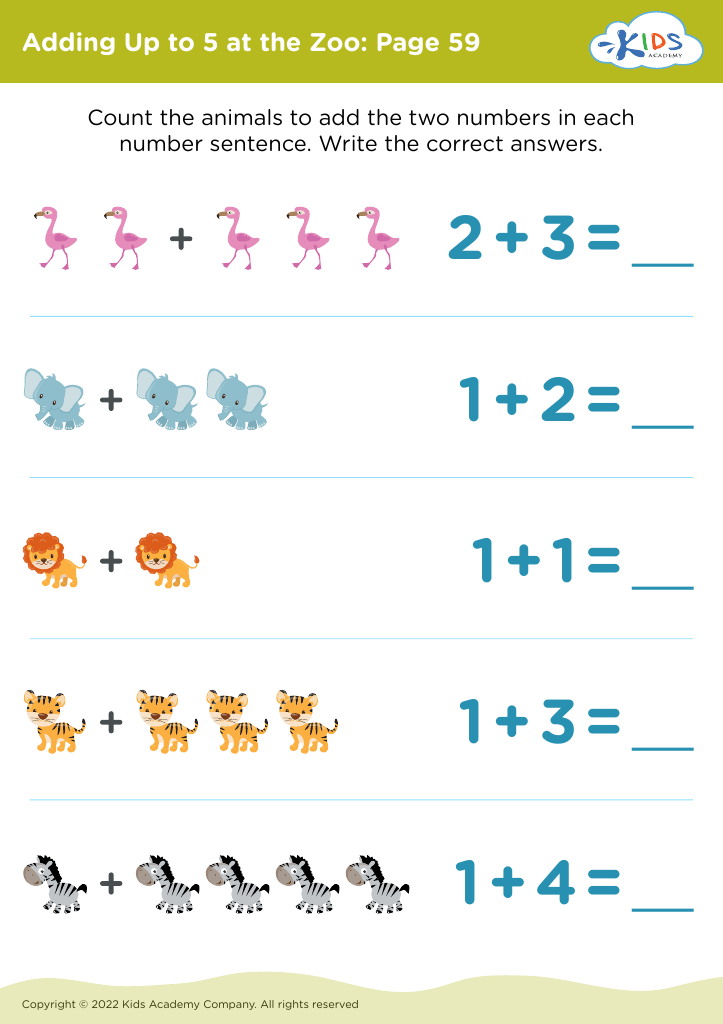
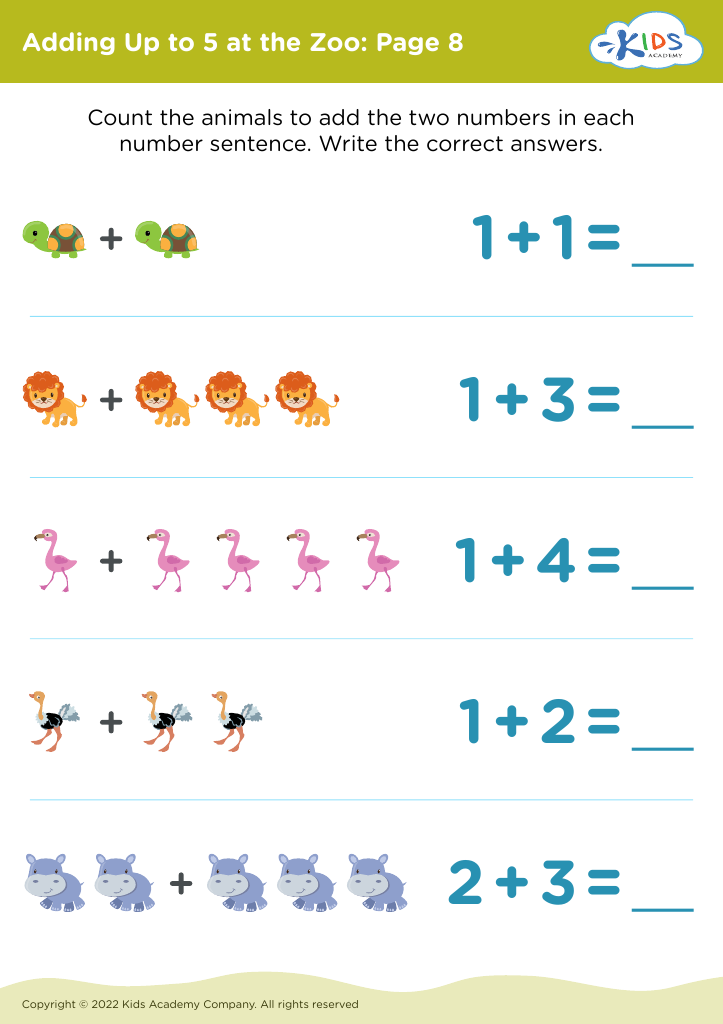
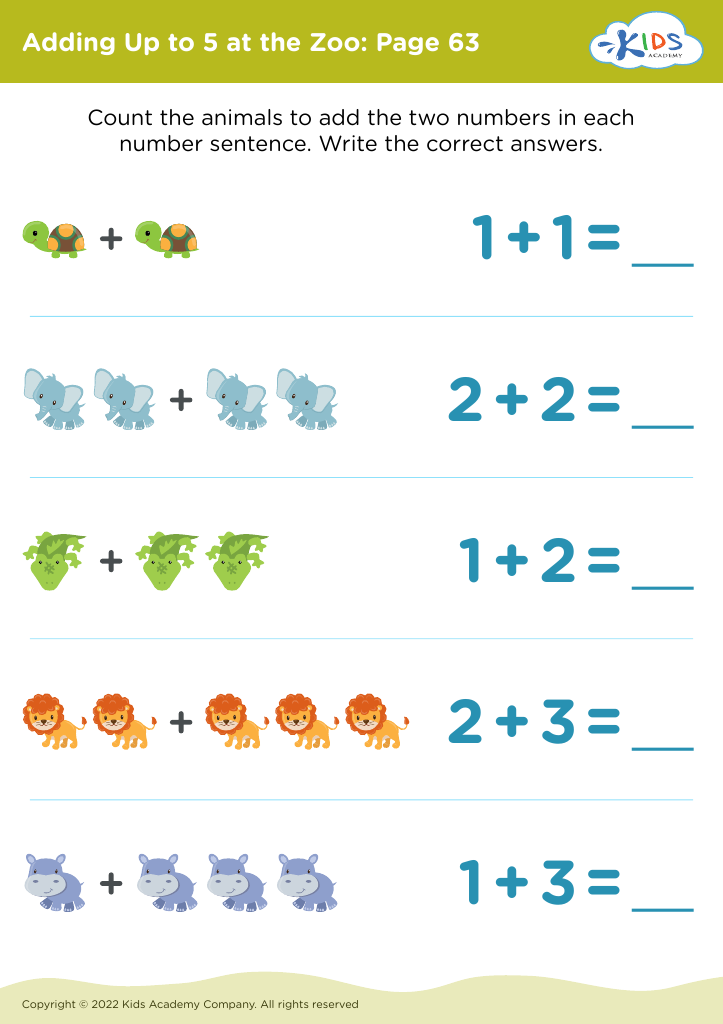
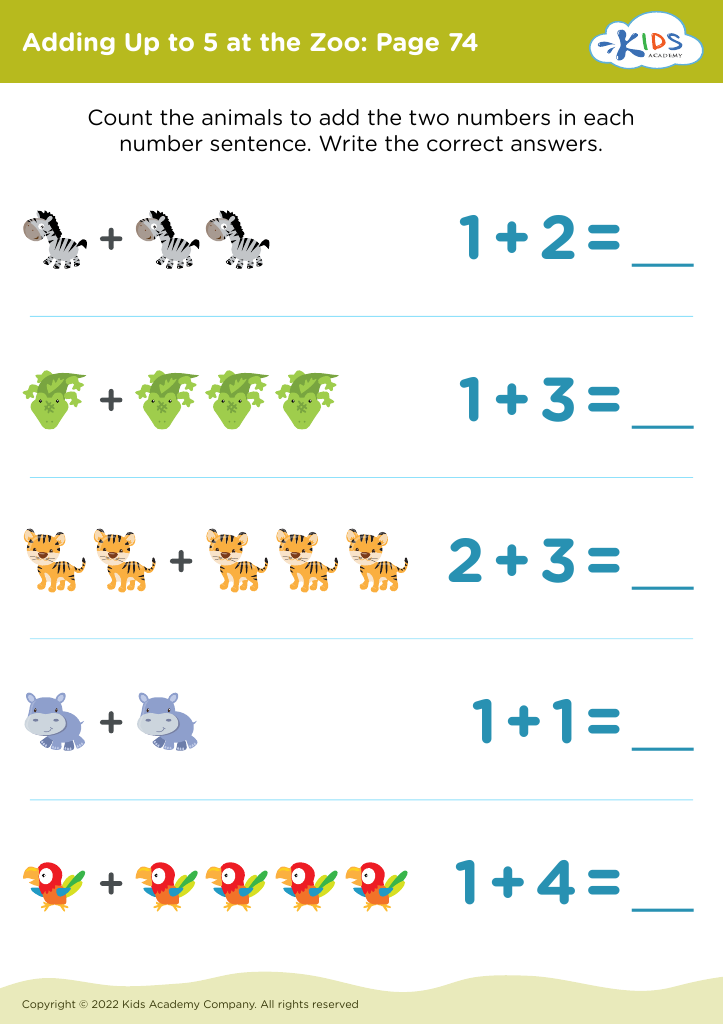
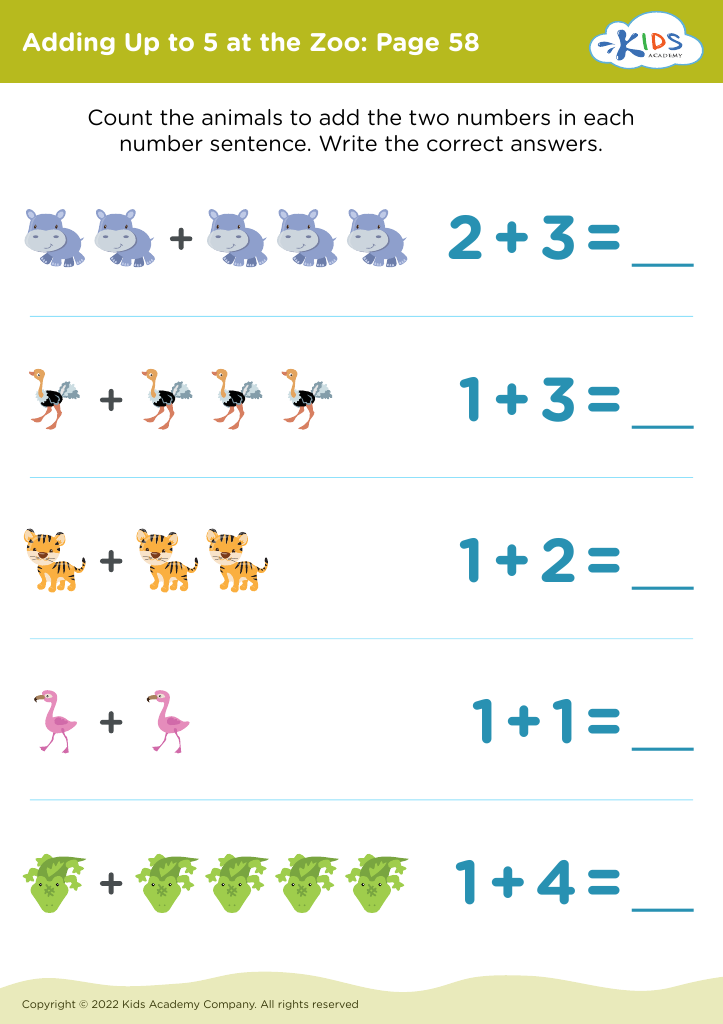
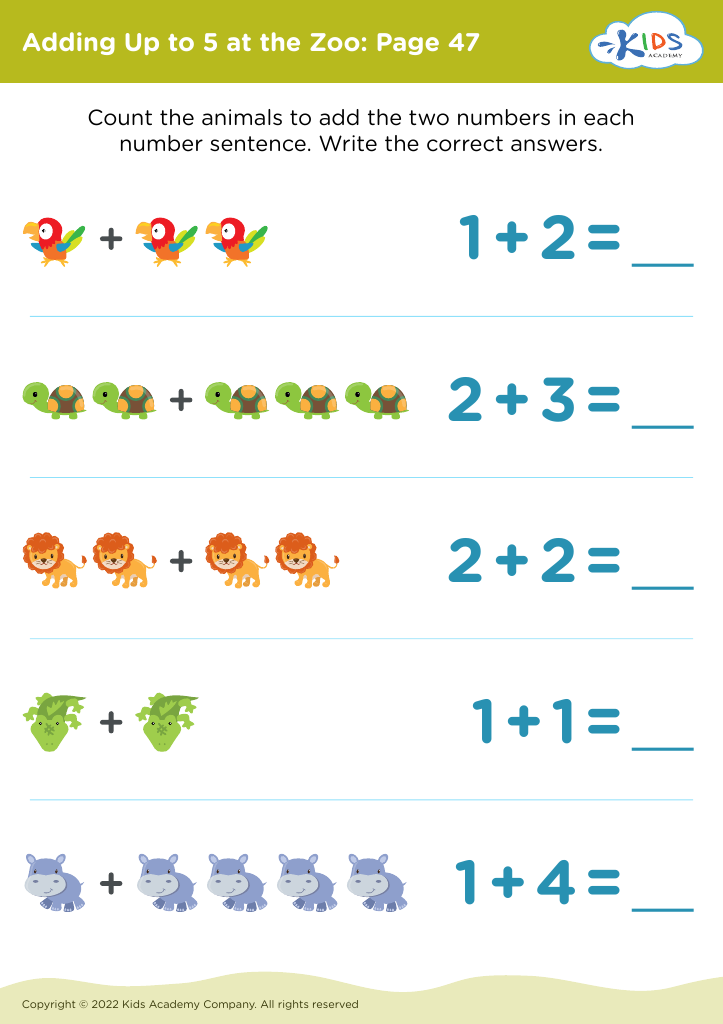



Number recognition and skills like addition are foundational elements of early childhood education. Engaging activities like "Number Recognition Adding at the Zoo" can captivate young learners aged 3-9, making math both fun and relatable.
This interactive approach fosters a love for learning and helps children understand basic mathematical concepts in a memorable context. By using animal-themed scenarios, children connect maths to the real world, enhancing both focus and retention. Moreover, incorporating playful themes can draw in reluctant learners who might struggle with traditional methods.
Parents and teachers should care about this type of learning because it sets the stage for future mathematical understanding and promotes critical thinking. Number recognition is crucial for everyday tasks and more advanced math later on, and mastering these skills provides children with the confidence to tackle more complex problems.
Additionally, group activities promote social skills as children collaborate and learn from one another. They also provide opportunities for adults to engage in guiding conversations about numbers and counting, reinforcing parental involvement and interest in a child’s education.
Ultimately, activities that blend fun with foundational math skills can significantly enhance cognitive development, making early experiences crucial for lifelong learning and success in mathematics.