Filters

305 filtered results

Clear all filters
Favorites
With answer key
Interactive

305 filtered results

Difficulty Level

Grade


Check out this FREE Trial Lesson on Addition & Subtraction for age 3-9!

Match Objects that Fit Together

Favorites
With answer key
Interactive
  • 3-9
  • Counting practice
  • Addition & Subtraction
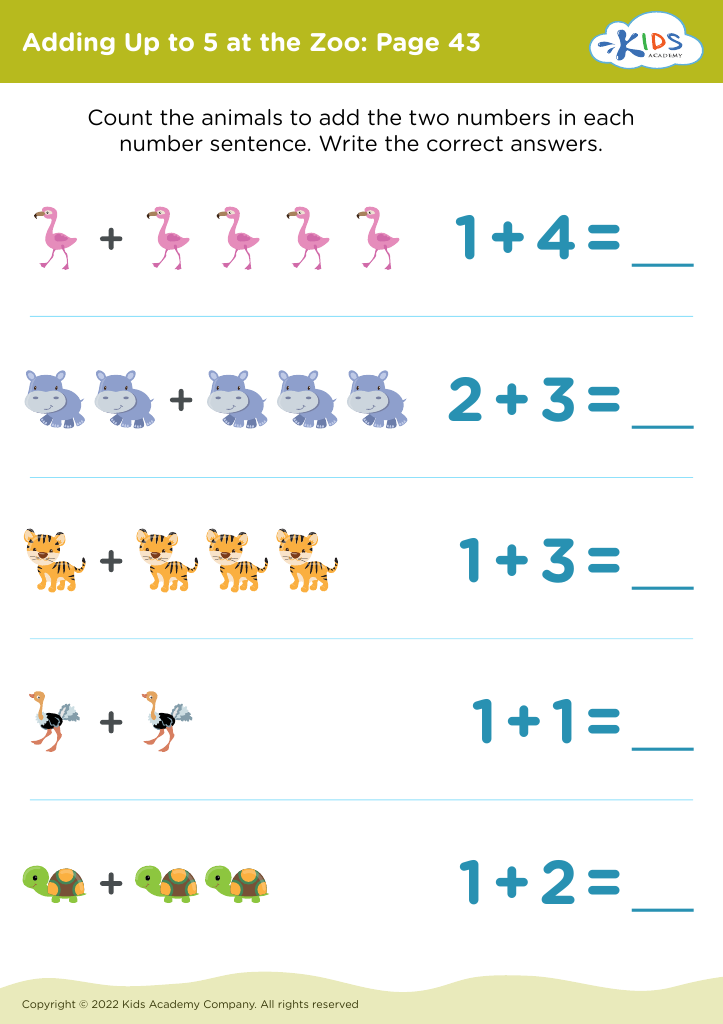
Adding Up to 5 at the Zoo: Page 43
Worksheet
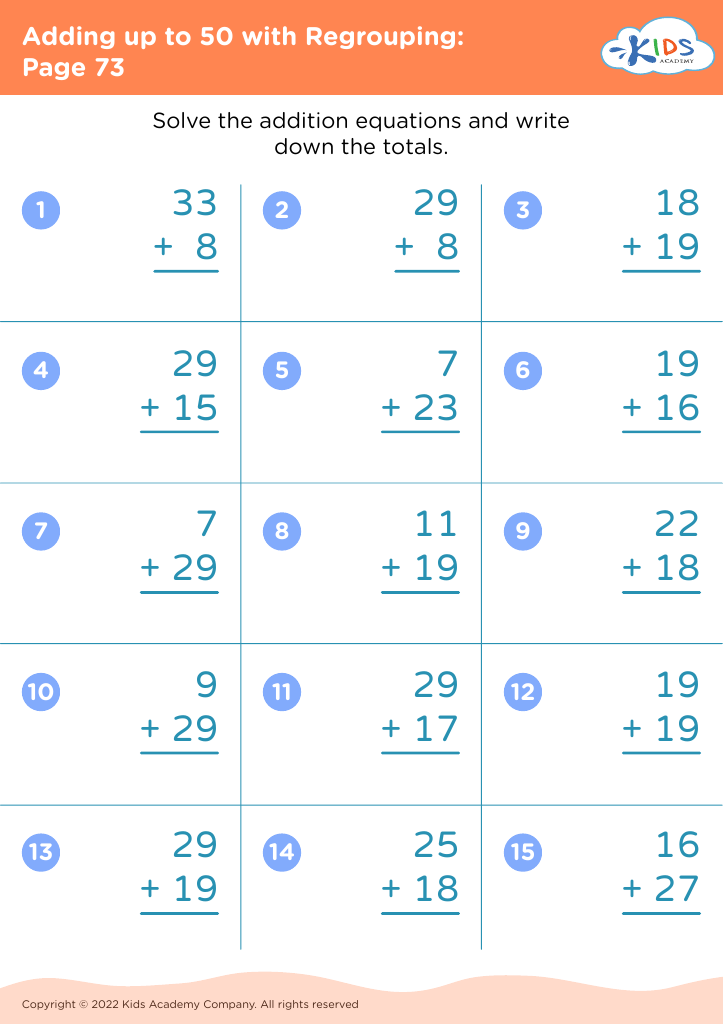
Adding up to 50 with Regrouping: Page 73
Worksheet
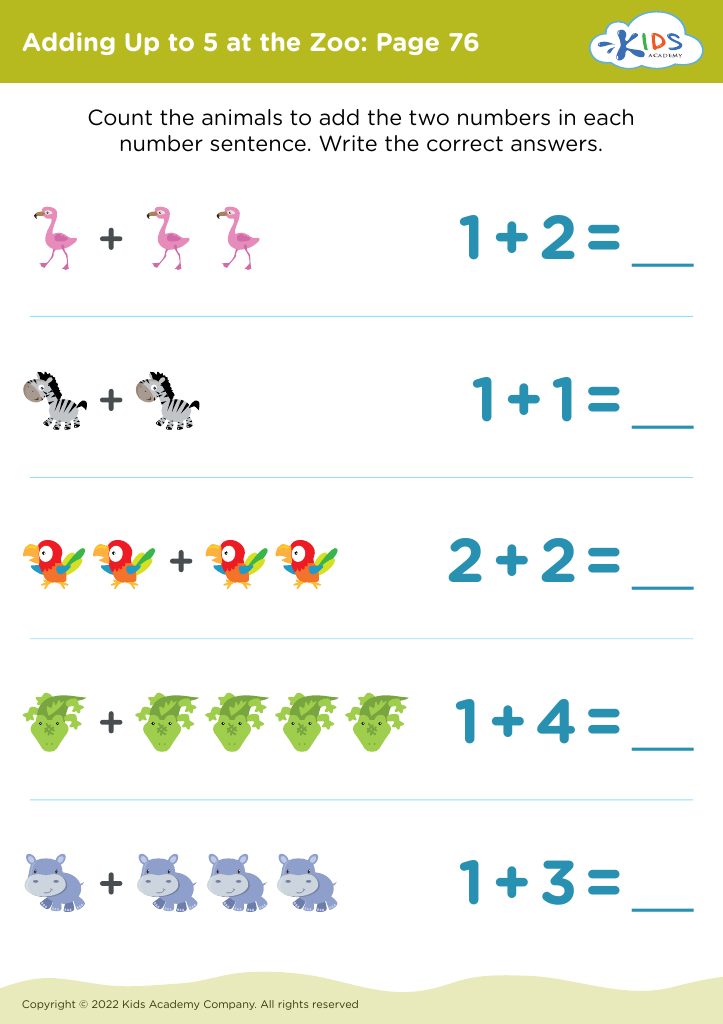
Adding Up to 5 at the Zoo: Page 76
Worksheet
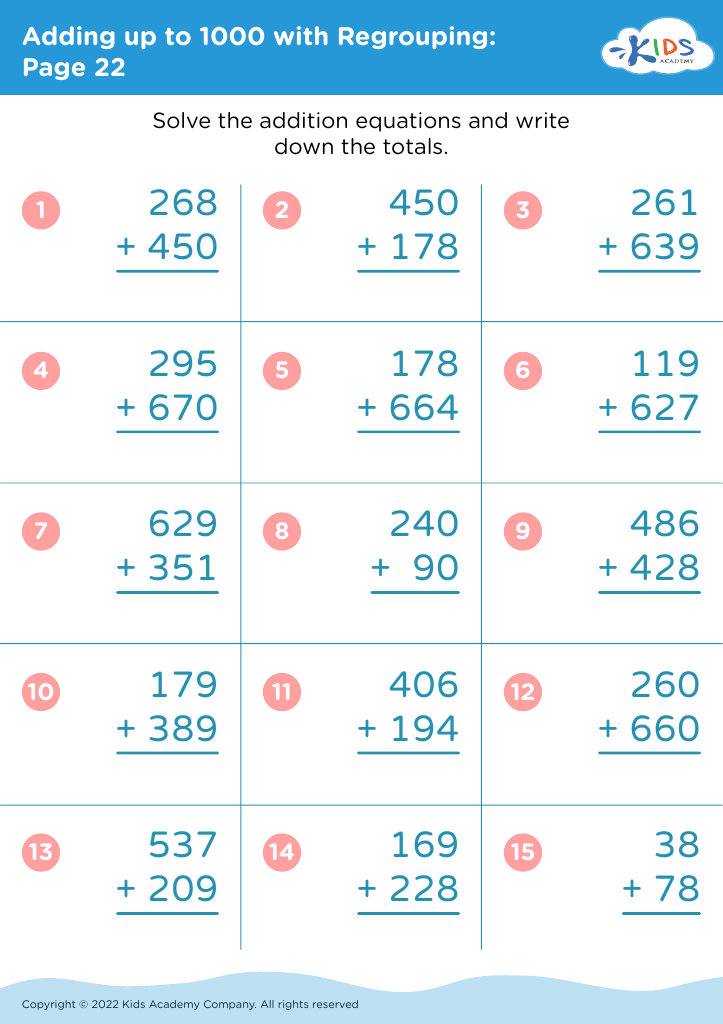
Adding up to 1000 with Regrouping: Page 22
Worksheet
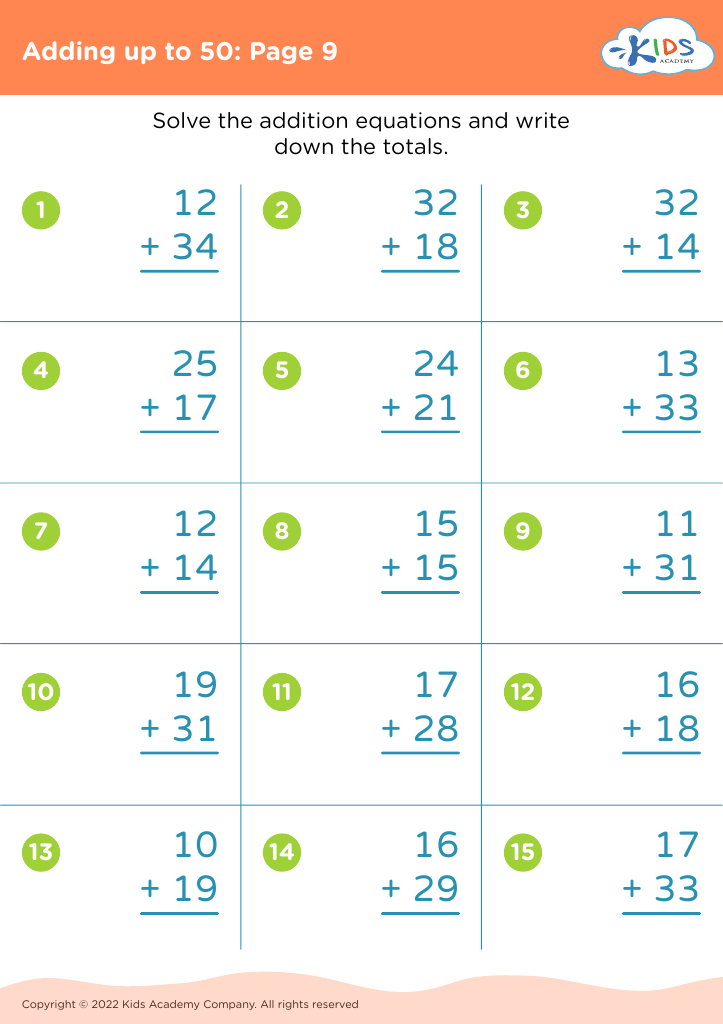
Adding up to 50: Page 9

Adding up to 50: Page 9

Adding up to 50: Page 9
Worksheet
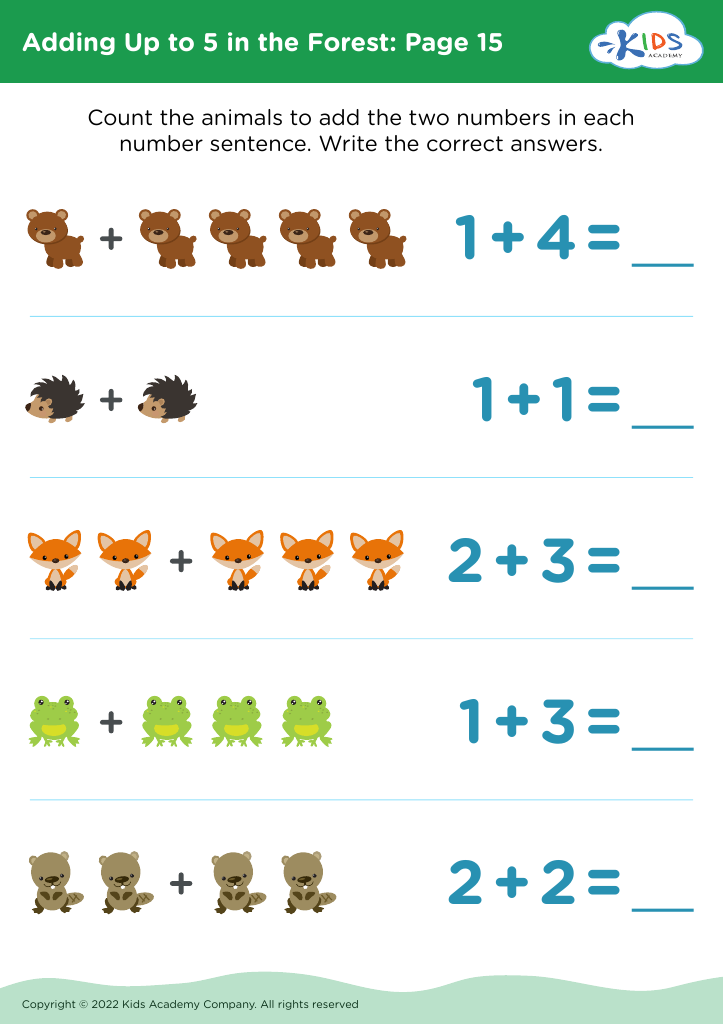
Adding Up to 5 in the Forest: Page 15
Worksheet
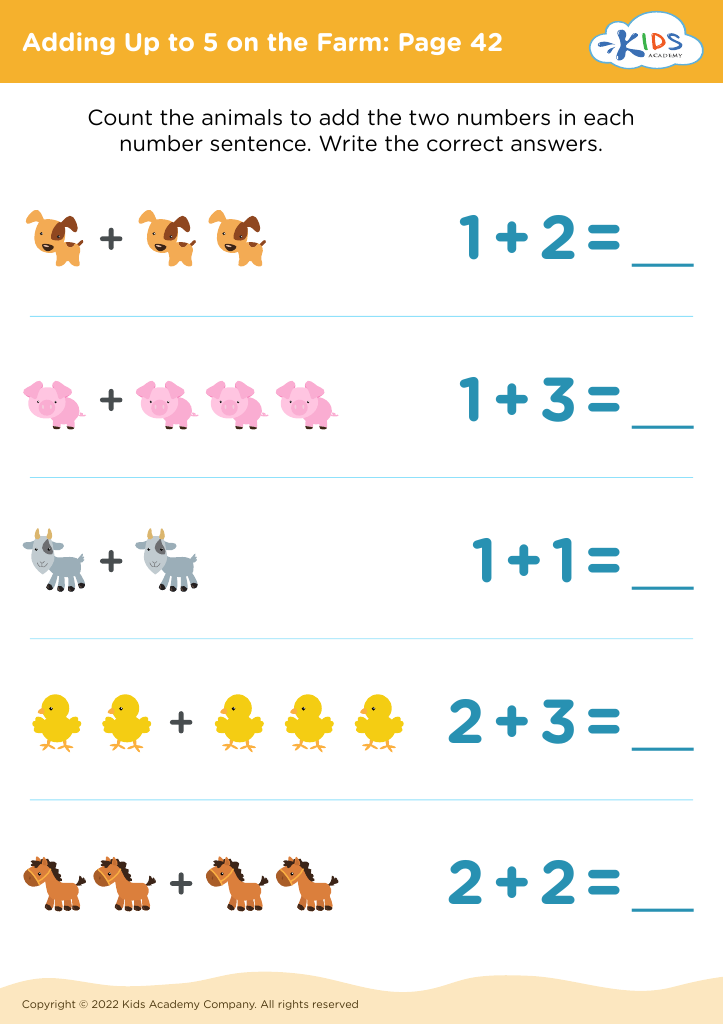
Adding Up to 5 on the Farm: Page 42
Worksheet
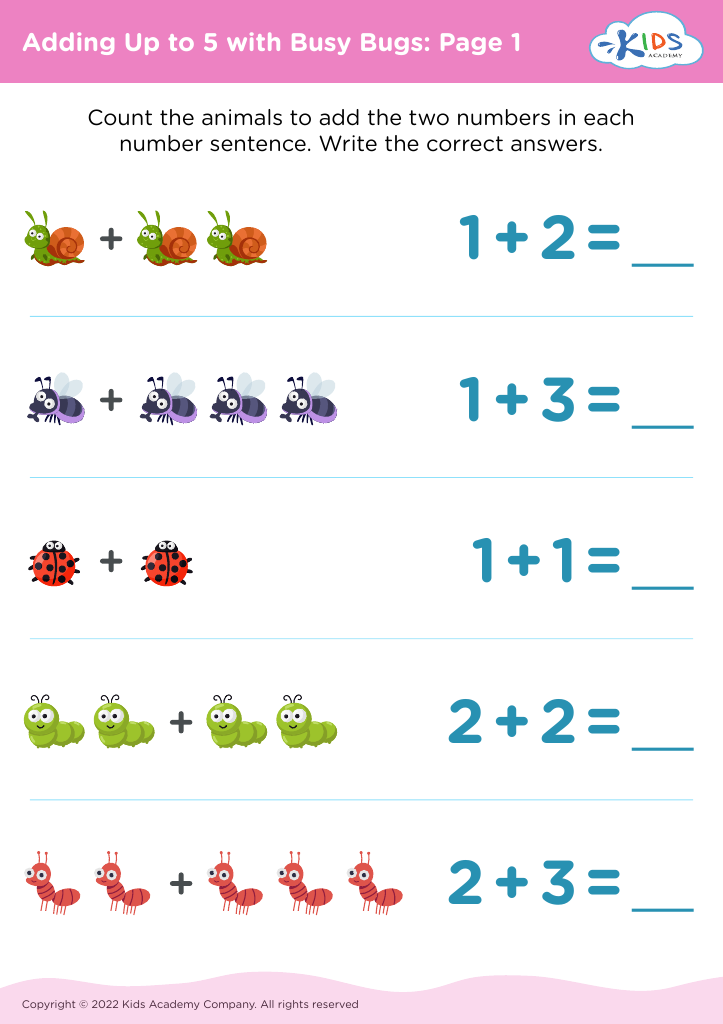
Adding Up to 5 with Busy Bugs: Page 1
Worksheet
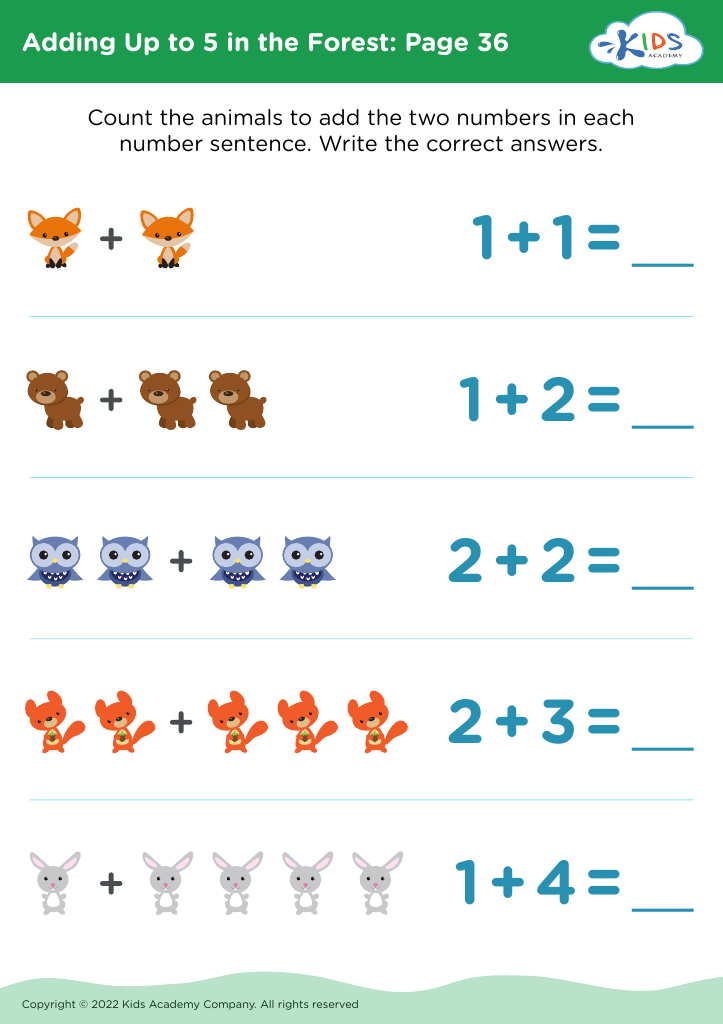
Adding Up to 5 in the Forest: Page 36
Worksheet
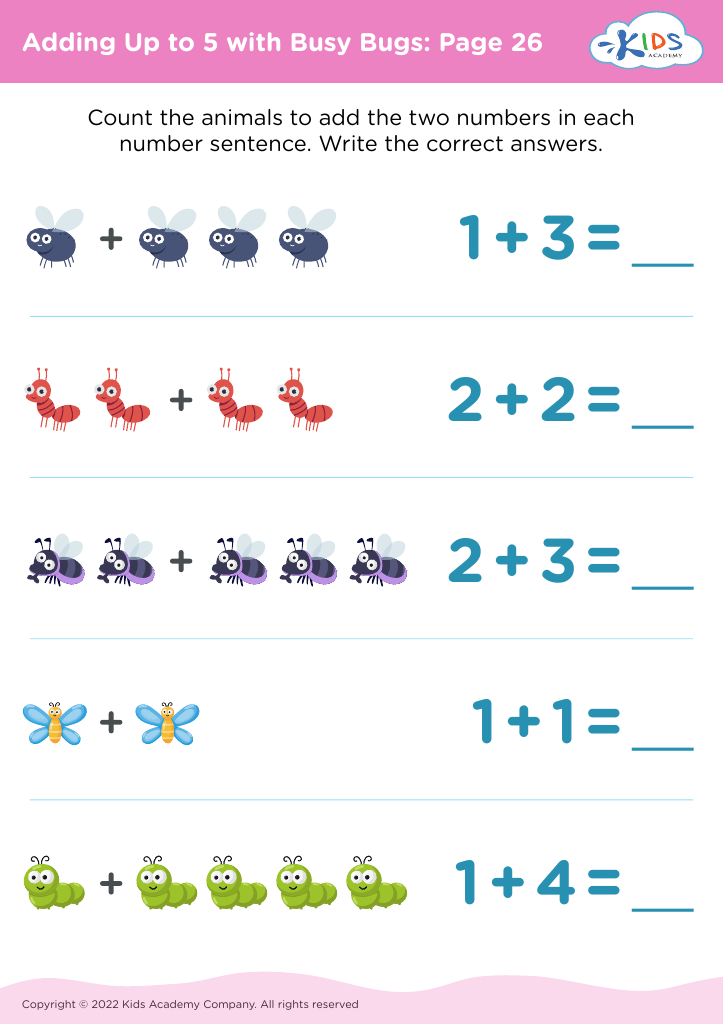
Adding Up to 5 with Busy Bugs: Page 26
Worksheet
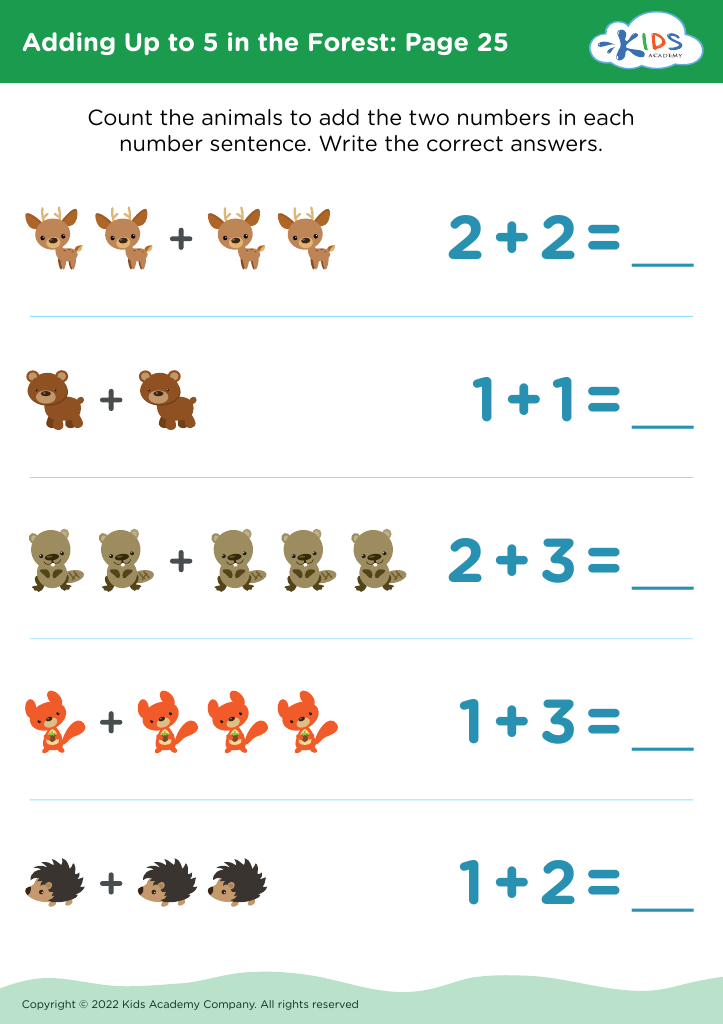
Adding Up to 5 in the Forest: Page 25
Worksheet
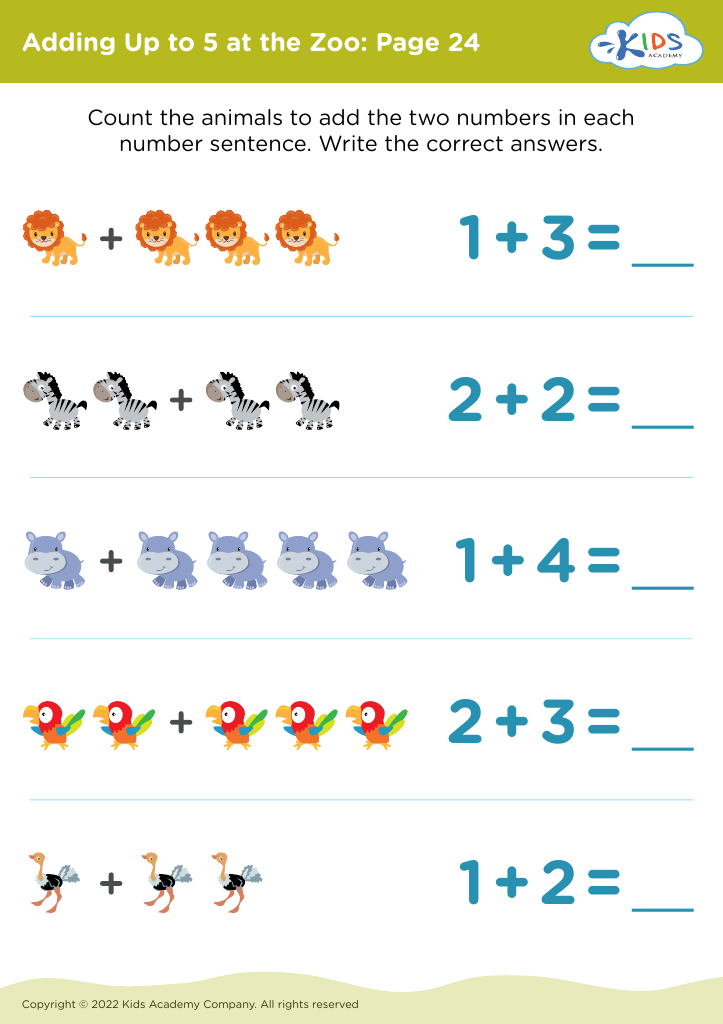
Adding Up to 5 at the Zoo: Page 24
Worksheet
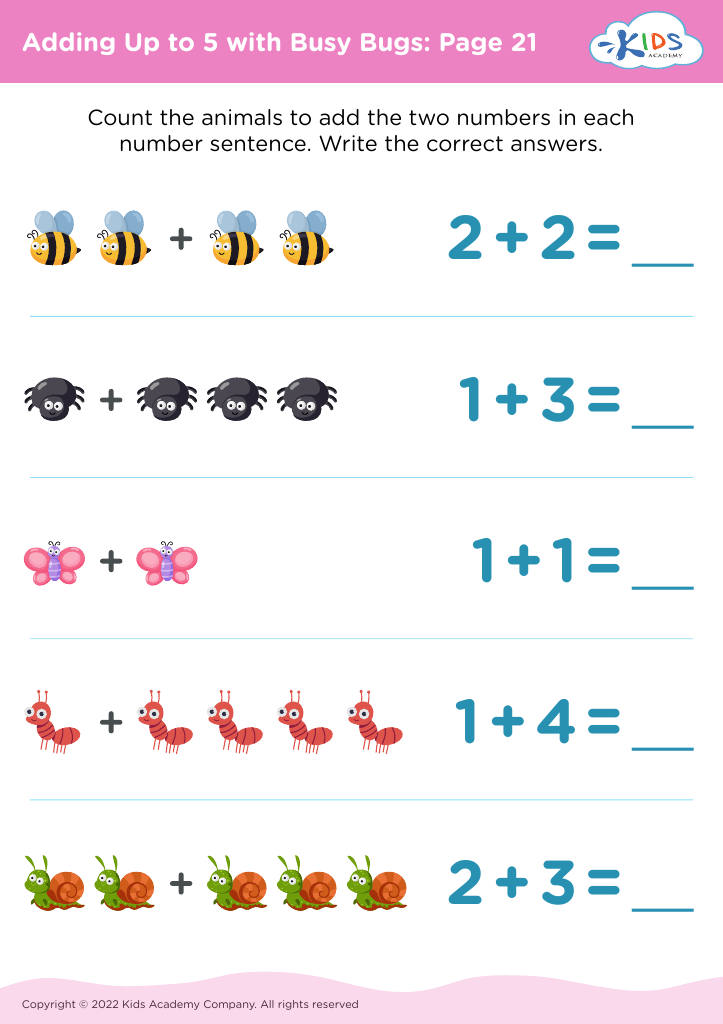
Adding Up to 5 with Busy Bugs: Page 21
Worksheet
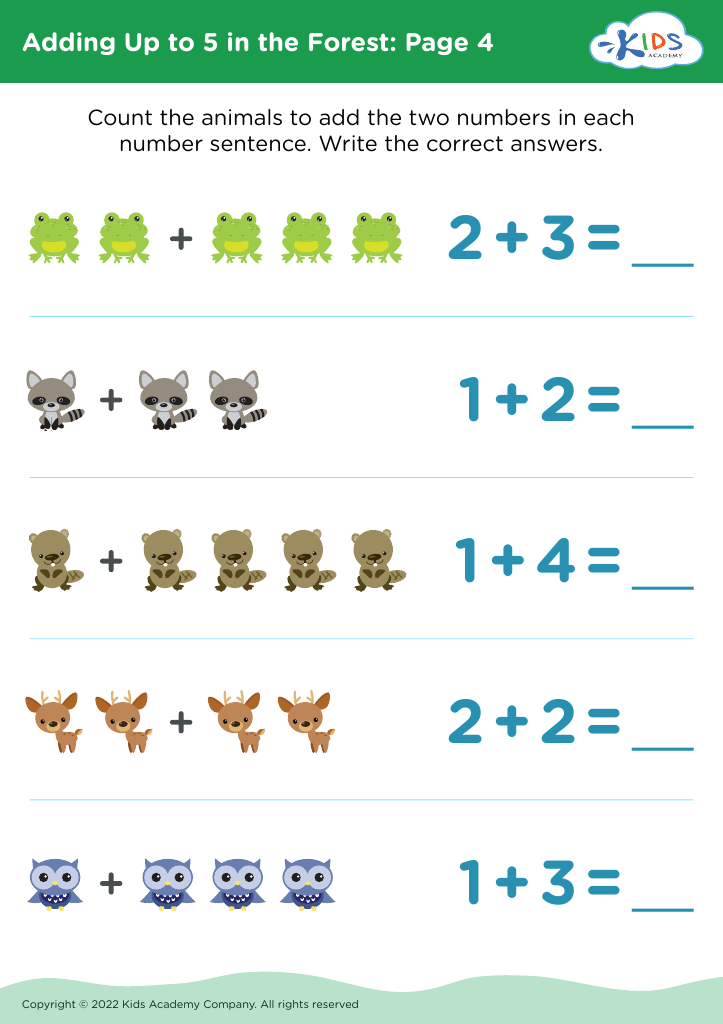
Adding Up to 5 in the Forest: Page 4
Worksheet
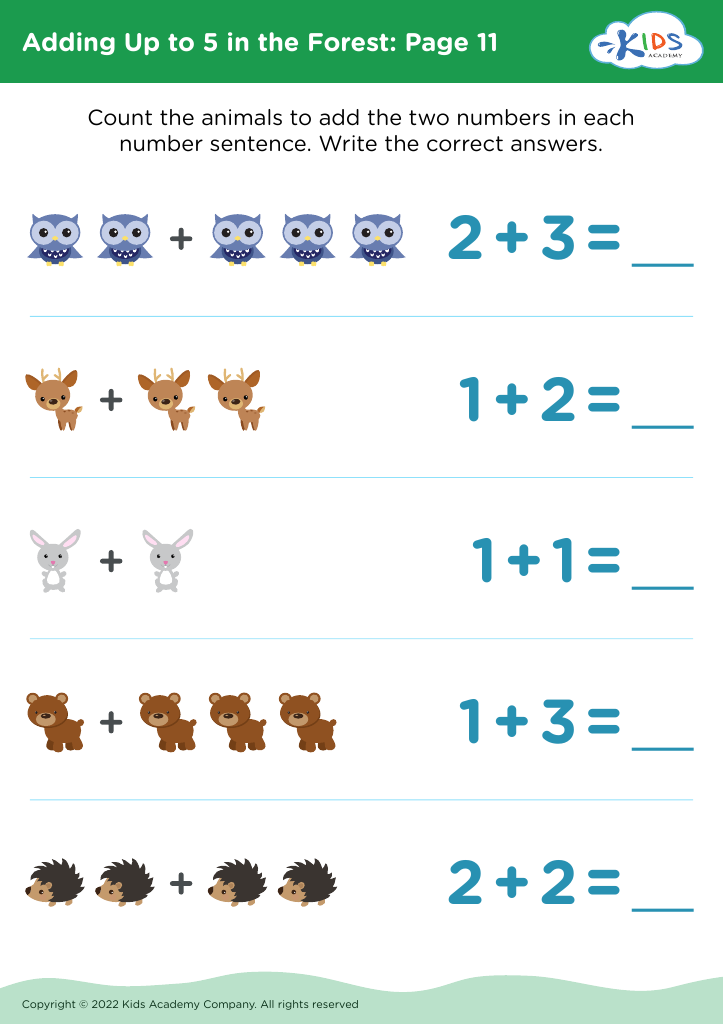
Adding Up to 5 in the Forest: Page 11
Worksheet
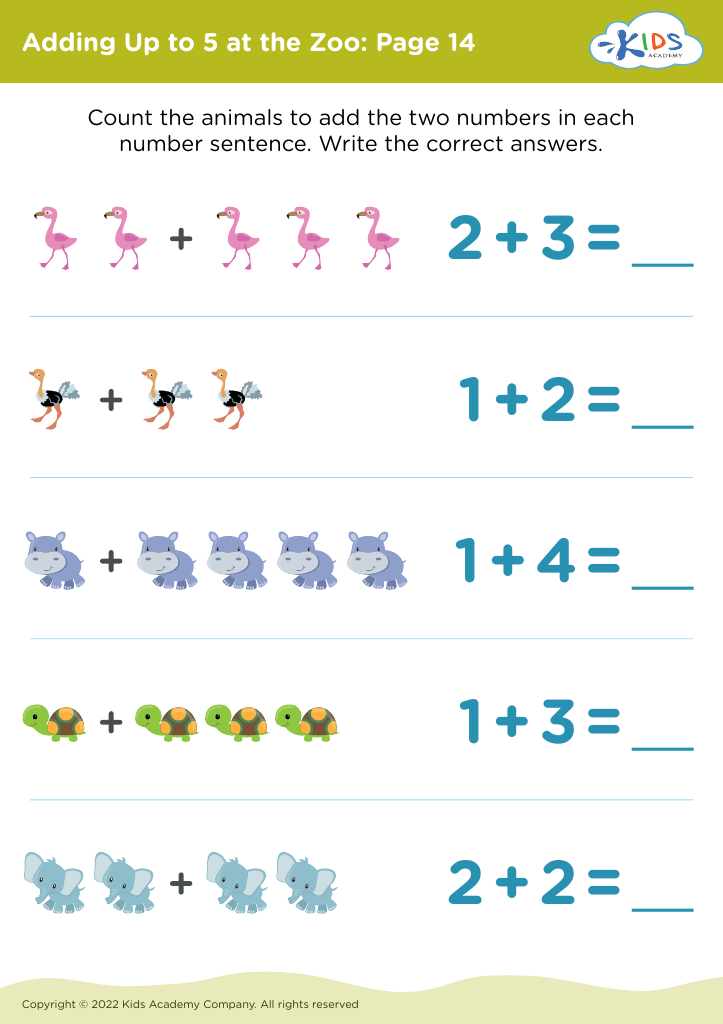
Adding Up to 5 at the Zoo: Page 14
Worksheet
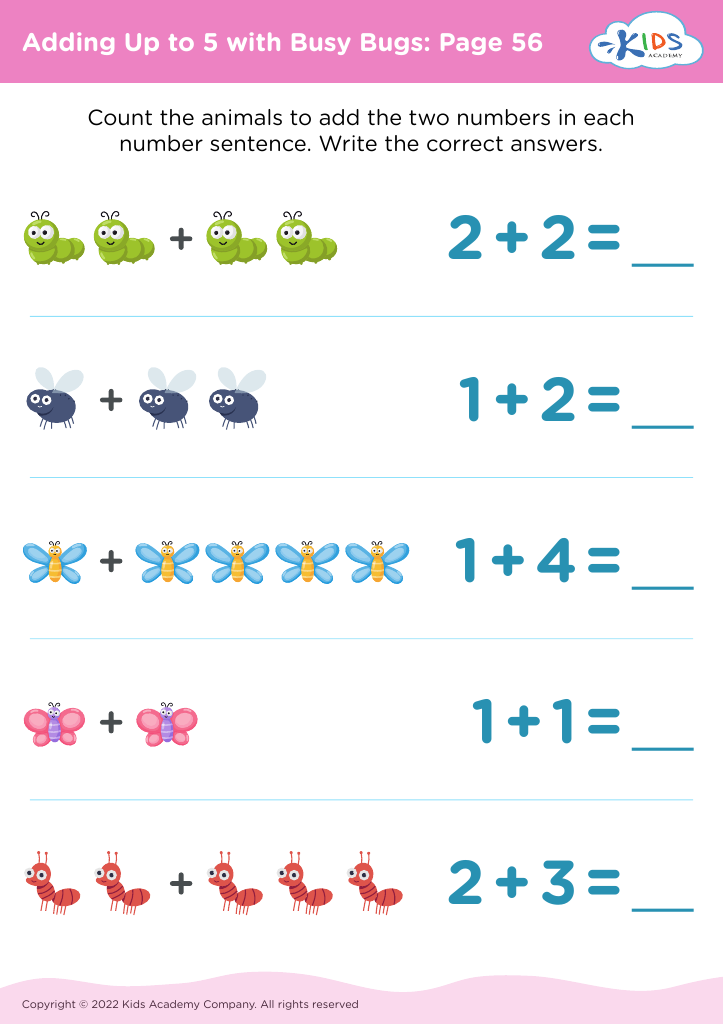
Adding Up to 5 with Busy Bugs: Page 56
Worksheet
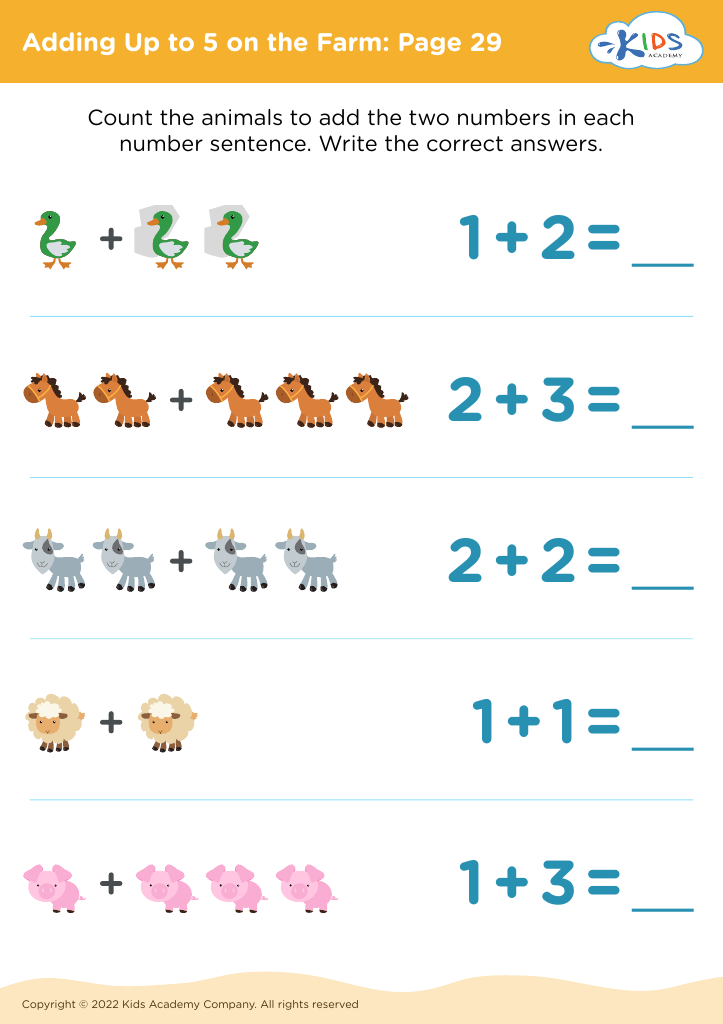
Adding Up to 5 on the Farm: Page 29
Worksheet
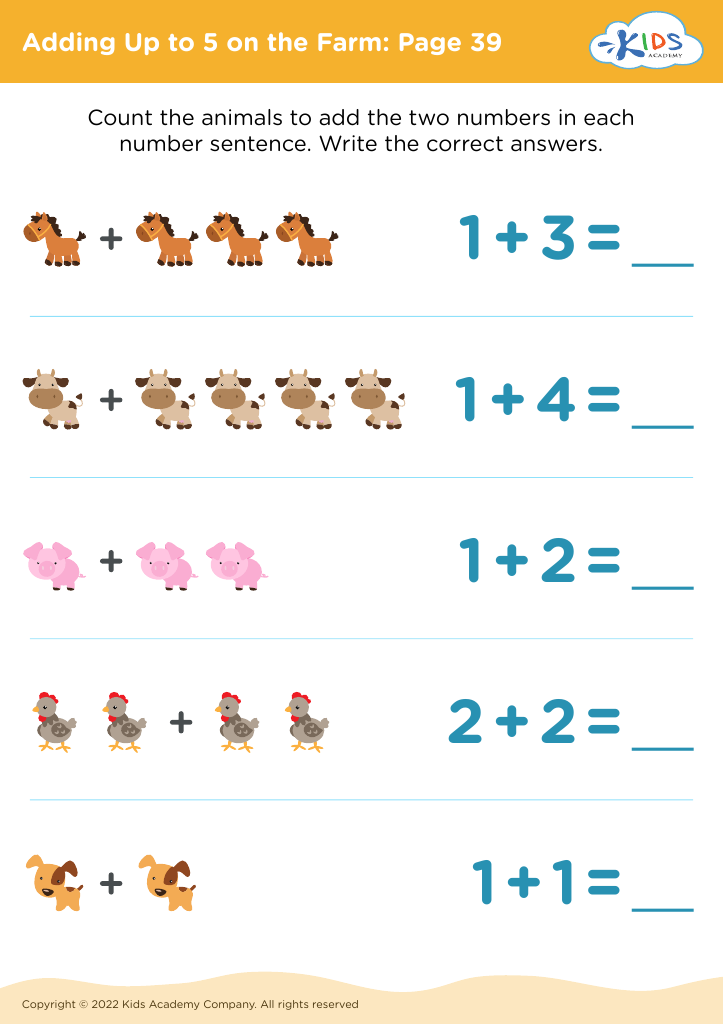
Adding Up to 5 on the Farm: Page 39
Worksheet
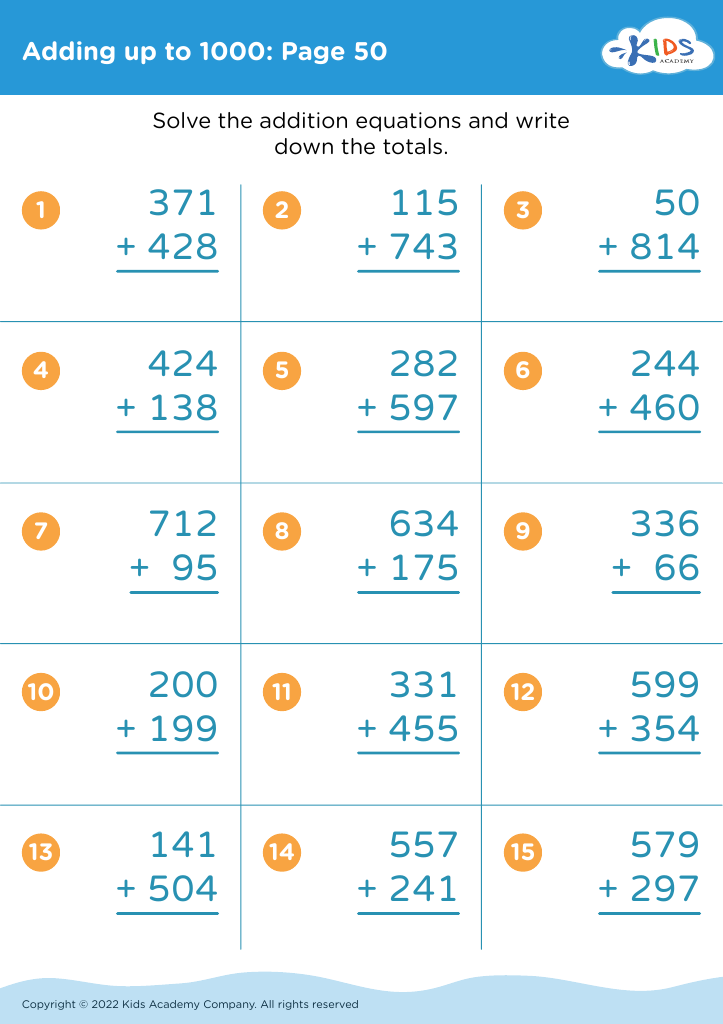
Adding up to 1000: Page 50

Adding up to 1000: Page 50

Adding up to 1000: Page 50
Worksheet
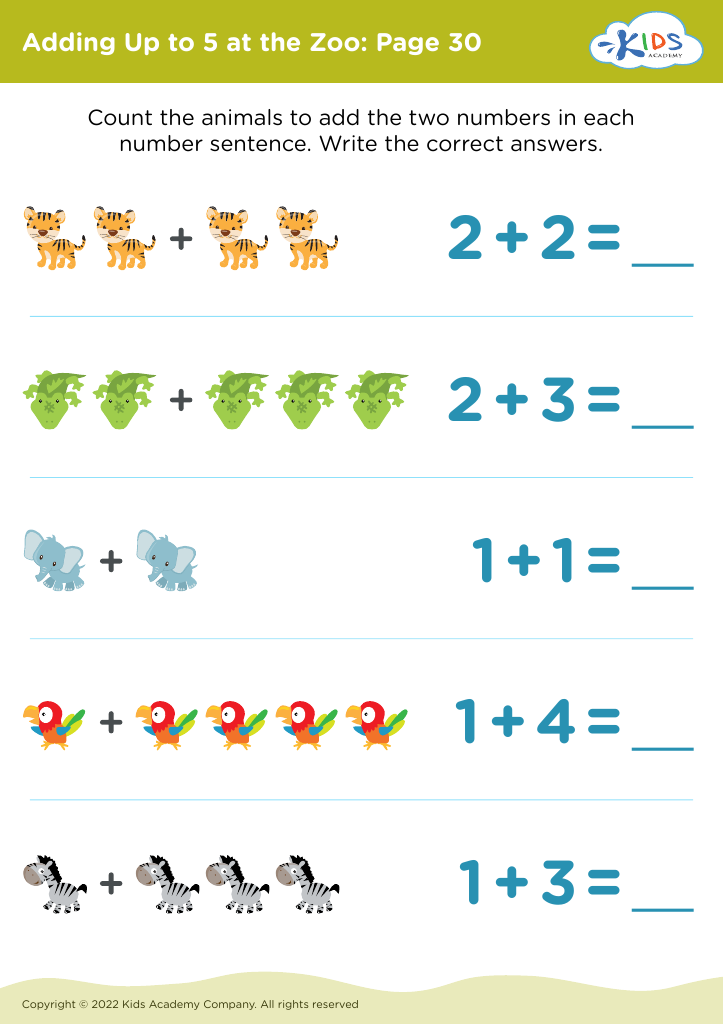
Adding Up to 5 at the Zoo: Page 30
Worksheet
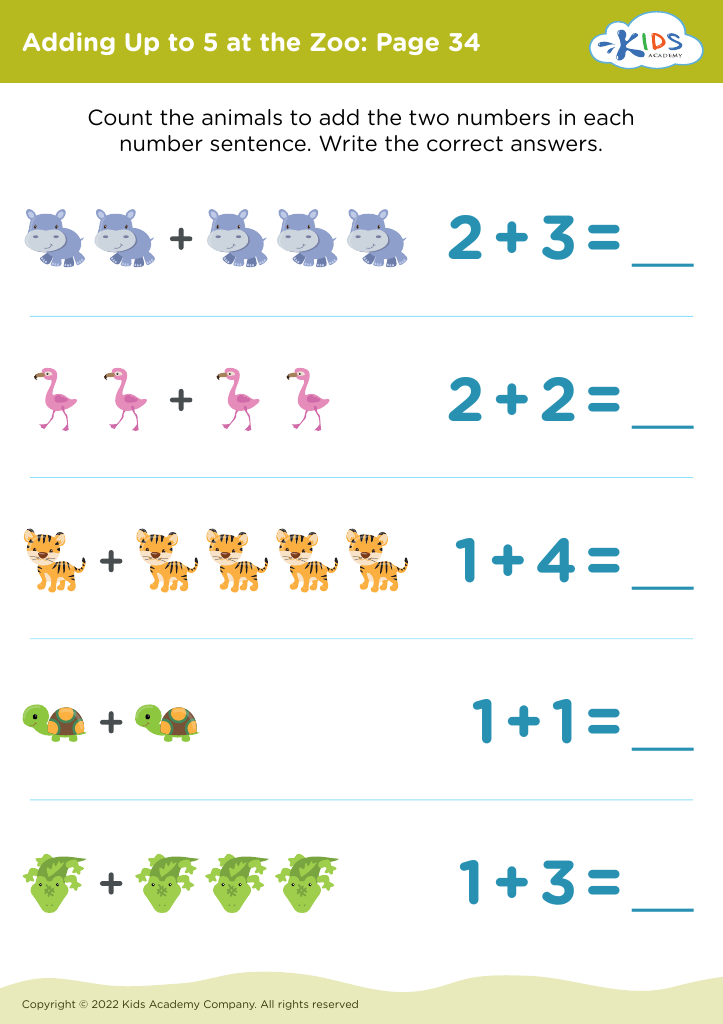
Adding Up to 5 at the Zoo: Page 34
Worksheet
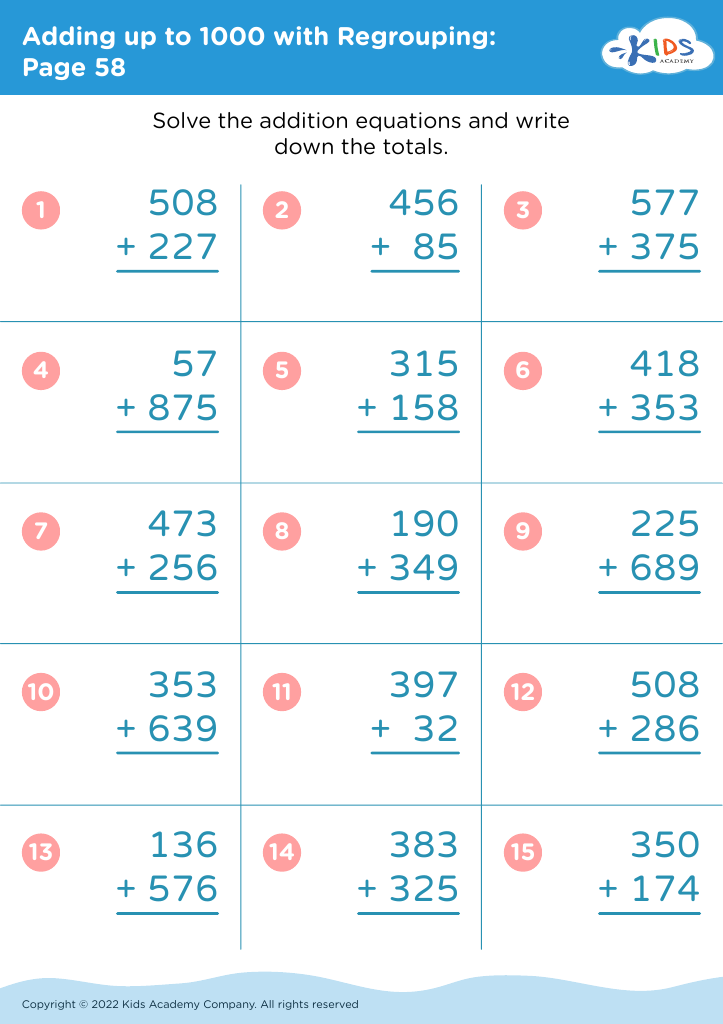
Adding up to 1000 with Regrouping: Page 58
Worksheet
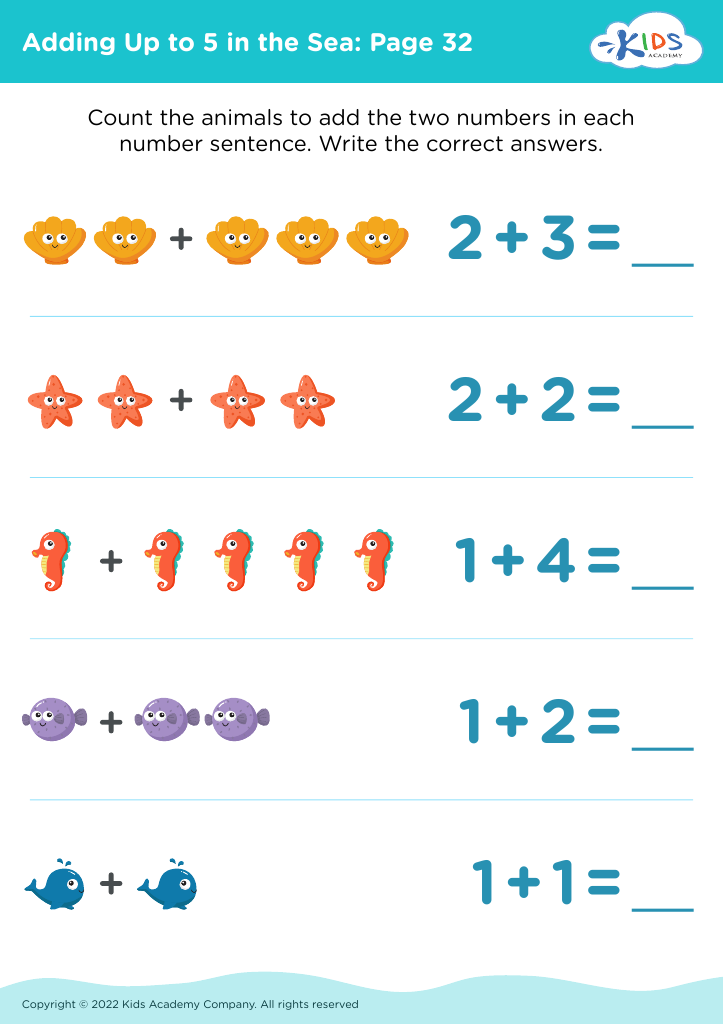
Adding Up to 5 in the Sea: Page 32
Worksheet


Counting practice in addition and subtraction is essential for children aged 3-9, as it builds foundational skills for lifelong mathematical understanding and problem-solving. At this critical developmental stage, children are naturally curious and eager to explore numbers, making it the perfect time for parents and teachers to foster a positive attitude towards mathematics.

Engaging in counting and basic operations helps children develop number sense, which is the ability to recognize, understand, and manipulate numbers. This not only aids in their academic success but also improves their cognitive skills, enhancing their logical reasoning and critical thinking abilities.

Moreover, counting activities enhance fine motor skills, as children often use manipulatives like blocks or counters to visualize numerical concepts. This kinesthetic approach makes learning memorable and enjoyable.

Additionally, early competency in addition and subtraction establishes a strong foundation for more complex mathematical concepts in higher grades. By prioritizing these skills, parents and teachers are equipping children with the tools to become confident learners, capable of approaching mathematics with ease. The impact of early counting practice goes beyond academics—it nurtures perseverance, attention, and self-esteem, which are vital skills for success in all areas of life.