Critical thinking skills Addition & Subtraction Worksheets for Ages 3-9
9 filtered results
-
From - To
Foster your child's problem-solving abilities with our Critical Thinking Skills Addition & Subtraction Worksheets designed for ages 3-9. These engaging exercises go beyond simple math practice, encouraging young learners to apply critical thinking in real-world scenarios. Our expertly crafted worksheets ensure that children not only master addition and subtraction but also enhance their analytical skills. Through fun and challenging problems, kids will develop a deeper understanding of mathematical concepts, improve their logical reasoning, and boost their confidence. Equip your child with the essential skills for future academic success by making math fun and enriching with Kids Academy’s premium worksheets.
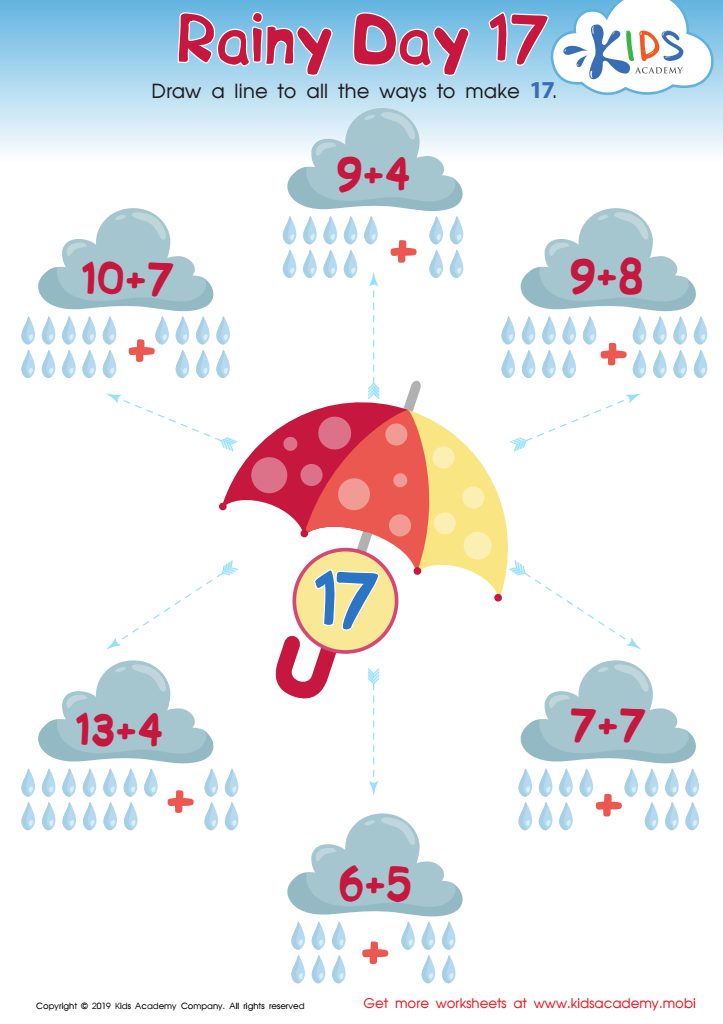
Rainy Day 17 Worksheet
 Assign to My Students
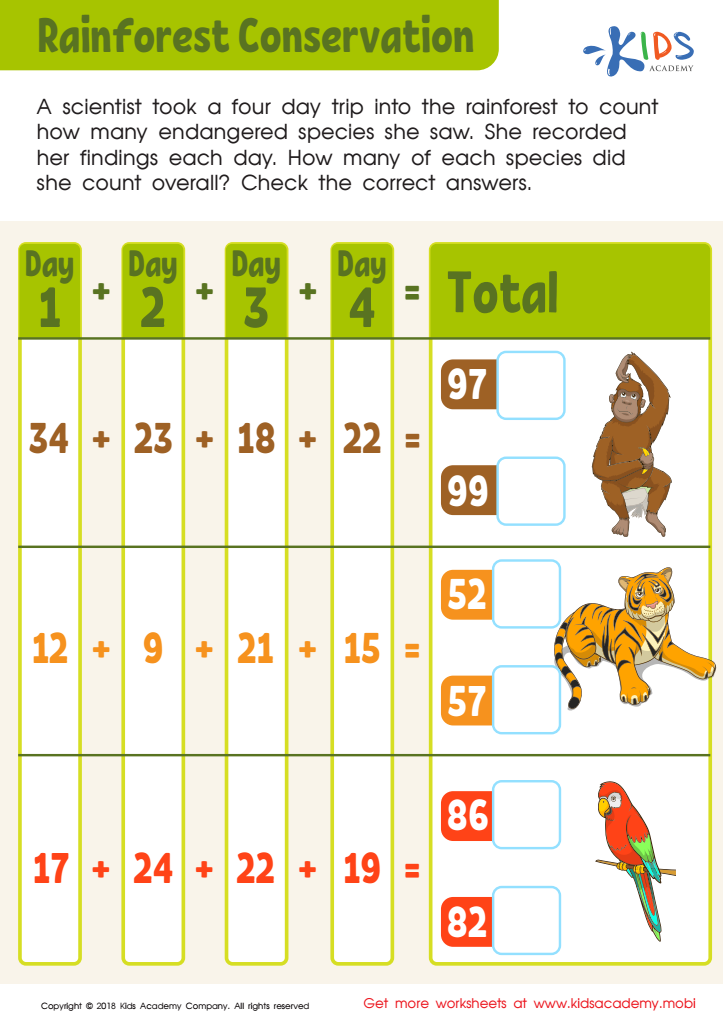
Rainforest Conservation Worksheet
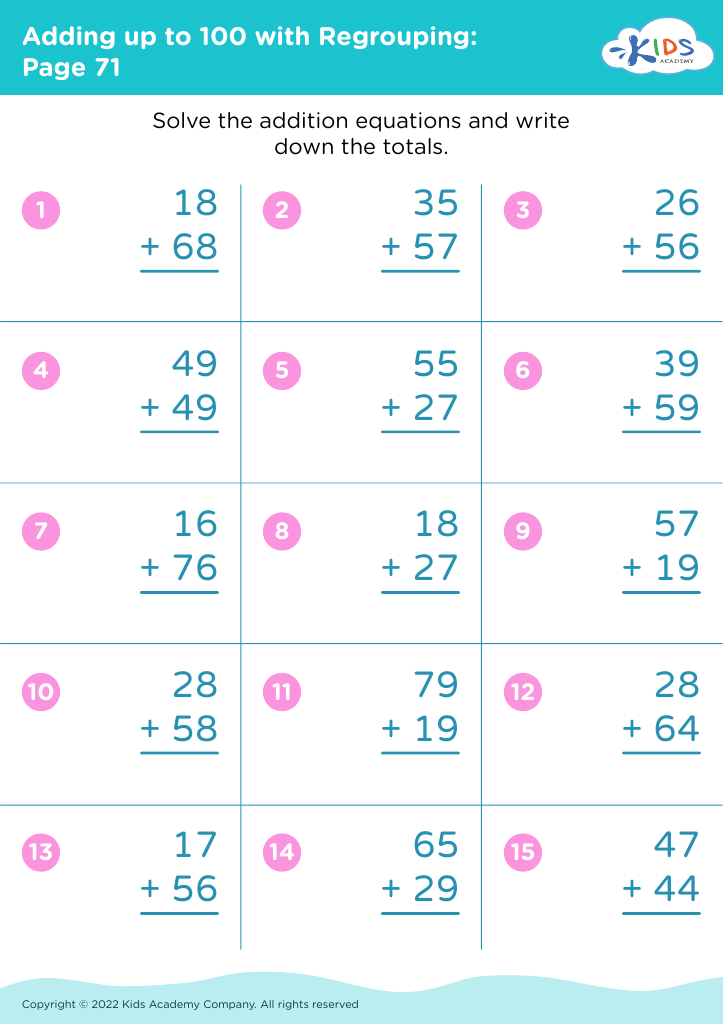
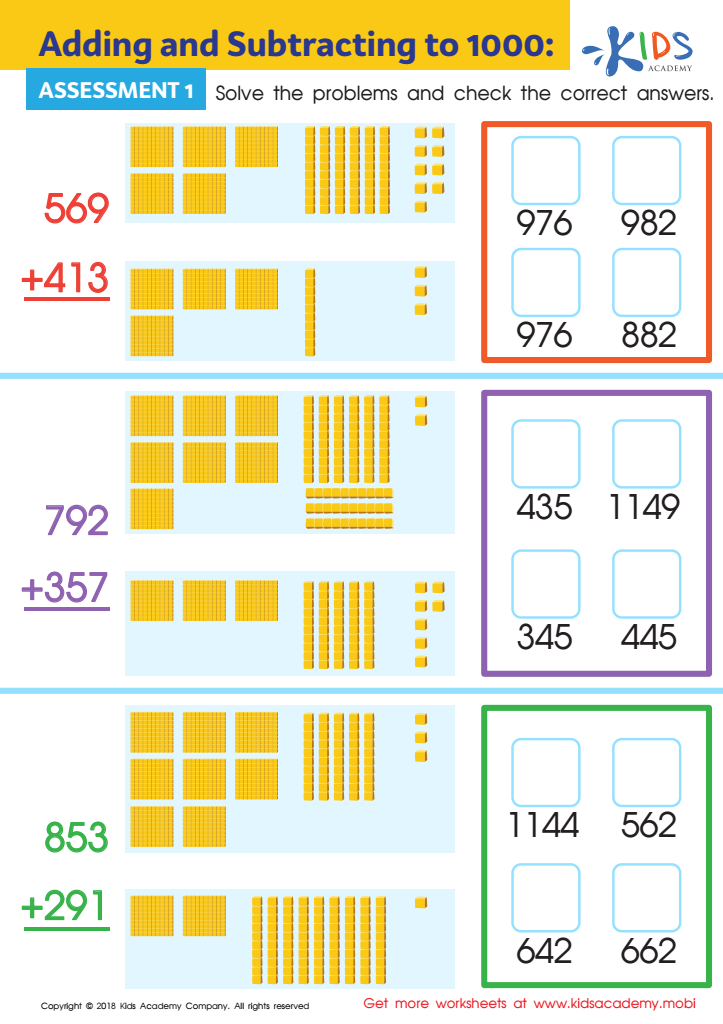
Adding and Subtracting to 1 Worksheet: Assessment 1
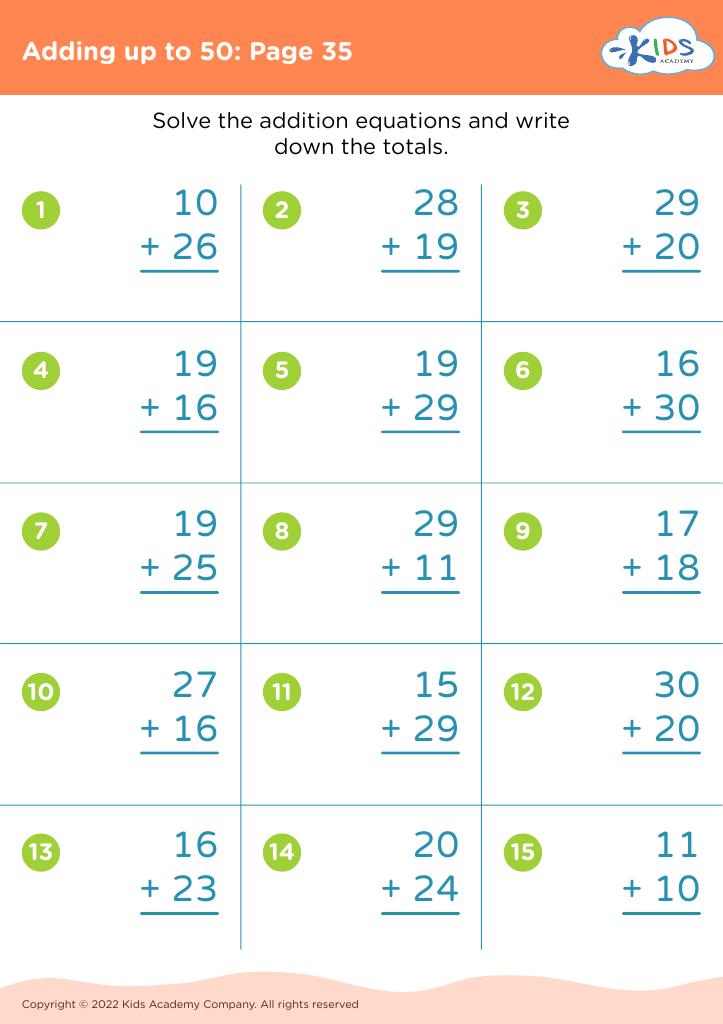
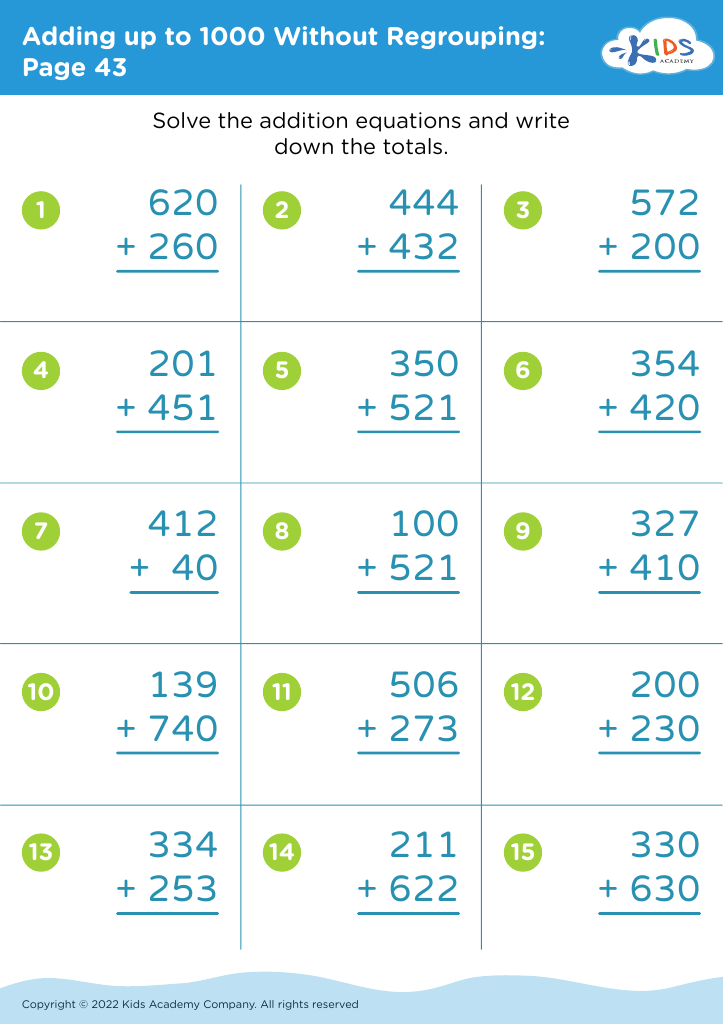
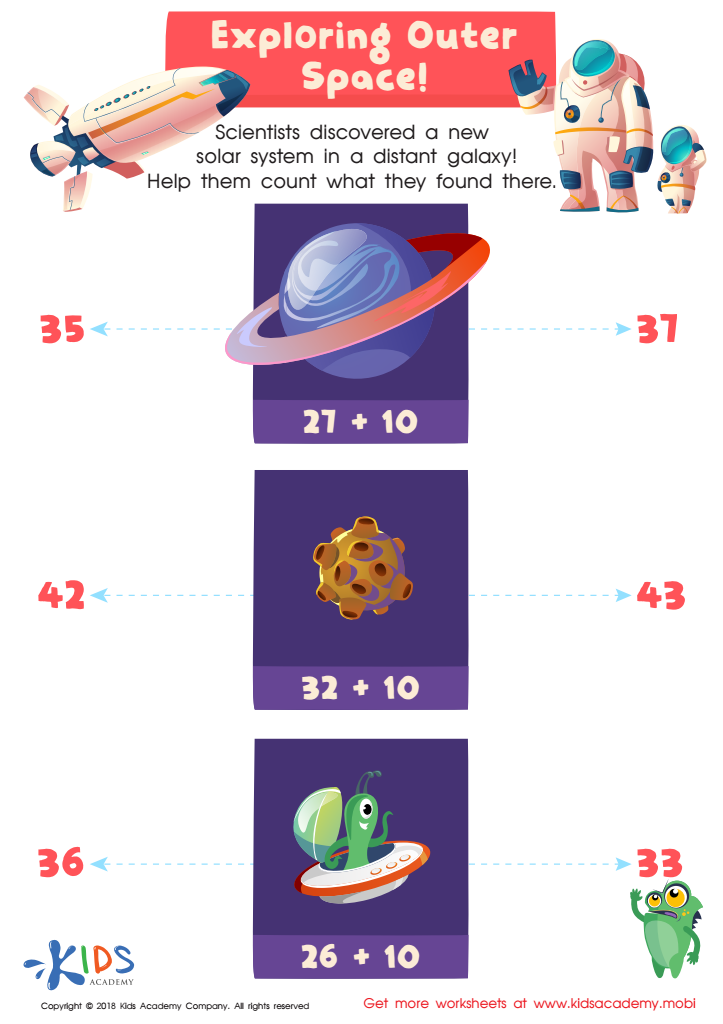
Exploring Outer Space Worksheet








Parents and teachers should prioritize the development of critical thinking skills in addition to basic math skills like addition and subtraction for children ages 3-9 because these skills form the bedrock of a child's cognitive and educational growth. Critical thinking encourages children to not only engage with mathematical problems but also to understand the 'why' and 'how' behind the solutions, fostering a deeper comprehension than rote memorization allows.
Children with strong critical thinking abilities are better at problem-solving. They can approach mathematical problems from various angles, recognize patterns, and develop logical reasoning. For instance, rather than just memorizing that 2+3=5, they can understand the concept of combining two sets to form a larger set. This flexibility and adaptability in thinking enhance their ability to tackle more complex problems in the future.
Moreover, critical thinking skills are applicable beyond mathematics. They aid in decision-making, creativity, and effective communication. At such a formative stage, nurturing these skills alongside addition and subtraction sets a foundation for lifelong learning and adaptability. Engaging children with thought-provoking mathematical activities also makes learning more enjoyable, encouraging a positive attitude towards education. Prioritizing these elements equips children with the necessary tools to navigate not just academics but everyday life challenges successfully.








