Fraction simplification Addition & Subtraction Worksheets for Ages 3-9 - Page 3
58 filtered results
-
From - To
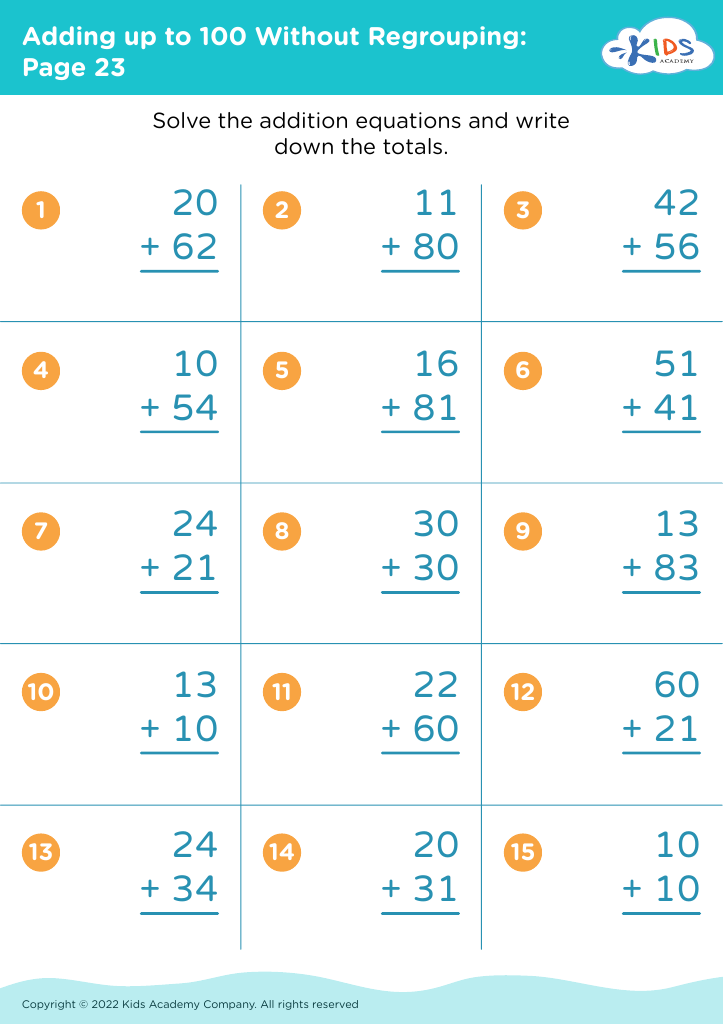
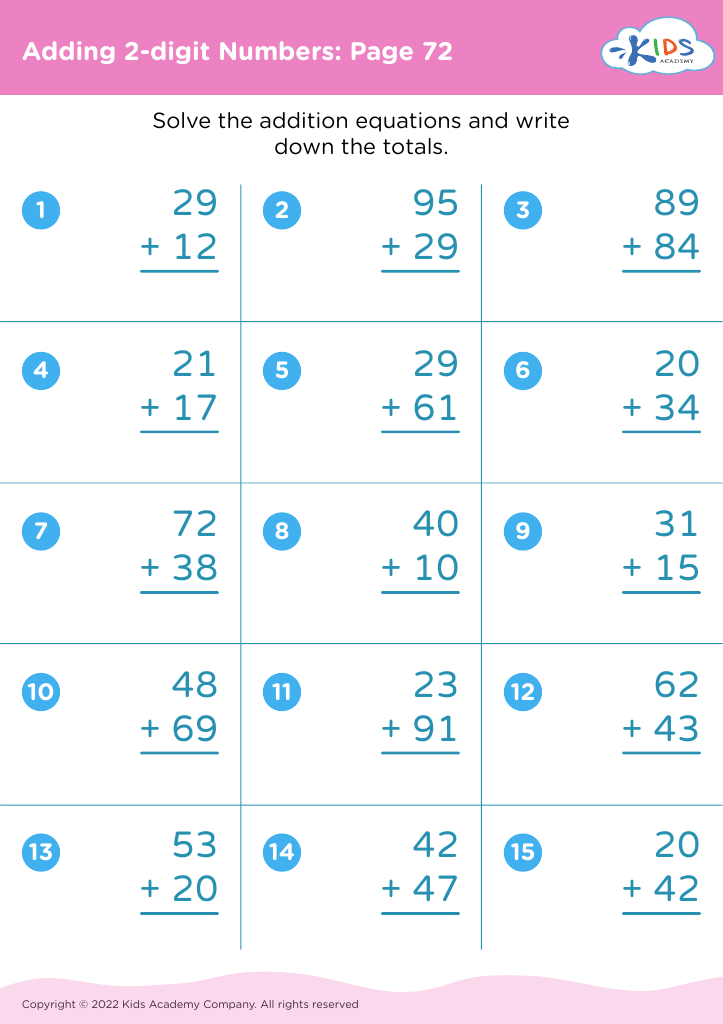
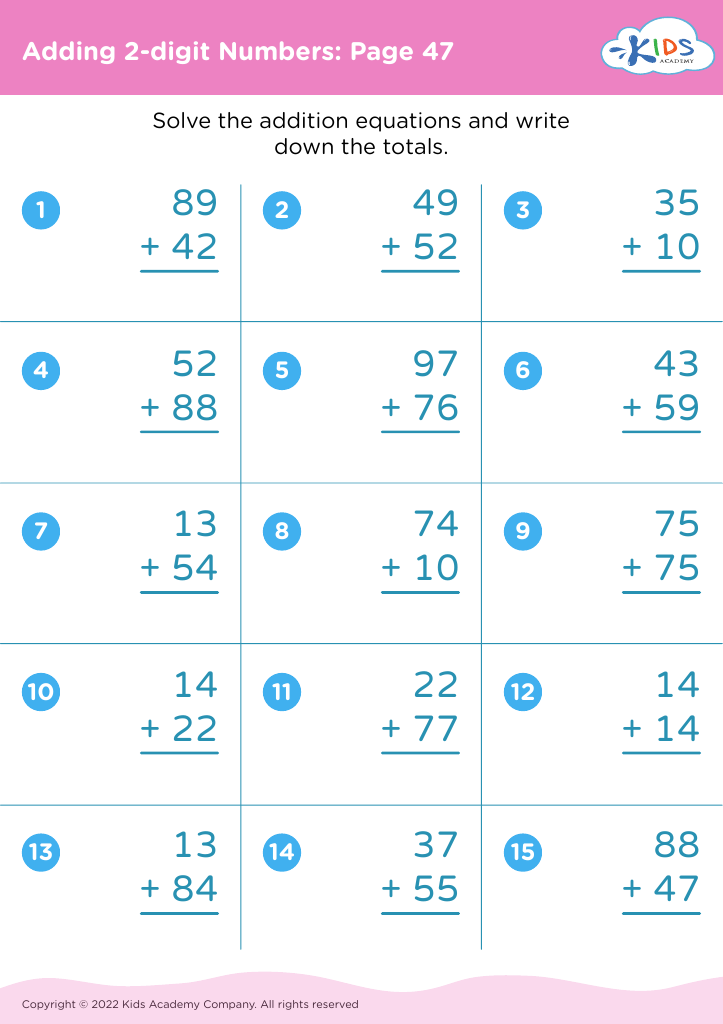
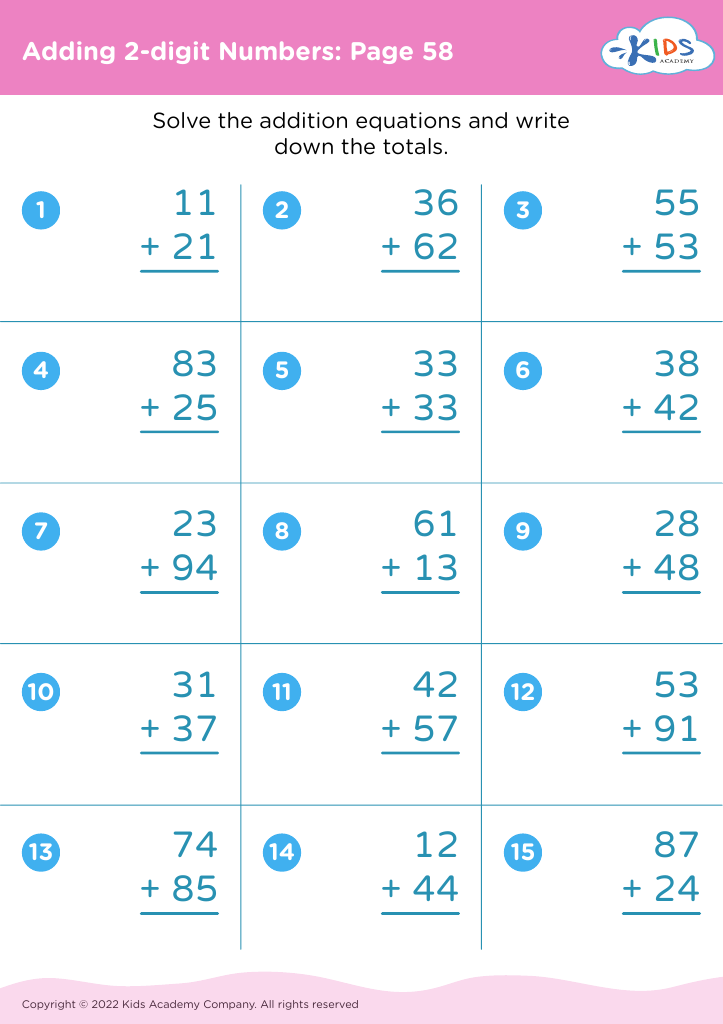
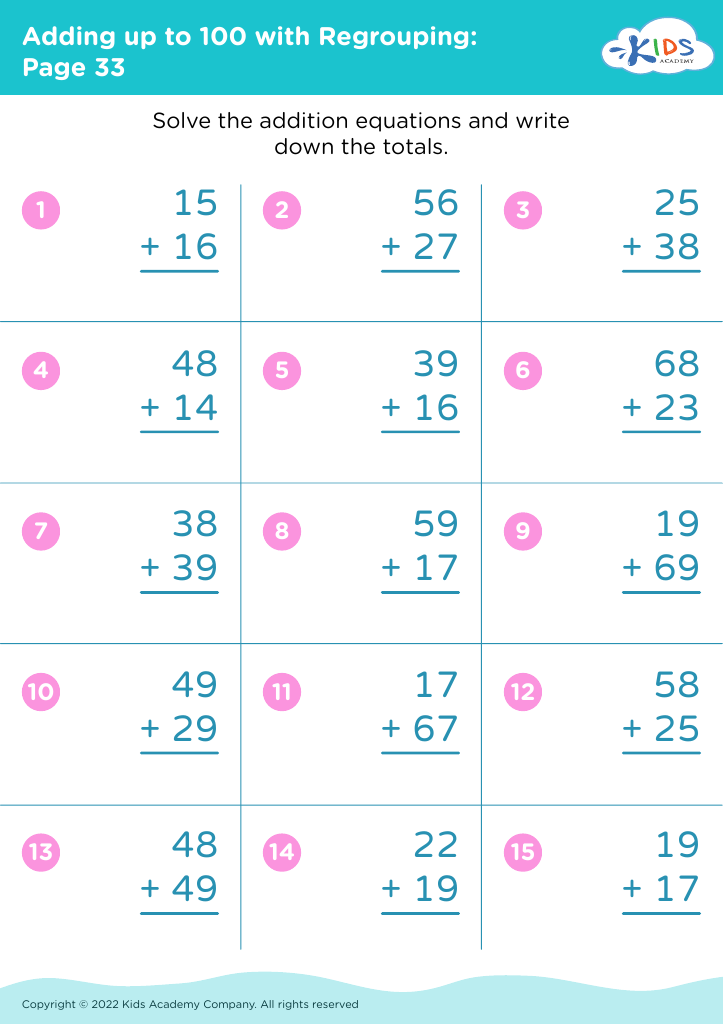
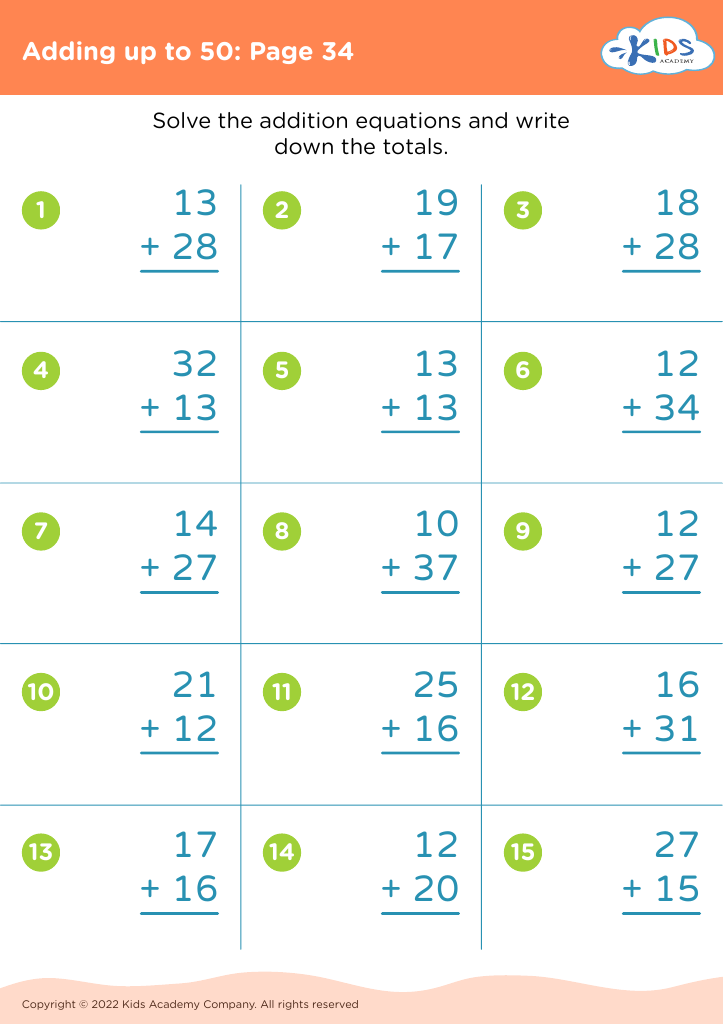








Fraction simplification, addition, and subtraction might seem advanced, but introducing these concepts early can significantly benefit children aged 3-9. Understanding fractions lays a critical foundation for math proficiency. By exposing children to these ideas early, parents and teachers help demystify a topic that can become a significant stumbling block later on.
First, learning to simplify fractions teaches children about numerators, denominators, and the concept of wholes and parts. This can also extend to understanding equality and proportion, essential math skills useful for problem-solving in later grades and real-life scenarios, such as cooking or sharing.
Addition and subtraction of fractions foster logical thinking and enhance arithmetic fluency. These operations compel children to find common denominators, a process that improves their skills in both multiplication and division.
Moreover, mastering fractions in the early years boosts confidence. Kids who get a head start on challenging math concepts are more likely to see math as approachable and enjoyable, laying the groundwork for future academic pursuits in STEM (Science, Technology, Engineering, Mathematics).
Therefore, investment in children’s fraction skills from a young age is crucial, nurturing a robust mathematical foundation that supports advanced learning and practical application throughout their educational journey and beyond.








