
Improving reading skills Addition & Subtraction Worksheets for Ages 3-9
4 filtered results
Difficulty Level
Grade
Age
-
From - To
Subject
Activity
Standards
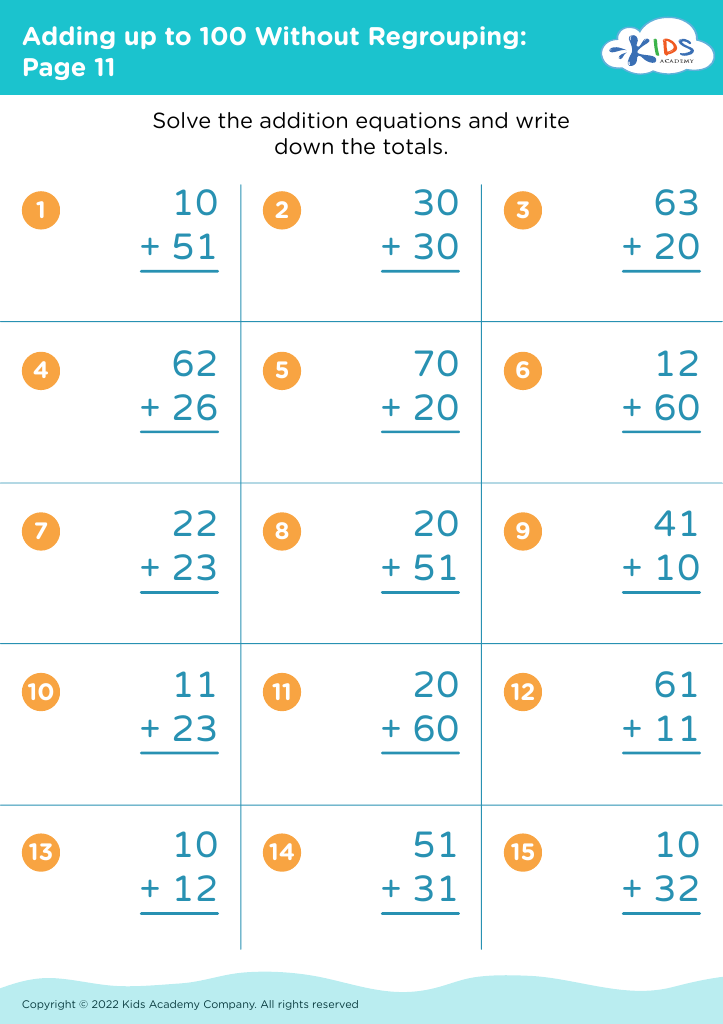
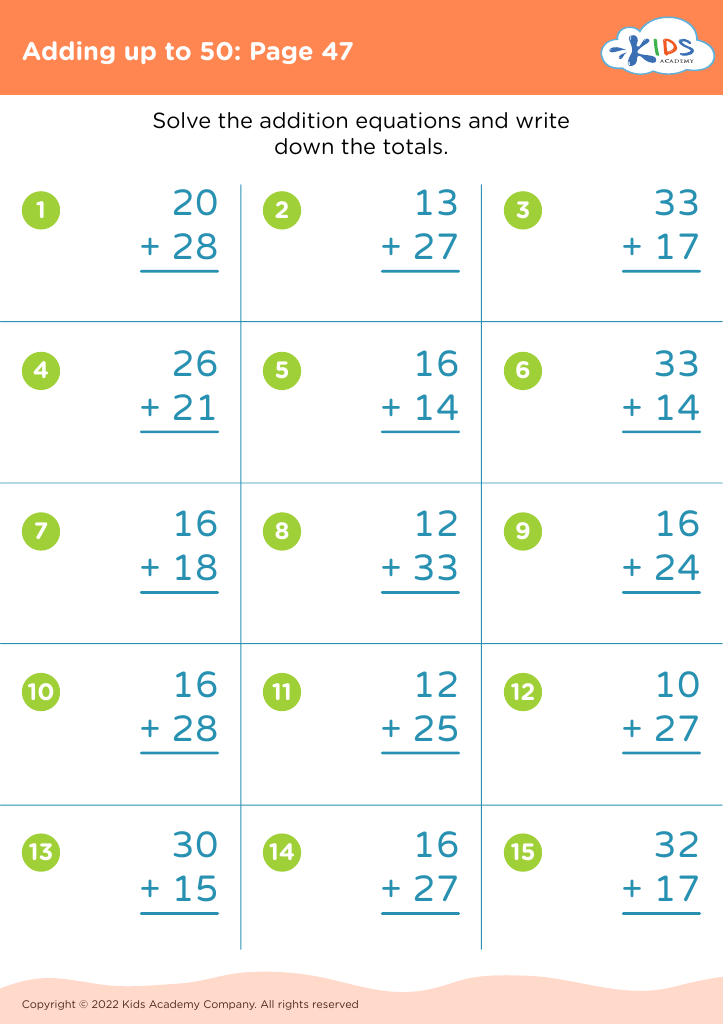
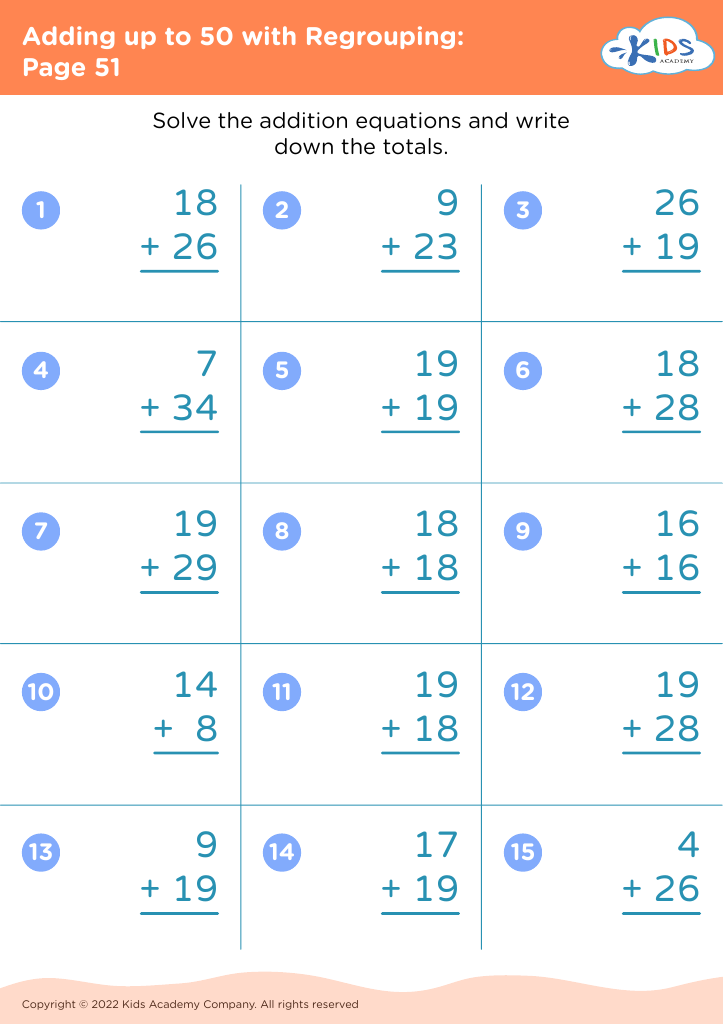
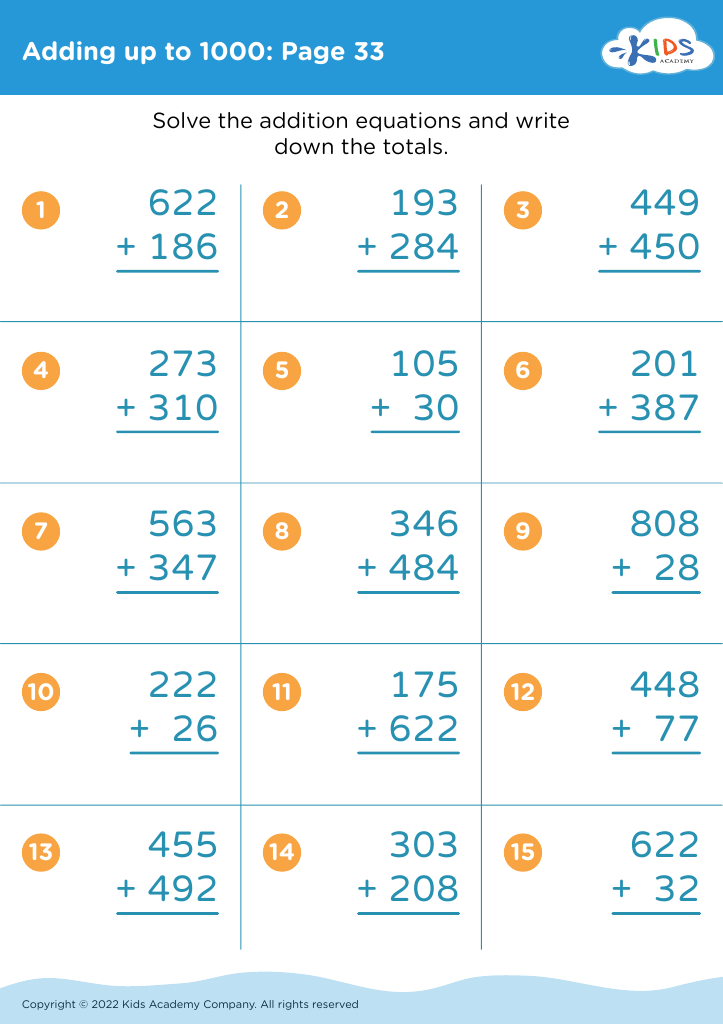
Enhance your child's reading skills while mastering addition and subtraction with our specially designed worksheets for ages 3-9. Our engaging materials combine fun illustrations and interactive exercises to ensure young learners grasp both math and reading fundamentals. Each worksheet focuses on building vocabulary alongside number concepts, fostering a dual skill set that benefits overall academic growth. Parents and educators can track progress easily, making learning enjoyable and effective. Perfect for classroom use or at-home learning, our Addition & Subtraction Worksheets are a fantastic resource to nurture your child's confidence in mastering essential skills. Start your child's educational journey today!
Favorites
With answer key
Interactive
Join Kids Academy for Free
Who is primarily going to use this learning content?








Improving reading skills and foundational math concepts like addition and subtraction for children ages 3-9 is crucial for their overall academic development and future success. Early reading skills are closely linked to cognitive development, enabling children to comprehend ideas, follow instructions, and engage in effective communication. A strong reading foundation fosters a love for learning, encouraging curiosity and exploration.
Similarly, developing basic math skills such as addition and subtraction establishes essential problem-solving abilities. Early numeracy helps lay the groundwork for more complex mathematical concepts, thus preventing future difficulties and promoting confidence in academic settings. Children who struggle with these skills may face challenges in later grades, impacting their self-esteem and attitude towards learning.
Moreover, strong reading and math abilities are crucial for daily life skills, from following recipes to budgeting allowance. Engaging children in reading and math activities can enhance their critical thinking and enable them to tackle real-world problems confidently.
Ultimately, parents and teachers play a valuable role in nurturing these skills, empowering children to build a solid educational foundation that will serve them well throughout their lives. Therefore, investing time and resources into improving these essential abilities is both wise and impactful.








