
Practice multiplication Addition Worksheets for Ages 3-9
8 filtered results
Difficulty Level
Grade
Age
-
From - To
Subject
Activity
Standards
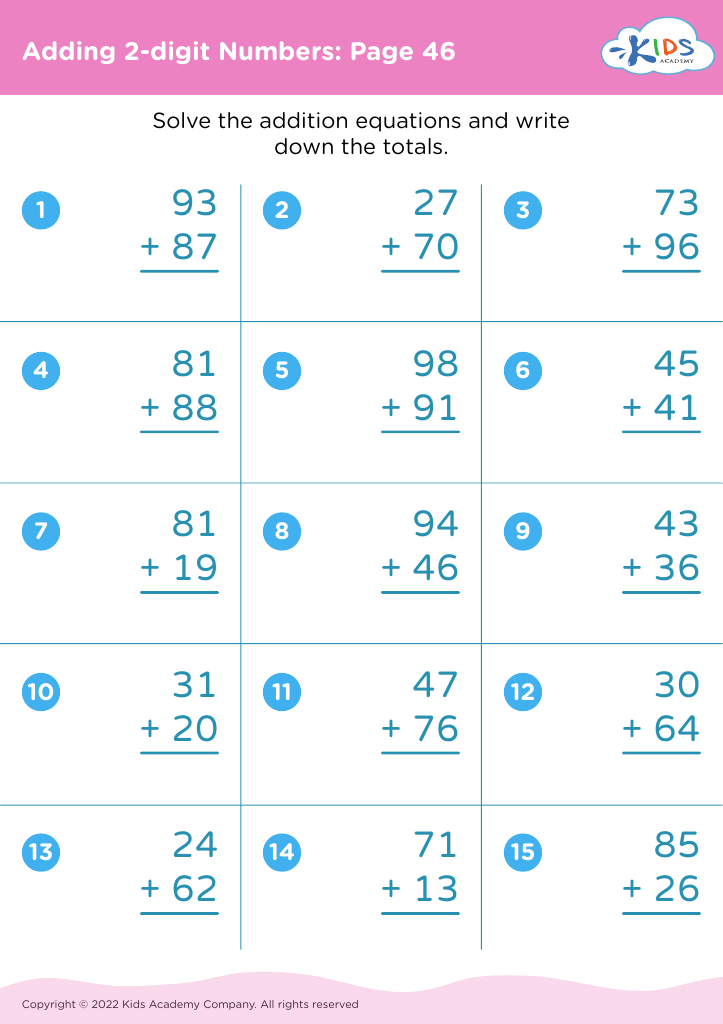
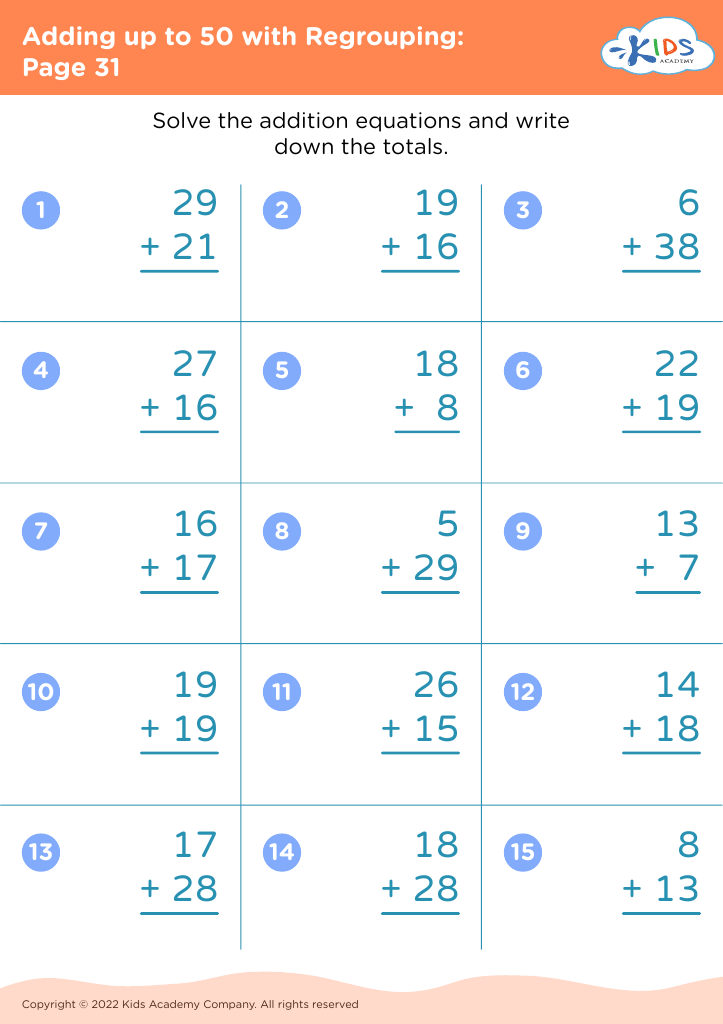
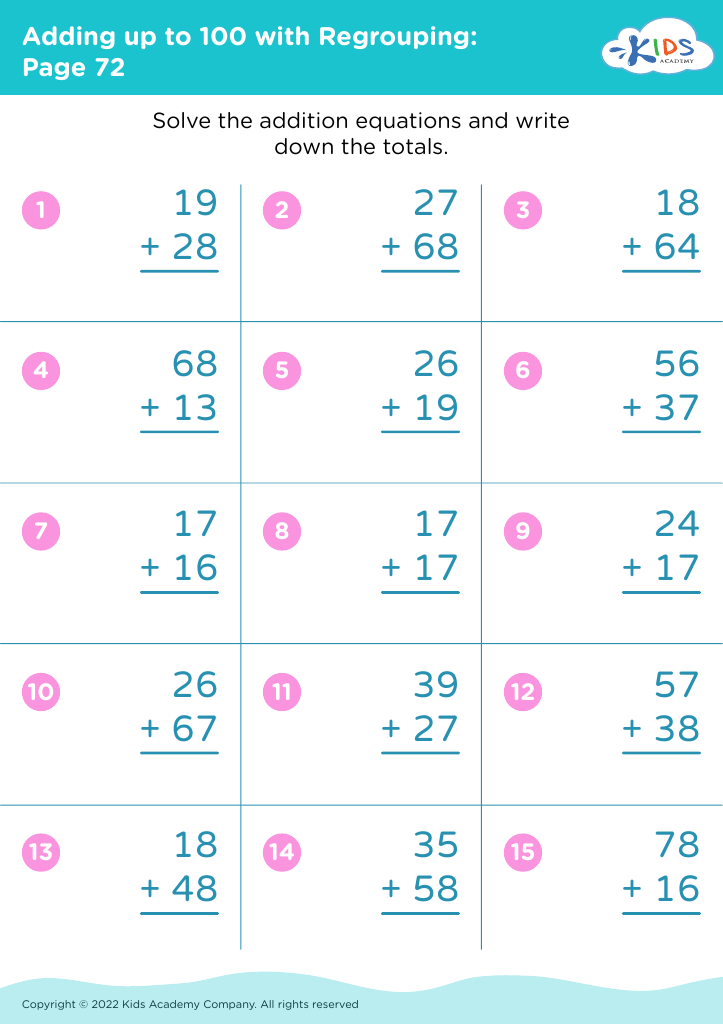
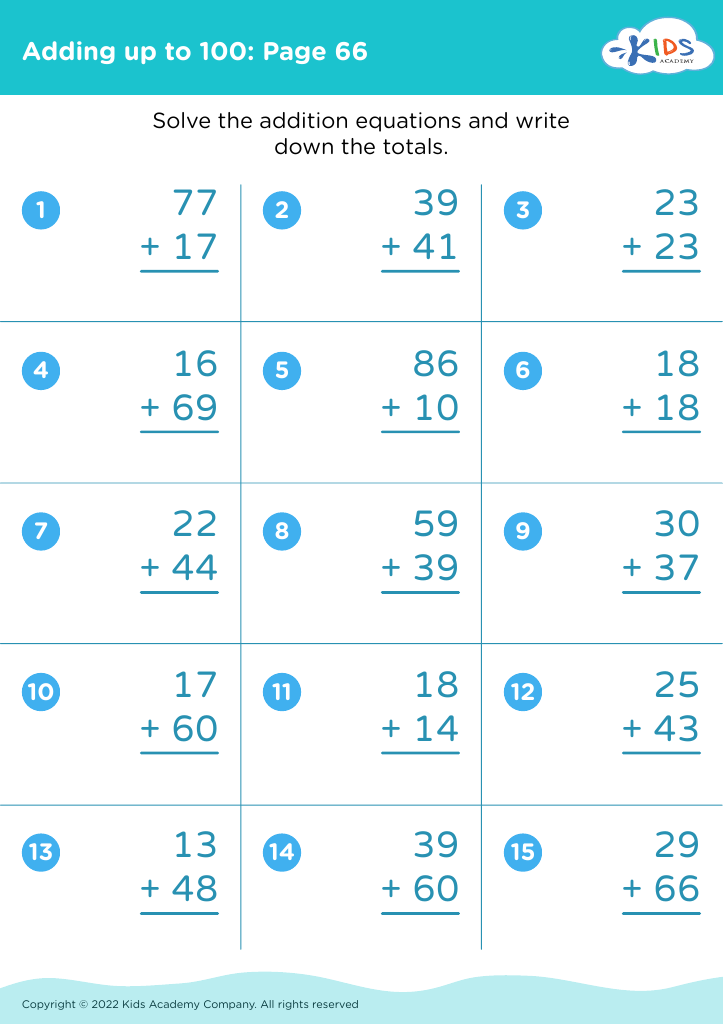
Introducing our dynamic collection of practice multiplication and addition worksheets designed specifically for children aged 3-9. These engaging printable worksheets foster critical math skills through fun, interactive exercises. Tailored to different learning stages, our materials help young learners grasp fundamental concepts, build confidence, and develop a love for math. Activities range from simple addition to beginner multiplication, ensuring a smooth transition as mathematical understanding deepens. Perfect for both classroom and home use, our worksheets make learning a joyful adventure. Set your child up for success with our expertly crafted resources, inspiring young mathematicians to thrive.
Favorites
With answer key
Interactive
Join Kids Academy for Free
Who is primarily going to use this learning content?








Parents and teachers should care about practicing multiplication and addition for children ages 3-9 because these foundational math skills are essential for their cognitive development and future academic success. Early proficiency in these areas sets the groundwork for more advanced mathematical concepts and problem-solving abilities.
Engaging young children in multiplication and addition exercises helps to develop their number sense, logical thinking, and ability to recognize patterns. These skills are not only pivotal in math but are transferrable to many other subjects, supporting overall academic achievements. Moreover, introducing these concepts at an early age in a playful and interactive manner boosts children’s confidence, reduces math anxiety, and fosters a positive attitude toward learning new concepts.
In addition, mastering fundamental math operations enhances critical thinking and analytical skills. With a strong grasp of multiplication and addition, children become more adept at tackling practical day-to-day challenges, such as understanding time, managing allowances, and participating in games that involve strategy.
Furthermore, early and consistent practice in these areas creates opportunities for individualized attention and support, ensuring that each child progresses at their own pace. This personalized approach can address learning differences early on and prevent future difficulties in more advanced mathematical topics, creating a solid educational foundation for later years.








