Understanding seasons Addition Worksheets for Ages 3-9
3 filtered results
-
From - To
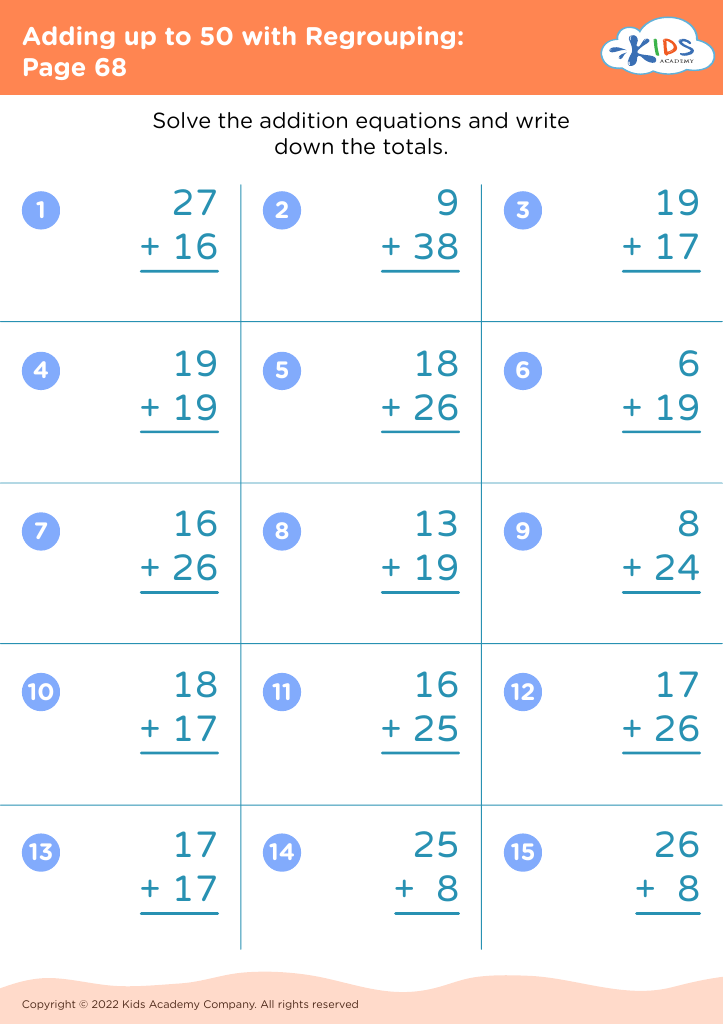
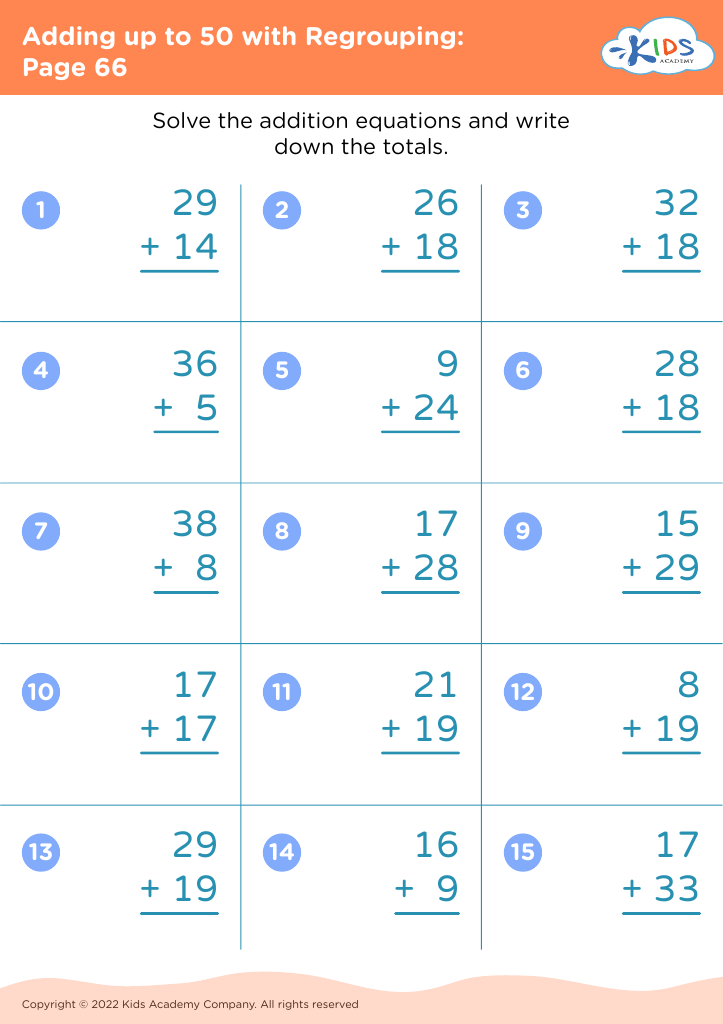
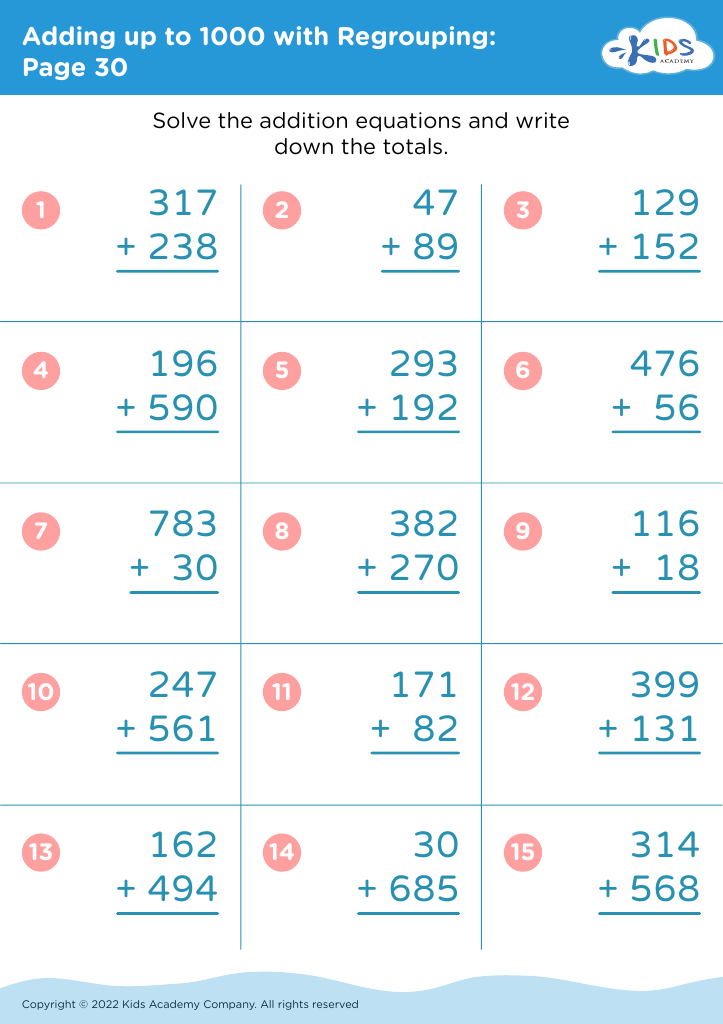
Explore our "Understanding Seasons Addition Worksheets" designed for children ages 3-9! These engaging and visually appealing worksheets make math fun while helping young learners connect addition skills with the vibrant changes of the seasons. Each worksheet features seasonal themes—spring, summer, fall, and winter—ensuring that addition practice feels relevant and exciting. Perfect for classroom activities or at-home learning, these resources promote critical thinking and reinforce mathematical concepts in a playful manner. Help your child master basic addition while appreciating the beauty of nature year-round. Download and start reinforcing essential skills today!







Understanding seasons is crucial for children aged 3-9 because it enriches their environmental awareness and enhances their cognitive development. Seasons teach children about the cyclical nature of the world, fostering a sense of curiosity about their environment. By recognizing the changes in weather, daylight, and natural surroundings, children learn to make connections between time and the world around them. This understanding encourages observant behaviors and critical thinking skills as they relate those changes to their daily lives.
Additionally, comprehension of seasons plays a significant role in social and emotional development. It helps children anticipate changes—like preparing for winter clothing or recognizing the onset of spring—and develop coping strategies for transitions. In a broader context, learning about seasons can also promote inclusivity and conversations about family traditions, holidays, and cultural practices tied to specific times of the year.
For parents and teachers, integrating seasonal learning into activities lays a strong foundation for early math and science skills. When children engage in simple addition activities tied to seasonal themes—like counting leaves in fall or measuring rainfall in spring—they sharpen their quantitative reasoning while enjoying hands-on experiences. Ultimately, understanding seasons sets the stage for lifelong learning and appreciation of nature.








