Visual Learning Addition Worksheets for Ages 3-9 - Page 3
88 filtered results
-
From - To
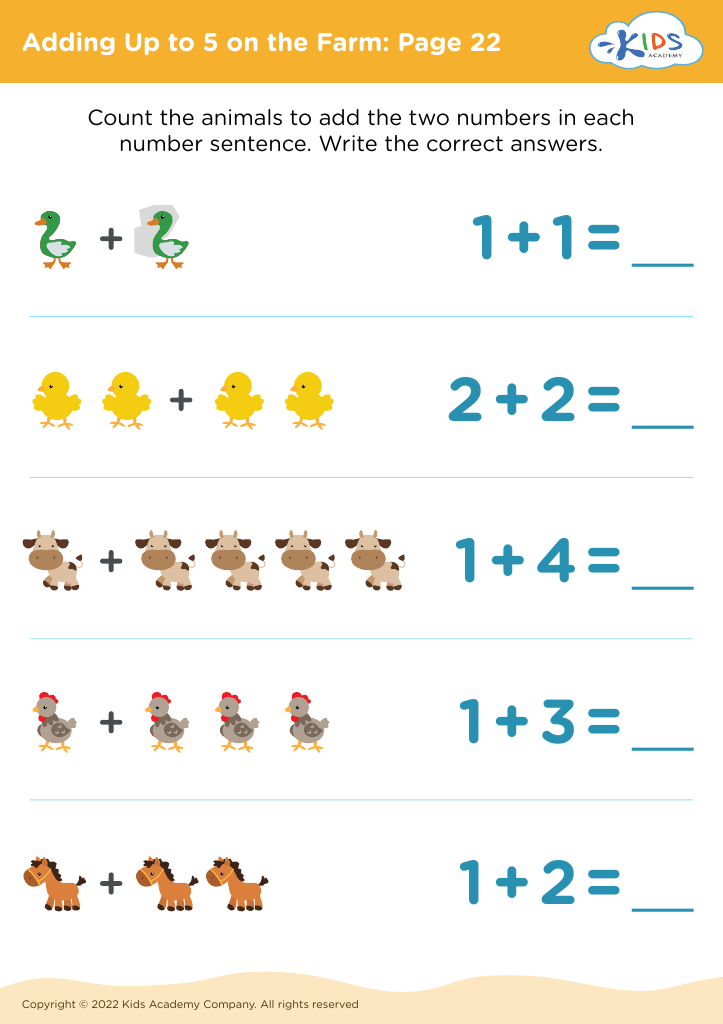
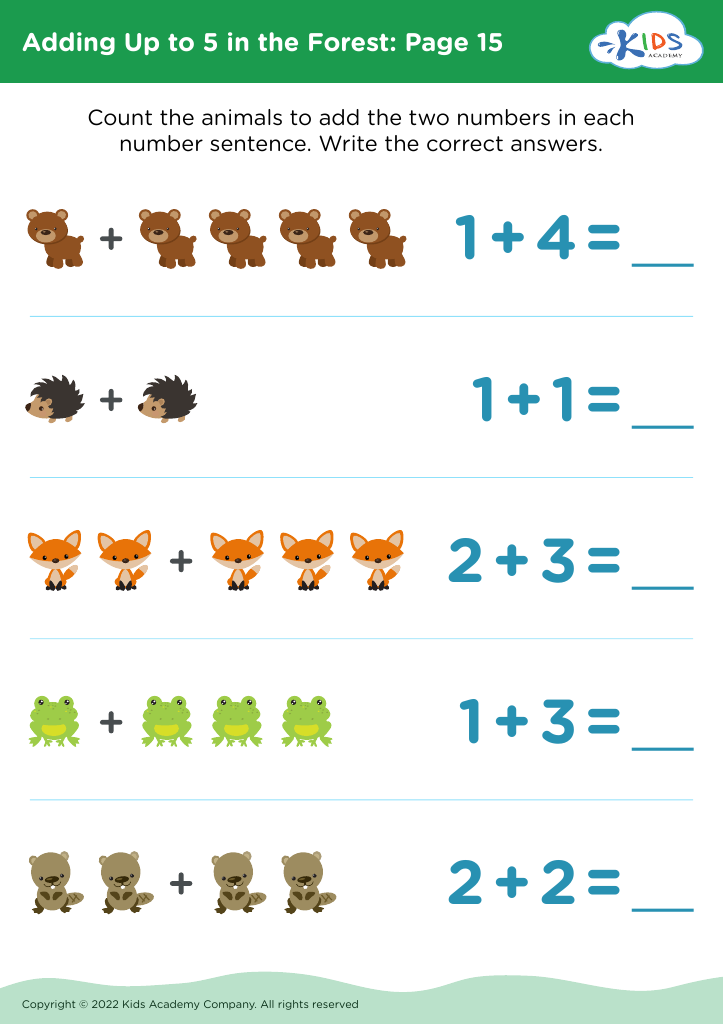
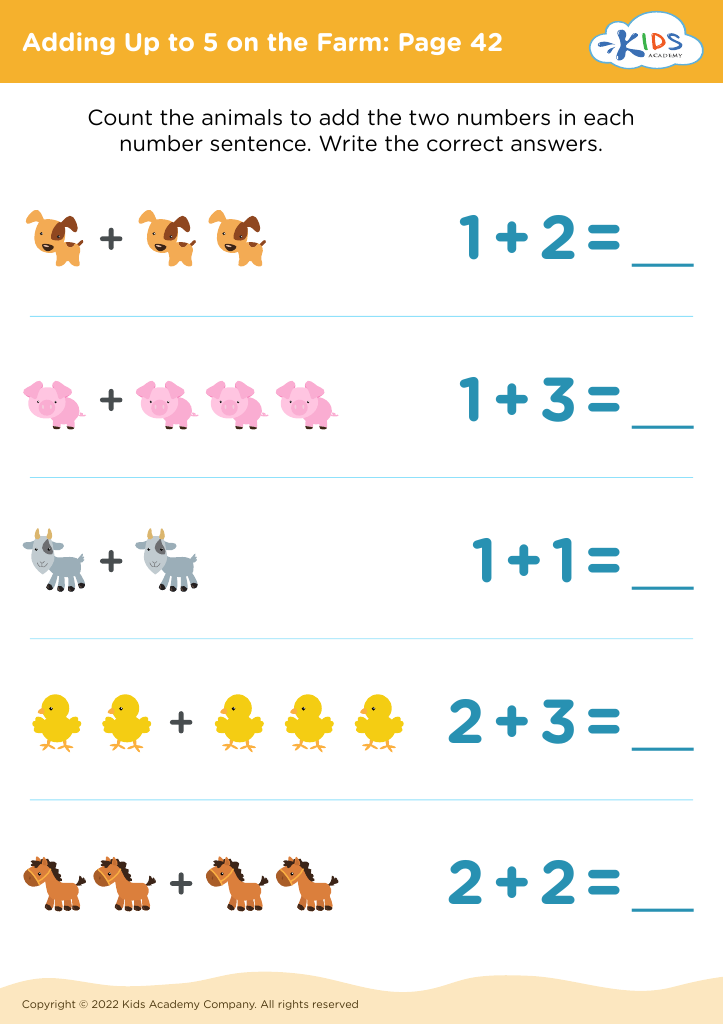
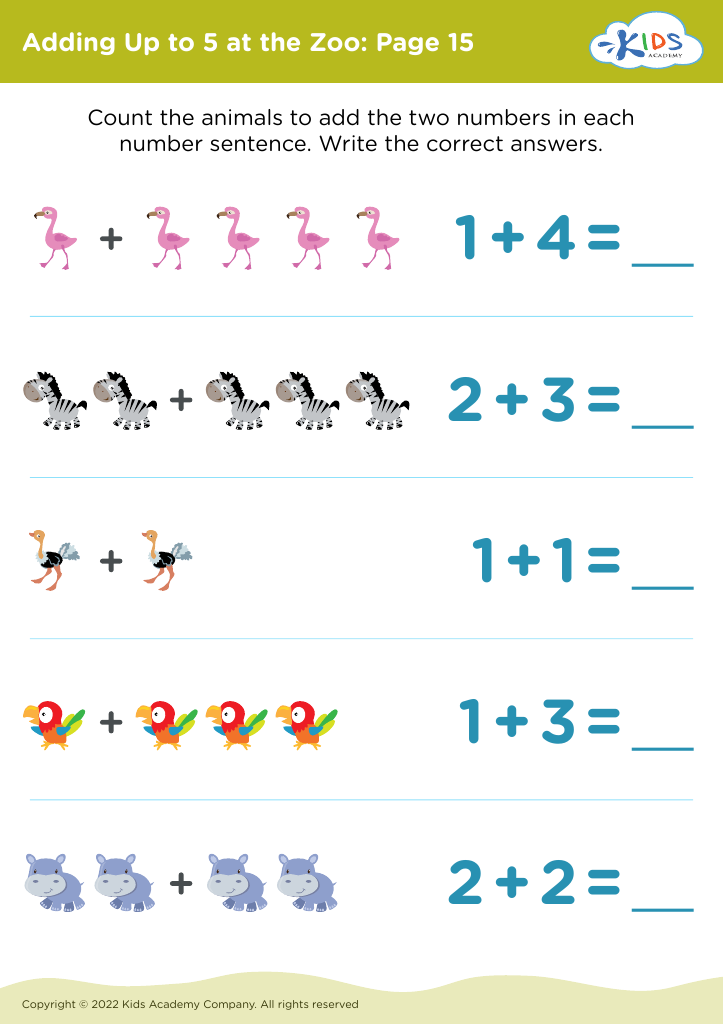
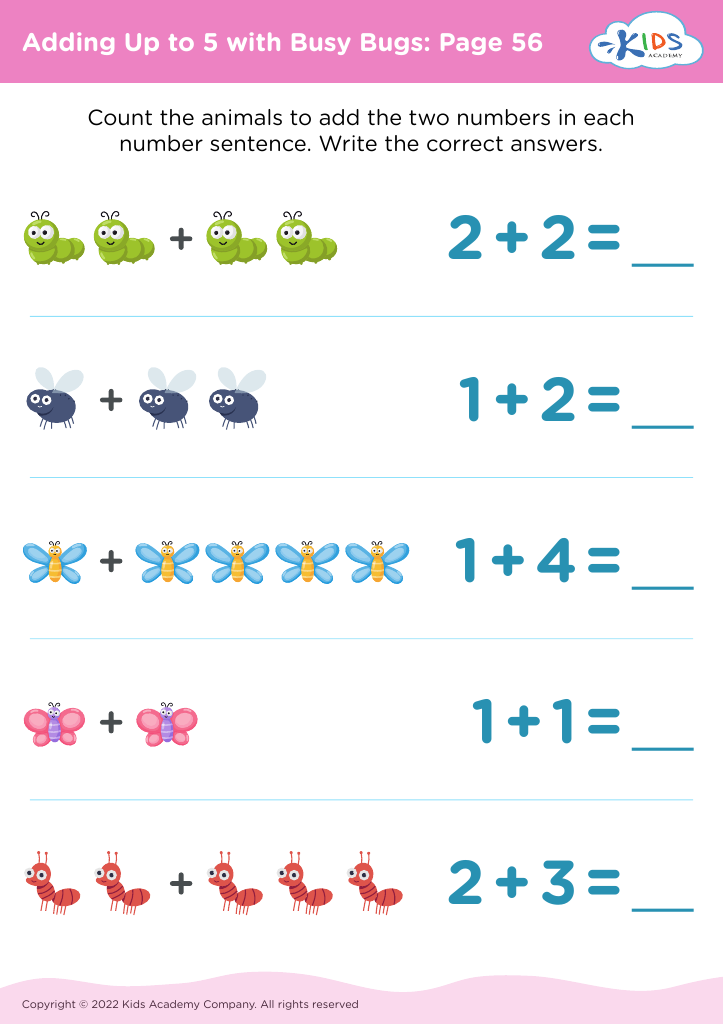
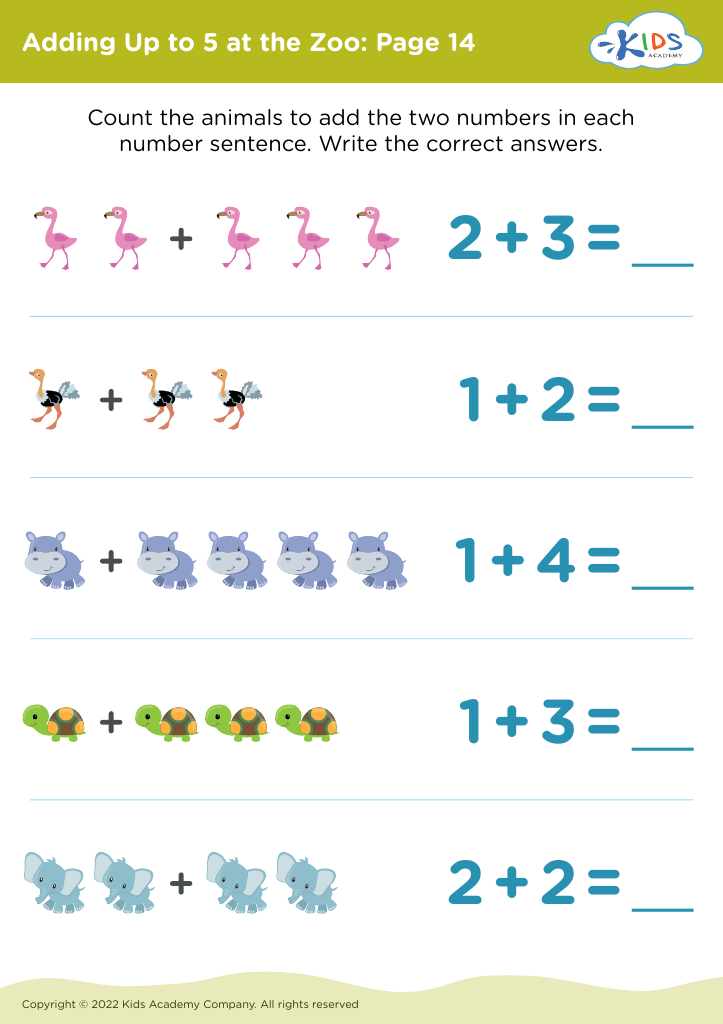
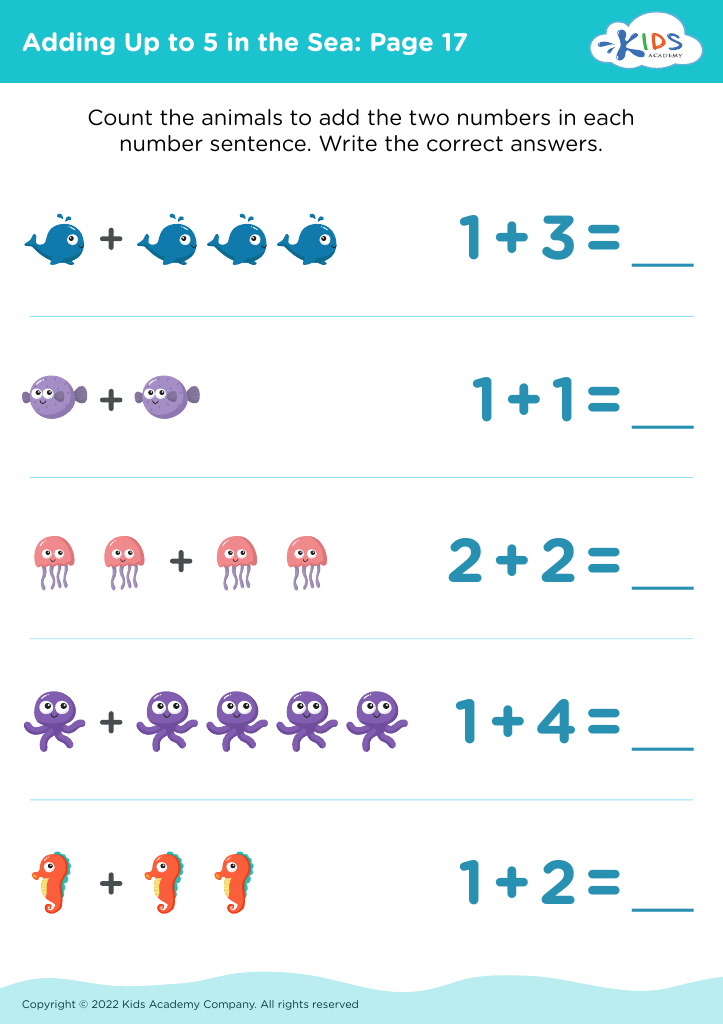
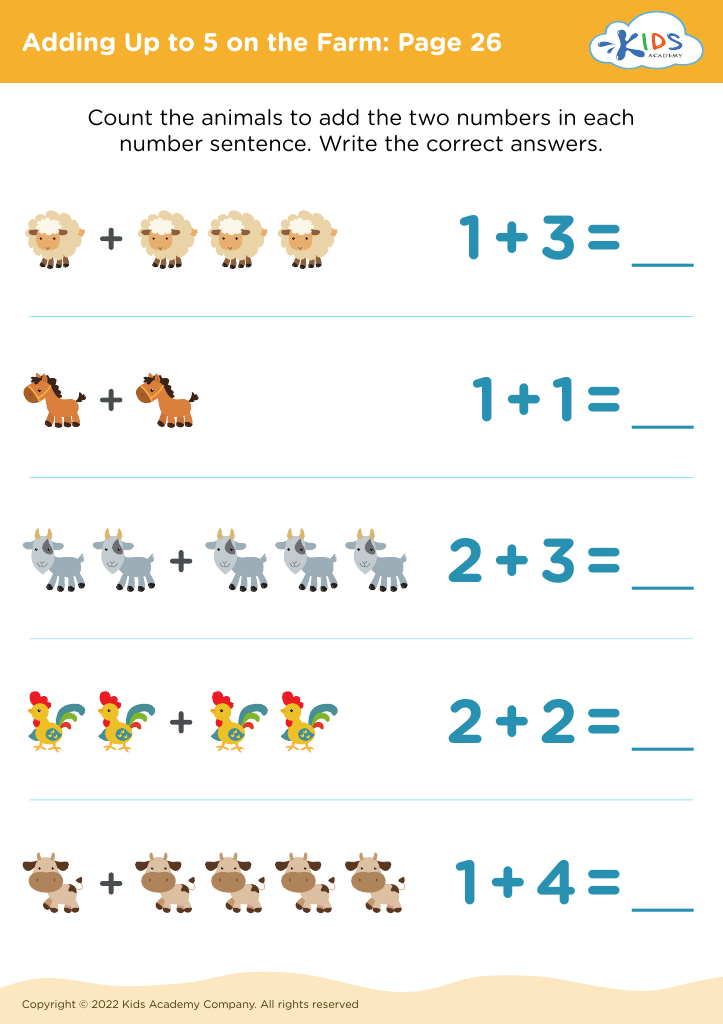
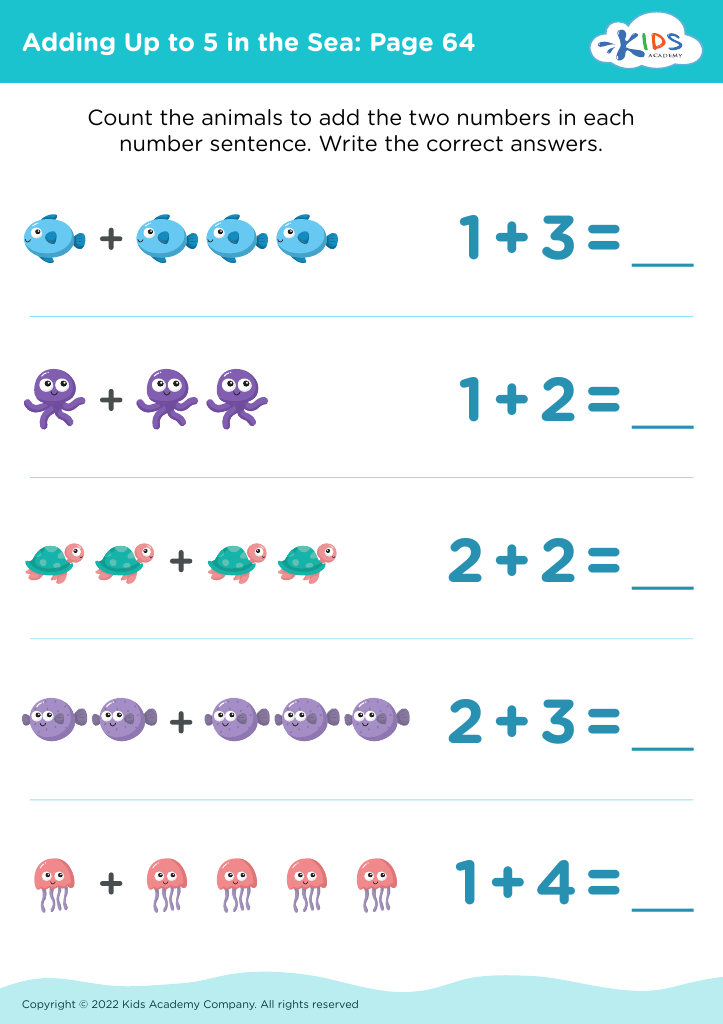
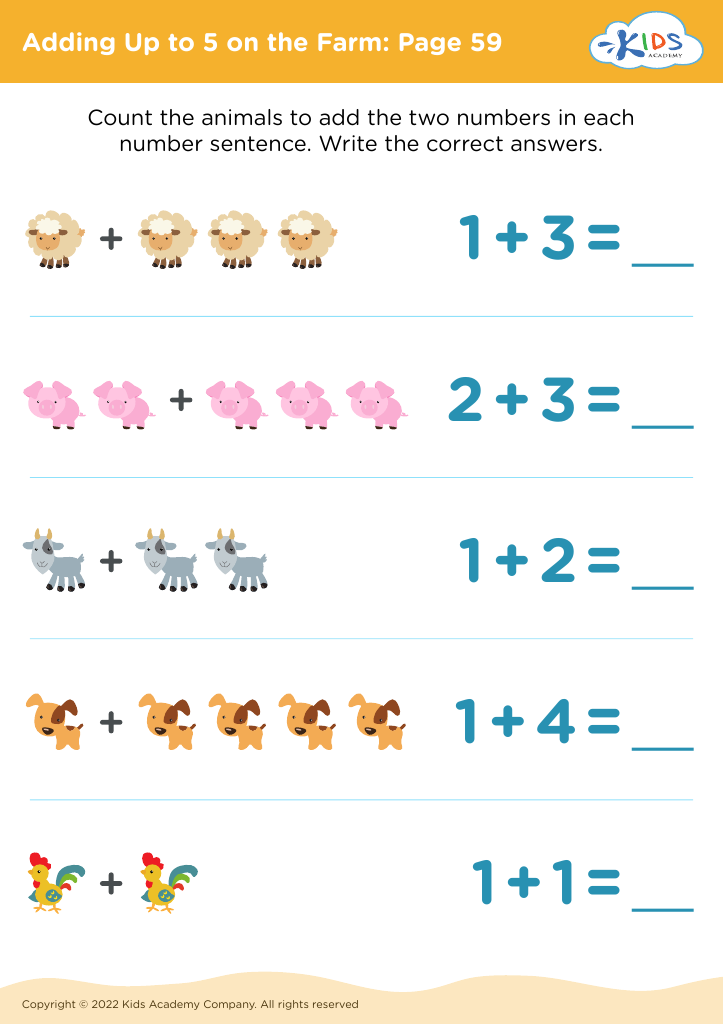
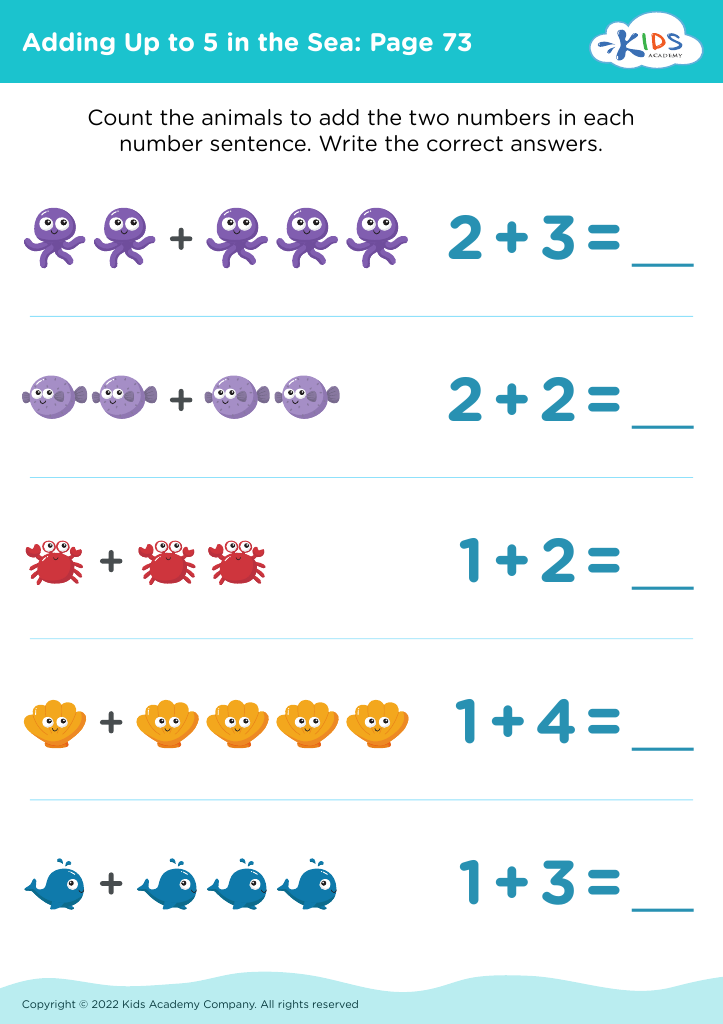
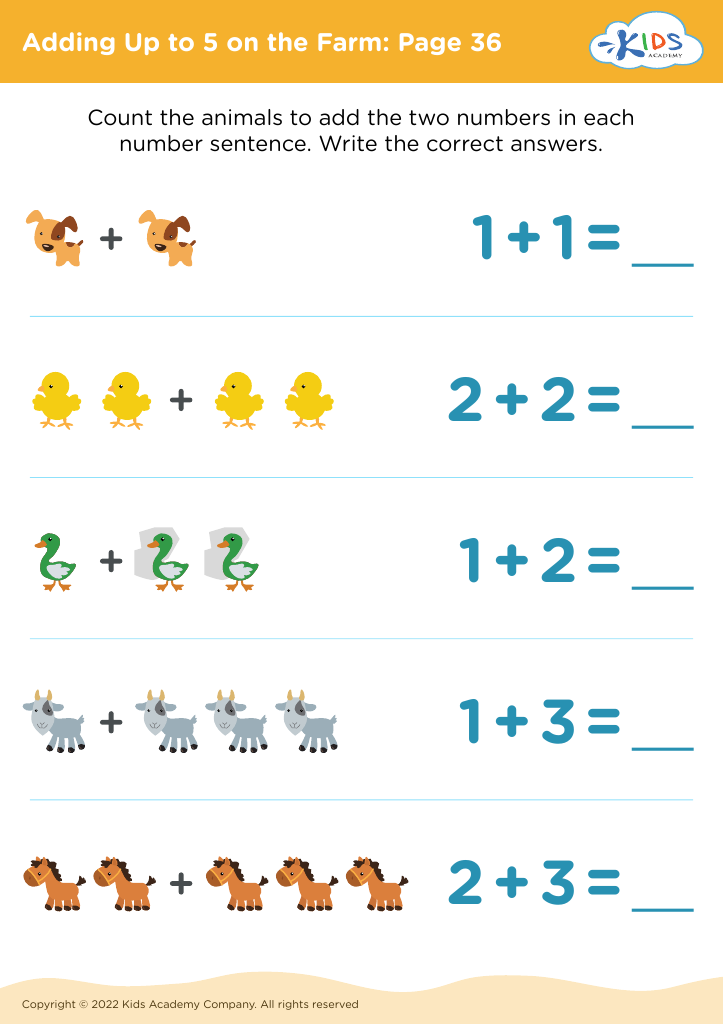
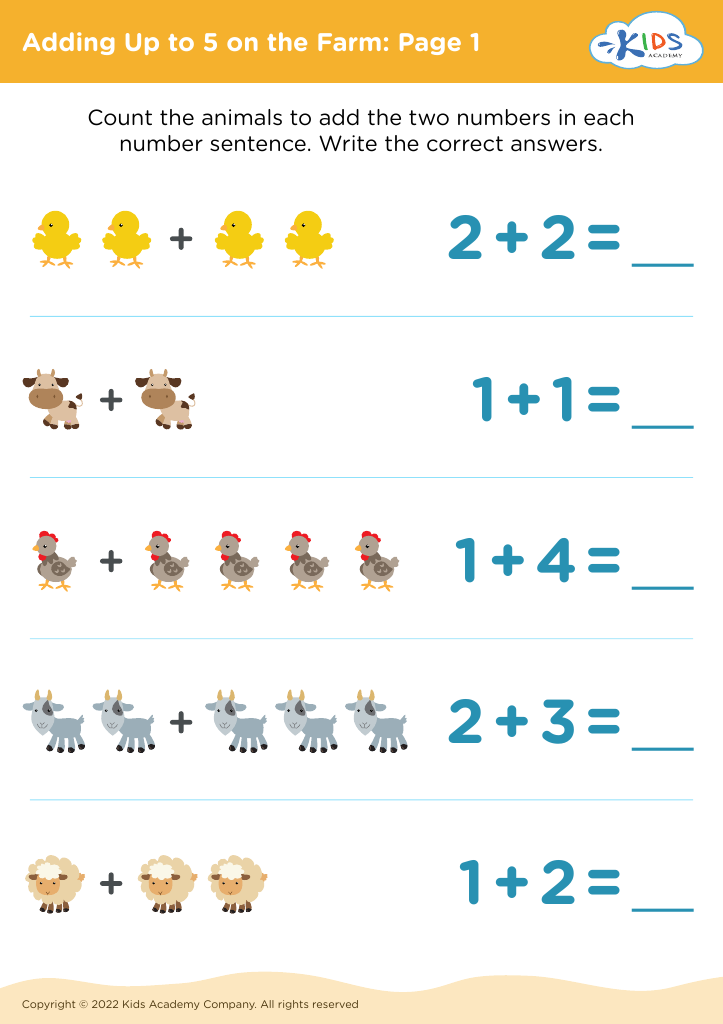
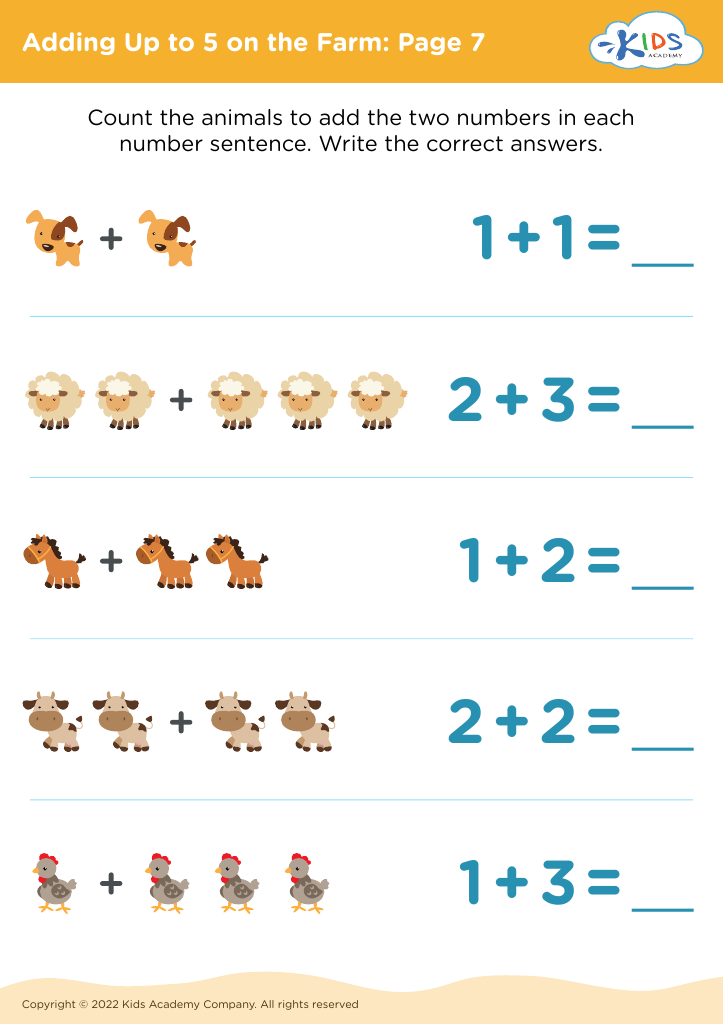
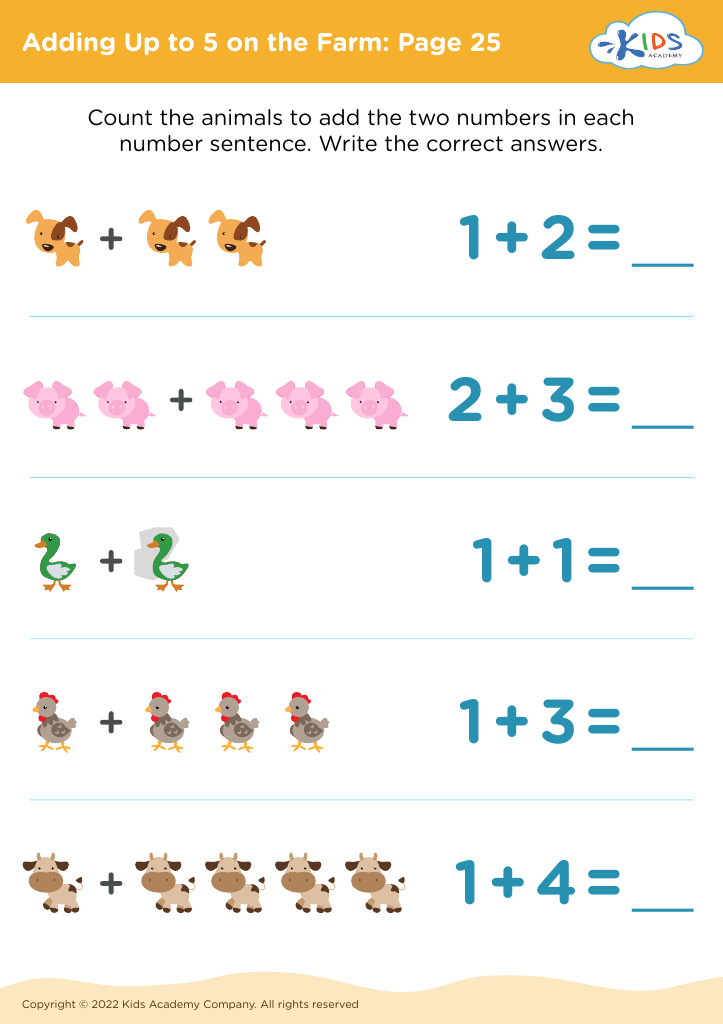
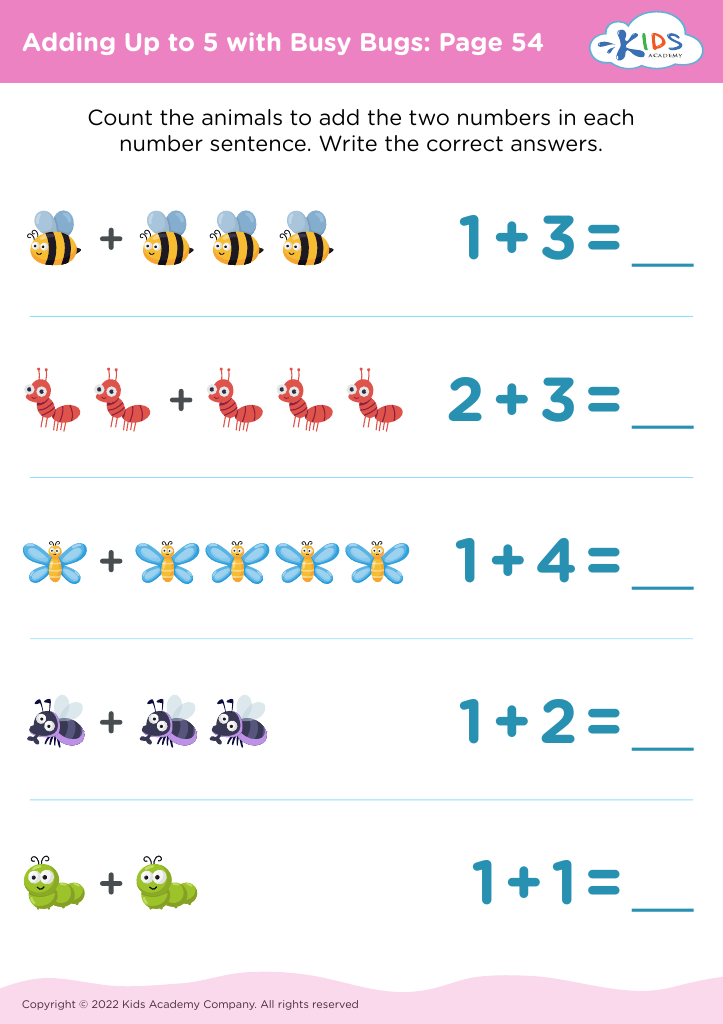
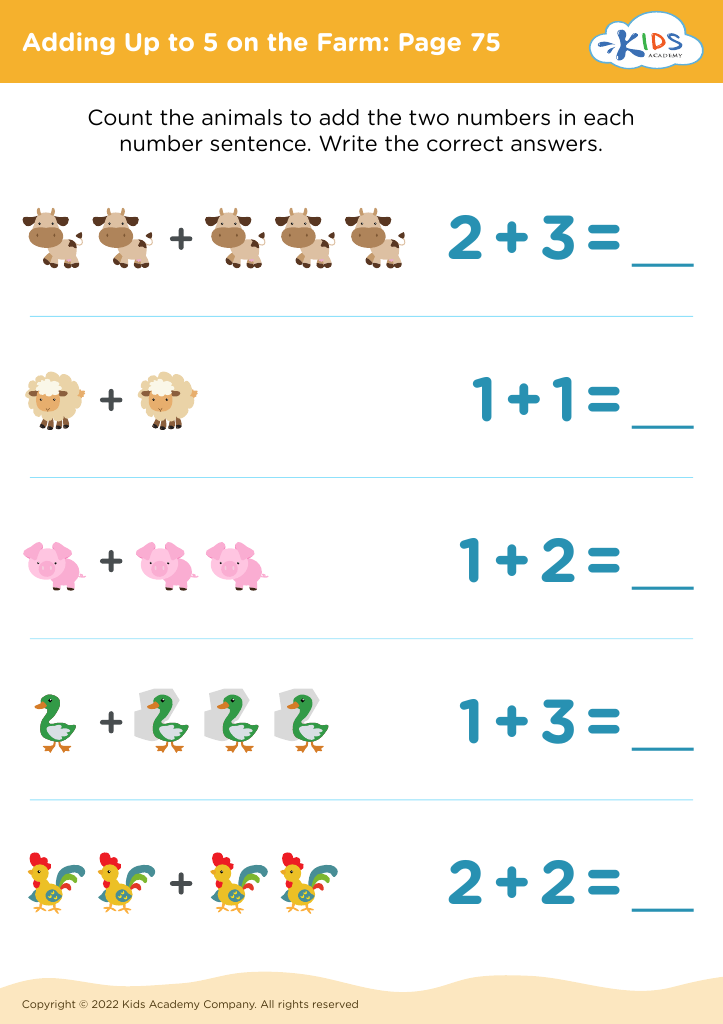
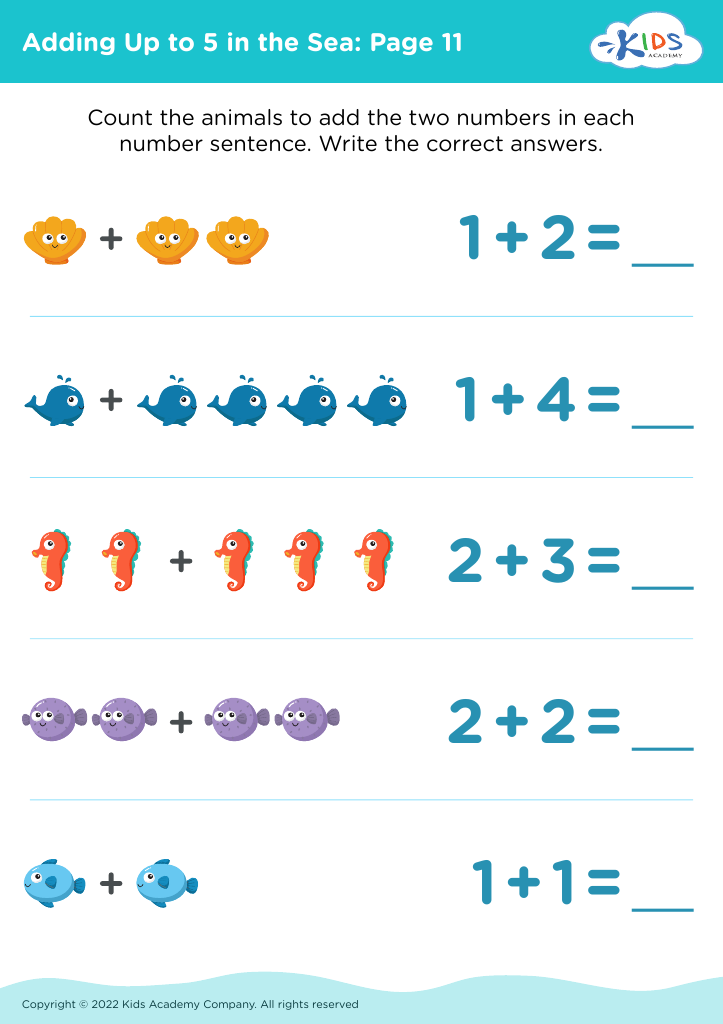
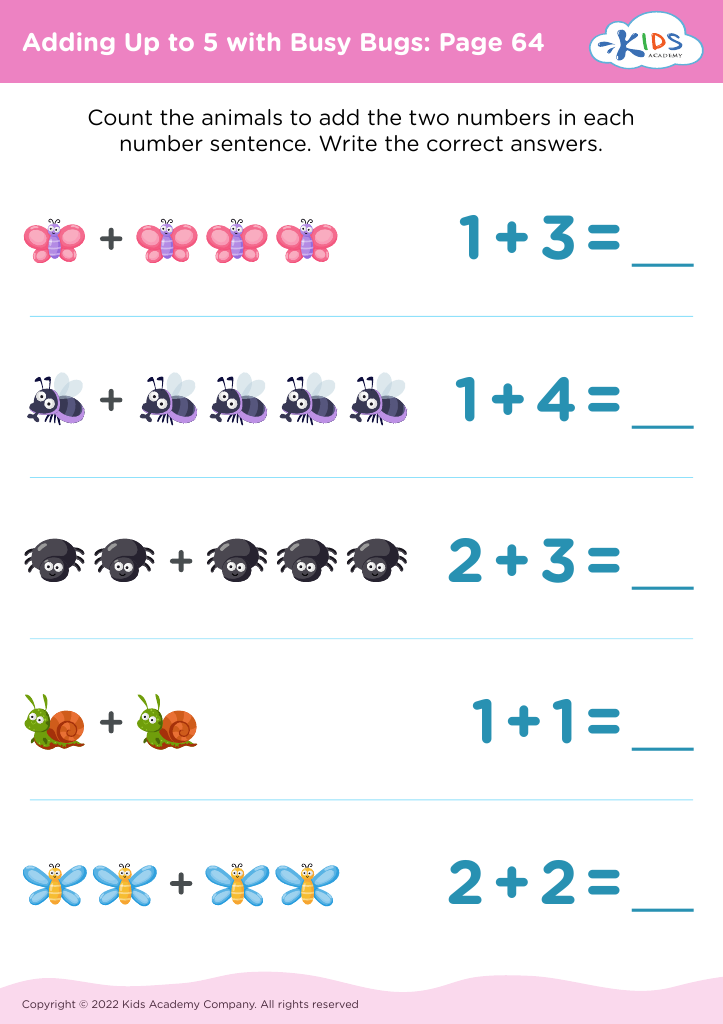
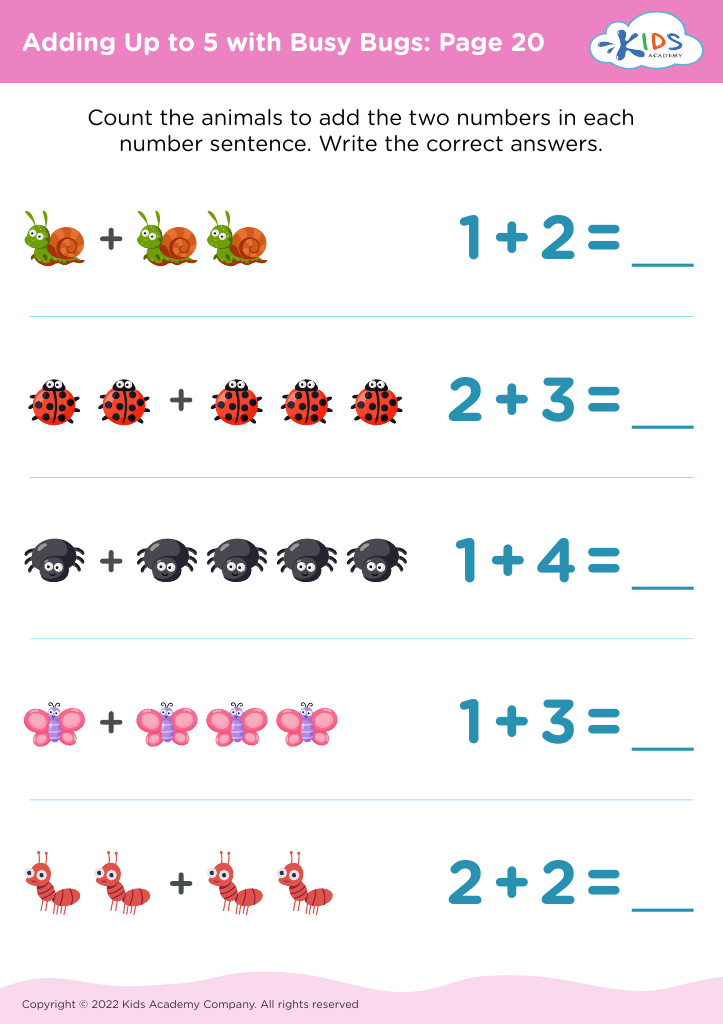
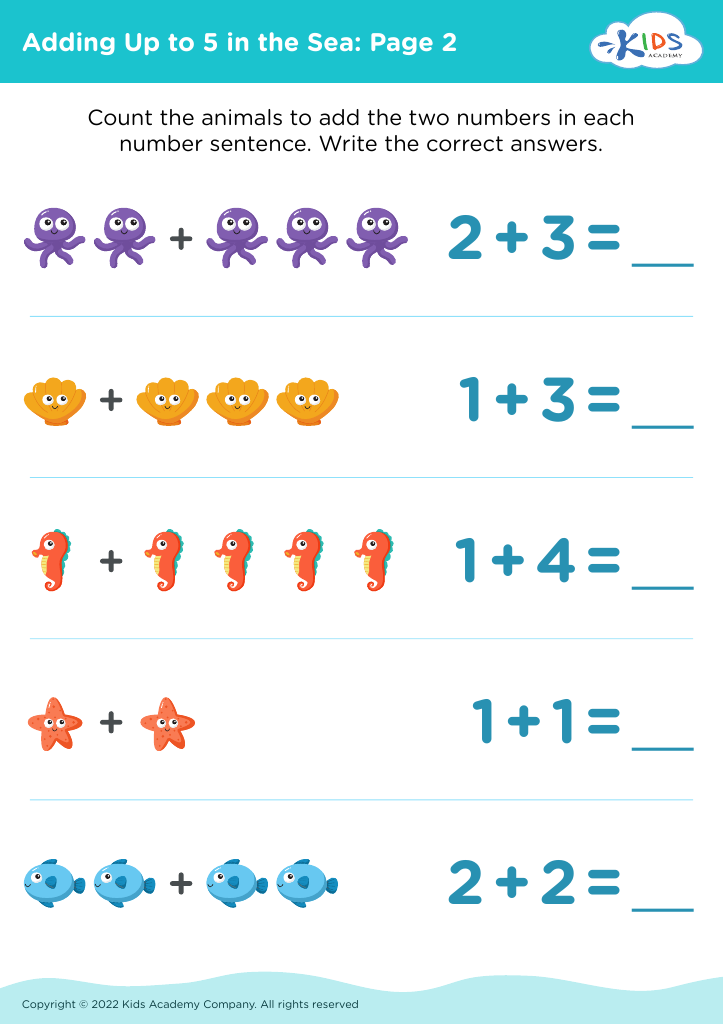
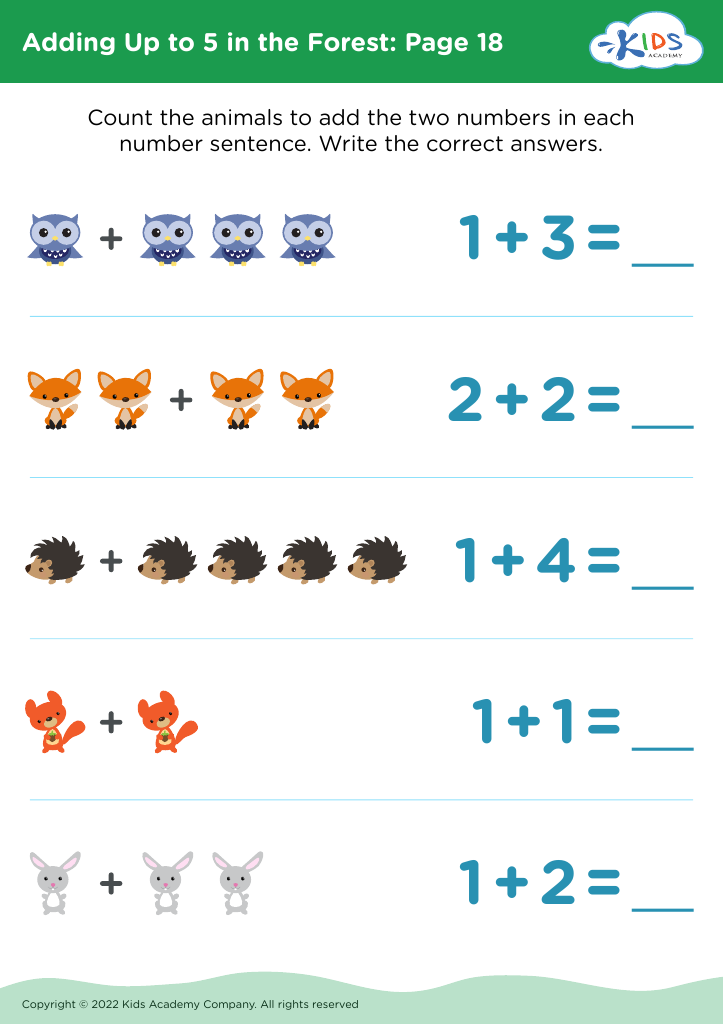
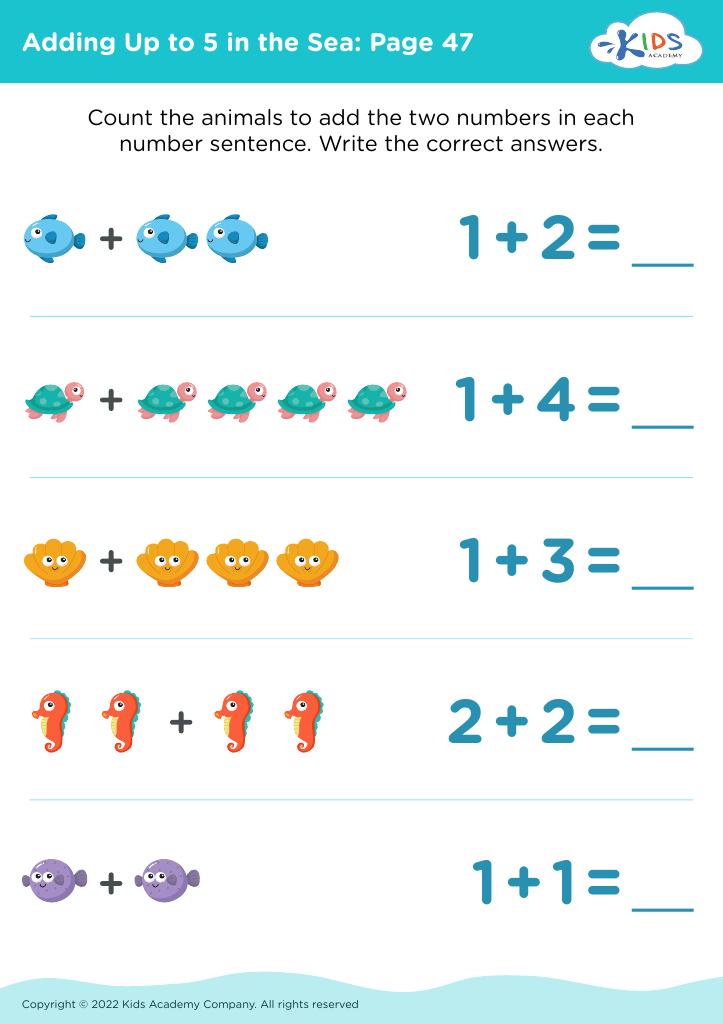
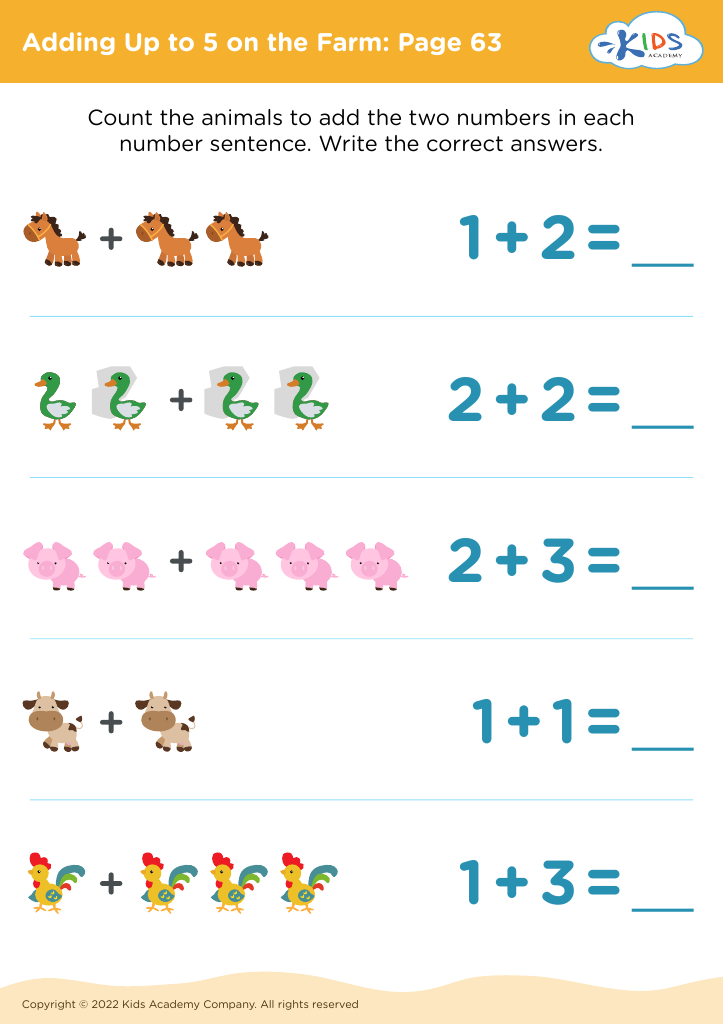








Visual Learning Addition is crucial for young learners aged 3-9 as it taps into their natural affinity for visual stimuli, providing an impactful way to introduce mathematical concepts. At this stage, children are developing their cognitive skills, and incorporating visual elements caters to diverse learning styles, making the learning experience engaging and effective.
Visual learning helps to simplify complex ideas. Using tools like pictures, diagrams, or manipulatives allows children to grasp addition through representation rather than abstract numbers alone. This concrete approach enhances comprehension, encourages exploration, and fosters problem-solving skills.
Moreover, this method supports critical foundational skills, equipping children with the confidence to tackle more advanced mathematics later in life. By fostering a positive and constructive attitude towards math at such a young age, parents and teachers can help minimize math anxiety.
In addition, incorporating visual aids encourages active participation; children are more engaged, which often leads to deeper understanding and retention. As parents and teachers prioritize Visual Learning Addition, they nurture not only basic arithmetic skills but also a love for learning. This investment creates confident learners who are eager to engage with mathematics throughout their educational journey.








