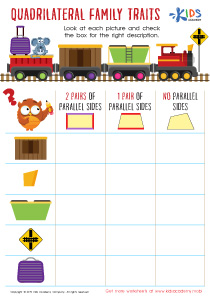
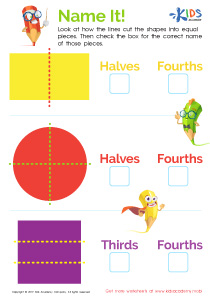
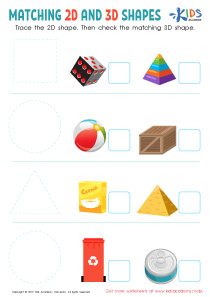
Understanding area Area and Perimeter Worksheets for Ages 3-9
3 filtered results
-
From - To
Explore our engaging "Understanding Area and Perimeter" worksheets, designed for children aged 3 to 9! These interactive resources will help young learners grasp basic concepts of area and perimeter through fun activities and colorful visuals. With age-appropriate exercises, kids will practice measuring shapes, identifying dimensions, and calculating space while developing critical thinking and problem-solving skills. Our carefully crafted worksheets cater to various learning styles and ensure children build a strong mathematical foundation. Ideal for classroom use or at-home learning, these worksheets make math enjoyable and accessible. Start your child's journey to confidence in math today!
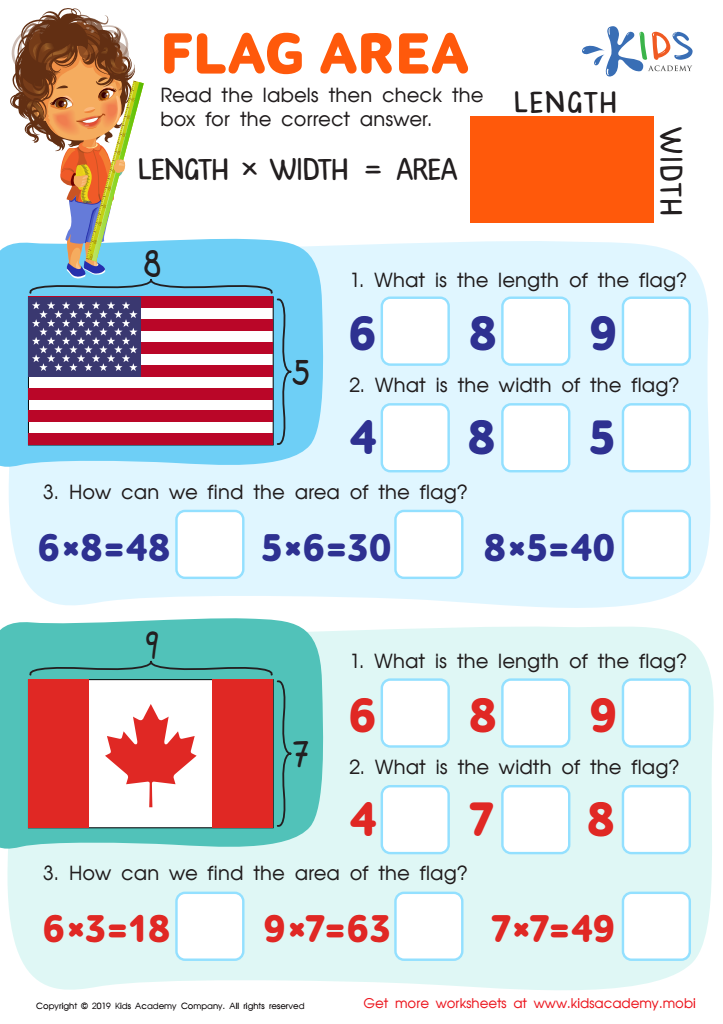
Flag Area Worksheet
 Assign to My Students
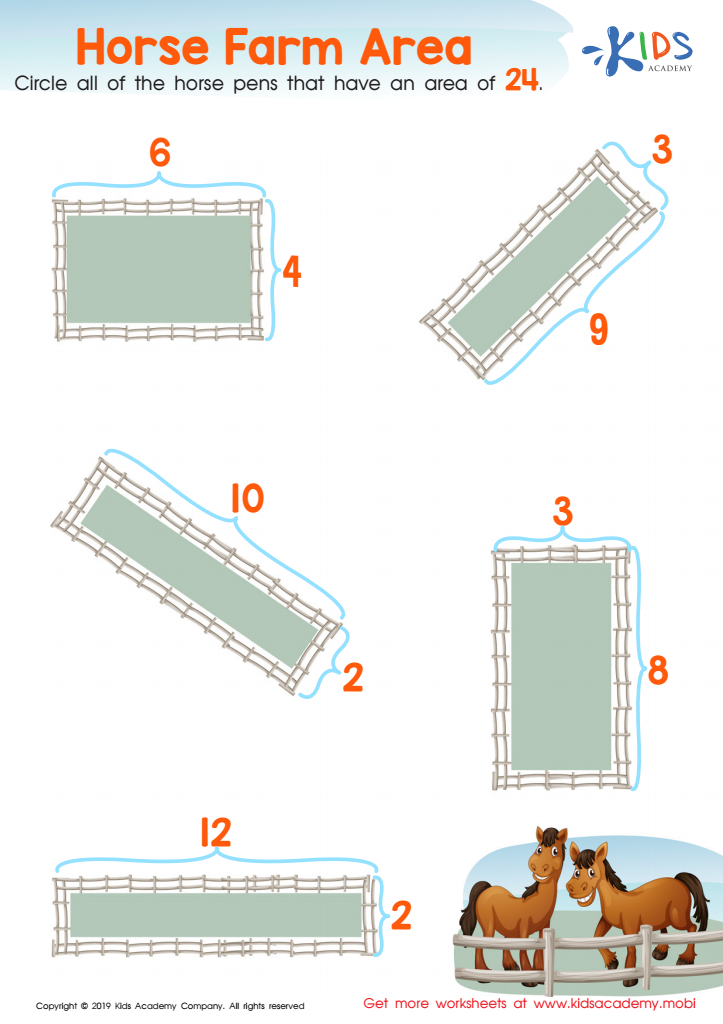
Horse Farm Area Worksheet
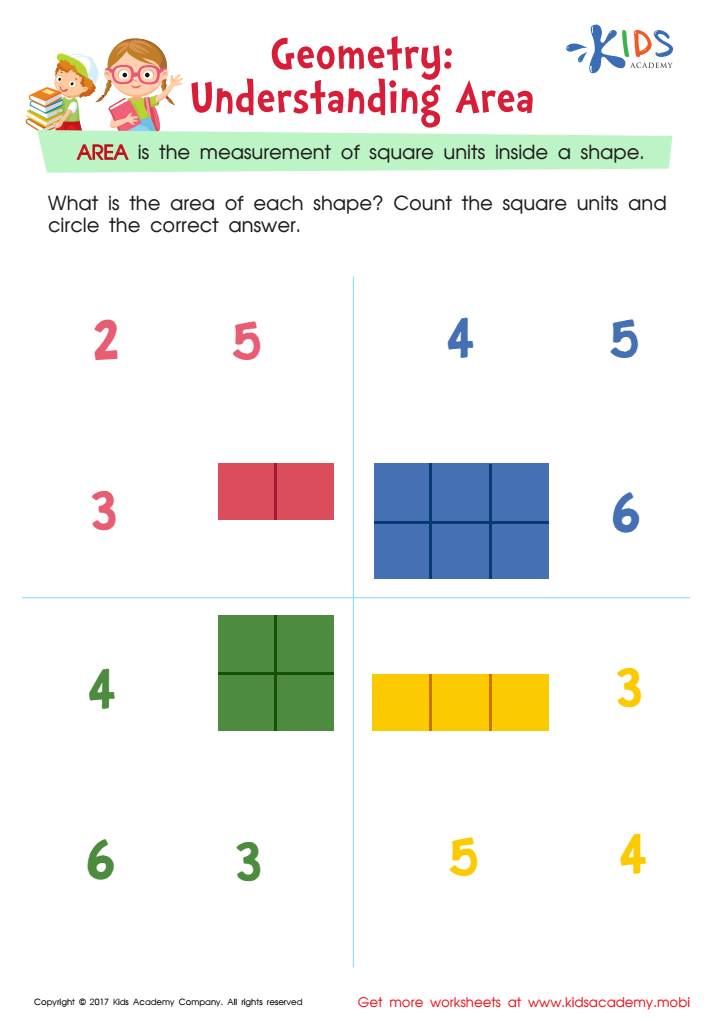
Understanding Area Worksheet








Understanding area and perimeter is crucial for young children, as it lays the foundation for their spatial reasoning and problem-solving skills. For ages 3-9, grasping these concepts enhances their comprehension of geometry, which is essential in everyday life. When children understand area, they learn to quantify how much surface an object covers, while perimeter teaches them about the distance around an object.
Parents and teachers should care about these concepts because they empower children to make sense of the world around them. Engaging with area and perimeter in playful ways—such as measuring spaces for play, creating art, or observing patterns—offers hands-on learning experiences. These activities stimulate critical thinking and foster a love for math by making abstract concepts concrete and relatable.
Moreover, early familiarity with area and perimeter can help children perform better in later math education, as they encounter more complex geometrical concepts. By supporting children in exploring these ideas through games and real-life applications, parents and teachers can cultivate confident learners who are ready to tackle various mathematical challenges as they progress in their education. Ultimately, understanding area and perimeter contributes to their overall cognitive development and prepares them for future academic success.