Problem-Solving Skills Comparing Numbers Worksheets for Ages 3-9
6 filtered results
-
From - To
Boost your child's numerical problem-solving skills with our Comparing Numbers Worksheets, specially designed for ages 3-9. These engaging worksheets help young learners grasp fundamental math concepts through fun, interactive activities. Children will practice comparing quantities, understanding numerical relationships, and honing their analytical abilities. Developed by education experts, our worksheets cater to various skill levels and learning styles, ensuring each child progresses at their own pace. Perfect for both classroom and home use, these resources provide a balanced mix of challenges and support to encourage confidence and proficiency in early math skills. Unlock your child's potential with our thoughtfully crafted exercises.
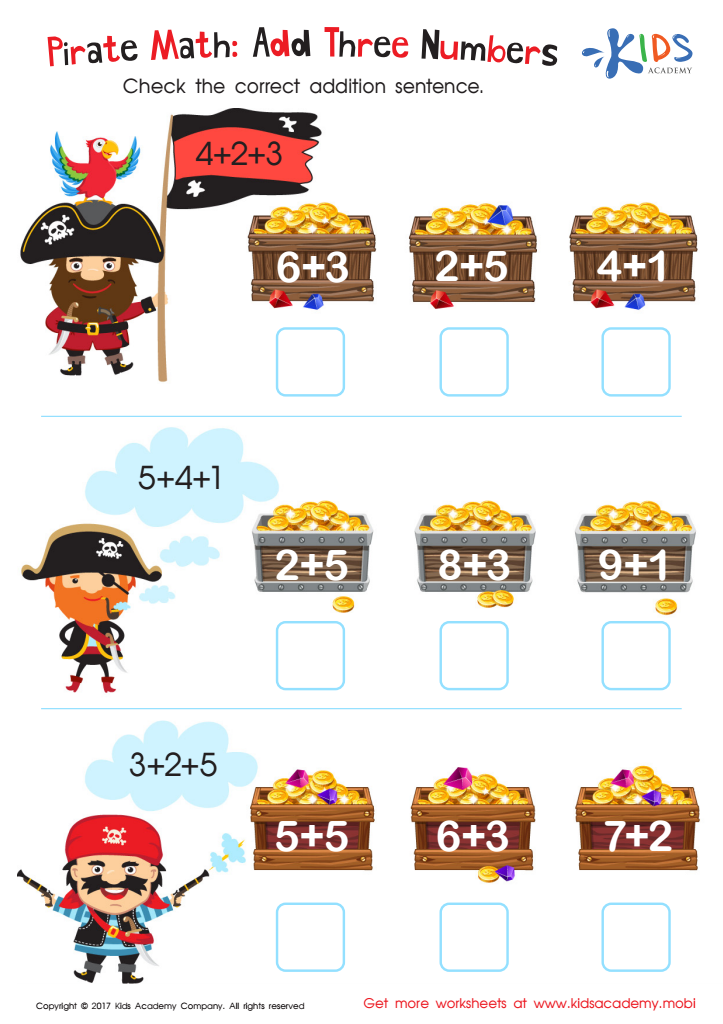
Pirate Math Printable
 Assign to My Students
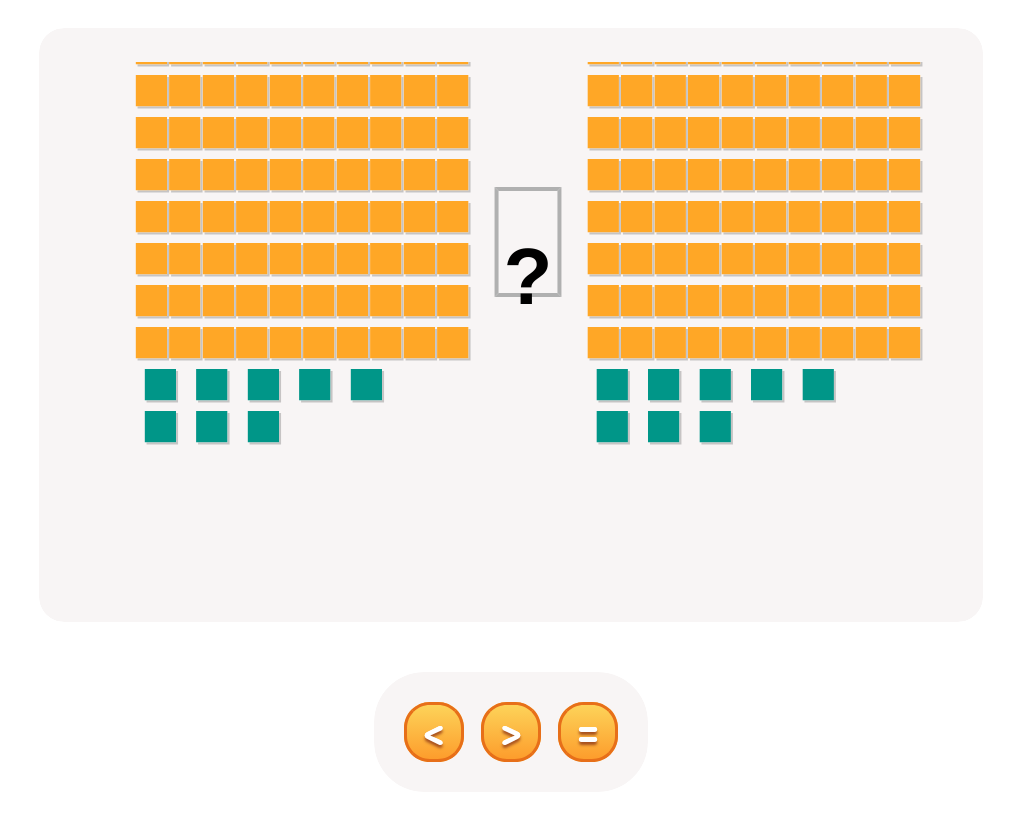

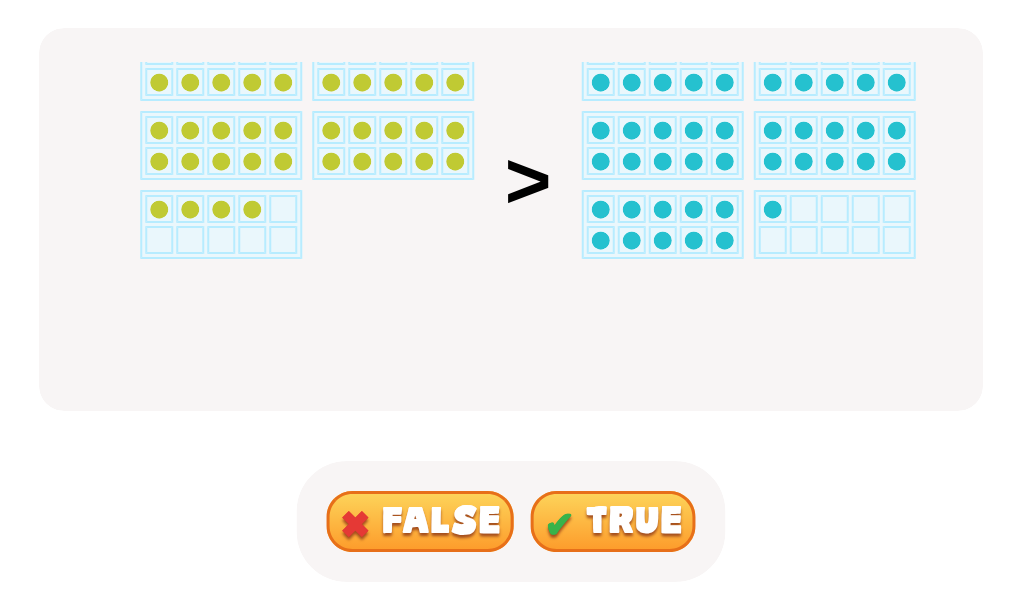
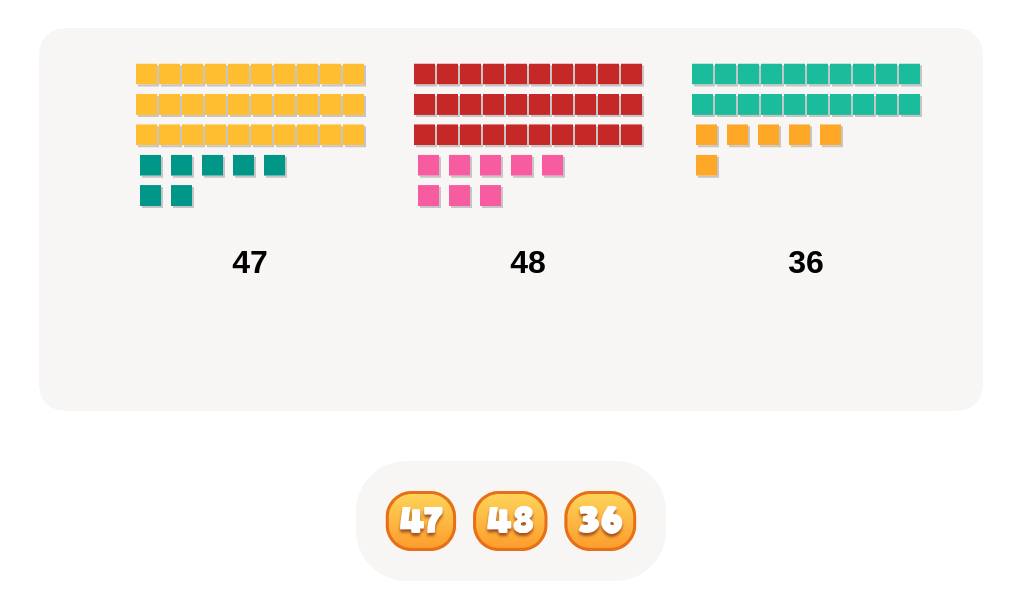
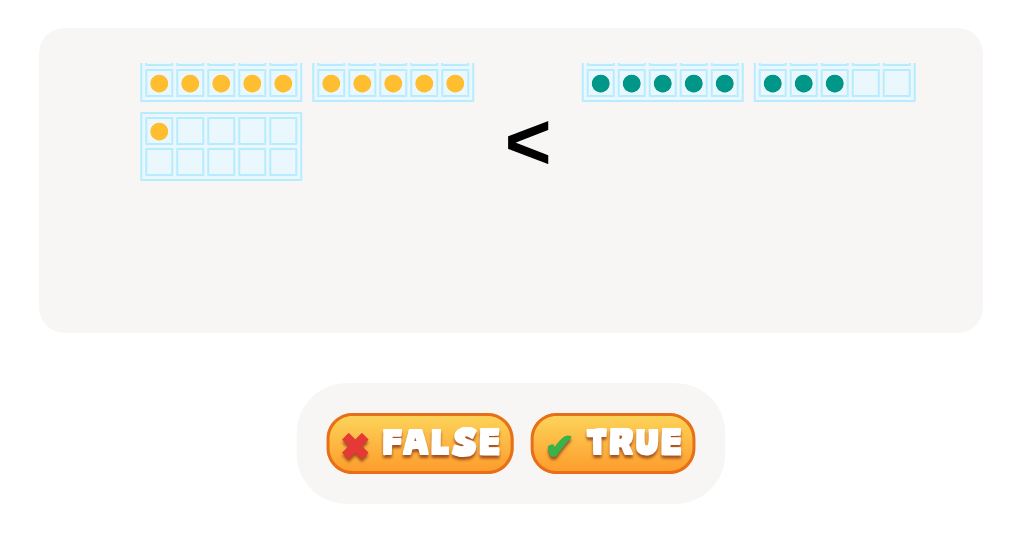
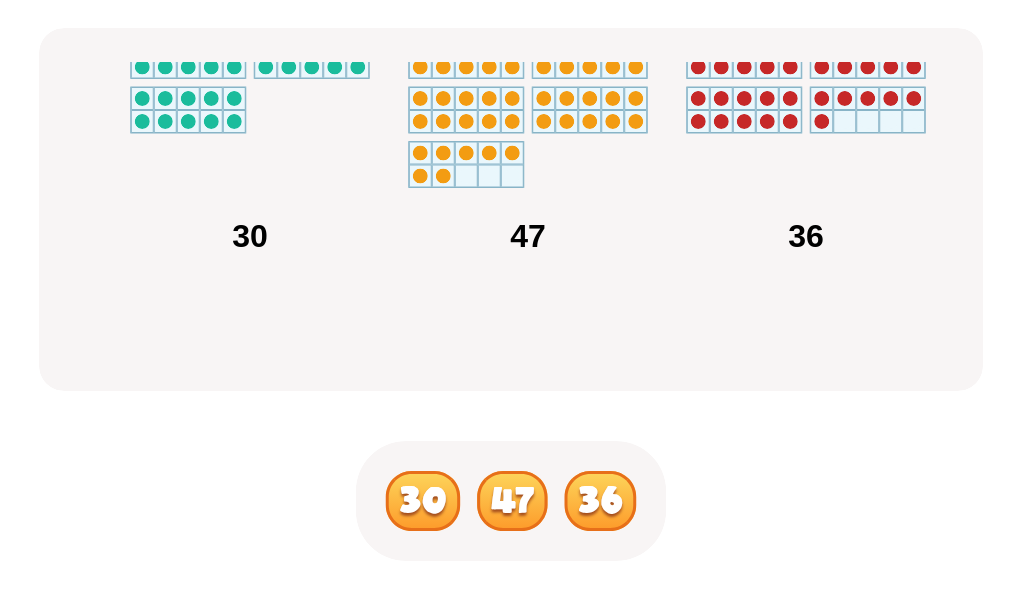
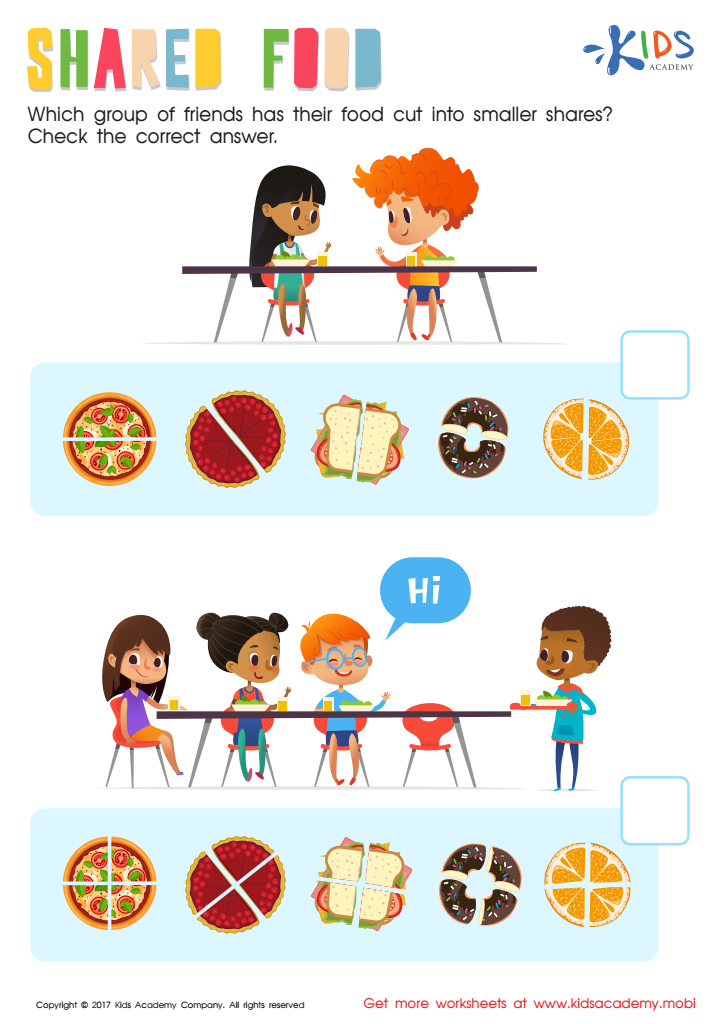
Shared Food Worksheet
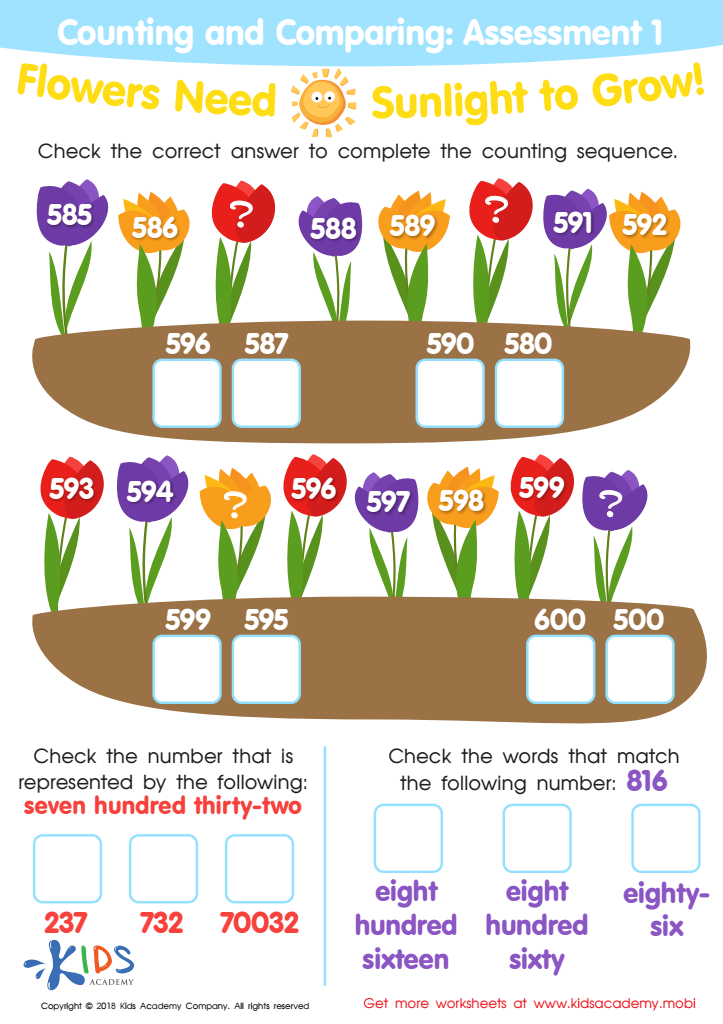
Counting and Comparing: Assessment 1 Worksheet
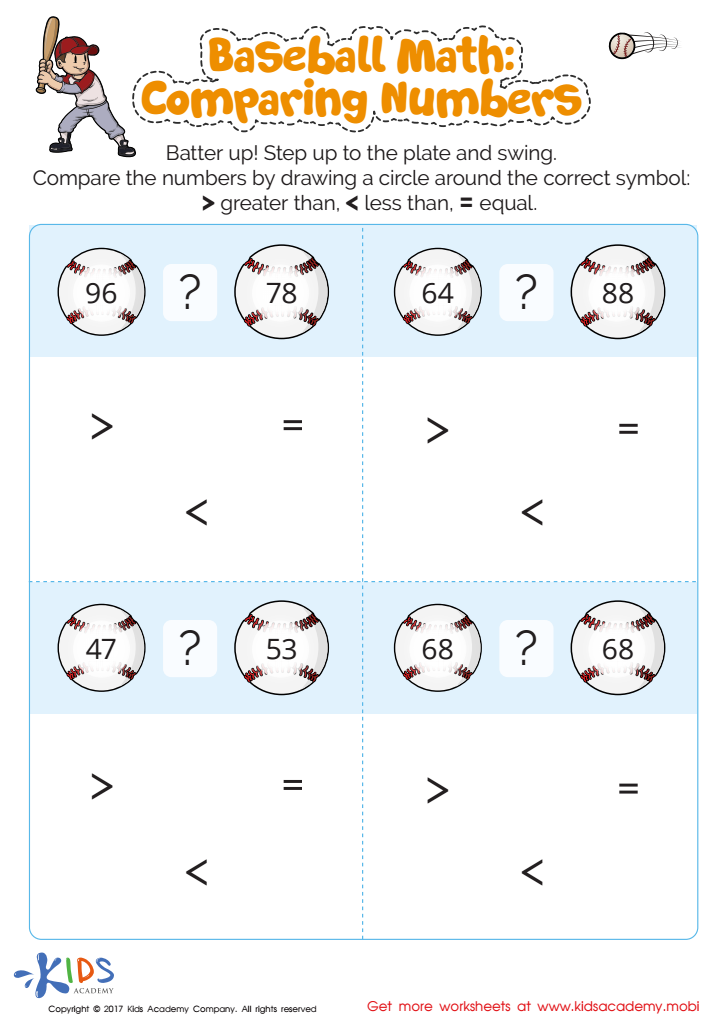
Compare Numbers Printable
Matching: Classifying Toys by Size Worksheet
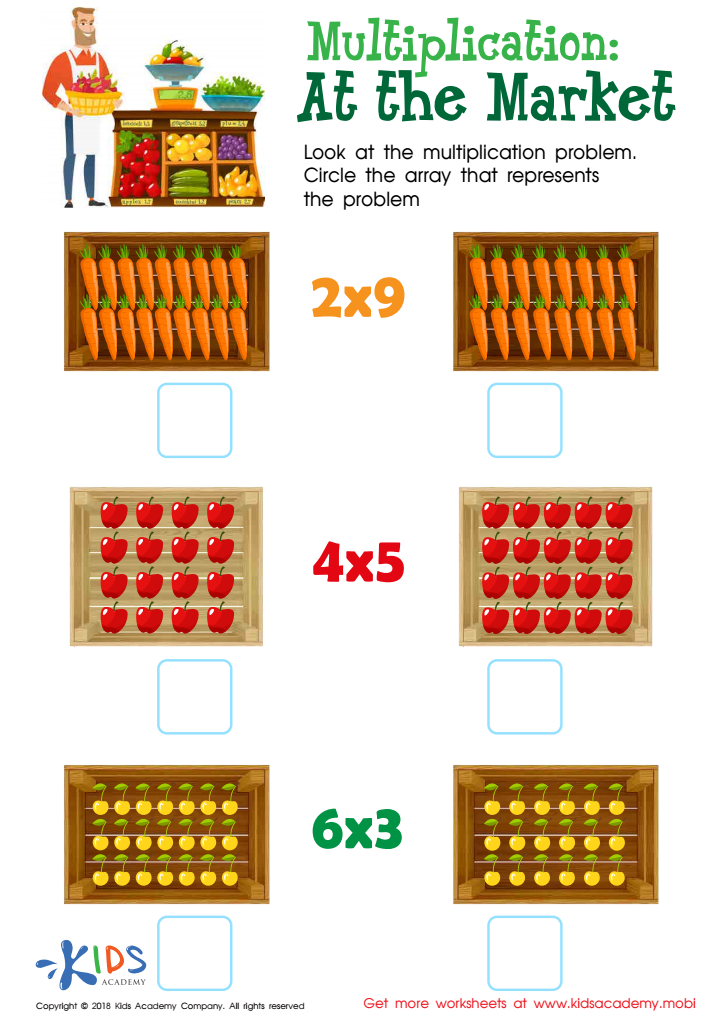
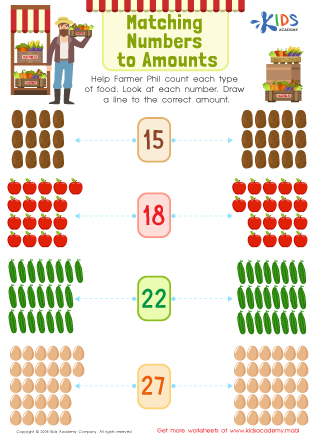
At the Market Worksheet








Problem-solving skills, particularly those involving comparing numbers, are foundational for cognitive development in young children aged 3-9. At this critical age, children are developing important mental frameworks that will support their future learning abilities and daily life skills.
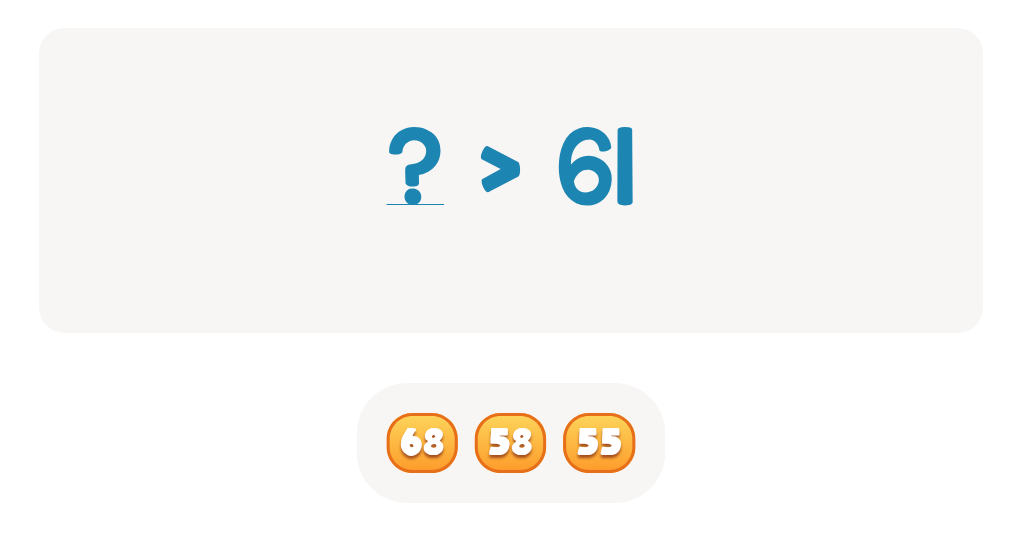
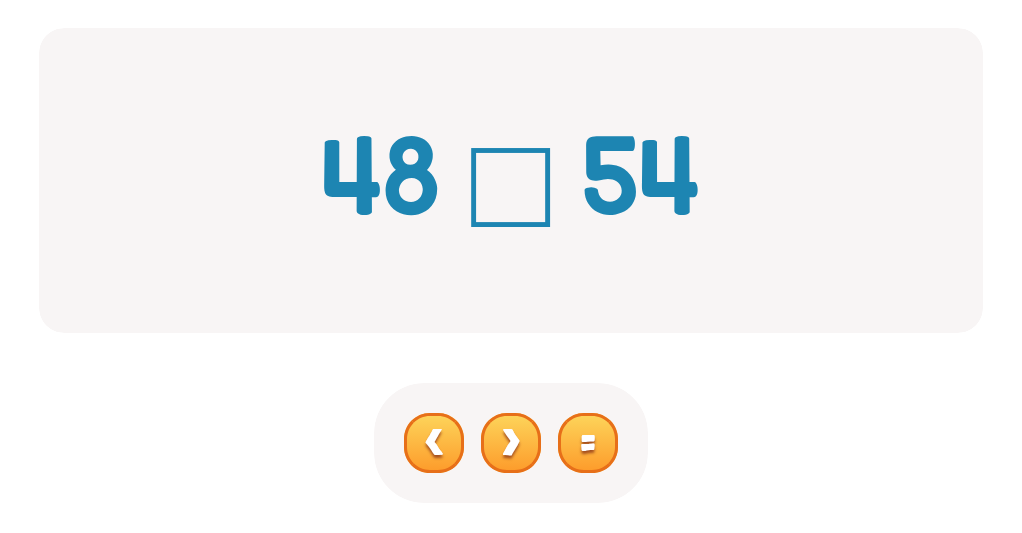
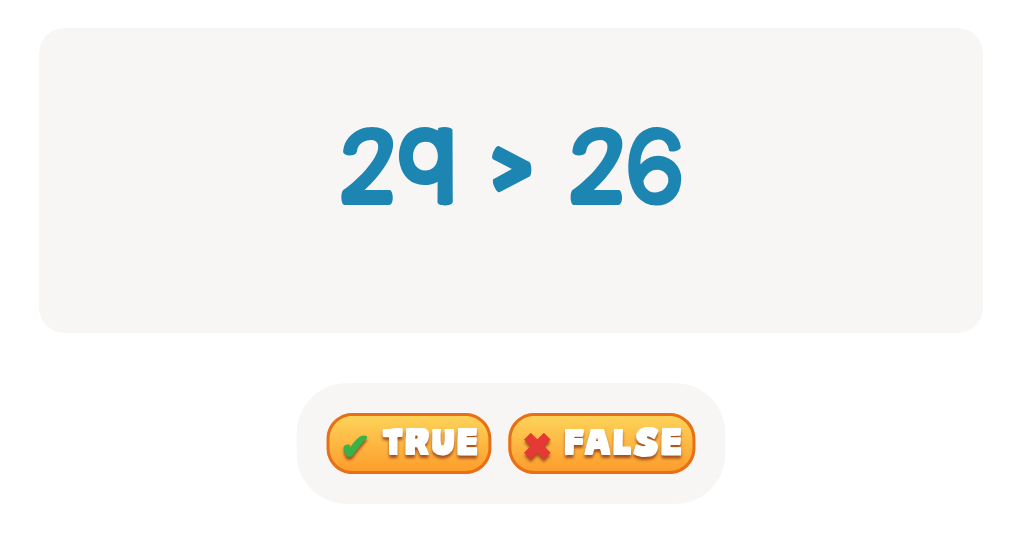
Firstly, comparing numbers strengthens mathematical literacy. Students learn to understand numerical order, grasp concepts of greater than, less than, and equal to, and begin to develop an intuitive sense of quantity and value. This early exposure to mathematical concepts lays the groundwork for more complex arithmetic and logical reasoning skills needed in later academic stages.
Secondly, problem-solving with numbers enhances critical thinking. As children engage with numerical comparisons, they learn to make decisions, analyze data, and recognize patterns. These activities boost their analytical and reasoning capabilities, teaching them to approach problems systematically and persistently.
Lastly, these skills are applicable beyond mathematics. They help children in everyday tasks like determining who has more toys, which can instill fairness and cooperative play. Being able to compare numbers and make judgments based on those comparisons also supports language development as they verbalize their reasoning and engage in discussions.
By promoting problem-solving skills related to number comparison, parents and teachers not only build foundational academic abilities but also foster critical cognitive and social development in young children.