Understanding skip-counting Counting Worksheets for Ages 3-9
3 filtered results
-
From - To
Introduce your child to the concept of skip-counting with our engaging worksheets designed for ages 3-9. Skip-counting helps build early math skills like counting by 2s, 5s, and 10s, laying the foundation for multiplication and number patterns. Our colorful, fun printables make learning easy and enjoyable, offering a mix of activities that promote number recognition, sequencing, and problem-solving. Perfect for home or classroom use, these worksheets adapt to various learning levels, ensuring continuous progress and confidence in young learners. Dive into skip-counting today and watch your child's numerical skills soar!
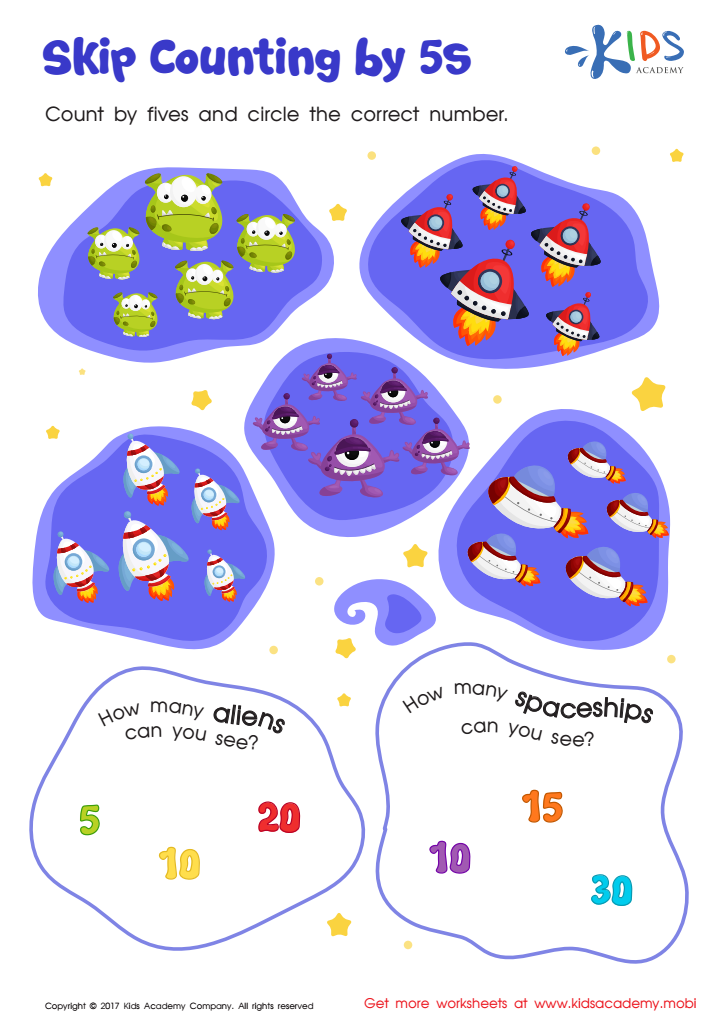
Skip Counting by 5s: Aliens and Spaceships Printable
 Assign to My Students



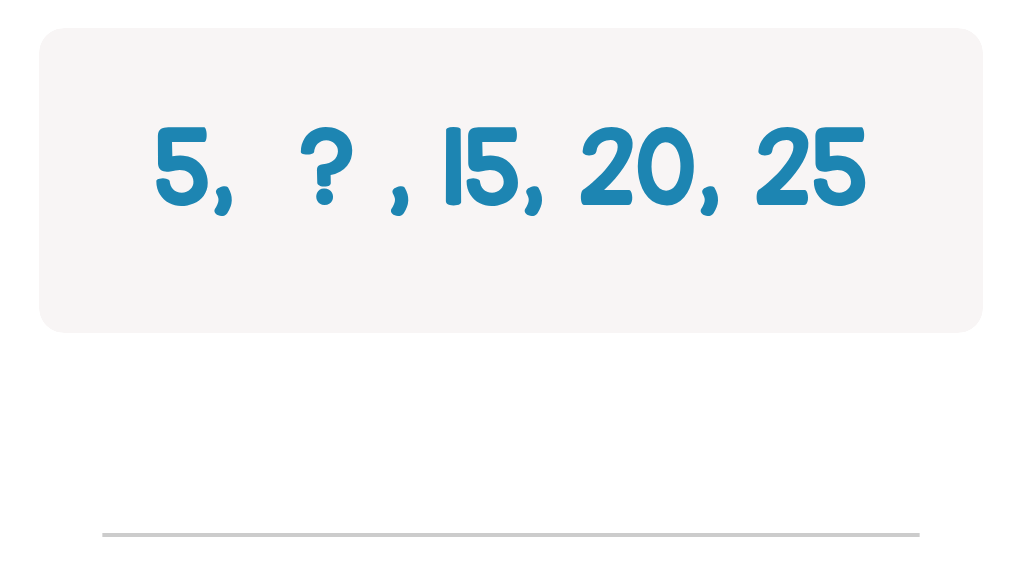
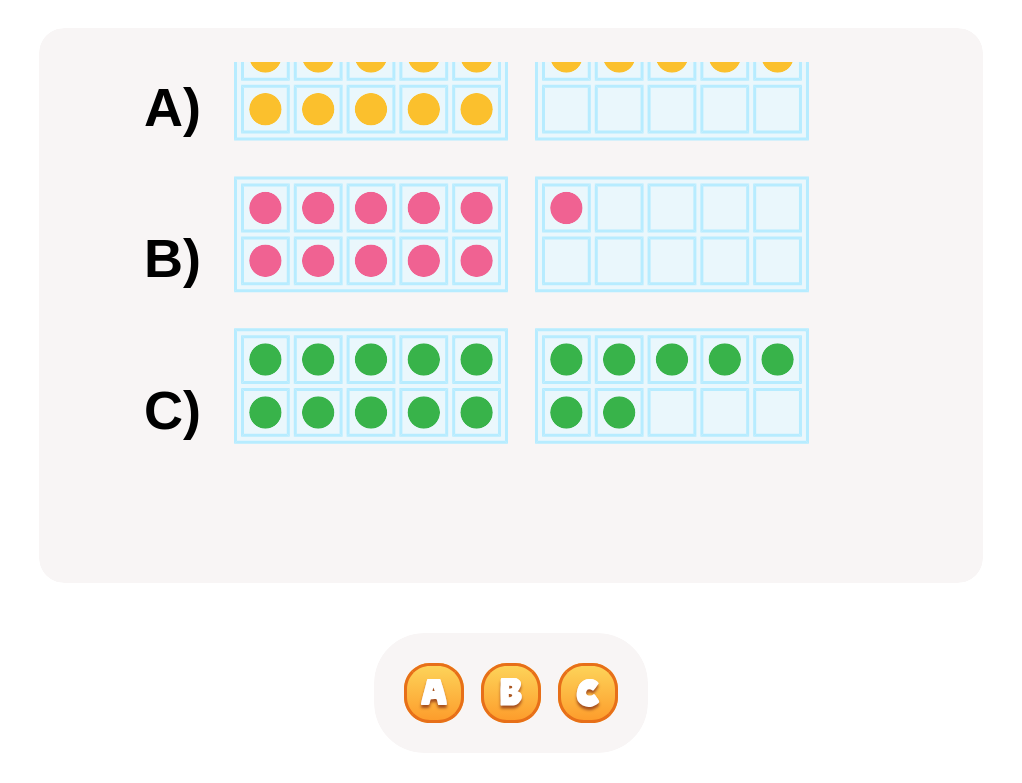
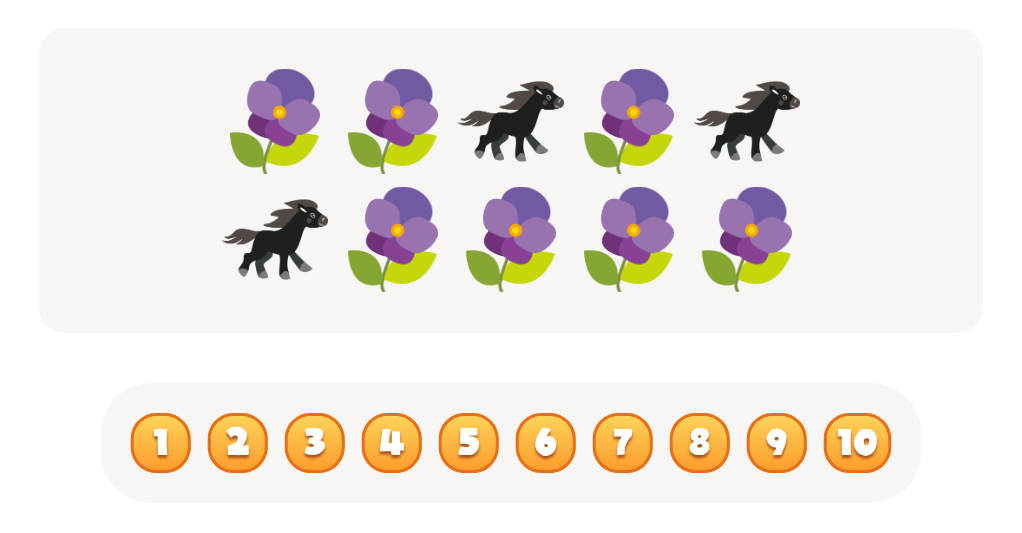
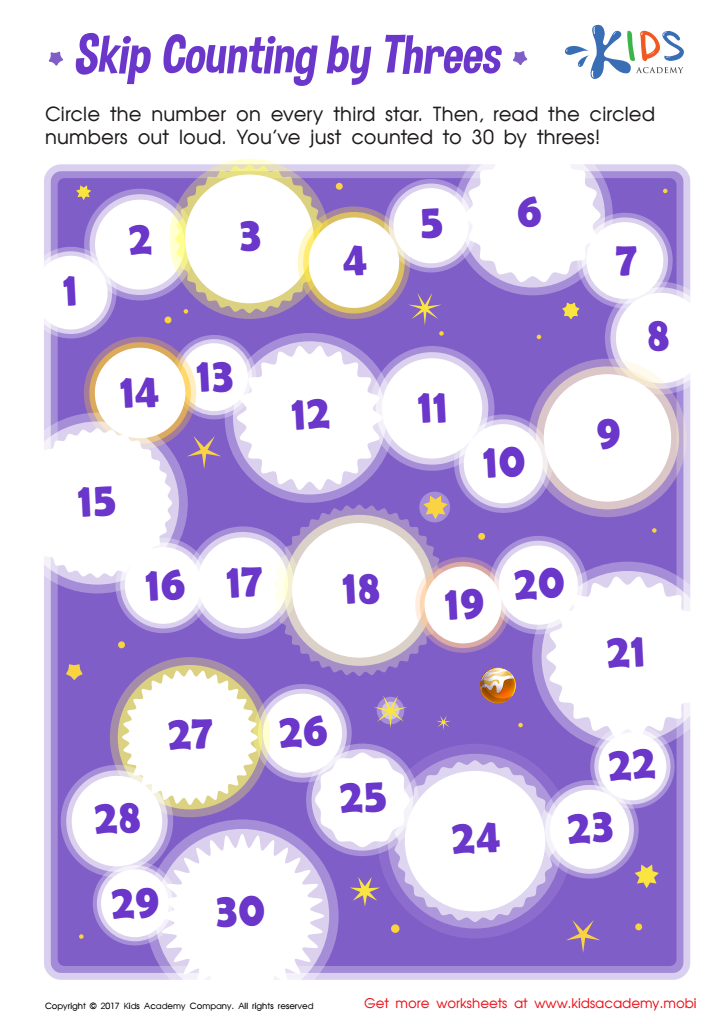
Skip Counting By Three Printable
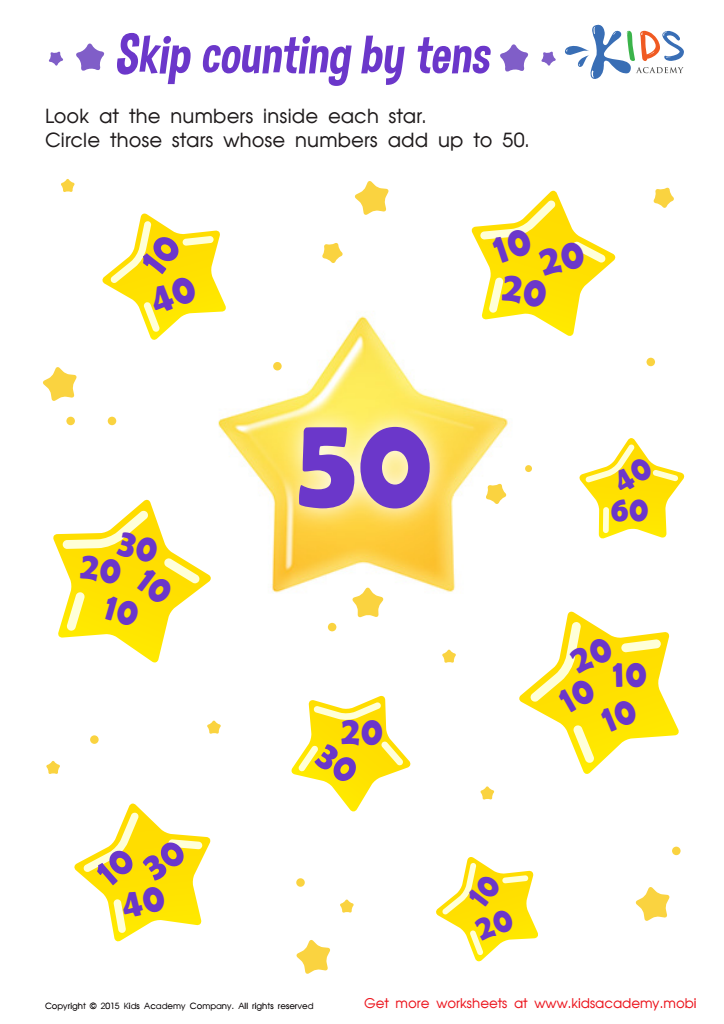
Learn Dozens: Skip Counting by Tens Printable







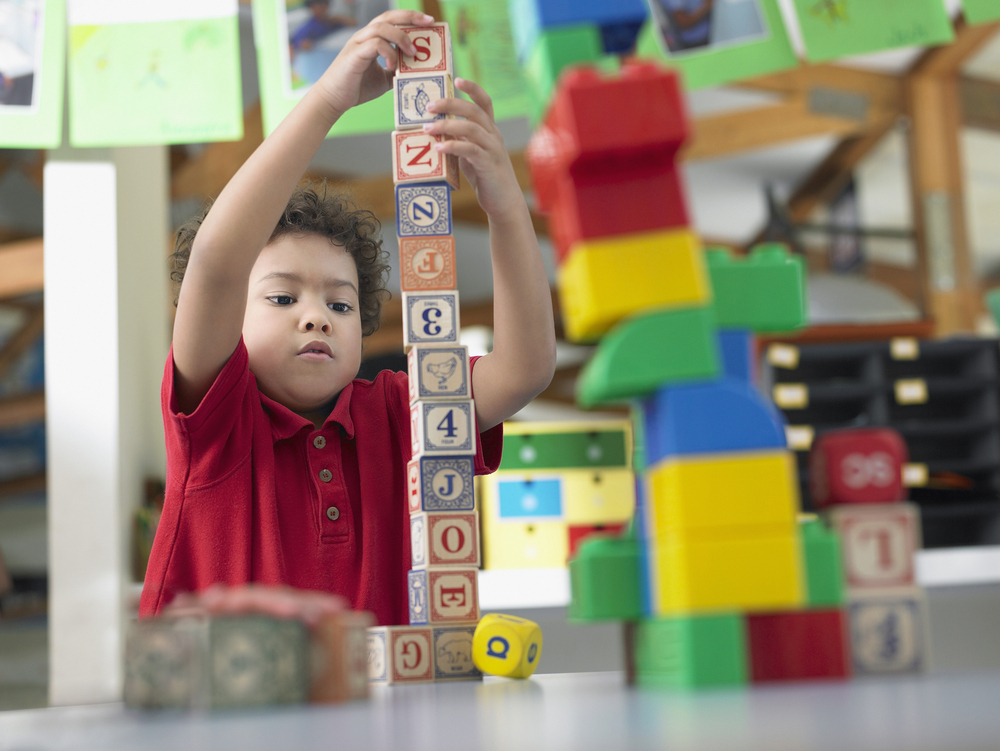
Skip-counting is a fundamental skill that sets the stage for many critical mathematical concepts, and it's important for both parents and teachers to prioritize this with children aged 3-9. By learning to skip-count—counting by 2s, 5s, 10s, and so on—children develop a stronger number sense and better understand patterns in numbers. This foundational practice not only helps with the immediate task of counting more efficiently but is also integral to mastering more complex arithmetic operations.
For instance, skip-counting lays the groundwork for addition and multiplication. When children learn to count by 5s or 10s, they effectively practice adding those numbers repeatedly, building skills that will be essential when they move on to learning their times tables. This conceptual understanding makes advanced topics like division and fractions easier to grasp later on.
Moreover, skip-counting enhances problem-solving abilities and logical thinking by encouraging children to recognize numerical patterns and sequences. This core ability to identify patterns is crucial across all areas of mathematics and beyond.
Finally, developing these skills early boosts children's confidence in their mathematical abilities, fostering a positive attitude toward learning math. Raising capable, confident learners in math starts with understanding the significance of foundational skills like skip-counting. Both parents and teachers play pivotal roles in facilitating this aspect of early education.








