Basic Math Skills Numbers Worksheets for Ages 3-9 - Page 2
43 filtered results
-
From - To
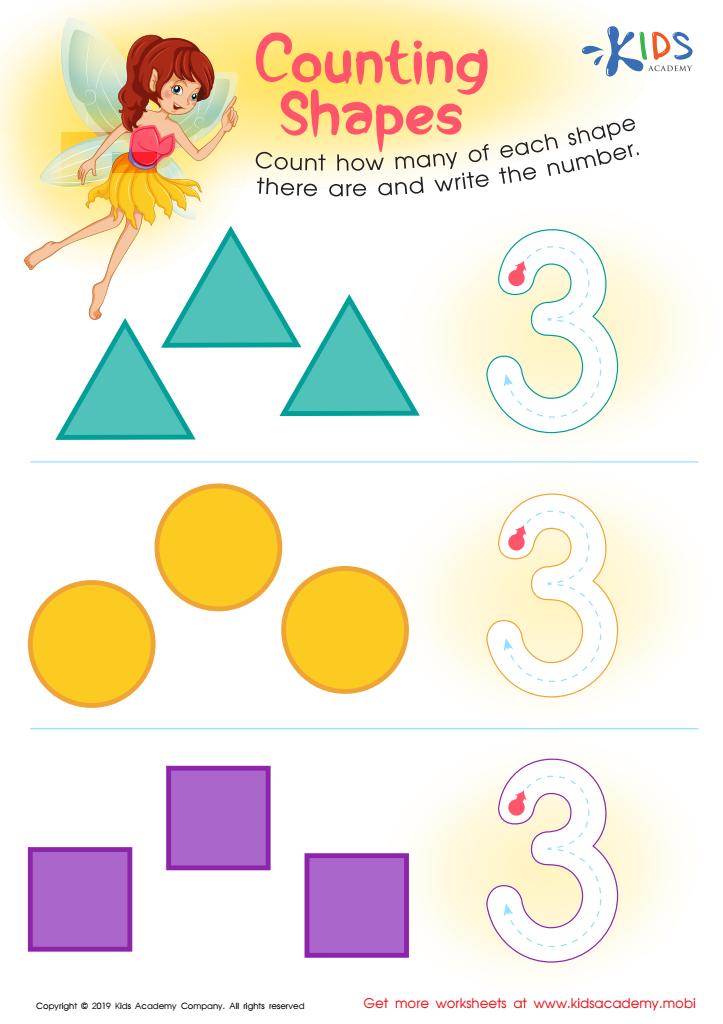
Counting Shapes Worksheet
 Assign to My Students
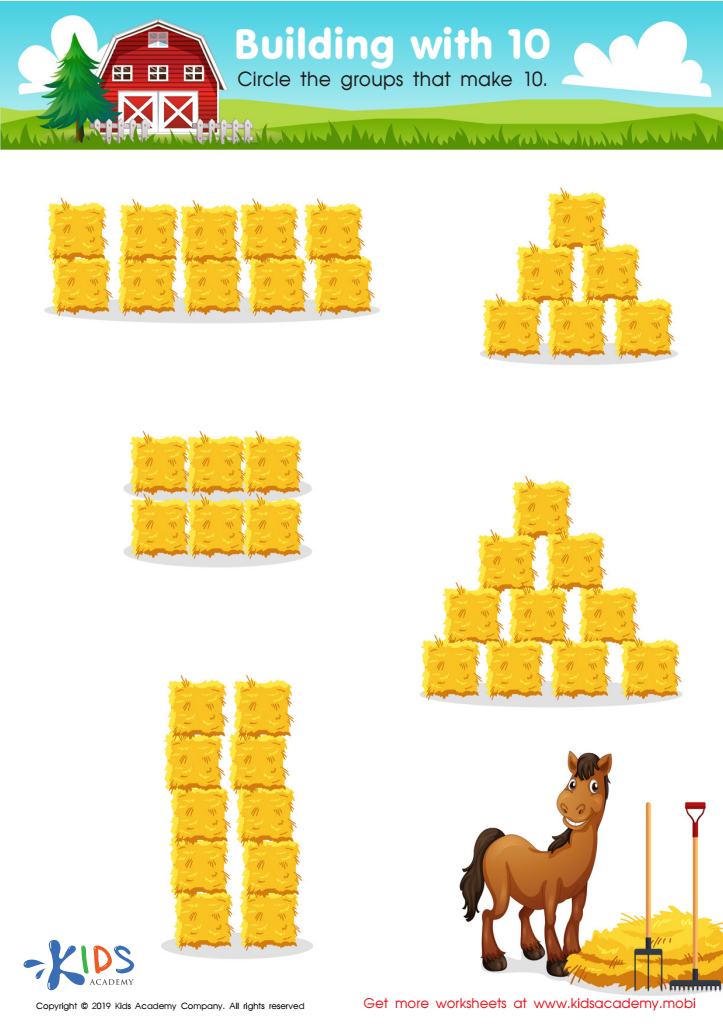
Building with 10 Worksheet
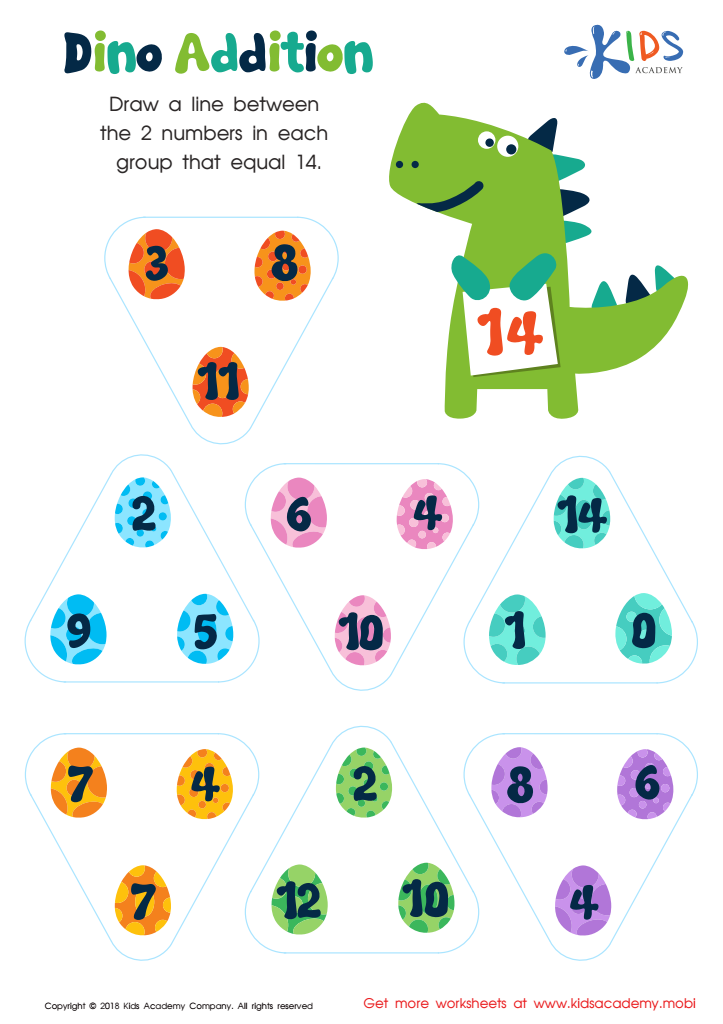
Dino Addition Worksheet
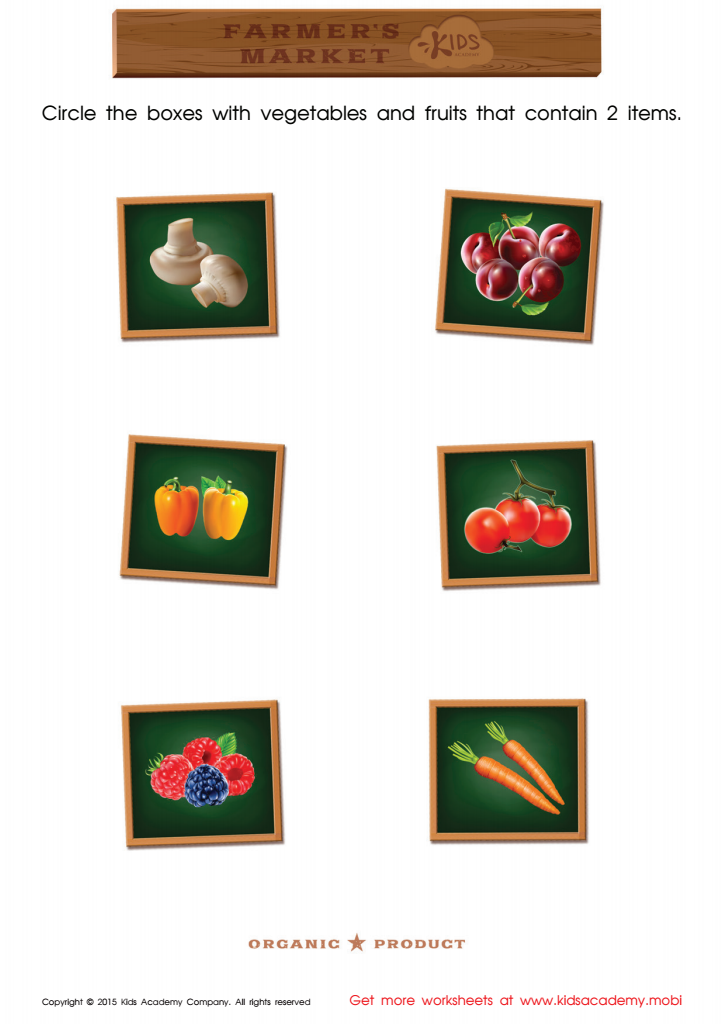
Count and Match Vegetables and Points Math Worksheet
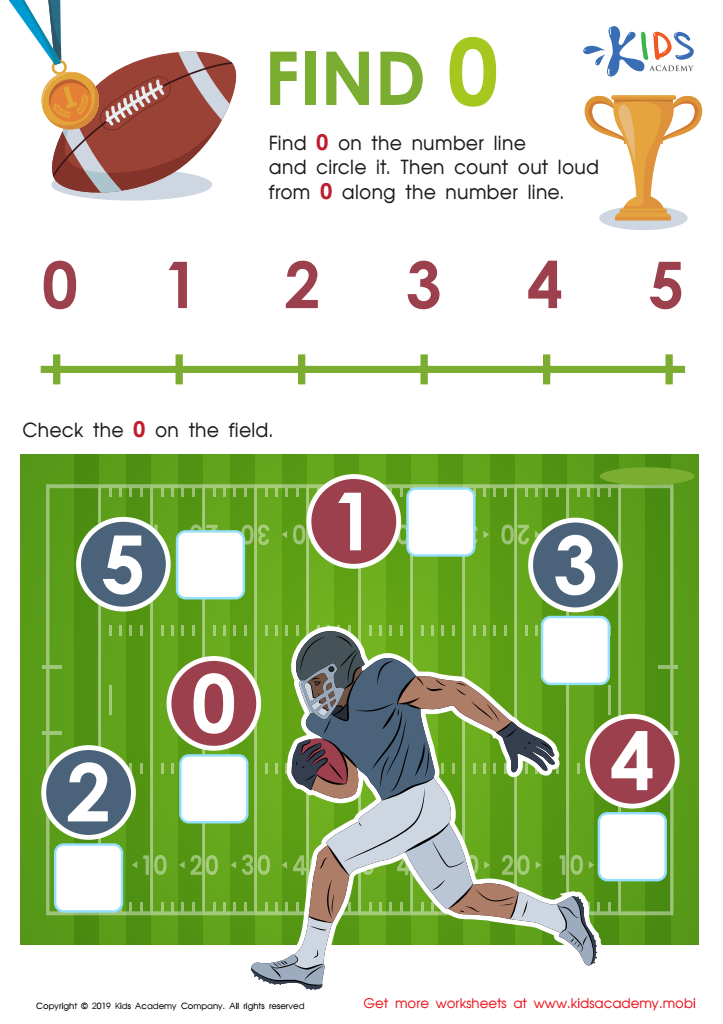
Find 0 Worksheet
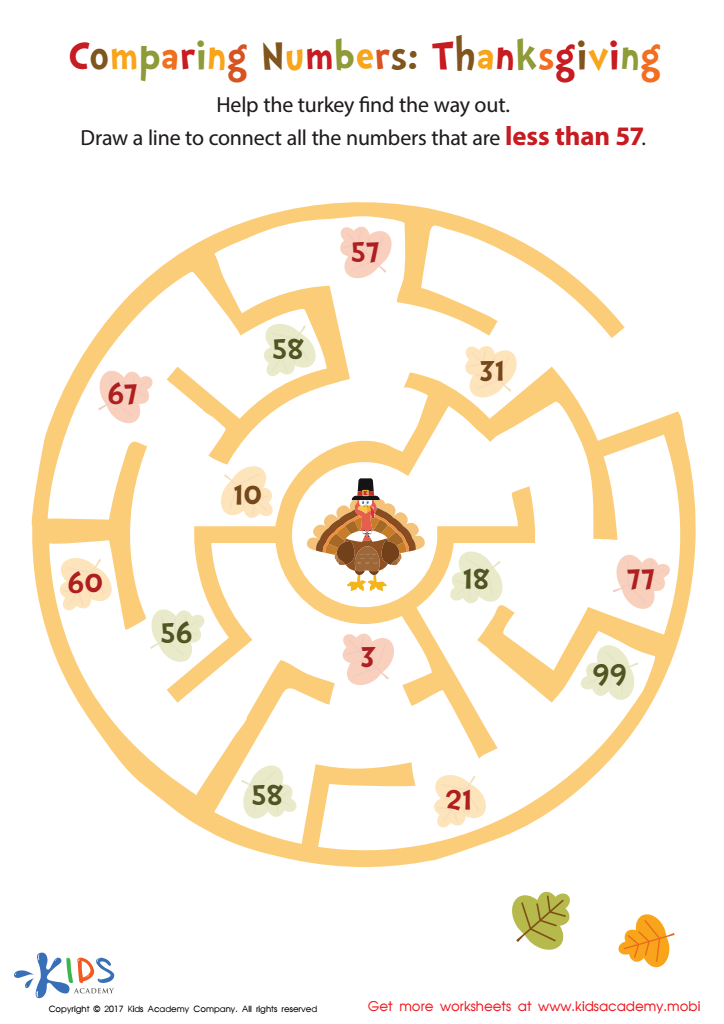
Comparing Numbers Printable
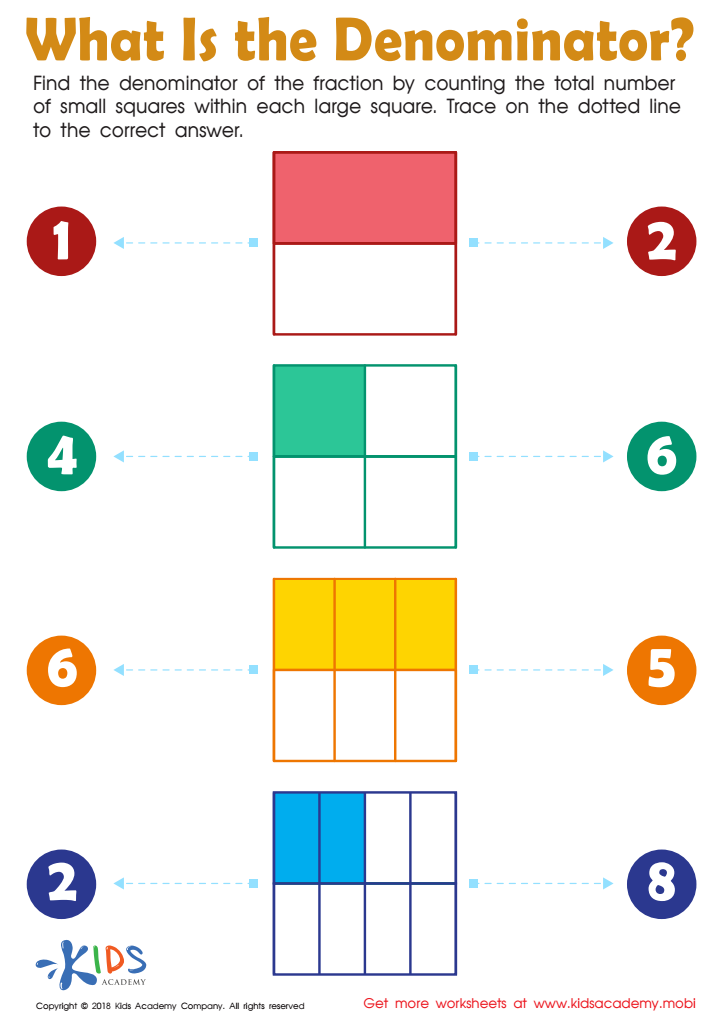
What Is the Denominator? Worksheet
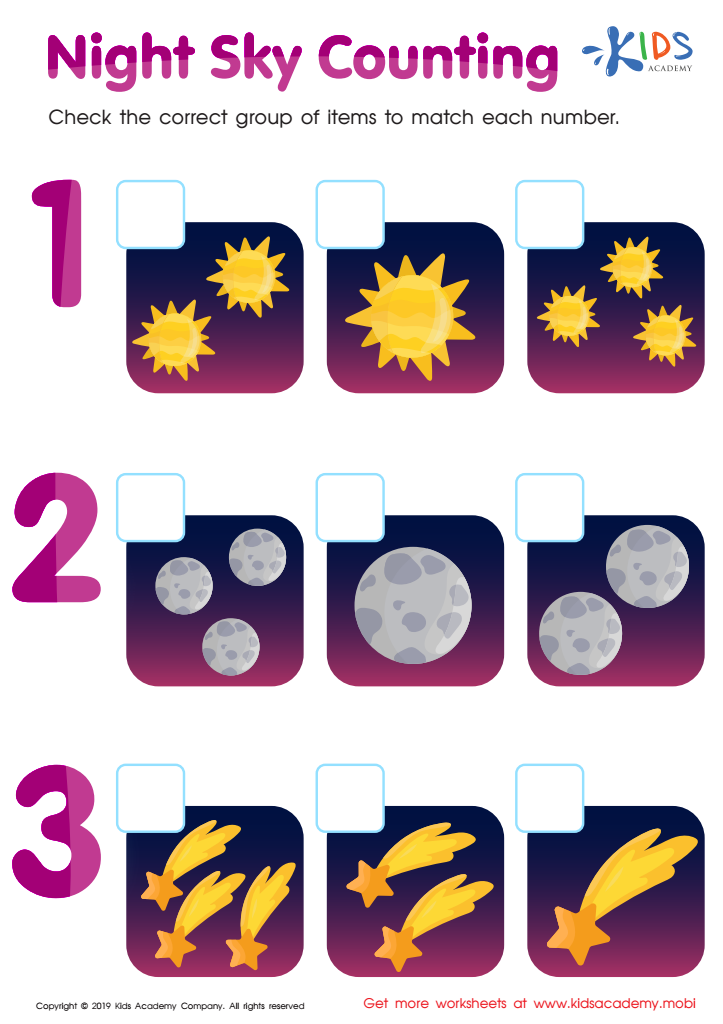
Night Sky Counting Worksheet

Sweet Shop – Counting Coins Worksheet
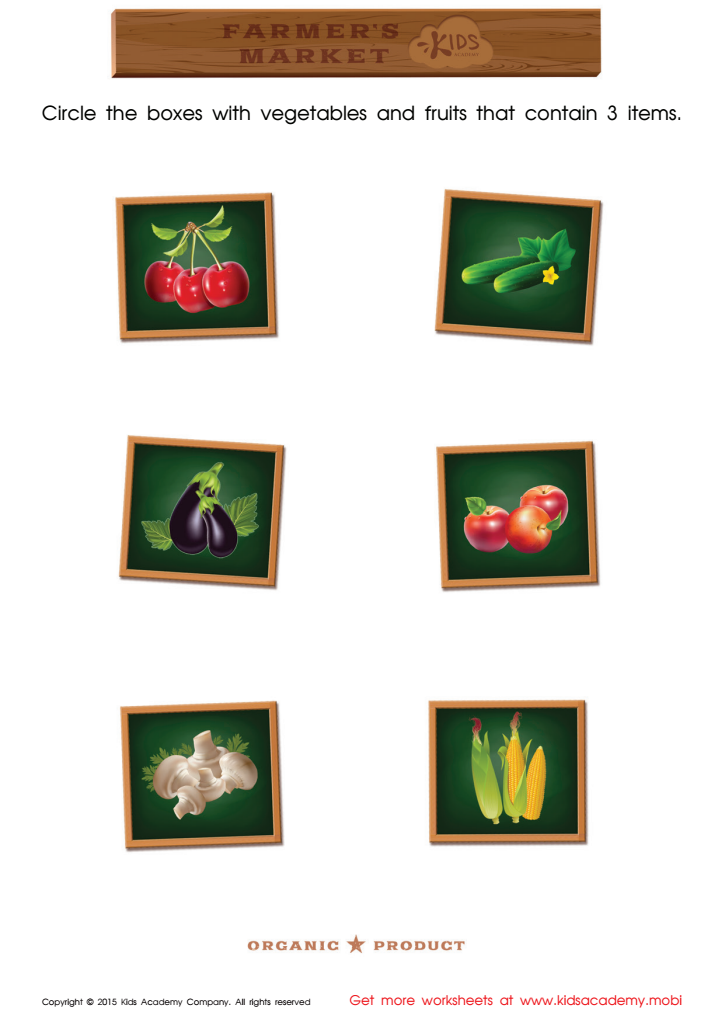
Count and Match Vegetables 1 – 5 Math Worksheet
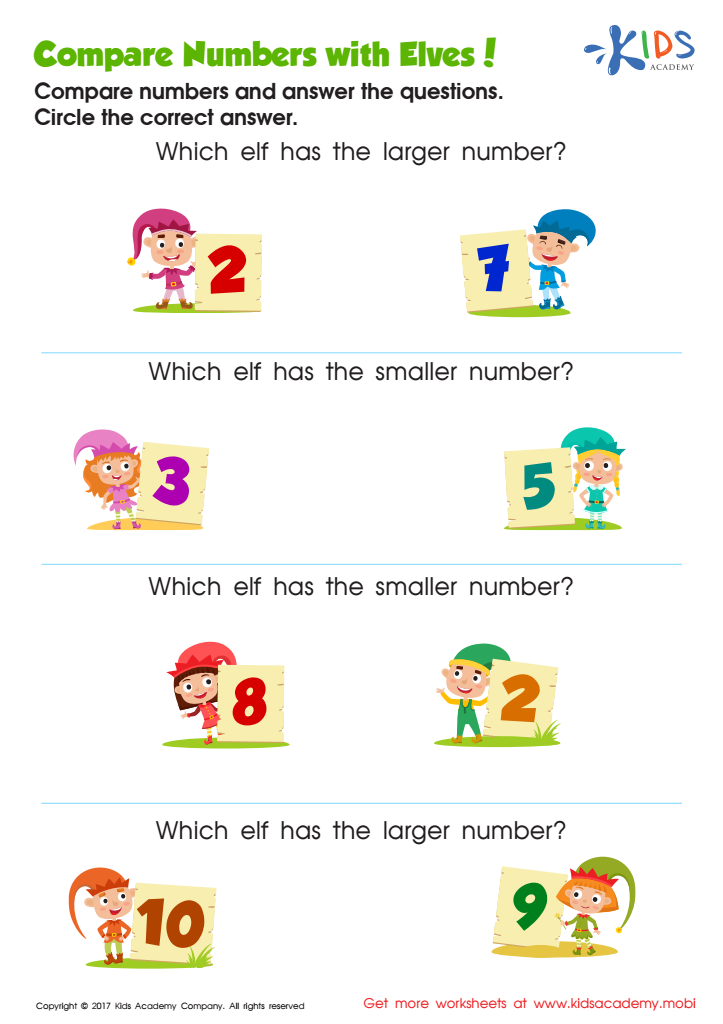
Comparing Numbers Worksheet for Kindergarten
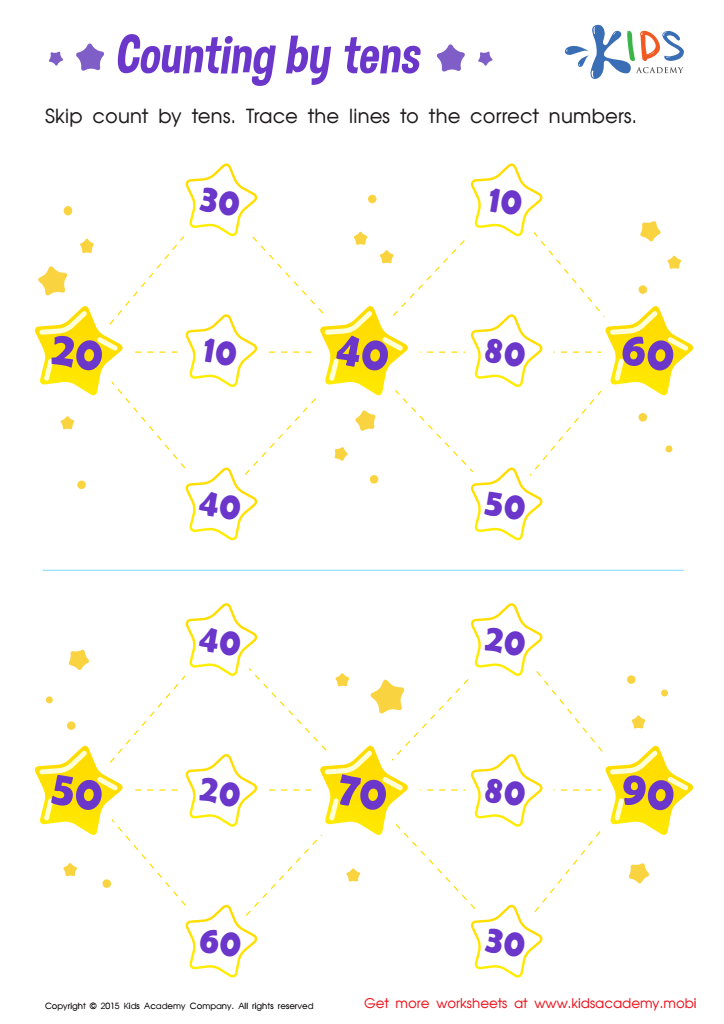
Learn Dozens: Counting by Tens Printable
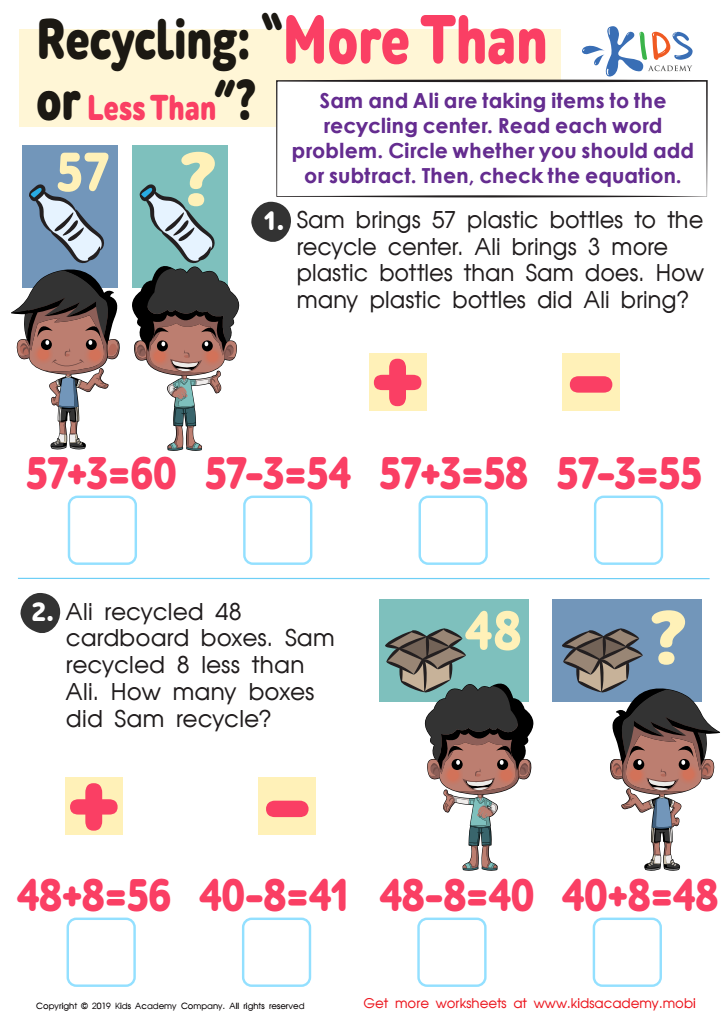
Recycling - More or Less Worksheet
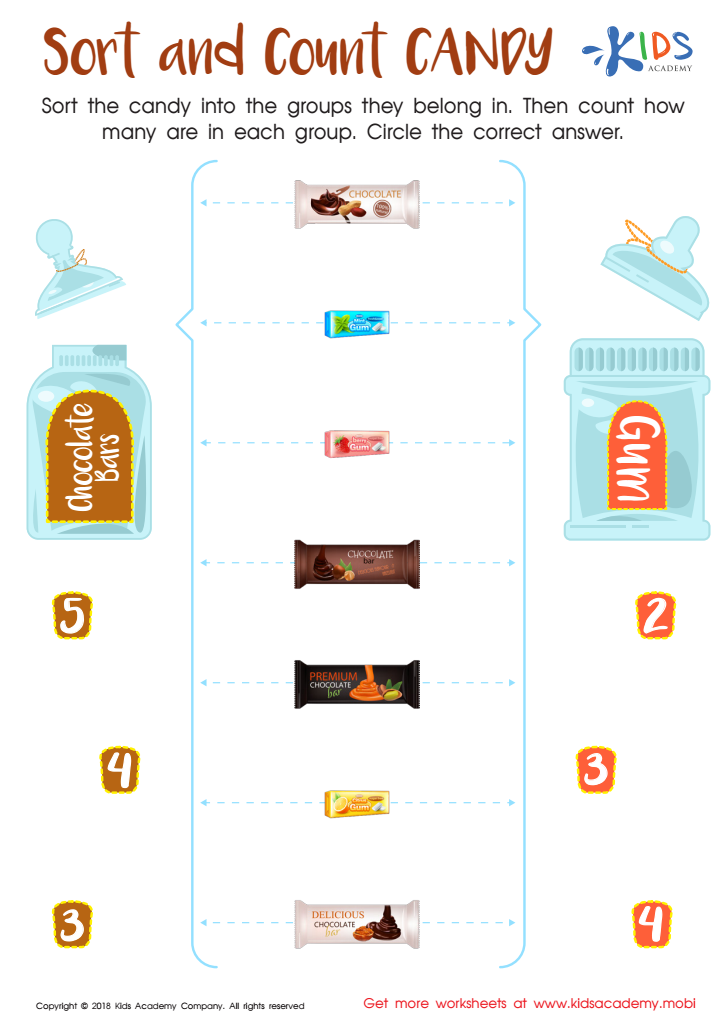
Sort and Count Candy Worksheet
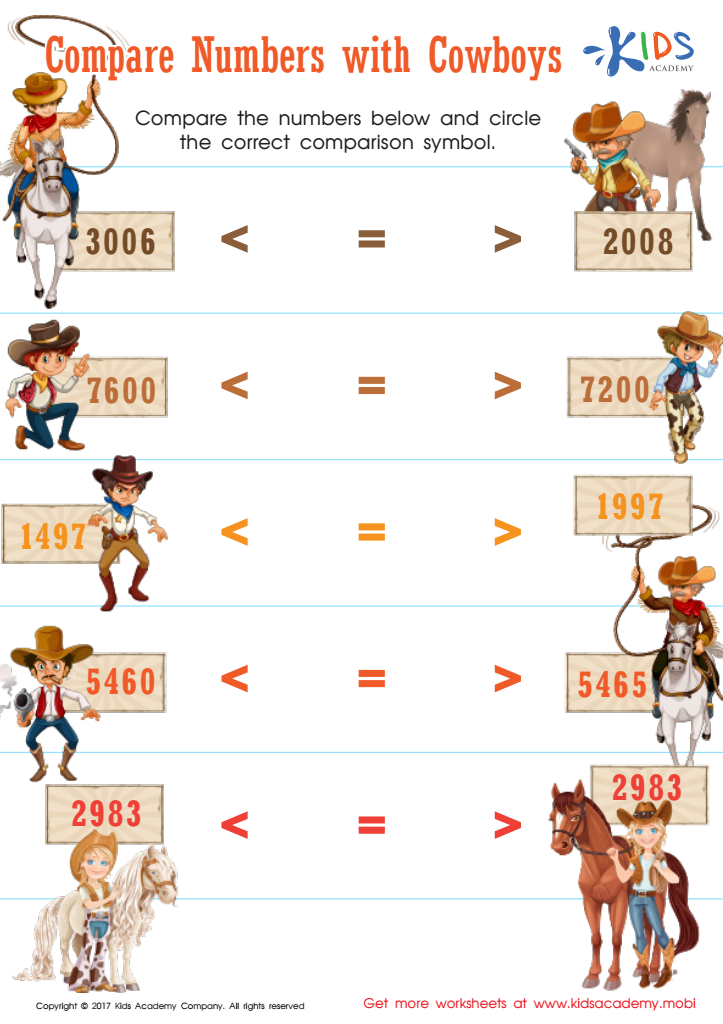
Compare Numbers Worksheet for 3rd Grade
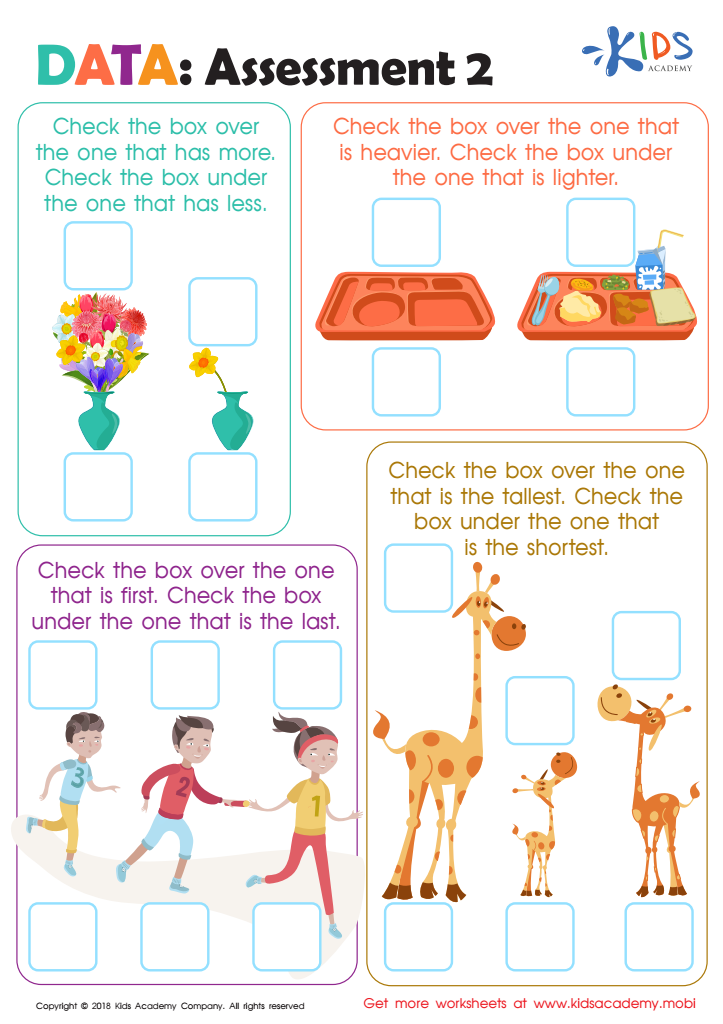
Data: Assessment 2 Worksheet
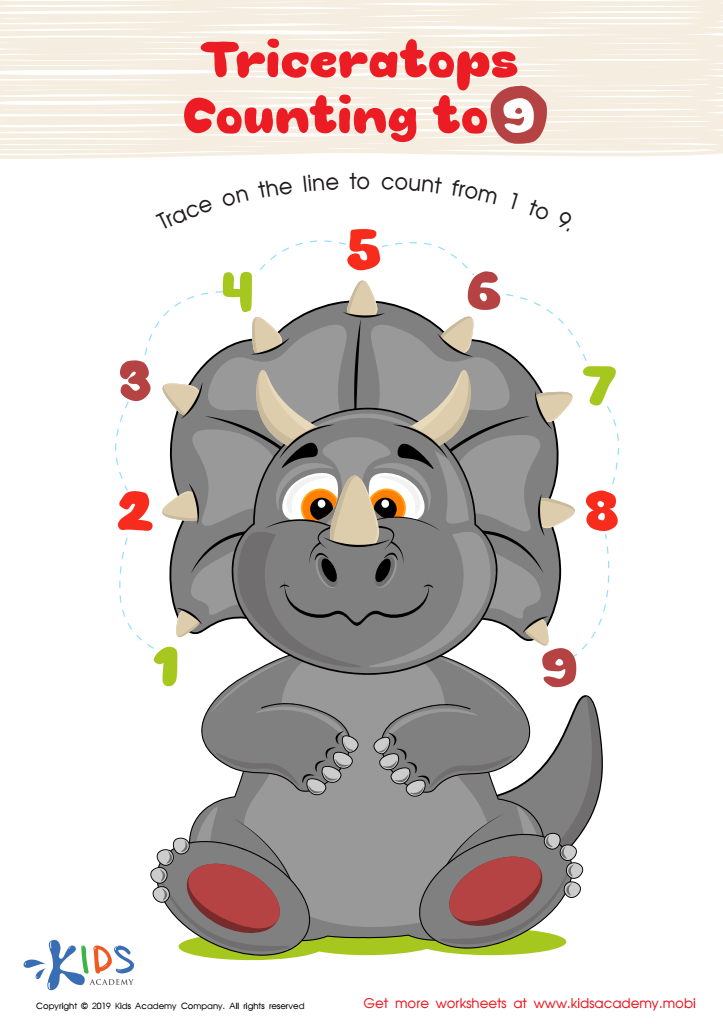
Triceratops Counting to 9 Worksheet
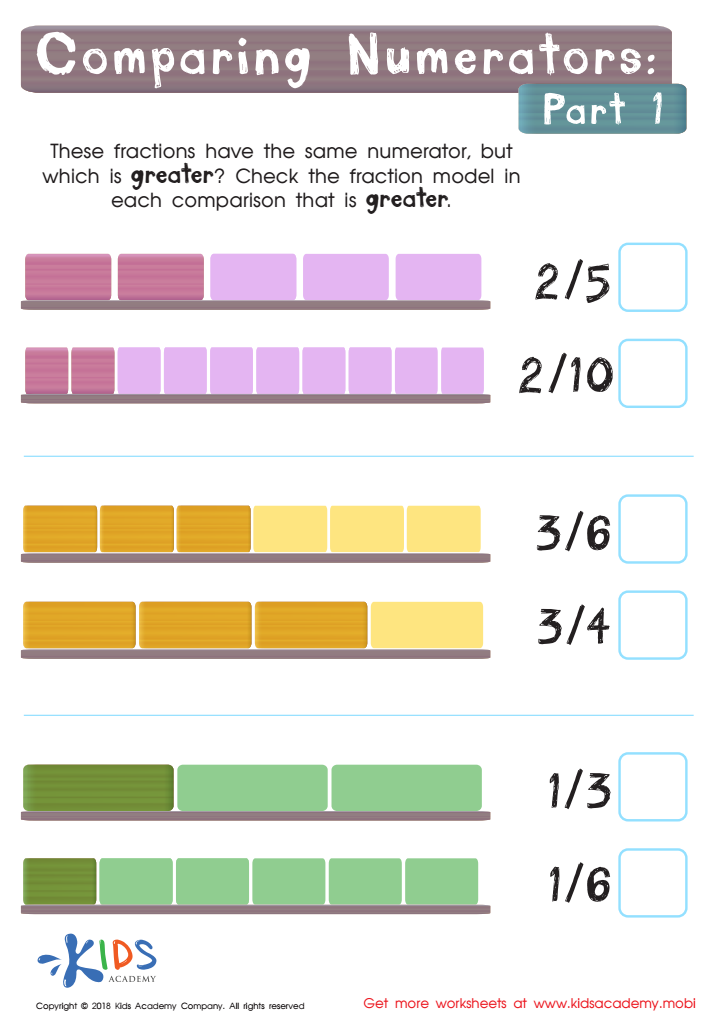
Comparing Numerators Part 1 Worksheet
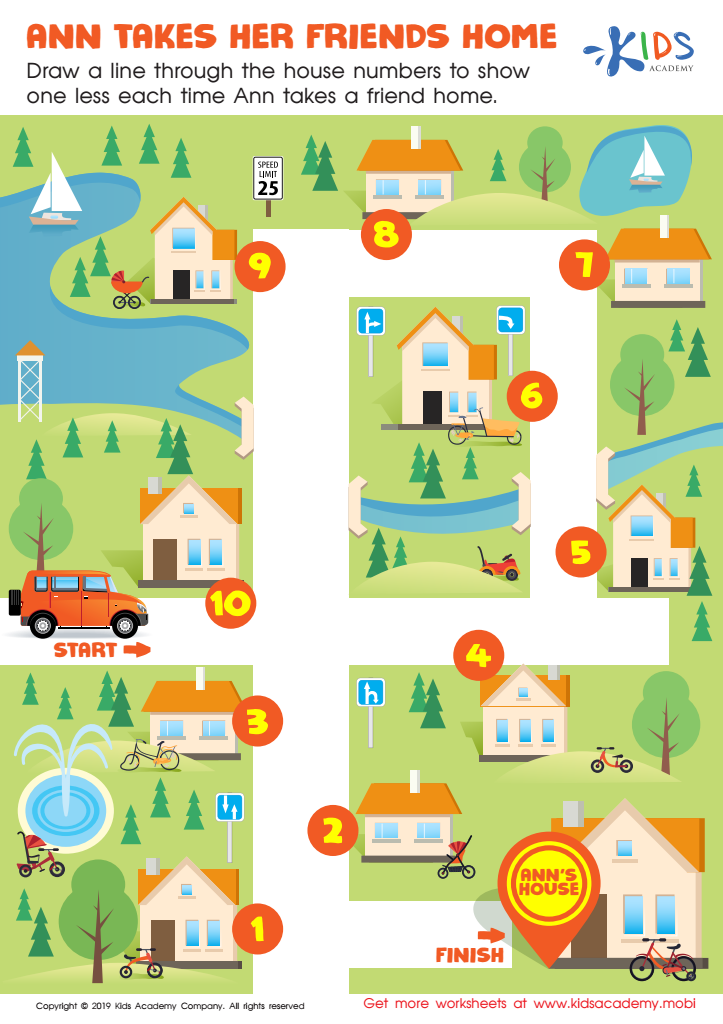
Ann Takes her Friends Home Worksheet






Parents and teachers should prioritize basic math skills for children aged 3-9 because these foundational abilities play a crucial role in a child’s overall development and future academic success. During this vital stage, children are naturally curious and eager to learn, making it an optimal time to introduce essential math concepts. Building a solid understanding of numbers, counting, and simple operations fosters critical thinking and problem-solving skills that are essential in all areas of learning.
Research shows that early math skills are strong predictors of later academic success, even more so than literacy. Additionally, these skills enhance children’s confidence and encourage a positive attitude towards math, reducing math anxiety that can develop later. By integrating fun and engaging activities, such as games and hands-on experiences, parents and teachers can help cultivate an enjoyable learning environment that promotes collaboration and communication.
Furthermore, basic math skills lay the groundwork for more complex concepts introduced in later grades, enabling smoother transitions as children progress through their education. Recognizing the importance of early math education enables caregivers to support children's holistic growth, nurturing future mathematicians, engineers, and critical thinkers who will thrive in an increasingly quantitative world.








