Multiplication practice Numbers Worksheets for Ages 3-9
5 filtered results
-
From - To
Boost your child’s math skills with our engaging multiplication practice worksheets designed for ages 3-9. These printable resources make learning fun while introducing essential multiplication concepts. Each worksheet features colorful illustrations and easy-to-follow exercises, helping young learners grasp multiplication in a playful manner. From simple one-digit problems to engaging activities that support number recognition, our materials are perfect for honing foundational math skills. Ideal for home or classroom use, these worksheets encourage independent learning and boost confidence in counting and basic arithmetic. Explore our collection today and watch your child enjoy mastering multiplication the fun way!
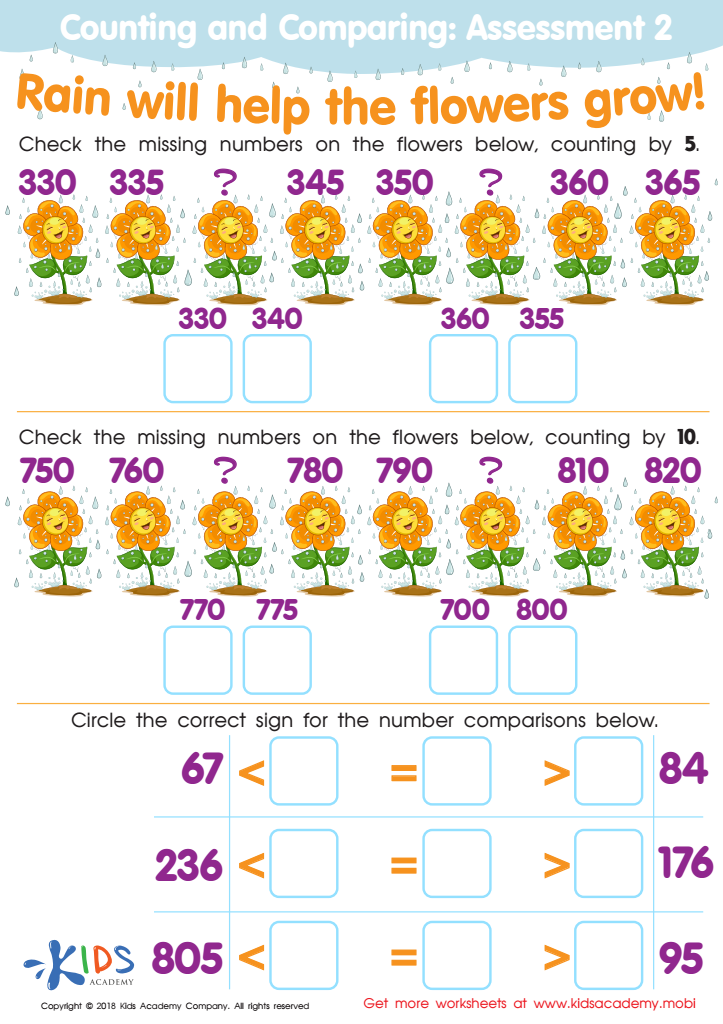
Counting and Comparing: Assessment 2 Worksheet
 Assign to My Students
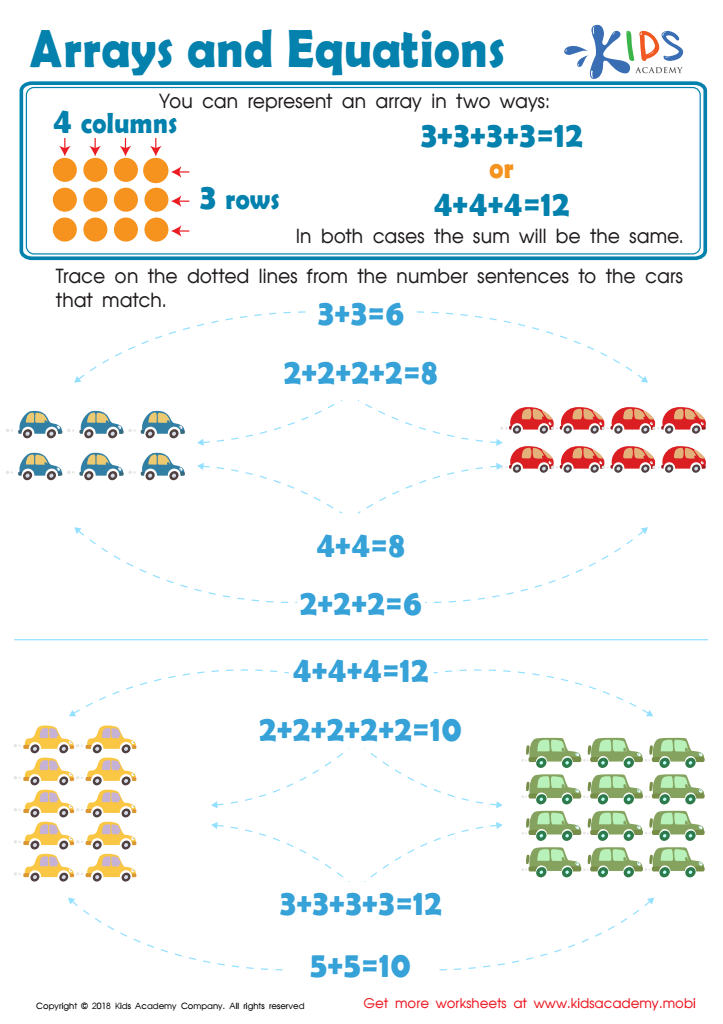
Arrays and Equations Worksheet
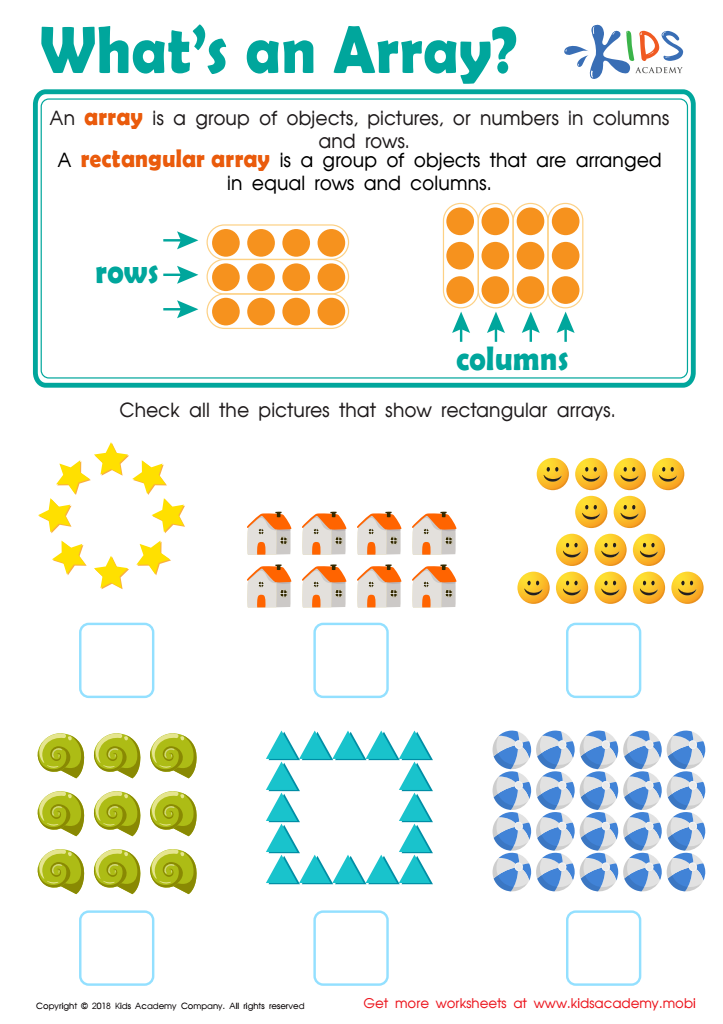
What's an Array? Worksheet
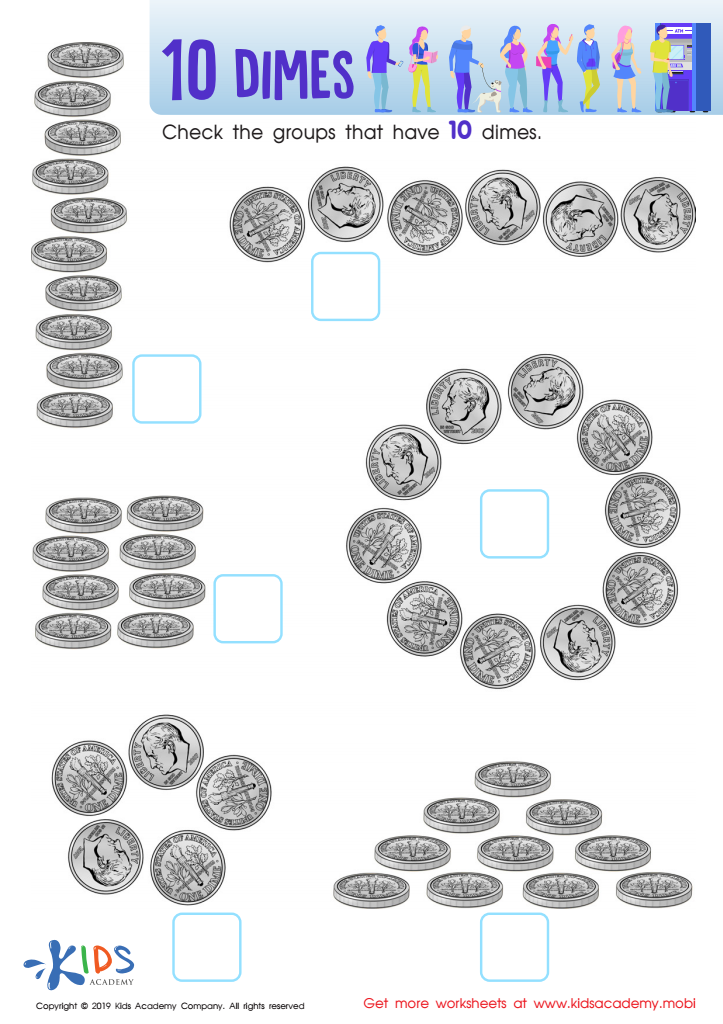
10 Dimes Worksheet
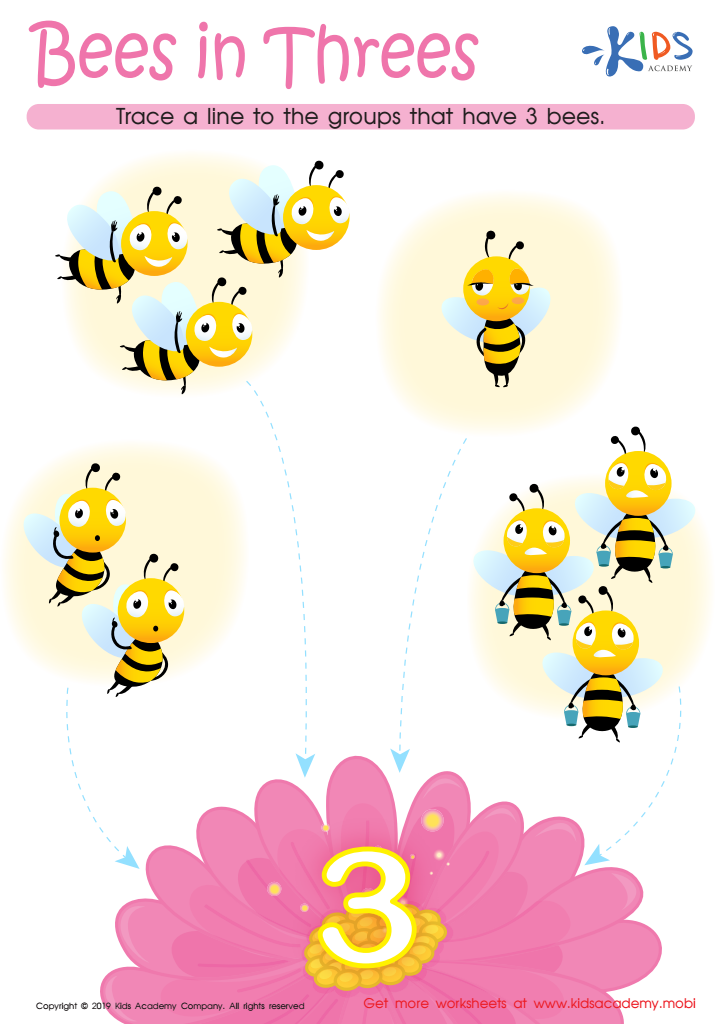
Bees in Threes Worksheet







%20(1).jpg)
Multiplication practice for children aged 3 to 9 is crucial for several reasons. First, this foundational skill lays the groundwork for more complex mathematical concepts. As children learn basic multiplication, they develop critical problem-solving and analytical skills that are essential for advanced learning.
Encouraging multiplication practice at an early age helps instill a sense of confidence in math. Mastery of these skills can reduce math anxiety, making students more open to tackling challenging problems later on. Additionally, multiplication is a foundational operation used in daily life situations such as budgeting, cooking, and planning, making it a practical skill for children to grasp.
Engaging young learners in multiplication practice also promotes cognitive development. Activities that involve repetition and interactive learning can enhance memory and retention. By integrating games, songs, and hands-on experiences, parents and teachers can make multiplication fun and engaging, catering to various learning styles.
Moreover, collaborating on multiplication can strengthen the parent-child or teacher-student bond, fostering a positive attitude towards both learning and family involvement in education. Overall, prioritizing early multiplication practice supports children's academic growth and builds a solid foundation for future learning success.








