Pattern recognition Numbers Worksheets for Ages 3-9
5 filtered results
-
From - To
Discover our engaging Pattern Recognition Numbers Worksheets designed specifically for children ages 3-9! These worksheets promote early math skills by helping young learners identify, create, and extend numerical patterns in a fun, interactive way. Tailored to various skill levels, our resources encourage critical thinking and foster a deeper understanding of math concepts. With colorful designs and enjoyable exercises, kids will develop their analytical abilities while boosting confidence in their number recognition. Perfect for home or classroom use, these worksheets make learning enjoyable and effective. Start enhancing your child’s mathematical foundation today with our exciting pattern recognition activities!
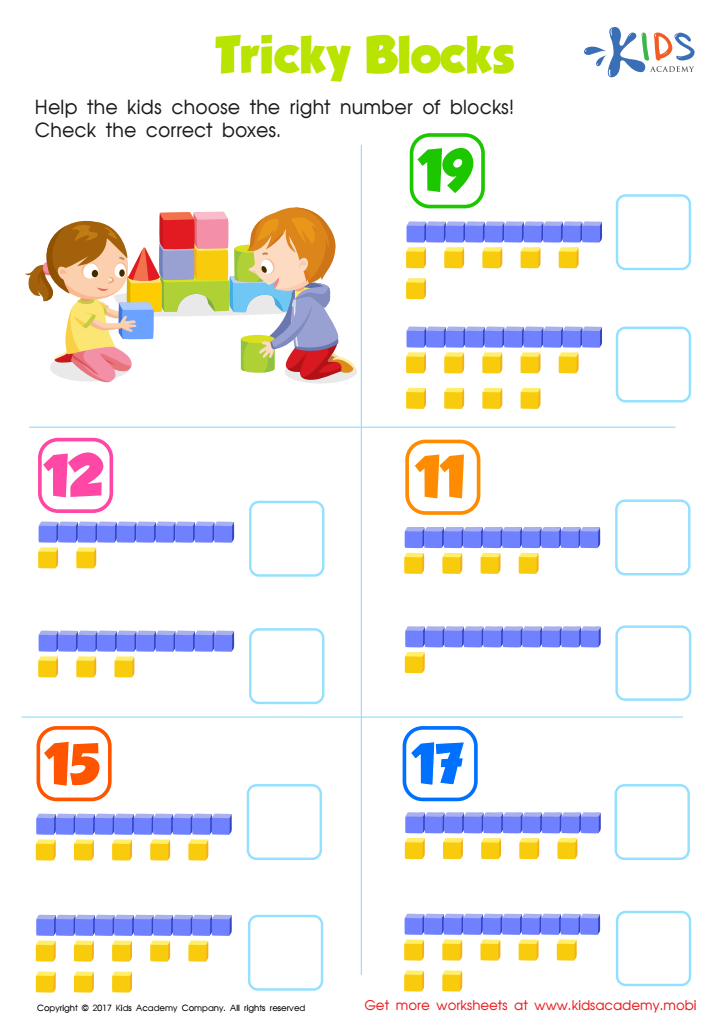
Tricky Blocks Worksheet
 Assign to My Students
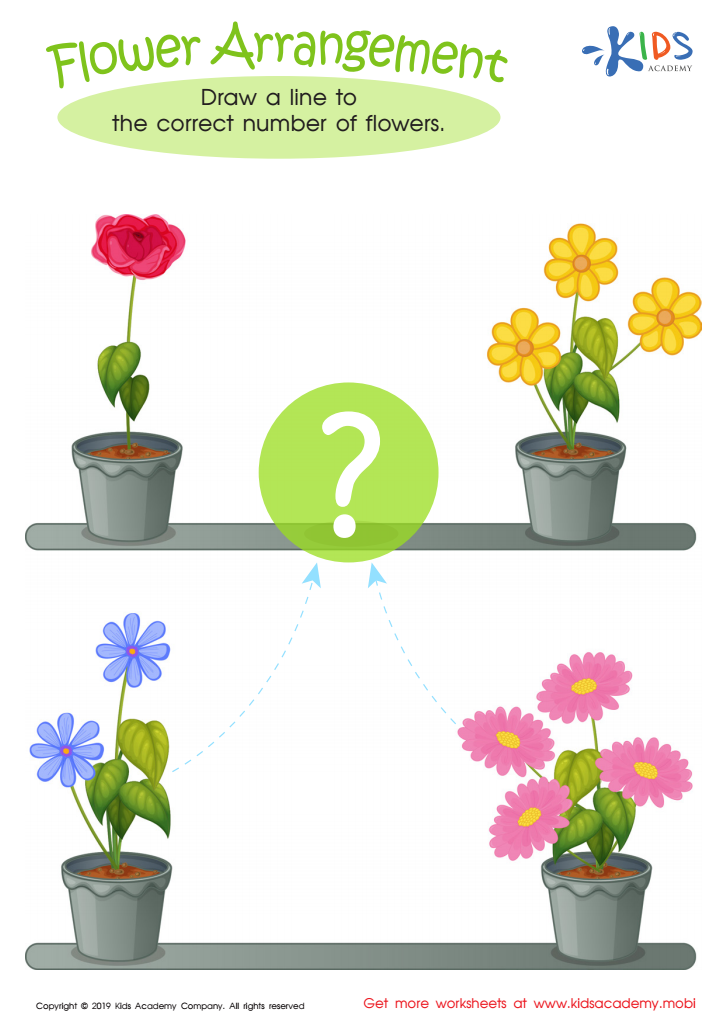
Flower Arrangement Worksheet
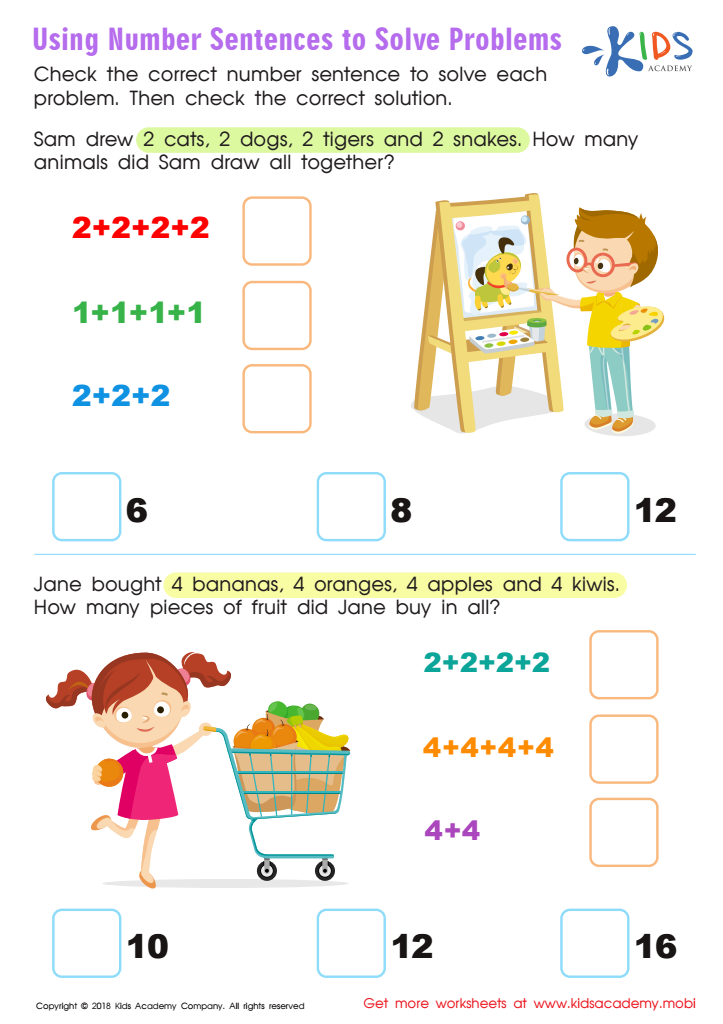
Using Number Sentences to Solve Problems Worksheet
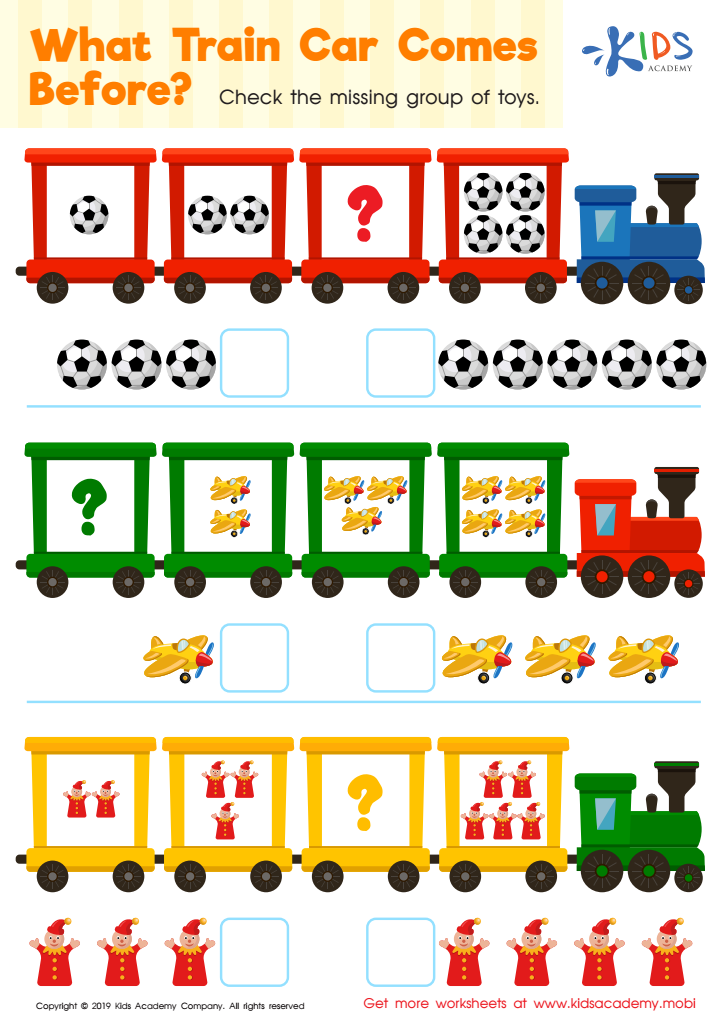
What Train Car Comes Before? Worksheet
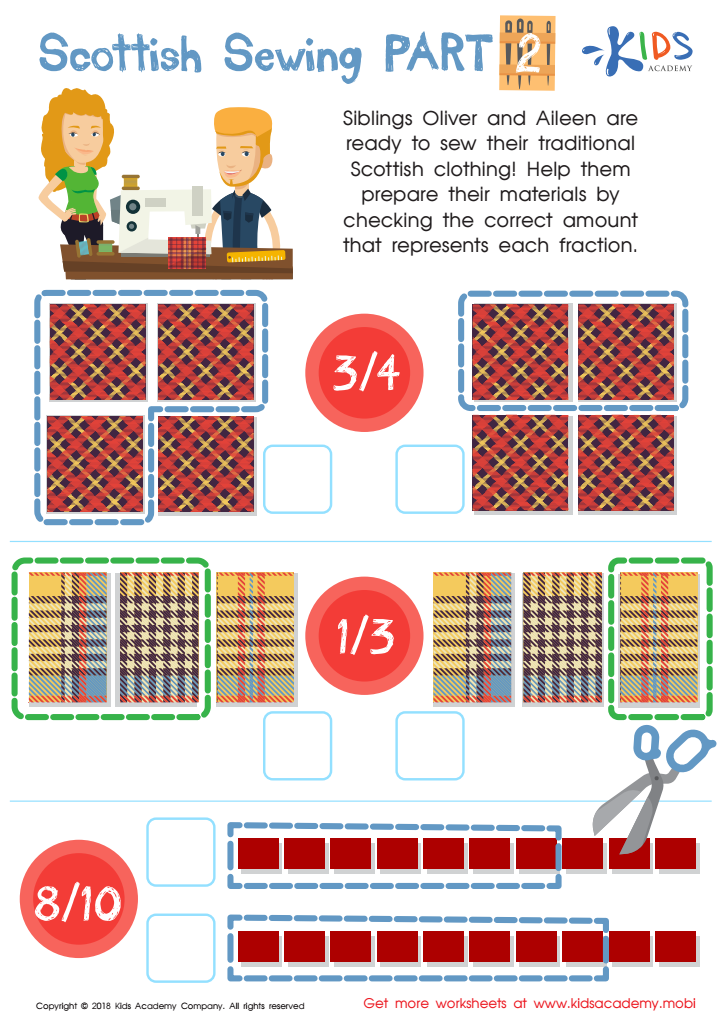
Scottish Sewing Part 2 Worksheet








Pattern recognition is a fundamental skill for children aged 3 to 9 that significantly enhances their cognitive development and academic success. Recognizing patterns helps young learners identify relationships and make sense of the world around them. When parents and teachers emphasize pattern recognition in this age group, they are laying the groundwork for critical thinking, problem-solving, and early mathematical skills.
Understanding patterns also fosters a sense of predictability and security for children, allowing them to anticipate what comes next, whether in nature or in structured activities like math. This skill extends beyond mathematics; it aids in developing reading and language abilities, as children start to recognize repetitive sounds and structures in words.
Additionally, encouraging pattern recognition through fun activities—like singing songs, playing games, or using everyday objects—makes learning engaging and memorable. These interactions promote focus, patience, and perseverance, essential traits for lifelong learning.
Ultimately, when parents and teachers prioritize pattern recognition, they are equipping children with tools they need for later success in advanced subjects, enhancing their ability to learn efficiently and fostering a love for discovery and exploration. This foundational skill supports their emotional intelligence and interpersonal relationships, making it pivotal for holistic development.








