Understanding Quantities Numbers Worksheets for Ages 3-9
6 filtered results
-
From - To
Explore our "Understanding Quantities Numbers Worksheets" designed specifically for children aged 3-9. These engaging and interactive worksheets help young learners grasp the concept of quantities by visually comparing and counting objects. Through fun activities, children will enhance their numerical skills, develop critical thinking, and boost their math confidence. Our worksheets cater to various learning styles, ensuring that every child can enjoy and benefit from their activities. Whether used in the classroom or at home, these resources will make learning numbers a joyful adventure for your little ones. Start exploring the world of quantities and numbers today!
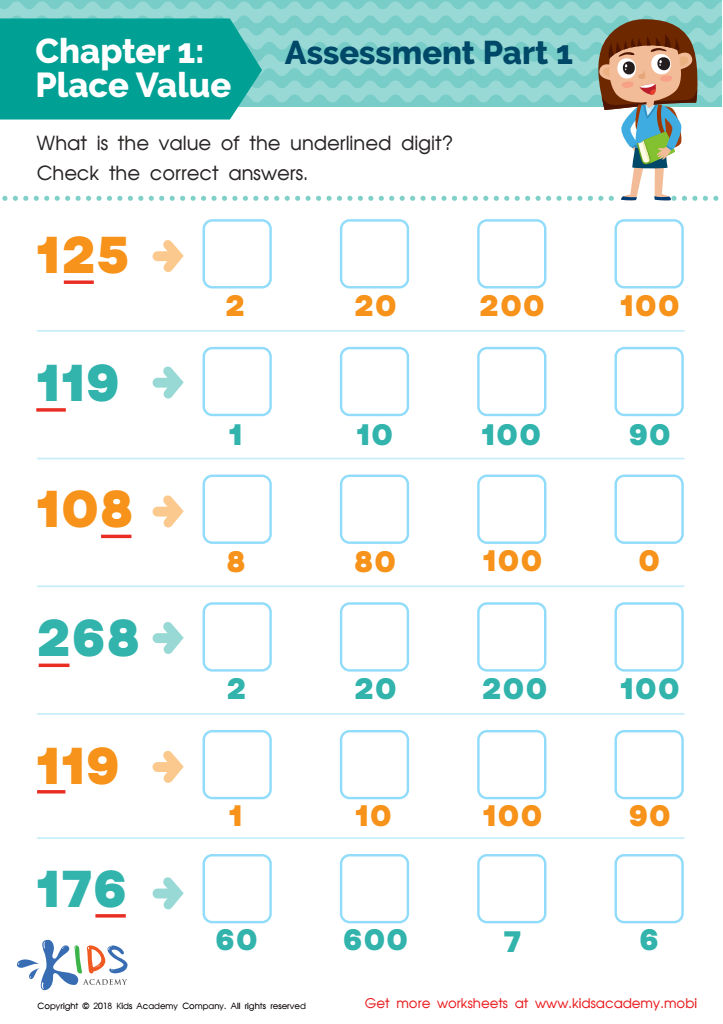
Place Value: Chapter 1 Worksheet
 Assign to My Students
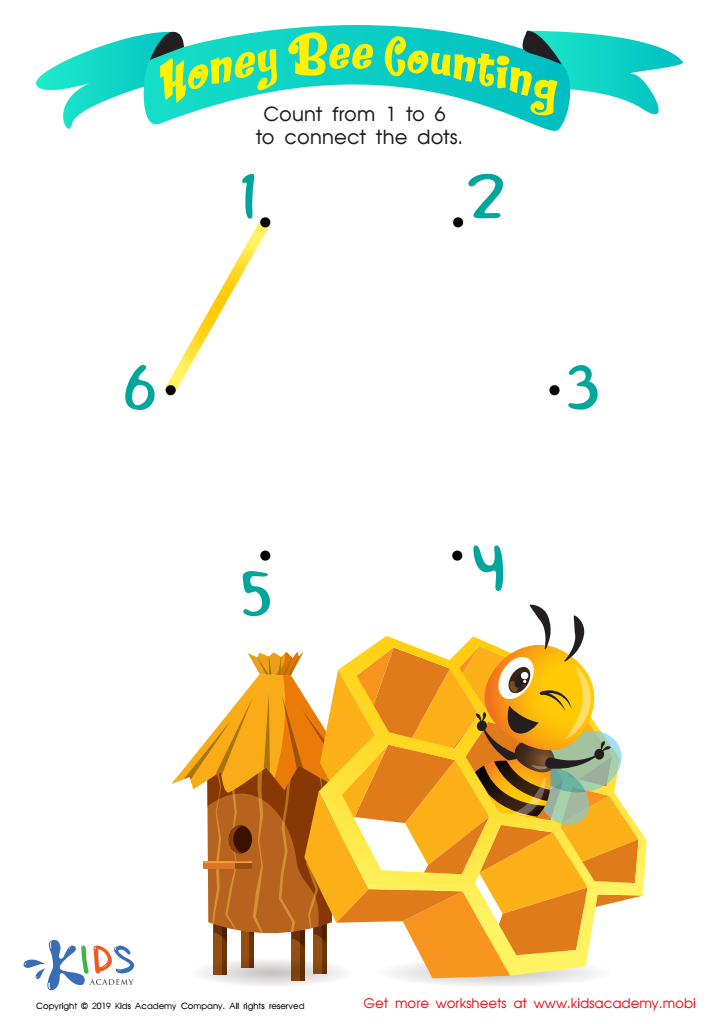
Honey Bee Counting Worksheet
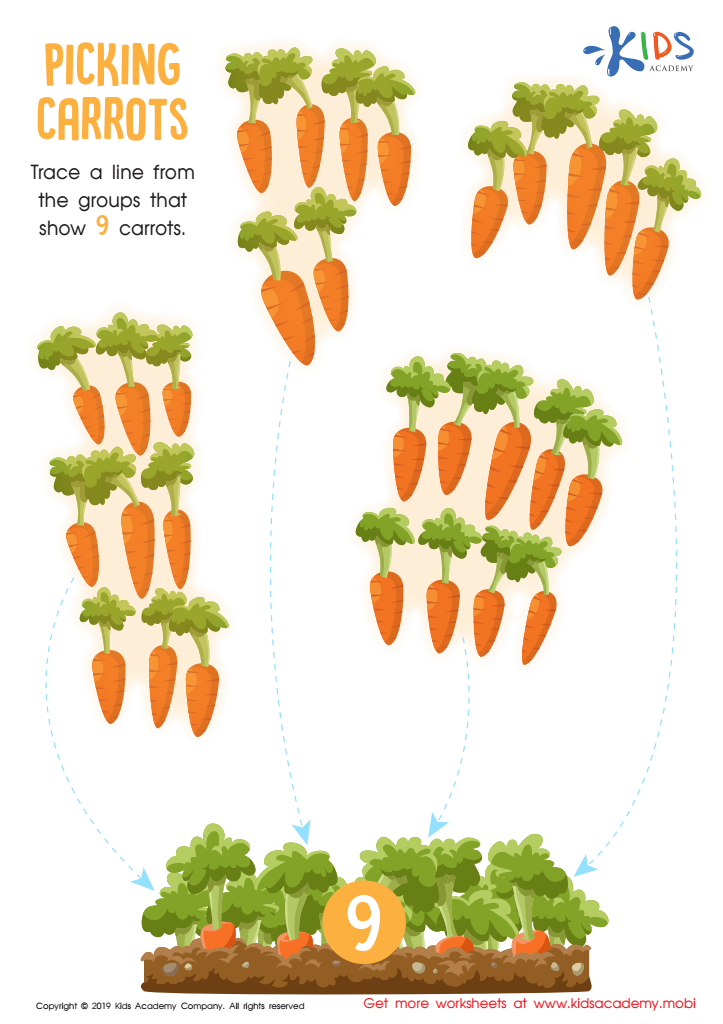
Picking Carrots Worksheet
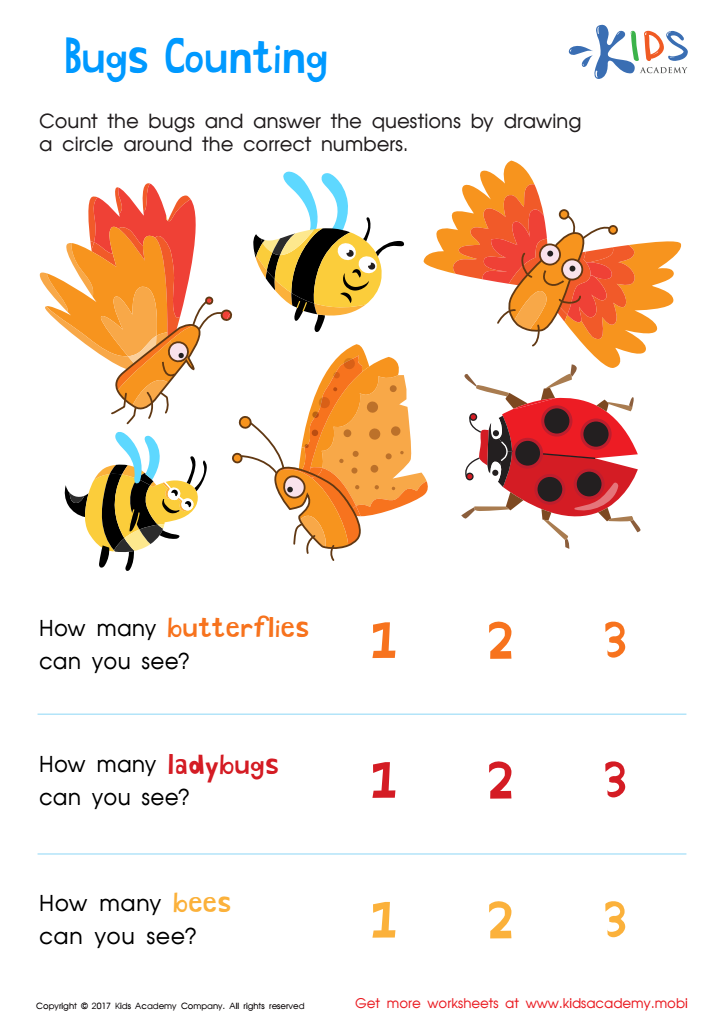
Bugs Counting Worksheet
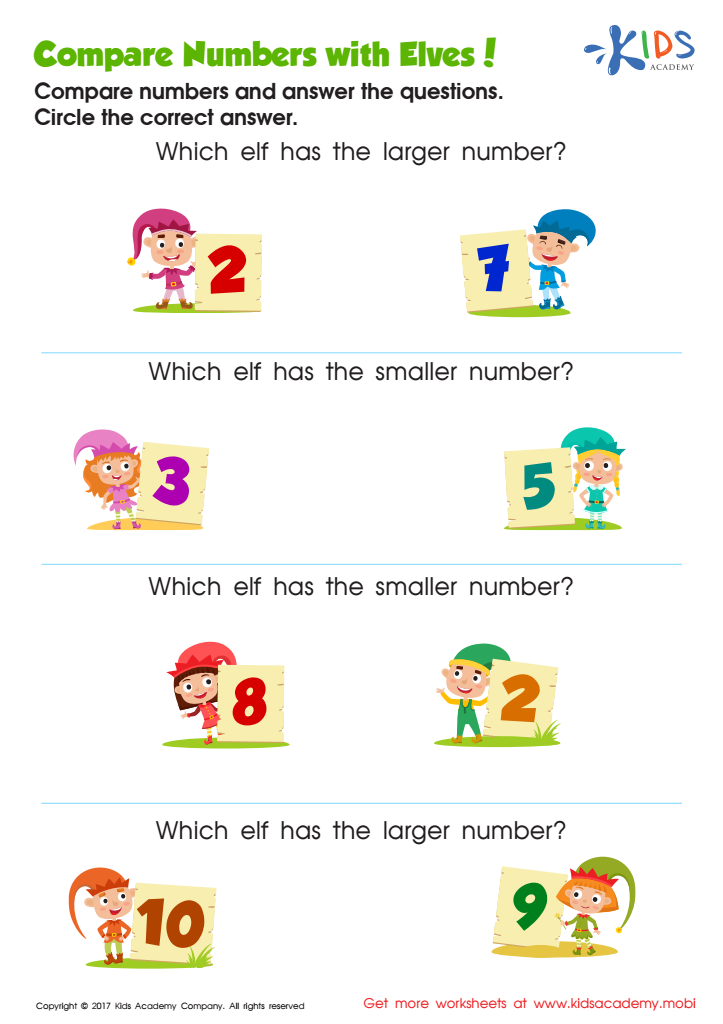
Comparing Numbers Worksheet for Kindergarten
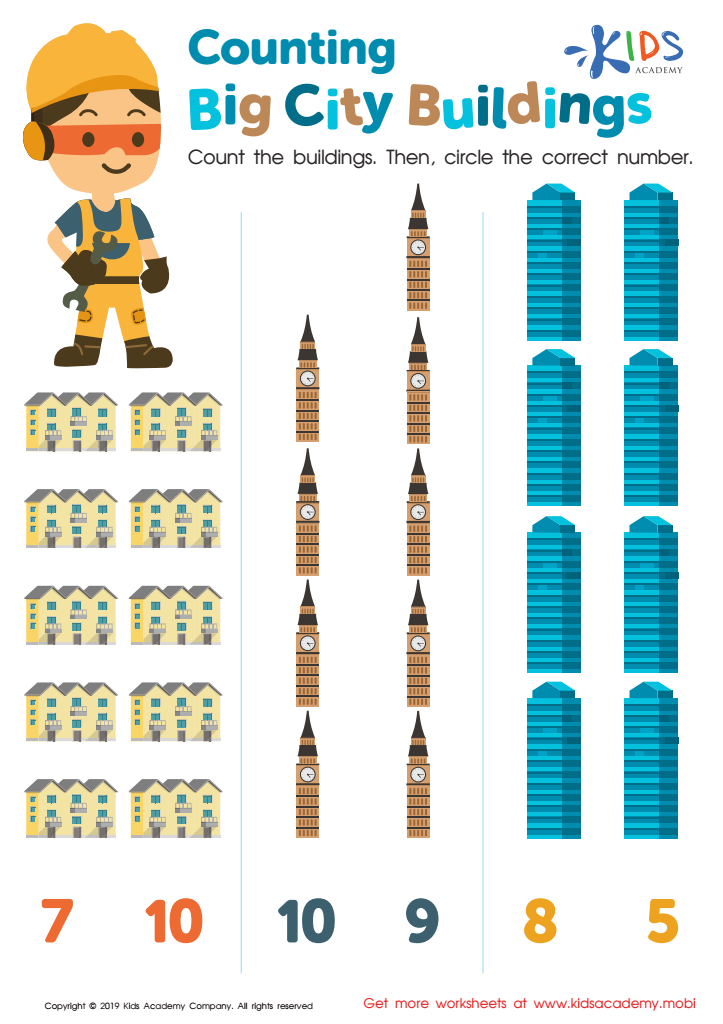
Counting Big City Buildings Worksheet







Understanding quantities and numbers is foundational for children's cognitive development, emotional growth, and future academic success. For children aged 3 to 9, grasping these concepts goes beyond mere counting; it fosters essential mathematical skills, critical thinking, and problem-solving abilities that will support them throughout their education.
When parents and teachers nurture a child's understanding of quantities and numbers, they help them develop a strong numerical sense, which is crucial for later skills such as addition, subtraction, and complex mathematical reasoning. Engaging with quantities through play and daily activities—like measuring ingredients while cooking or counting objects during a walk—makes learning fun and relevant.
Additionally, understanding numbers aids in improving a child's confidence, as they can effectively interact with their environment and communicate ideas related to size, amount, and order. It also supports language development as they learn to describe their observations.
Moreover, awareness of quantities can impact decision-making and life skills, leading children to develop a growth mindset. Ultimately, equipping children with a solid foundation in understanding quantities and numbers lays the groundwork for their lifelong learning journey and equips them to navigate a complex world. This is why it's vital for parents and teachers to prioritize these lessons.








