Comparative analysis Math Worksheets for Ages 3-9
6 filtered results
-
From - To
Discover engaging Comparative Analysis Math Worksheets designed for children aged 3-9! Our resources help young learners grasp essential math concepts through fun activities that enhance their critical thinking skills. These worksheets focus on comparing quantities, sizes, and numbers, encouraging children to improve their analytical abilities while building a strong mathematical foundation. With colorful visuals and interactive tasks, kids will enjoy exploring comparisons that foster curiosity and support cognitive development. Ideal for teachers and parents, these worksheets are perfect for both classroom activities and home learning. Empower your child's math journey today with our comprehensive collection of comparative analysis resources!
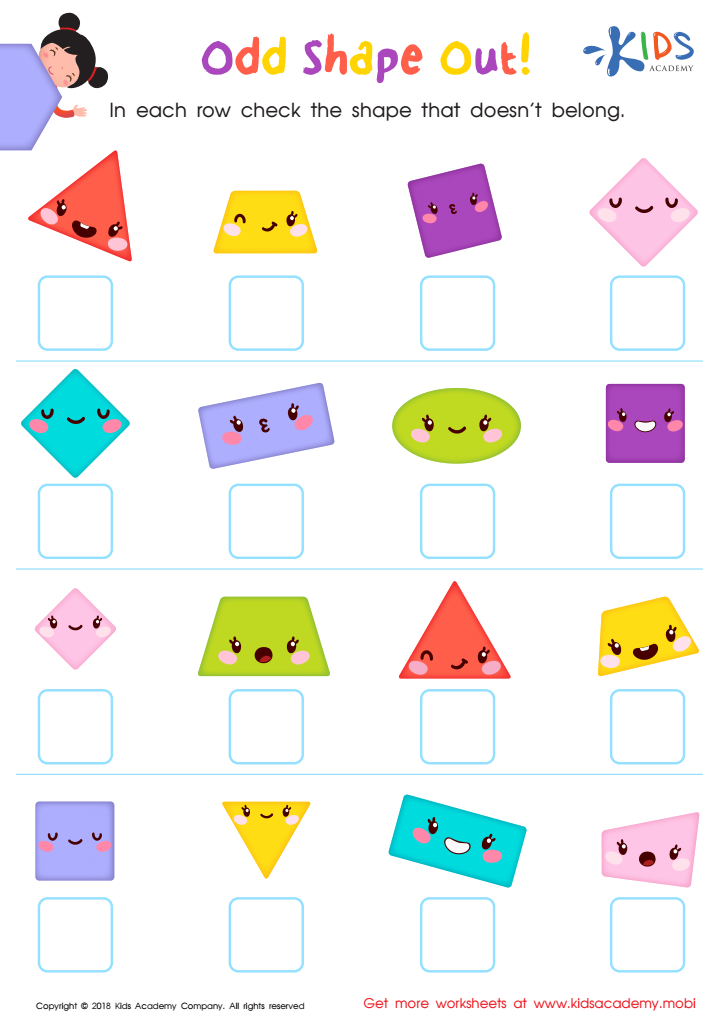
Odd Shape Out Worksheet for Grade 3
 Assign to My Students
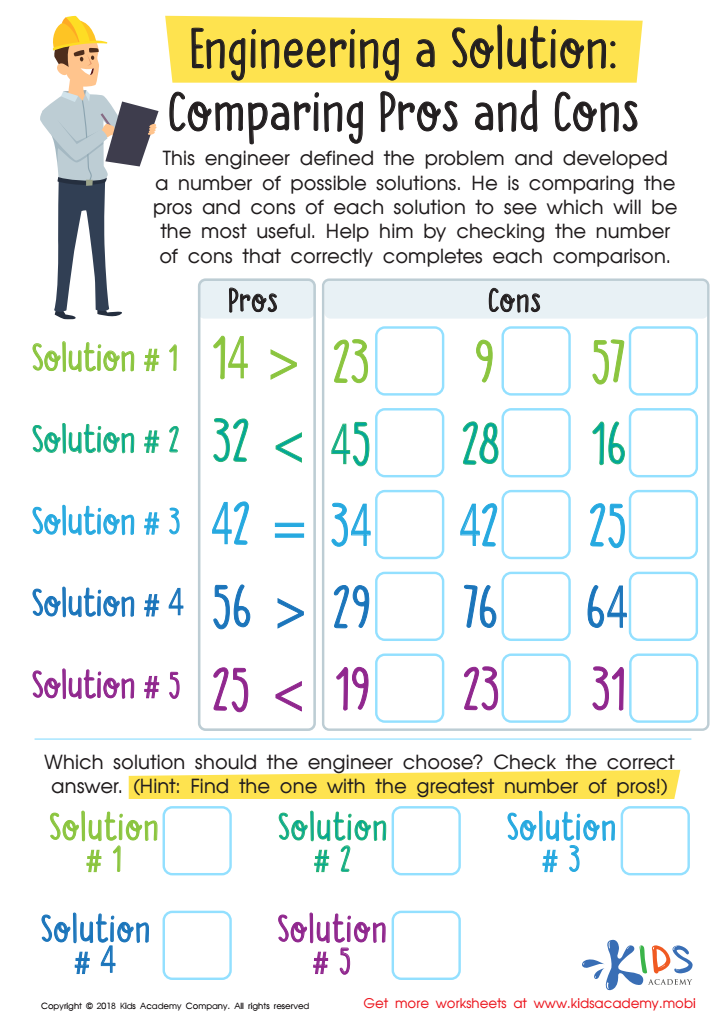
Engineering a Solution: Comparing Pros and Cons Worksheet
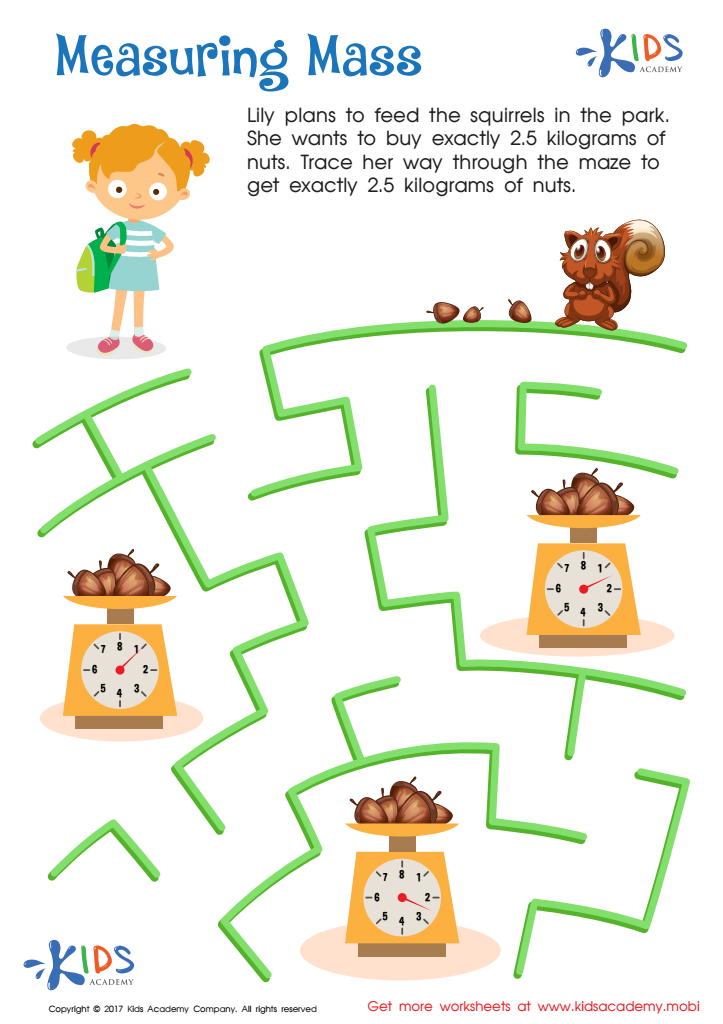
Measuring Mass Worksheet
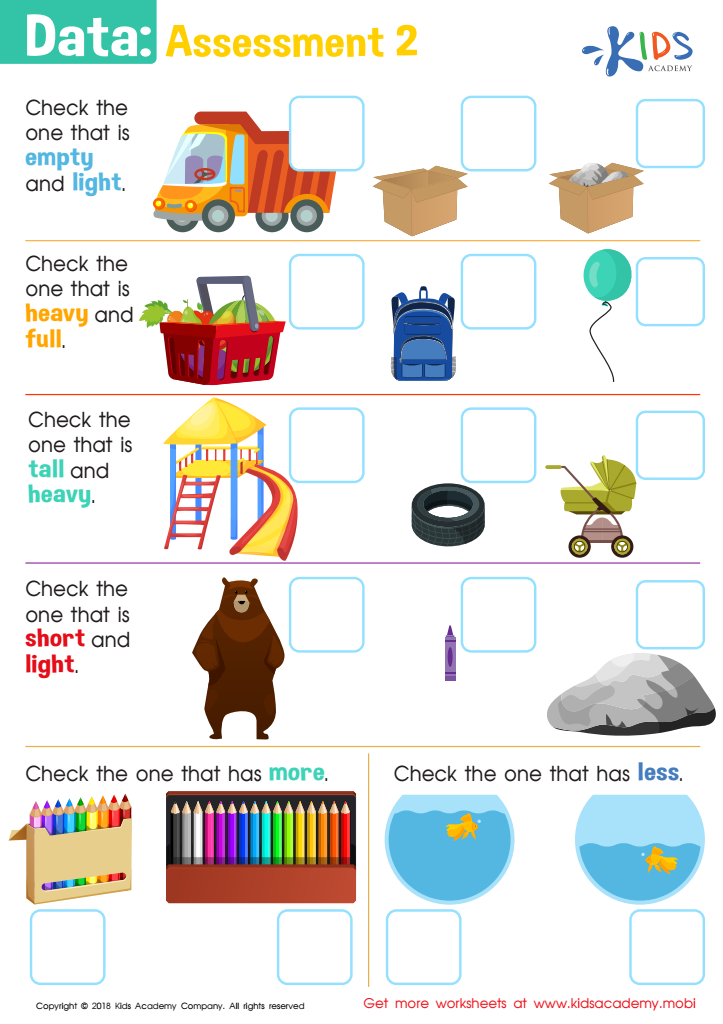
Data: Assessment 2 Worksheet
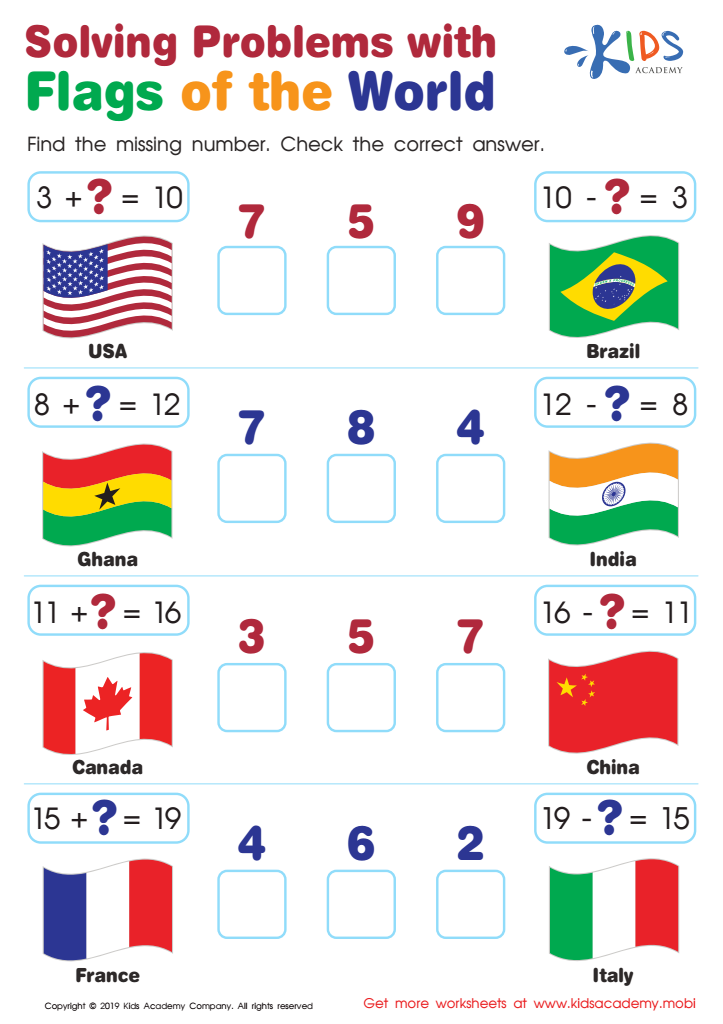
Solving Problems with Flags of the World Worksheet
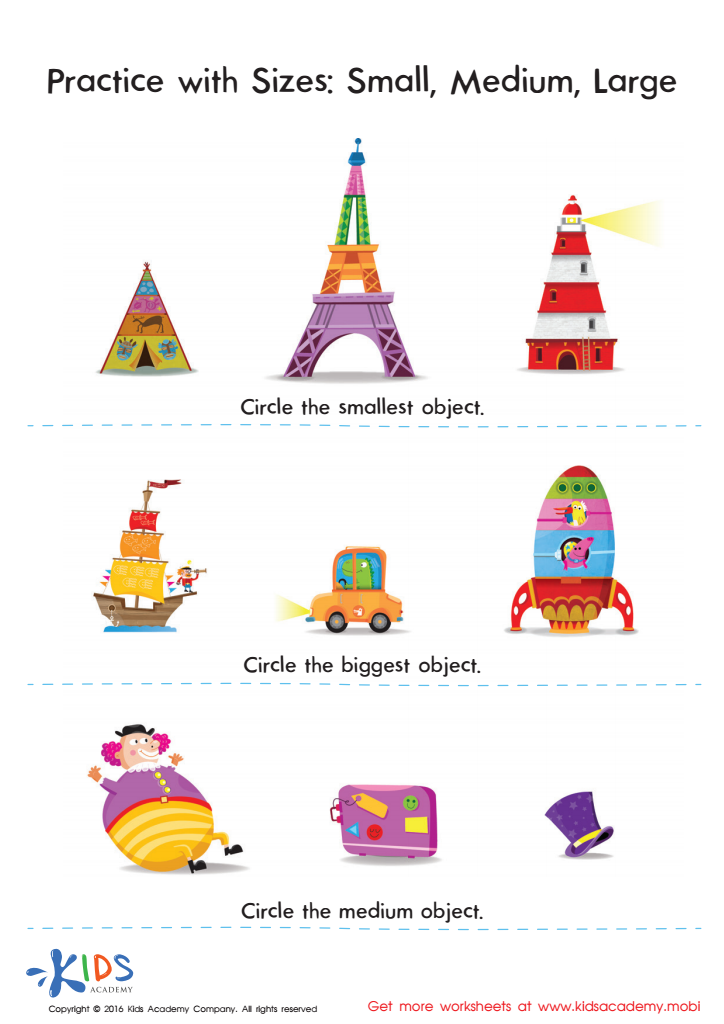



.jpg)



Comparative analysis in mathematics for children aged 3-9 is essential for several reasons, fostering both cognitive and social development. Firstly, engaging in comparative analysis helps young learners develop essential critical thinking skills as they begin to compare quantities, shapes, or measurements. This foundational skill encourages them to analyze differences and similarities, a precursor to higher-order mathematical concepts and problem-solving.
Moreover, introducing comparative analysis at an early stage facilitates a deeper understanding of mathematical principles such as greater than, less than, and equal to, which are vital for later arithmetic and algebra. As children engage in these comparisons, they become more adept at numeracy, laying the groundwork for future academic success.
Additionally, comparative analysis promotes language development as children articulate their understanding of relationships among quantities or objects. Consequently, they learn to express thoughts clearly and engage in discussions, nurturing effective communication skills.
Furthermore, teachers and parents play a crucial role in creating an inclusive learning environment that values different strategies for comparison, respecting individual learning styles. Overall, prioritizing comparative analysis in early education cultivates a well-rounded foundation for mathematical understanding, equipping children with the necessary tools for academic achievement and cognitive growth.








