Developing observation skills Math Worksheets for Ages 3-9
6 filtered results
-
From - To
Boost your child's mathematical prowess with our Developing Observation Skills Math Worksheets for Ages 3-9. Tailored to enhance critical thinking, these expertly crafted worksheets focus on pattern recognition, sequencing, and logical reasoning. Through fun, interactive exercises, children will learn to carefully observe and analyze information, gradually building a strong foundation in essential math skills. Ideal for both classroom and home learning, our vibrant illustrations and engaging activities aim to make learning math an enjoyable experience. Start nurturing your child’s curiosity and watch them flourish into confident young mathematicians with our worksheets.
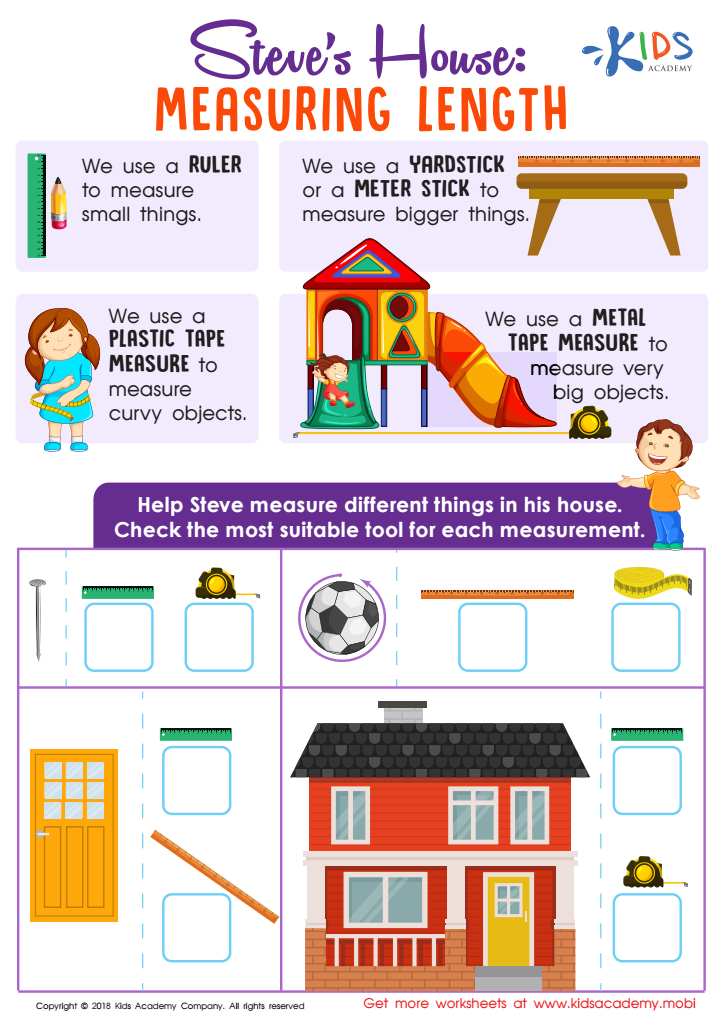
Steve's House: Measuring Length Worksheet
 Assign to My Students
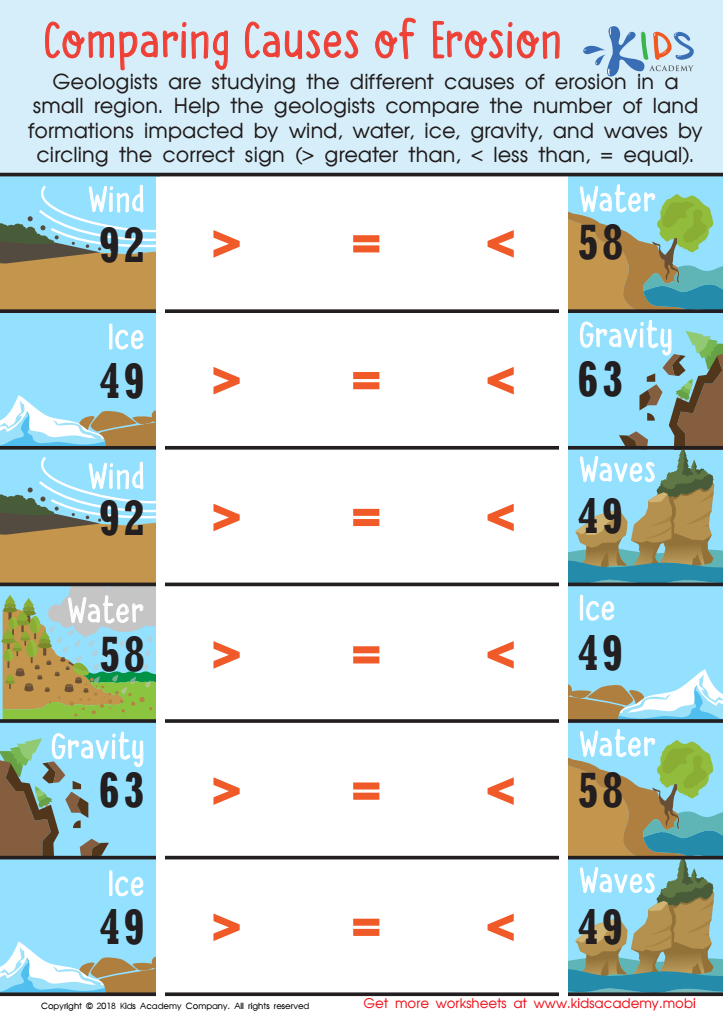
Comparing Causes of Erosion Worksheet
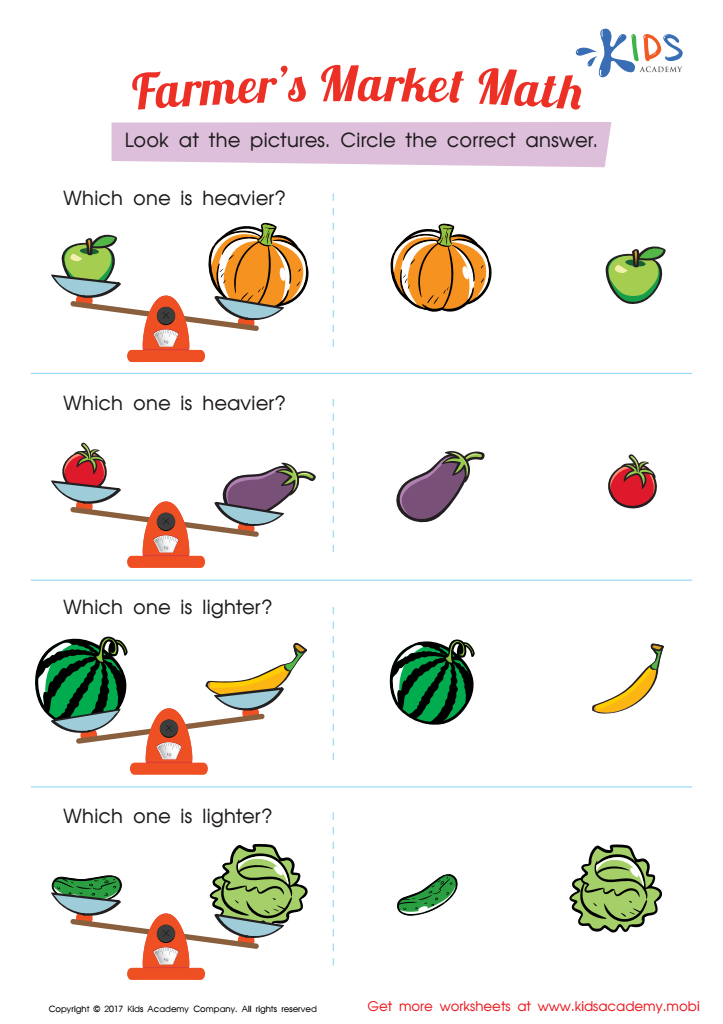
Which One Is Heavier Worksheet
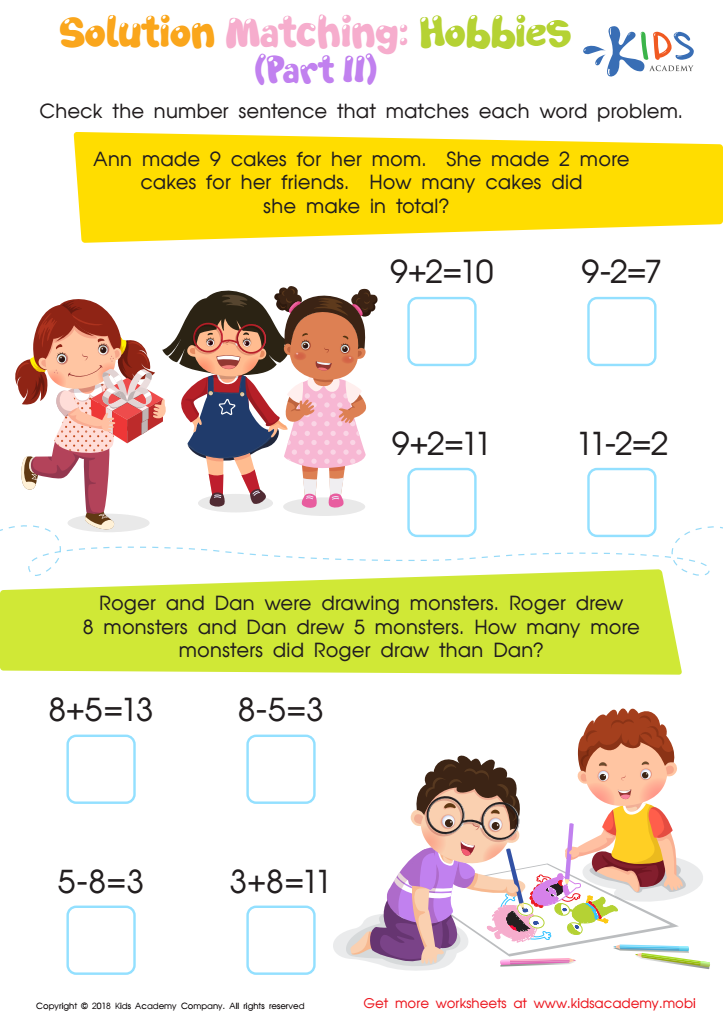
Solution Matching: Hobbies. Part 2 Worksheet
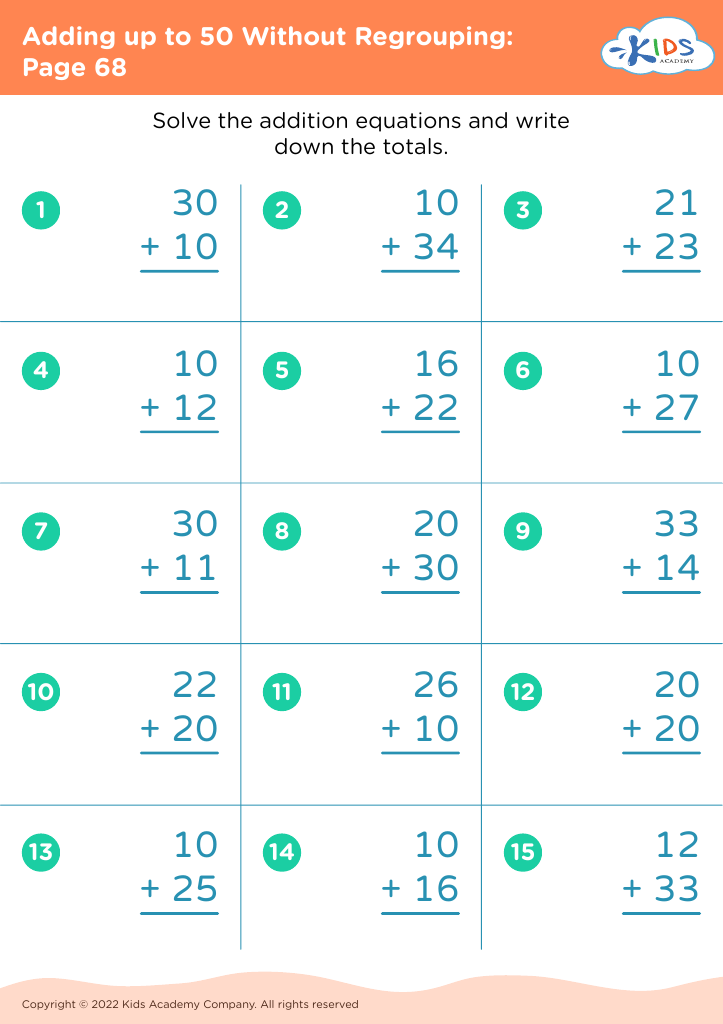







Developing observation skills in math for children aged 3-9 is crucial for a multitude of reasons. First, observation is the bedrock of learning; it encourages children to notice patterns, relationships, and variations in the world around them. For instance, when young children are taught to observe differences and similarities in shapes, they are actively engaging in early geometry, which lays the foundation for more complex mathematical concepts.
Good observation skills also help children become more aware and inquisitive, leading to better problem-solving abilities. When students observe, they start to make connections. For example, noticing that adding one toy to a group of two toys makes three not only introduces them to basic arithmetic but also enhances their cognitive skills.
Besides, strengthening observation skills fosters attention to detail, which translates to various aspects of learning and daily life. This is valuable not just in math but in understanding instructions, improving reading comprehension, and executing activities thoughtfully and accurately.
For parents and teachers, nurturing these skills can also reveal individual learning styles, strengths, and areas needing improvement. This awareness enables more tailored, effective educational strategies to be employed, ensuring a more robust and supportive learning environment for each child.
Therefore, prioritizing the development of observation skills in math during these formative years equips children with essential tools for immediate academic success and long-term cognitive development.








