Logic development Math Worksheets for Ages 3-9
4 filtered results
-
From - To
Enhance your child's critical thinking with our Logic Development Math Worksheets designed specifically for ages 3-9! These engaging worksheets make learning fun while building essential problem-solving skills that lay the groundwork for future math success. Children will enjoy activities that involve sorting, patterns, and puzzles, all tailored to stimulate their logic and reasoning abilities. By combining creativity with educational content, our worksheets help young learners explore important concepts in an enjoyable way. Perfect for use at home or in the classroom, these resources foster a strong foundation in math through logic while making learning an exciting adventure!
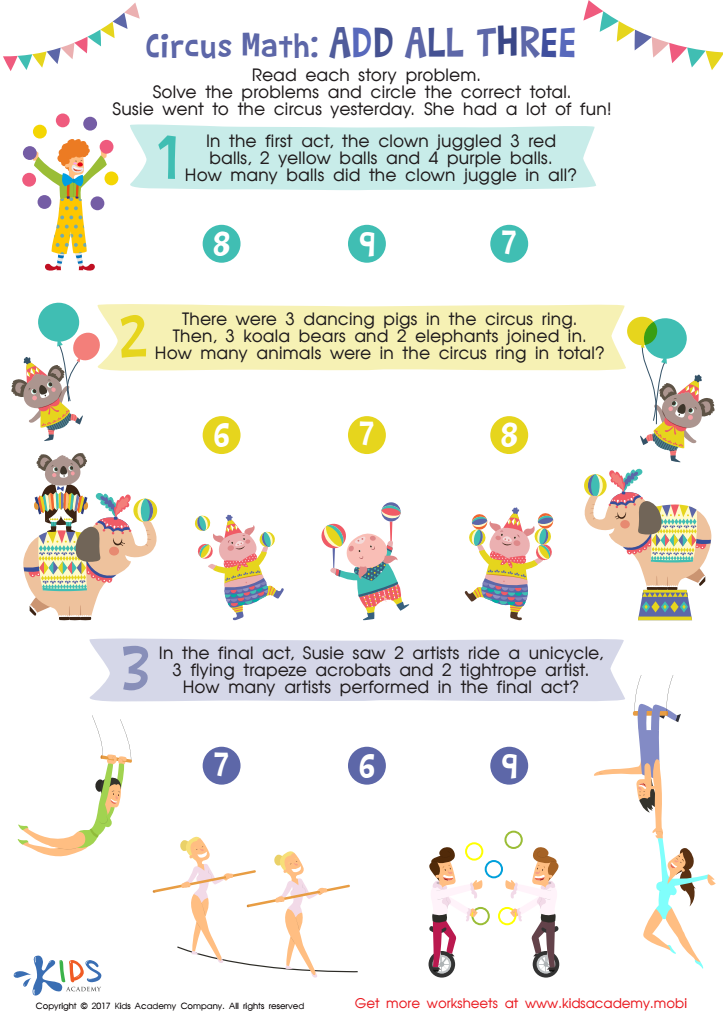
Circus Math Printable
 Assign to My Students
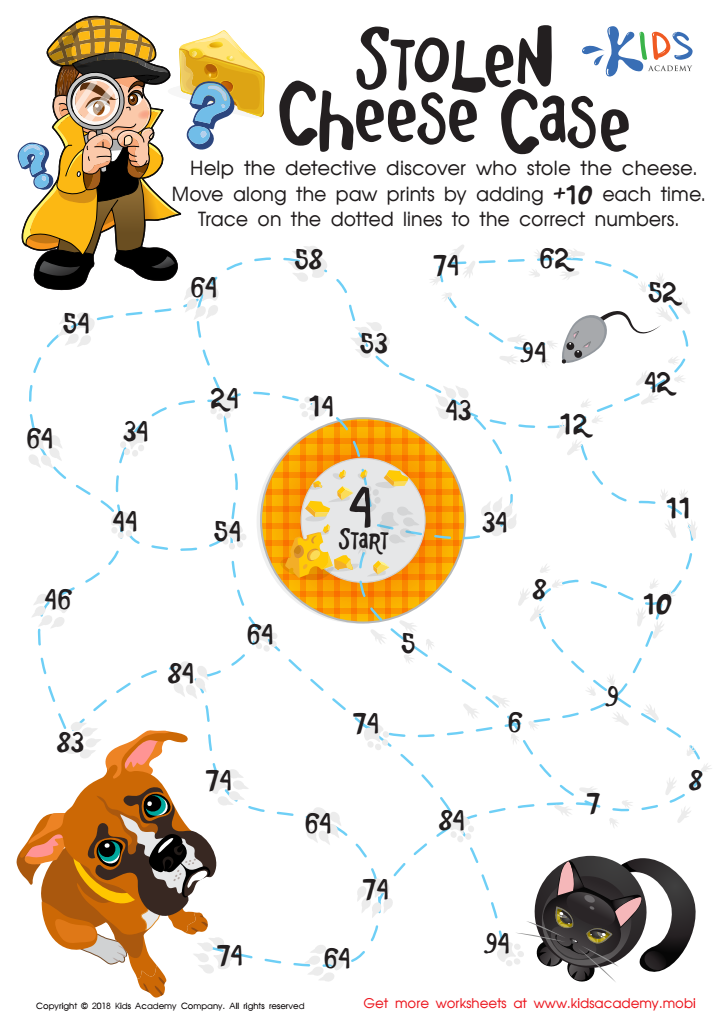
Stolen Cheese Case Maze Worksheet
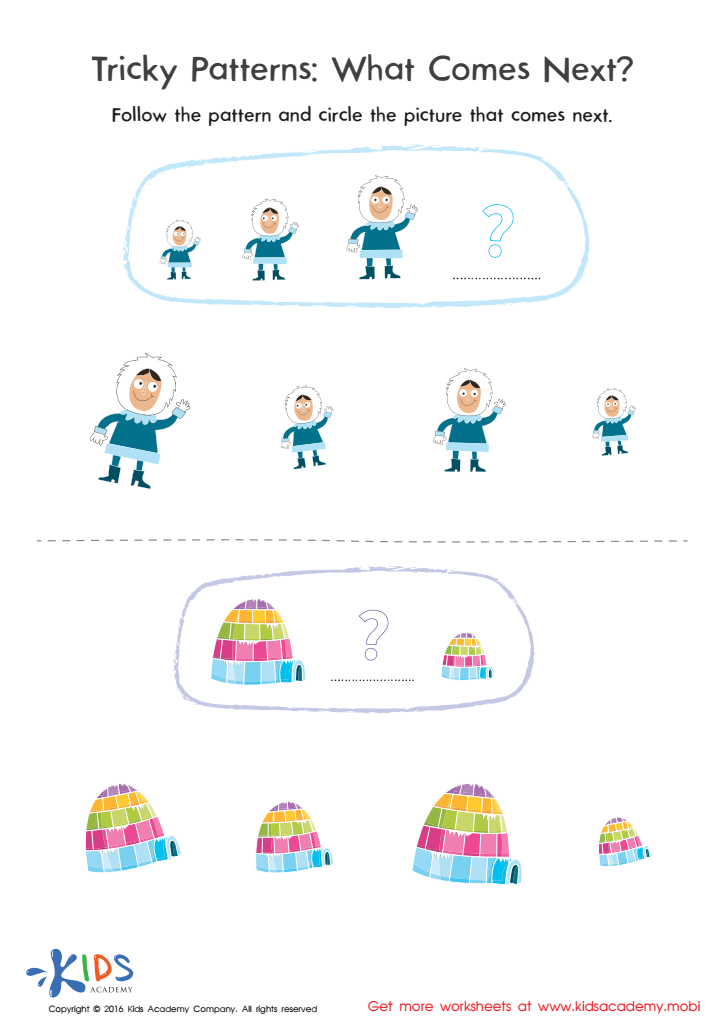
Tricky Patterns Size Worksheet
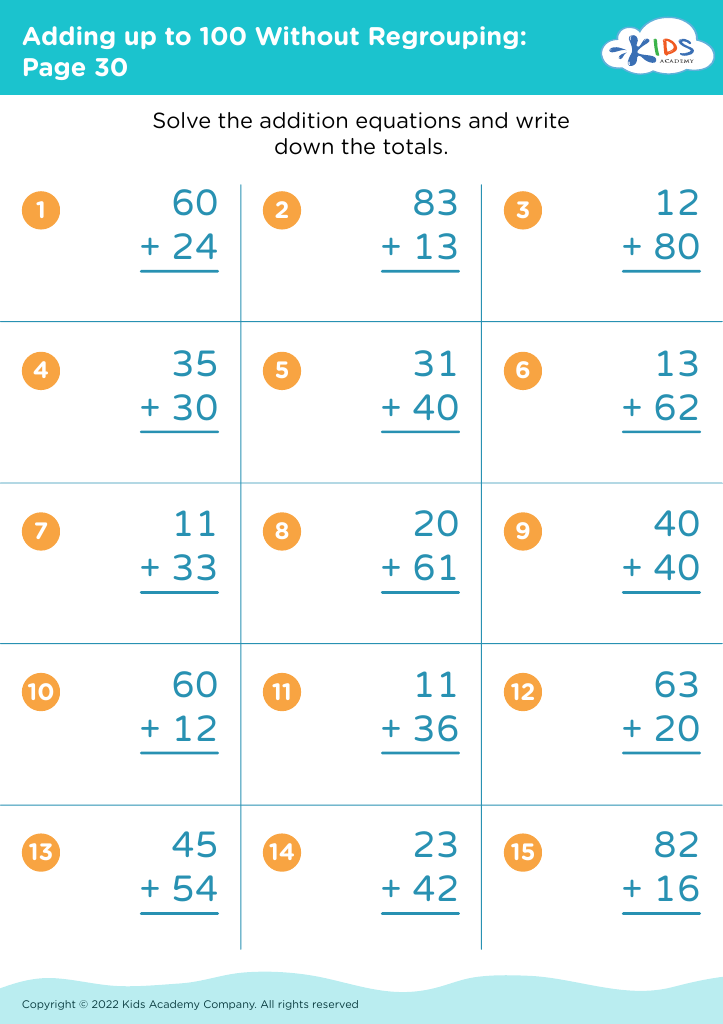








Logic development in math for children ages 3 to 9 is crucial for several reasons. First, this foundational stage shapes cognitive skills, essential for problem-solving and critical thinking later in life. By engaging young learners in logical reasoning activities, such as patterns, sequences, and simple comparisons, parents and teachers can enhance their children’s understanding of mathematical concepts and foster a positive attitude towards math.
Building logical skills enhances not just mathematical abilities but also foundational executive functioning skills—planning, focusing, and following instructions. These skills translate into better performance in all areas of learning. Early exposure to logical reasoning encourages curiosity and a love of learning, as children begin to see connections between numbers and the world around them.
Moreover, developing logic in math helps children navigate real-life situations, from simple tasks like sharing snacks fairly to more complex scenarios, such as making decisions based on evidence. As they grow, these skills will be vital for advanced academic pursuits. Ultimately, a strong foundation in logical reasoning through math equips children with the tools they need to succeed, promotes healthy emotional development, and sets them on a path for lifelong learning. Therefore, supporting this development during these formative years is imperative for parents and educators.








