Matching numbers Math Worksheets for Ages 3-9
12 filtered results
-
From - To
Introducing our engaging Matching Numbers Math Worksheets, specially designed for children aged 3-9! These interactive worksheets help young learners strengthen their number recognition and matching skills through fun and enjoyable activities. Our carefully crafted exercises encourage mastery of essential early math concepts, promoting confidence and growth in foundational numeracy. With vibrant visuals and age-appropriate challenges, these worksheets provide a stimulating learning experience that keeps kids motivated. Ideal for both classroom use and homeschooling, our Matching Numbers Math Worksheets make learning numbers exciting and effective, ensuring little ones develop crucial math skills while having a blast! Perfect for supporting your child's educational journey!
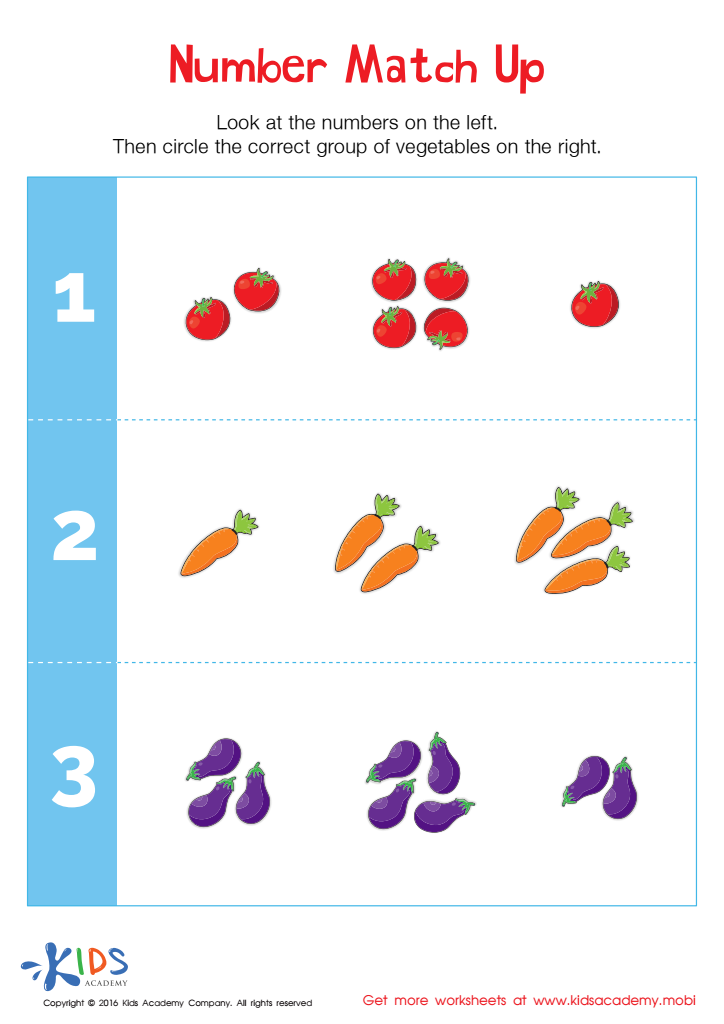
Number Match Up Worksheet
 Assign to My Students
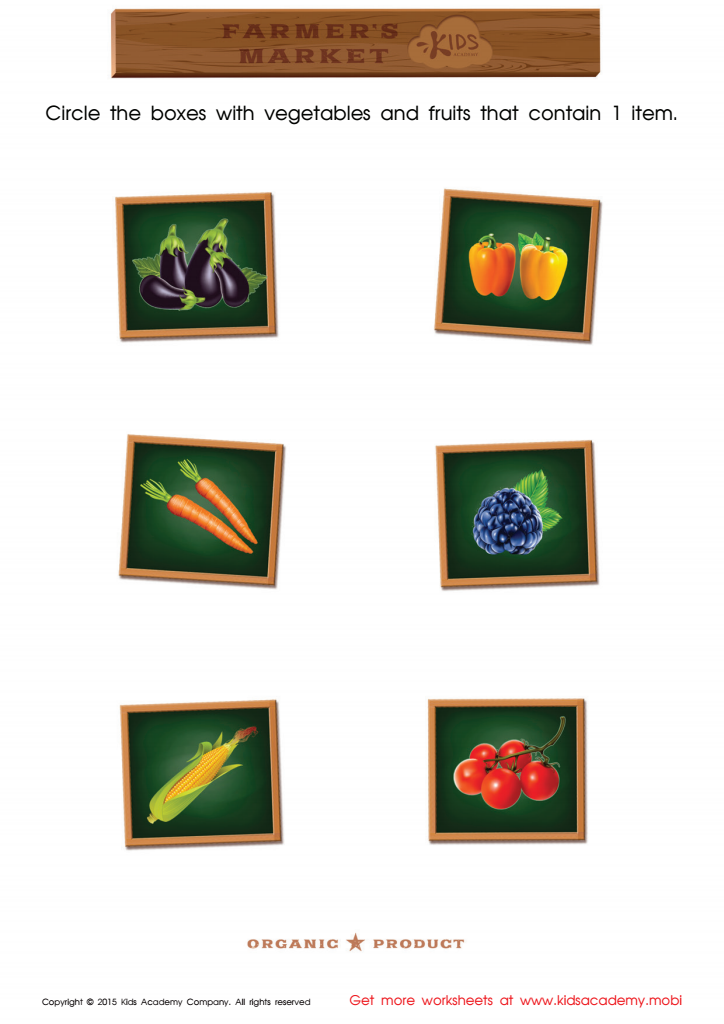
Count and Match Vegetables 1 – 7 Math Worksheet
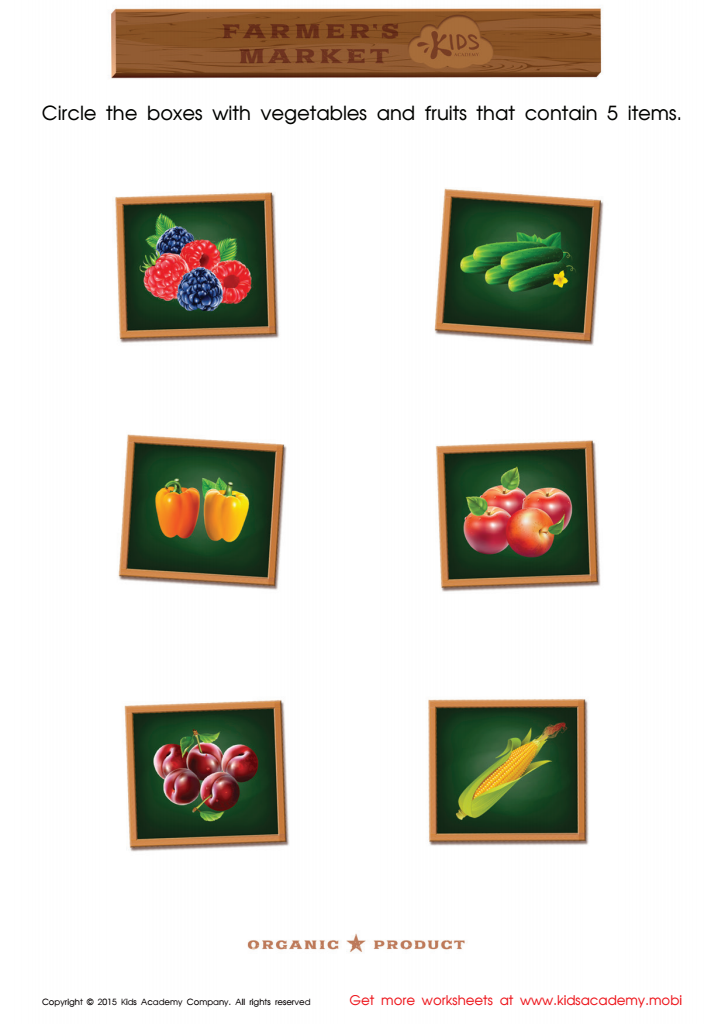
Count and Match Boxes with Vegetables
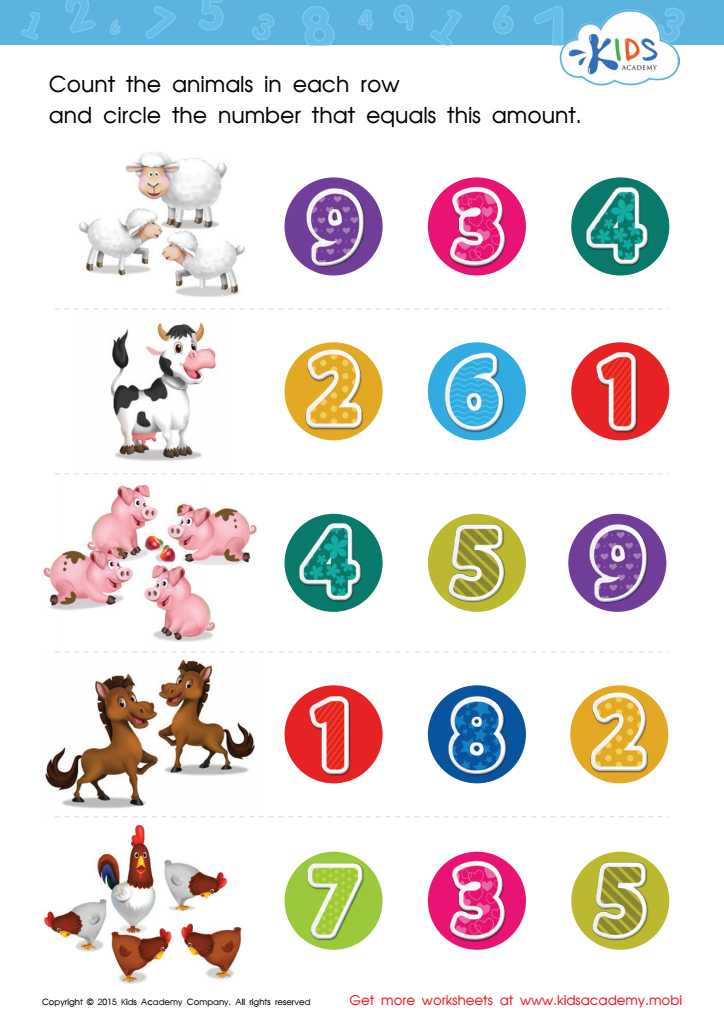
Count and Match 1 – 5 Math Worksheet
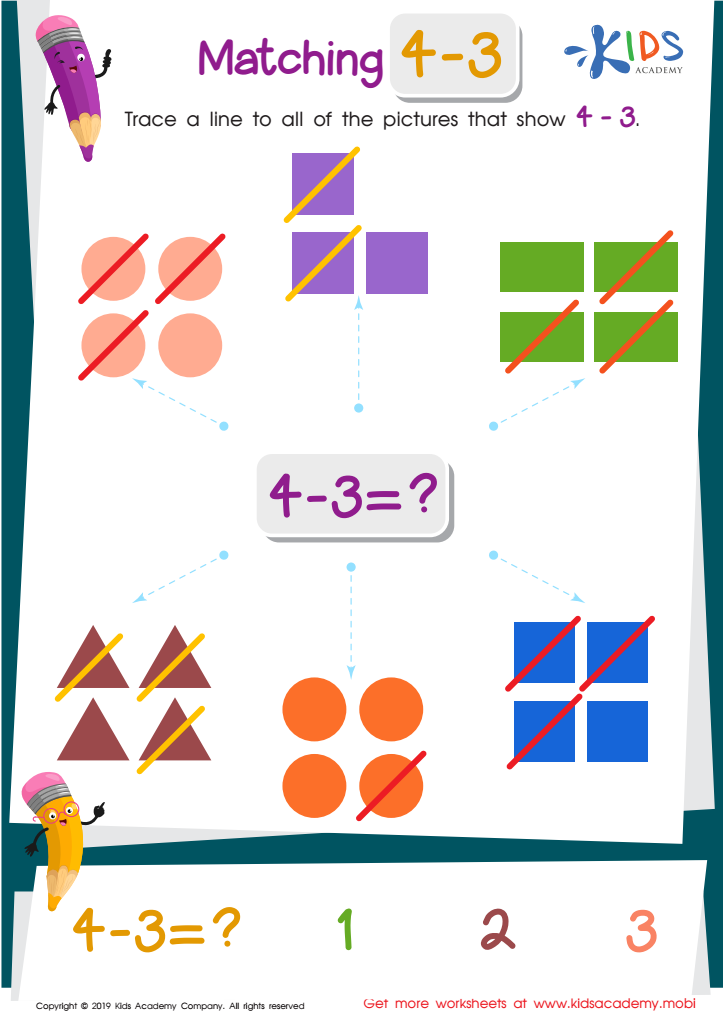
Matching 4 – 3 Worksheet
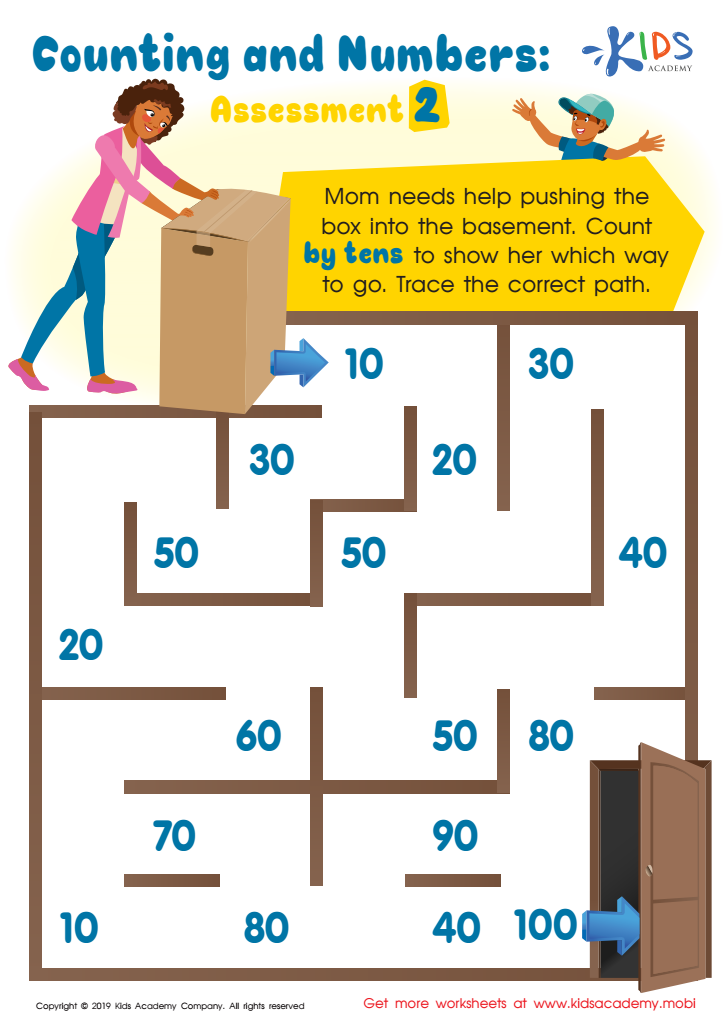
Counting and Numbers: Assessment 2 Worksheet
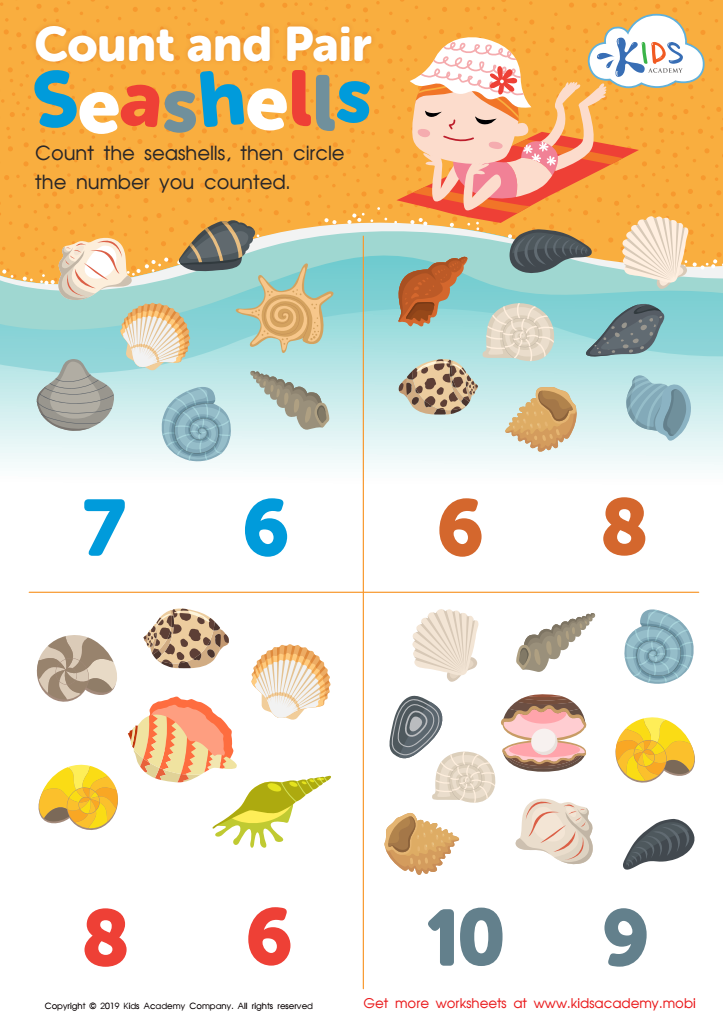
Count and Pair Seashells Worksheet
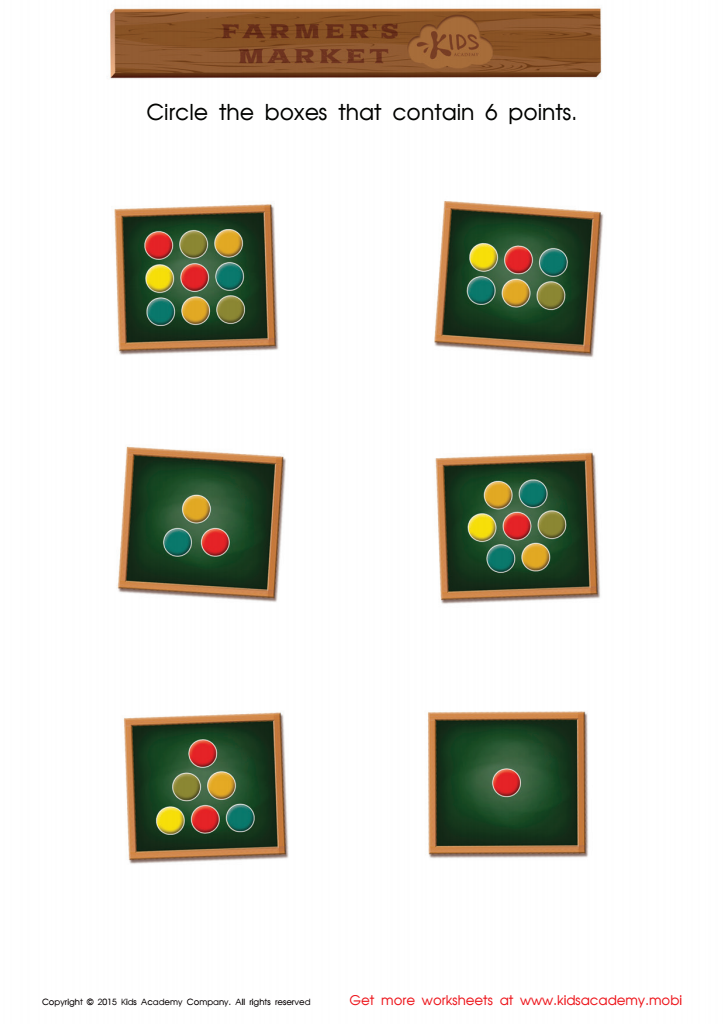
Count and Match Points 6 Math Worksheet
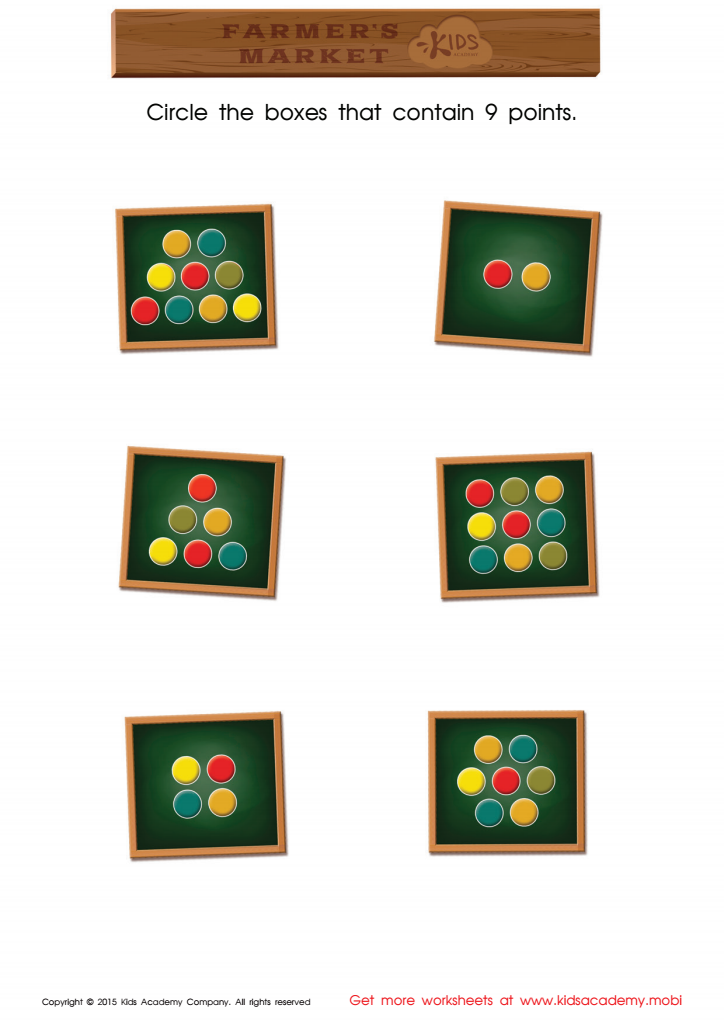
Count and Match Points 9 Math Worksheet
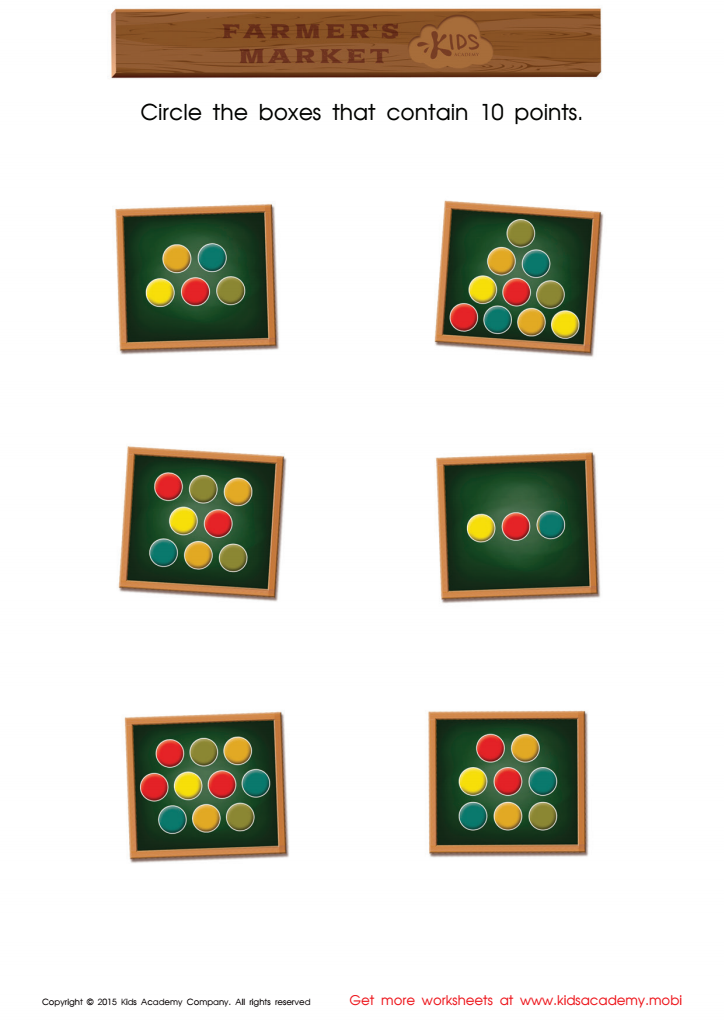
Count and Match Points 10 Math Worksheet
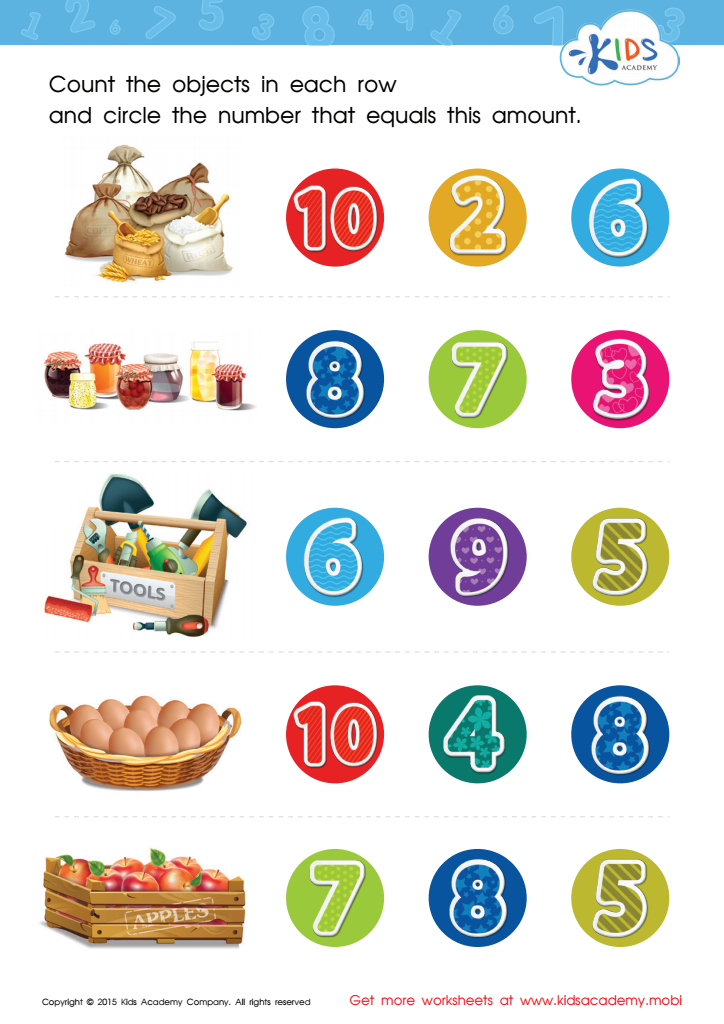
Count and Match 6 – 10 Math Worksheet
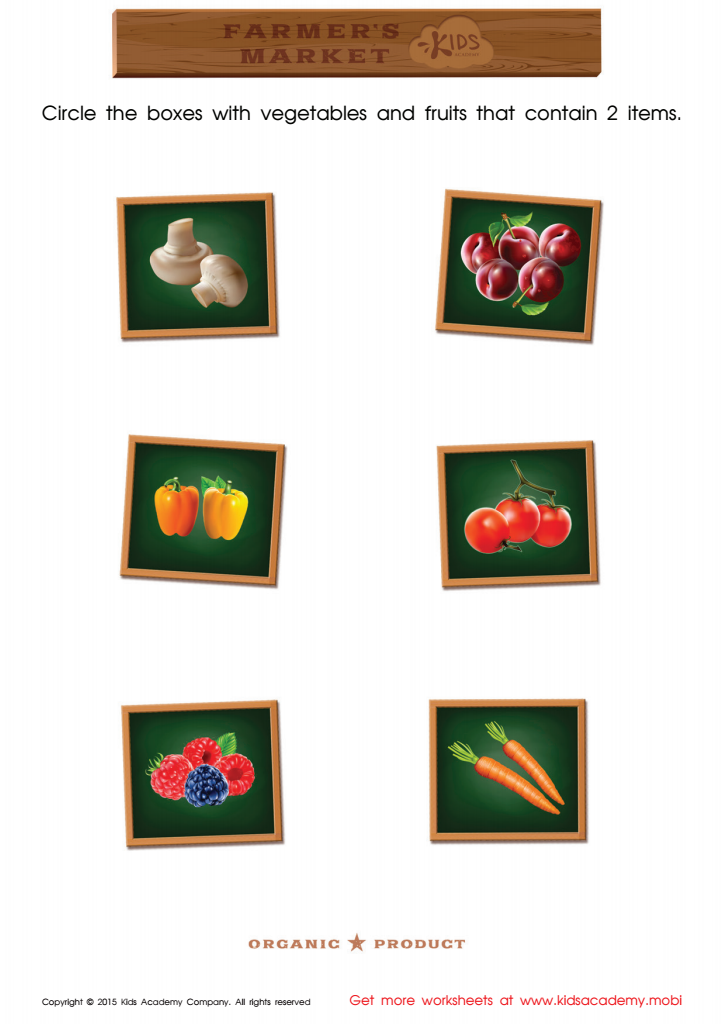
Count and Match Vegetables and Points Math Worksheet







Parents and teachers should prioritize Matching Numbers Math for children ages 3-9 because it lays a critical foundation for numerical understanding and overall cognitive development. At this early stage, children are naturally curious and eager to learn, making it the perfect time to introduce fundamental math concepts. Matching numbers activities enhance recognition skills, helping children become familiar with numerical symbols and their quantities.
These activities also promote essential problem-solving skills as children engage in sorting, comparing, and classifying numbers. This practice nurtures critical thinking abilities and encourages children to find patterns, which are crucial components in understanding more advanced mathematical concepts later on.
Moreover, Matching Numbers Math fosters fine motor skills through hands-on activities, like connecting or sorting cards. It promotes social skills when done in groups, as children learn to cooperate, share, and communicate effectively while engaged in interactive learning.
In conclusion, focusing on Matching Numbers Math helps develop foundational skills, inspires a love for learning, and equips children with the necessary tools to thrive in future academic pursuits. Ignoring this early engagement can lead to difficulties in math later on, reinforcing the importance of these early experiences in shaping a child's educational journey.








