Math skills development Math Worksheets for Ages 3-9
6 filtered results
-
From - To
Unlock your child's potential with our Math Skills Development Worksheets, designed specifically for ages 3-9. Our engaging and interactive activities cover essential skills including counting, addition, subtraction, and more. Each worksheet is crafted to make learning fun and effective, providing a solid foundation for young learners as they master key math concepts. Ideal for both classroom use and at-home practice, our worksheets are an excellent resource for parents and educators alike who aim to boost their children’s confidence and achievement in math. Discover the joy of learning with our carefully curated math worksheets for young minds!
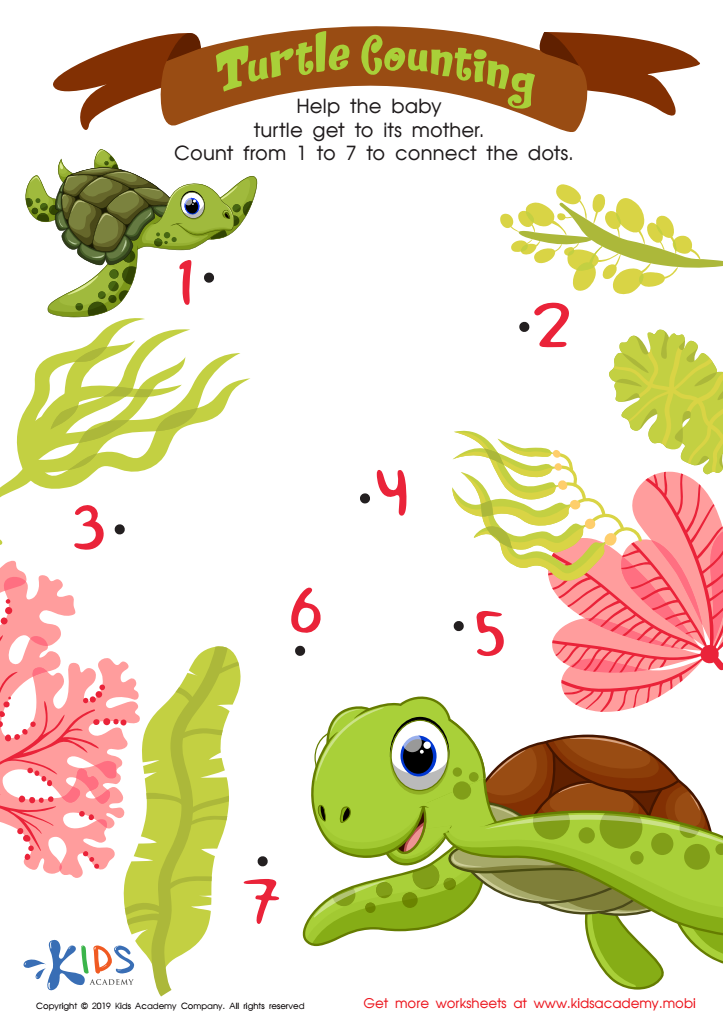
Turtle Counting Worksheet
 Assign to My Students
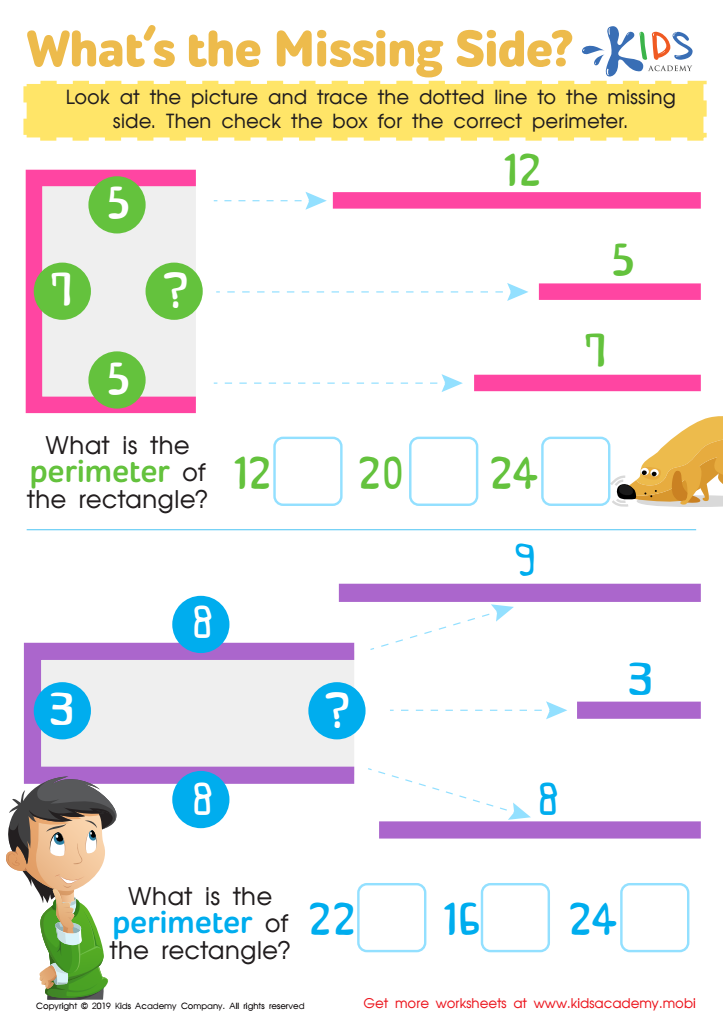
What's the Missing Side Worksheet
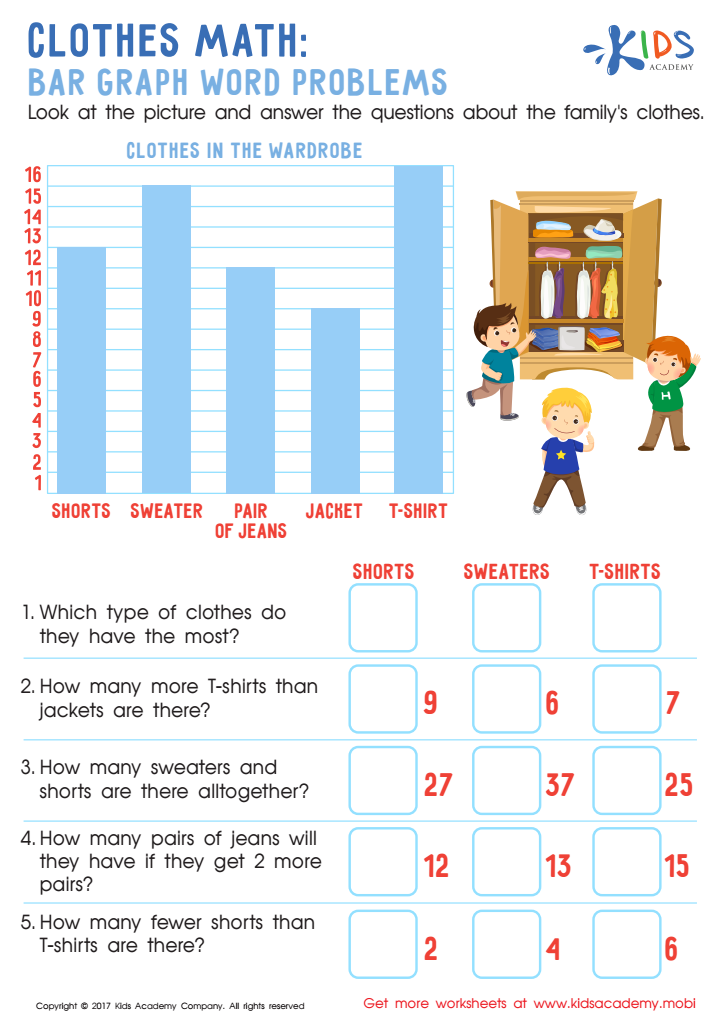
Clothes Math: Bar Graph Word Problems Worksheet
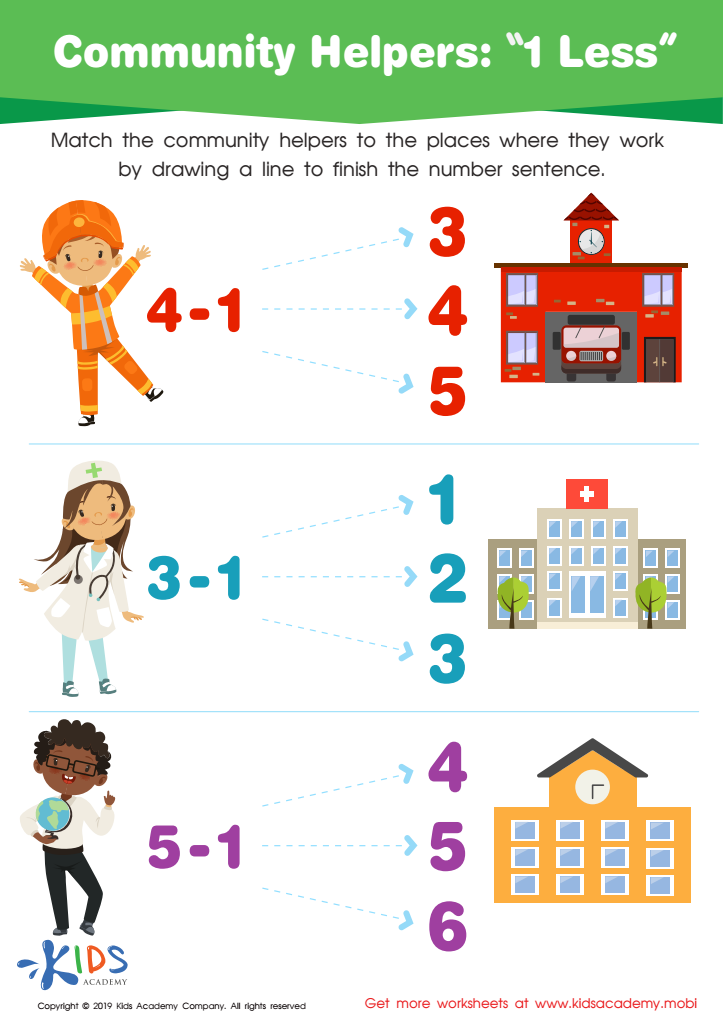
Community Helpers: 1 less Worksheet
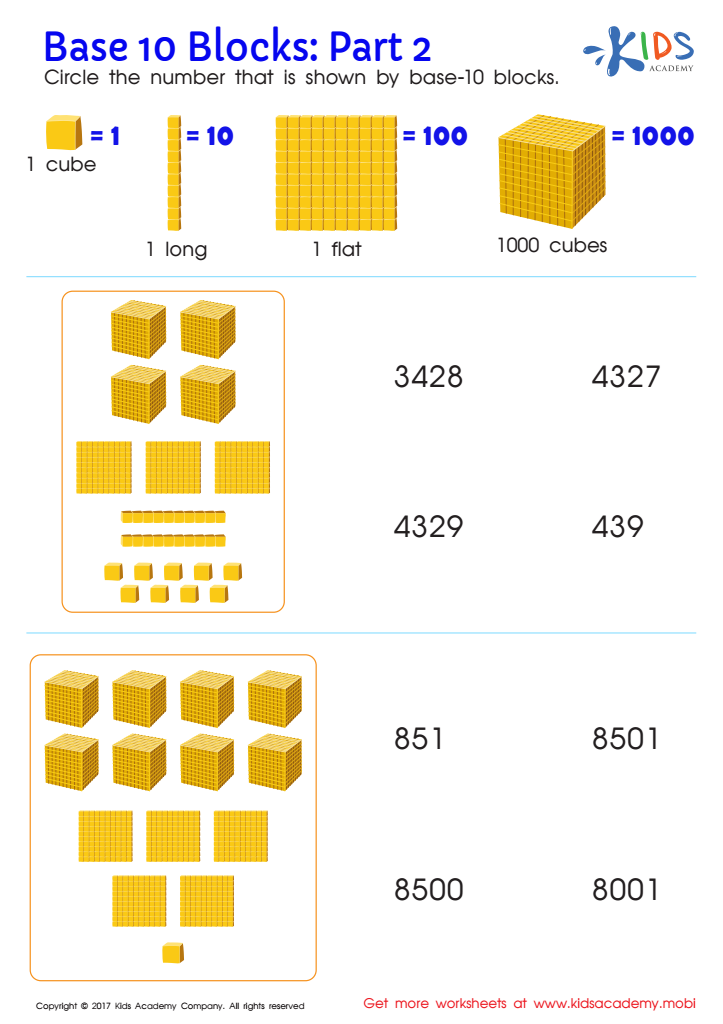
Place Value Worksheet: Thousands
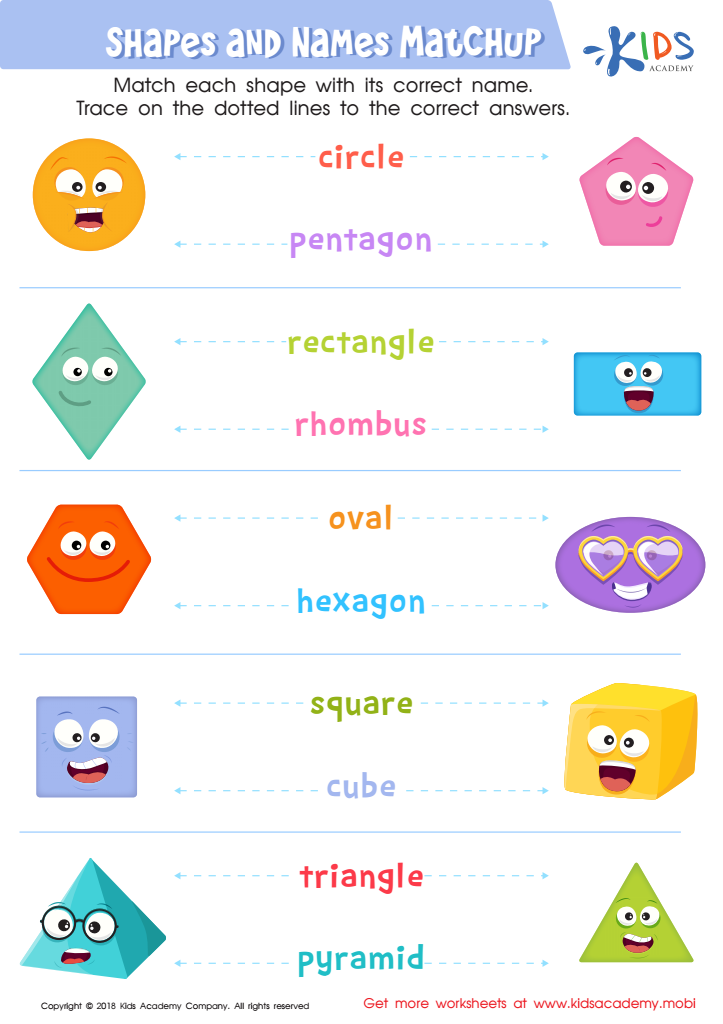
Shapes and Names Matchup Worksheet








Developing math skills in children aged 3-9 is crucial for several reasons, and parents and teachers play a significant role in this process. First and foremost, early math skills are foundational for later academic success. Research suggests a strong correlation between early math proficiency and future performance not only in math but also in reading and other subjects.
Between ages 3 and 9, children are at a critical stage of cognitive development. This period is marked by rapid learning and the ability to form neural connections, making it an ideal time to introduce mathematical concepts. Basic skills such as counting, shapes, patterns, and logical reasoning are stepping stones for more advanced topics. These fundamental concepts enhance children's problem-solving abilities and critical thinking, skills that are valuable throughout life.
Moreover, math skills provide a sense of achievement and confidence. When children master math concepts, they feel competent and more willing to tackle challenging tasks, fostering a positive attitude toward learning. This passion can boost their overall academic enthusiasm and resilience in the face of difficulties.
Furthermore, developing early math skills helps children in real-life situations such as making decisions, managing time, and understanding money. These practical proficiencies are essential for independent living and future employment opportunities.
For these reasons, parents and teachers should actively engage in the math skill development of young children, using playful and interactive methods to keep them interested and motivated.








