Number pattern recognition Math Worksheets for Ages 3-9
3 filtered results
-
From - To
Unlock your child’s potential with our engaging Number Pattern Recognition Math Worksheets, designed for ages 3-9! These worksheets introduce young learners to essential mathematical concepts through fun, interactive activities that enhance critical thinking and problem-solving skills. Kids will enjoy identifying and continuing number patterns, honing their ability to recognize sequences while building a strong foundation for future math success. Our carefully crafted resources promote cognitive development and improve number fluency in a playful manner. Perfect for both classroom settings and home learning, these worksheets provide a seamless way to make math enjoyable and accessible for young minds. Start the learning journey today!
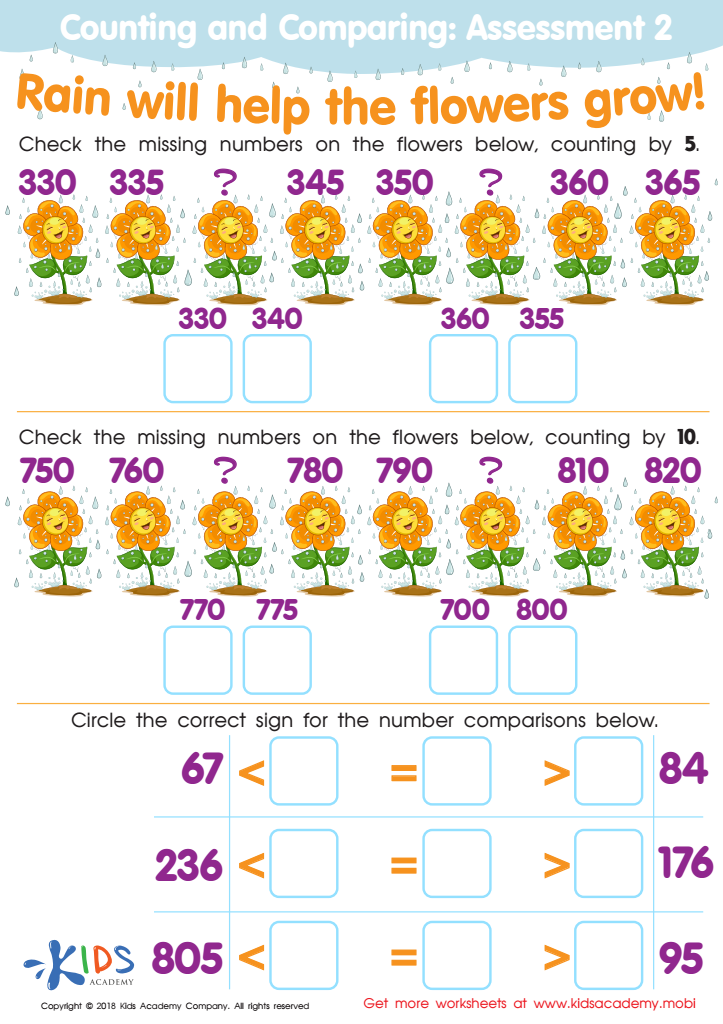
Counting and Comparing: Assessment 2 Worksheet
 Assign to My Students
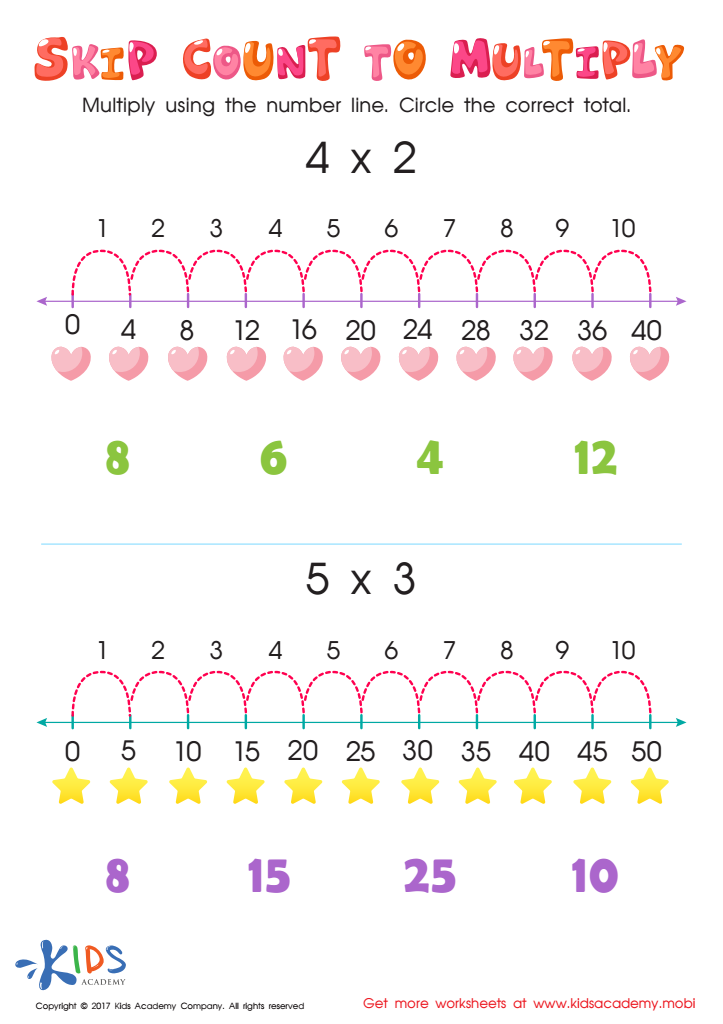
Skip Count Multiplication Worksheet
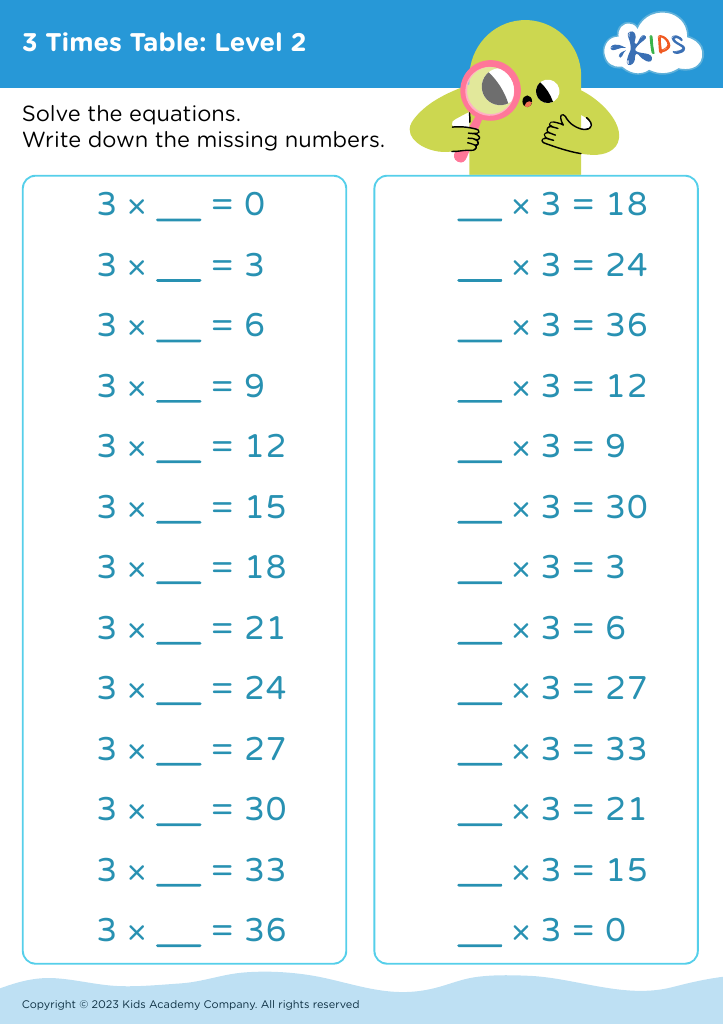


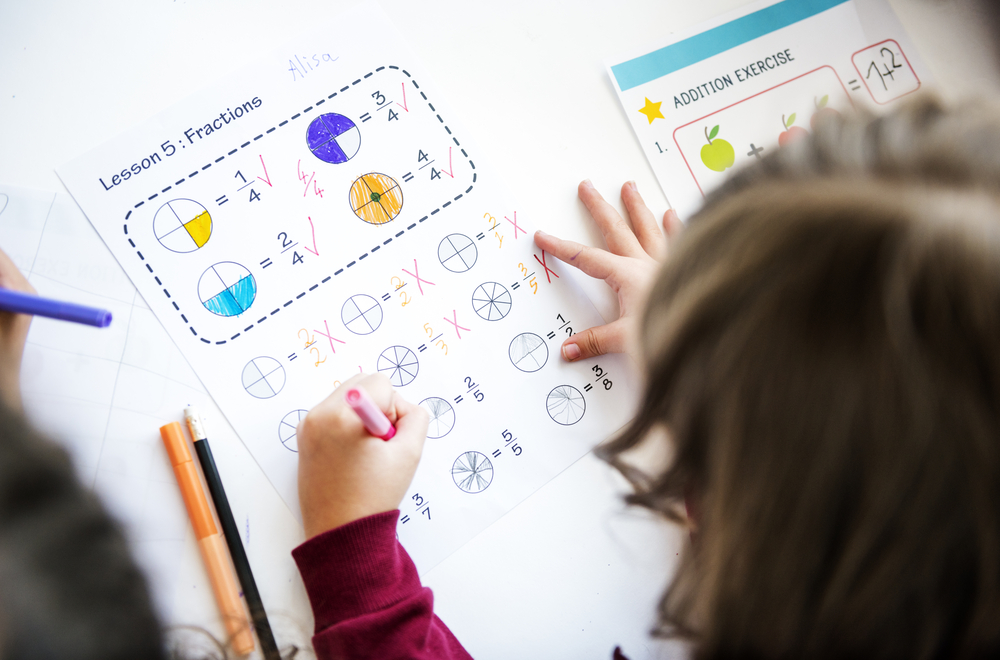

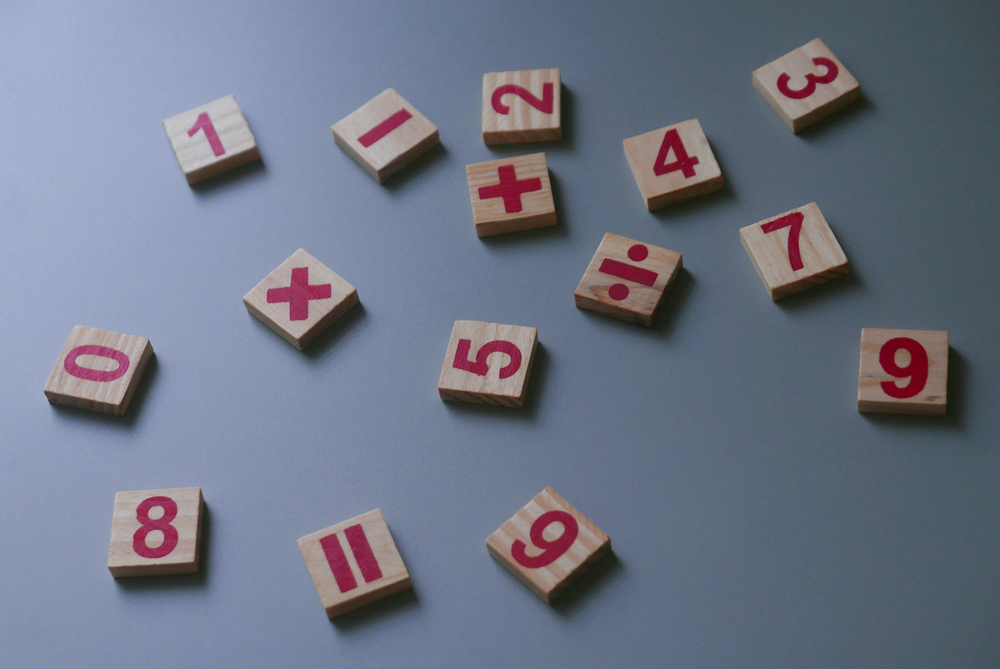



Number pattern recognition is a crucial math skill for children aged 3-9, laying the foundation for future mathematical understanding and problem-solving abilities. Recognizing patterns helps children understand the world around them, fostering critical thinking and observational skills. This foundational skill enhances their ability to make predictions, which is vital in subjects far beyond math.
Teaching pattern recognition at an early age promotes cognitive development and improves memory, as children learn to identify and repeat sequences. Engaging in pattern-related activities encourages creativity and exploration in young learners, allowing them to approach math with curiosity rather than fear. Furthermore, mastering number patterns leads to better comprehension of advanced concepts such as addition, subtraction, and multiplication.
For parents and teachers, recognizing the importance of number pattern activities provides opportunities to create meaningful learning experiences. By providing children with hands-on activities focused on patterns—through games, songs, or art—they can cultivate a lasting interest in mathematics, thus building confidence in their skills. Moreover, incorporating these activities at home or in the classroom not only supports academic success but also nurtures a love for learning. Emphasizing pattern recognition equips children with essential life skills they will utilize throughout their education and beyond.








