Practicing addition Math Worksheets for Ages 3-9
7 filtered results
-
From - To
Discover our engaging addition math worksheets designed for children ages 3 to 9! Perfect for young learners, these worksheets provide a fun and interactive way to develop essential math skills. Each worksheet features colorful illustrations and easy-to-understand exercises that help children practice basic addition concepts, from simple sums to more challenging problems. Tailored to different skill levels, our resources cater to beginners and those ready to advance their math abilities. Explore a variety of formats, including puzzles, picture-based problems, and traditional exercises that make learning addition enjoyable. Start your child’s math journey today with our thoughtfully crafted worksheets!
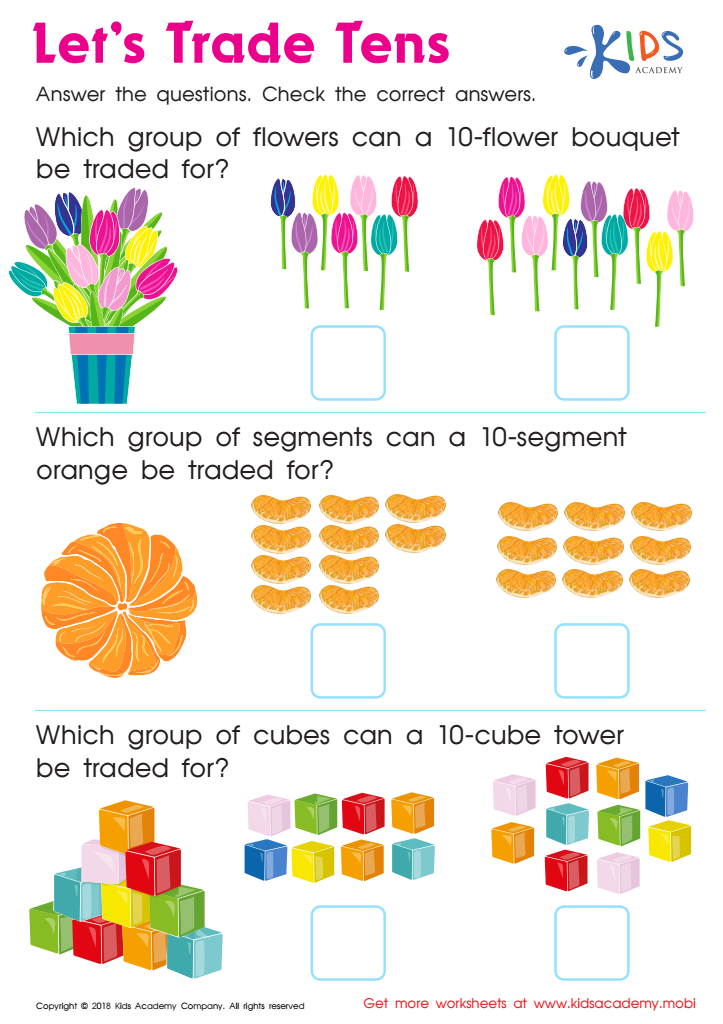
Lets Trade Tens Worksheet
 Assign to My Students
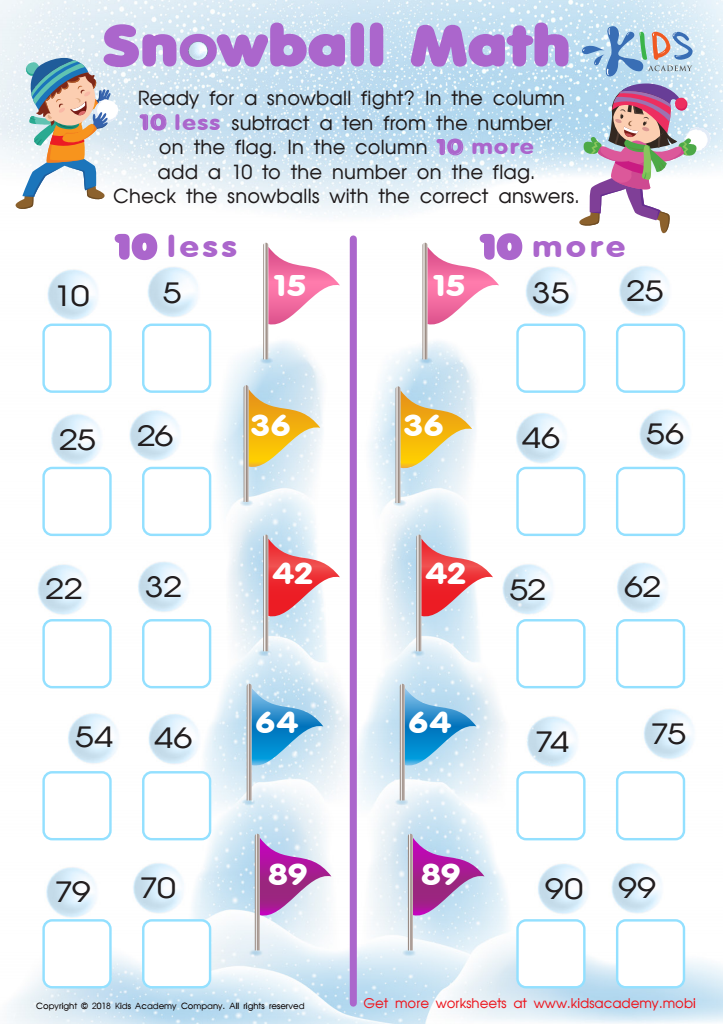
Snowball Math Worksheet
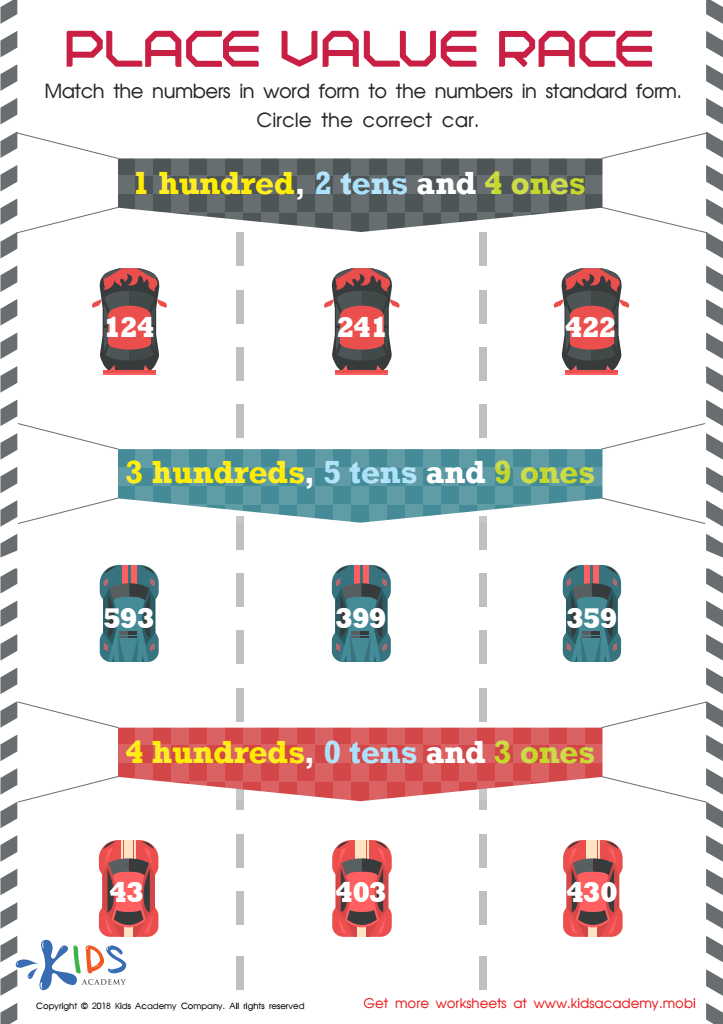
Place Value Race Worksheet
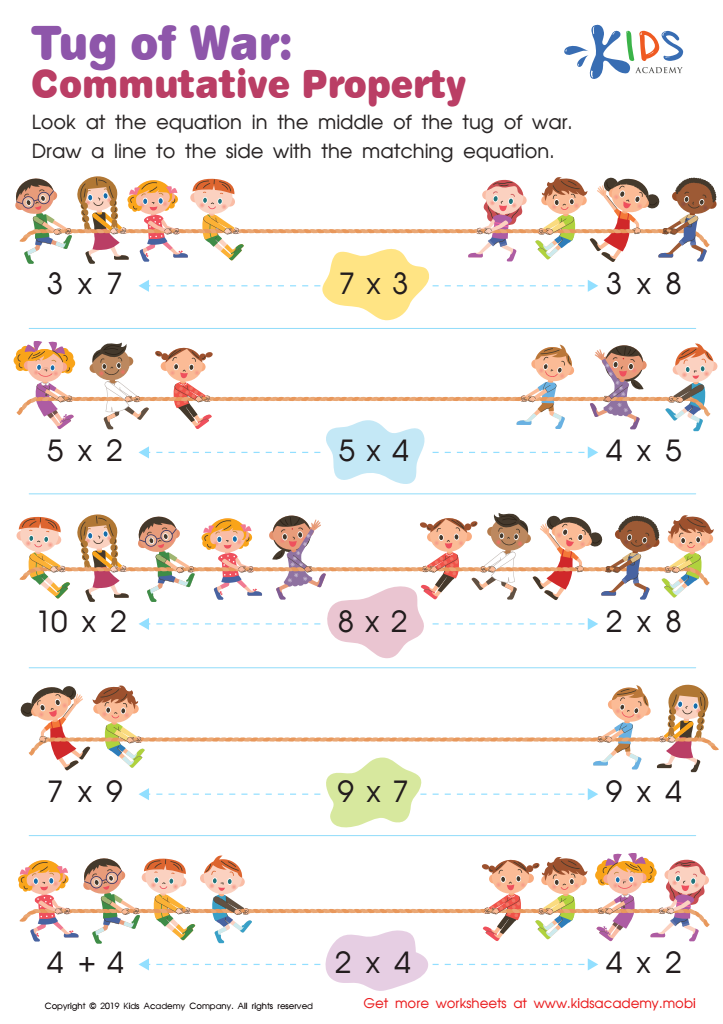
Tug of War: Commutative Property Worksheet
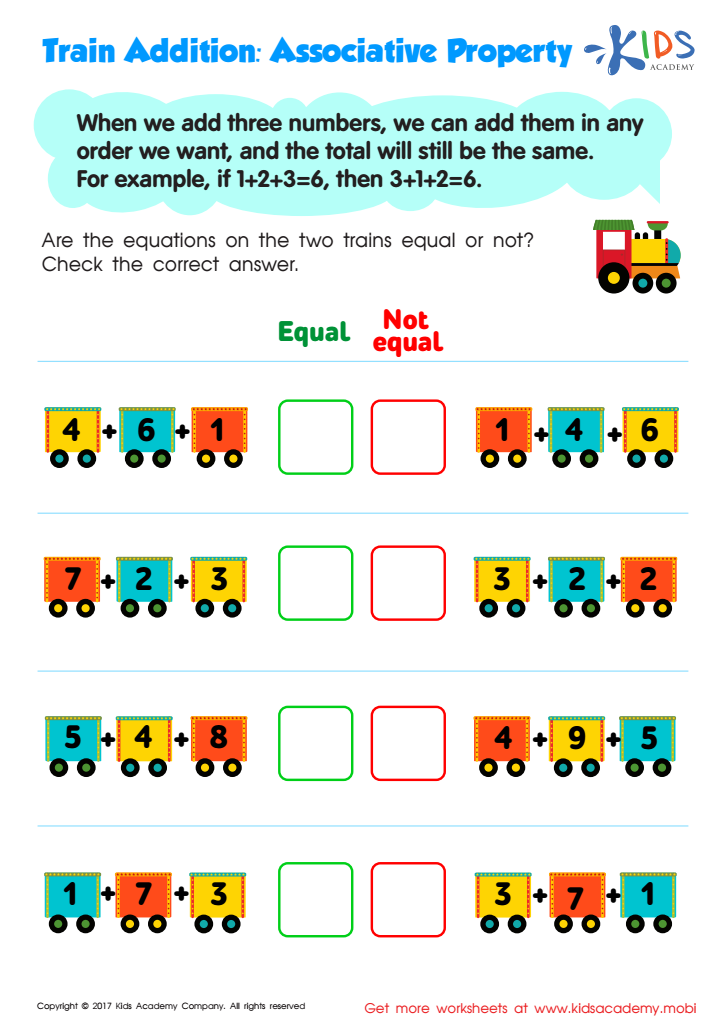
Train Addition: Associative Property Worksheet








Practicing addition math for children aged 3-9 is crucial as it lays the foundation for their overall cognitive development and academic success. At this age, children are inherently curious and eager to explore numbers, and engaging them in addition helps to harness this curiosity effectively. Mastering basic addition skills promotes logical thinking, problem-solving abilities, and promotes a sense of accomplishment and confidence.
Moreover, math skills are not only vital for academic progression but are also essential for everyday life. Children learn to relate to everyday scenarios, from counting toys to managing allowances, thus understanding the practical application of math in their lives.
Additionally, consistent practice fosters a positive relationship with math, helping to alleviate any anxiety or negative attitudes toward the subject later on. By integrating fun activities—such as games, songs, or visual aids—parents and teachers can create a stimulating learning environment where children are motivated to learn.
Furthermore, early math skills are linked to better performance in higher grades. When parents and teachers prioritize practicing addition, they are not solely focusing on numbers, but actively nurturing critical thinking, patience, perseverance, and a love for learning that goes well beyond the math classroom.








