Understanding directions Math Worksheets for Ages 3-9
7 filtered results
-
From - To
Unlock the world of directions with our "Understanding Directions Math Worksheets" designed for children aged 3-9! These engaging worksheets help young learners develop essential spatial awareness and cognitive skills. Through fun activities, kids will practice recognizing and following direction words such as "left," "right," "up," and "down," essential for mastering math concepts and daily tasks. Perfect for teachers and parents, our printable resources make learning interactive and enjoyable. By building a solid foundation in understanding directions, your child can enhance their problem-solving abilities and boost their confidence in math. Explore our worksheets today and watch your child thrive!
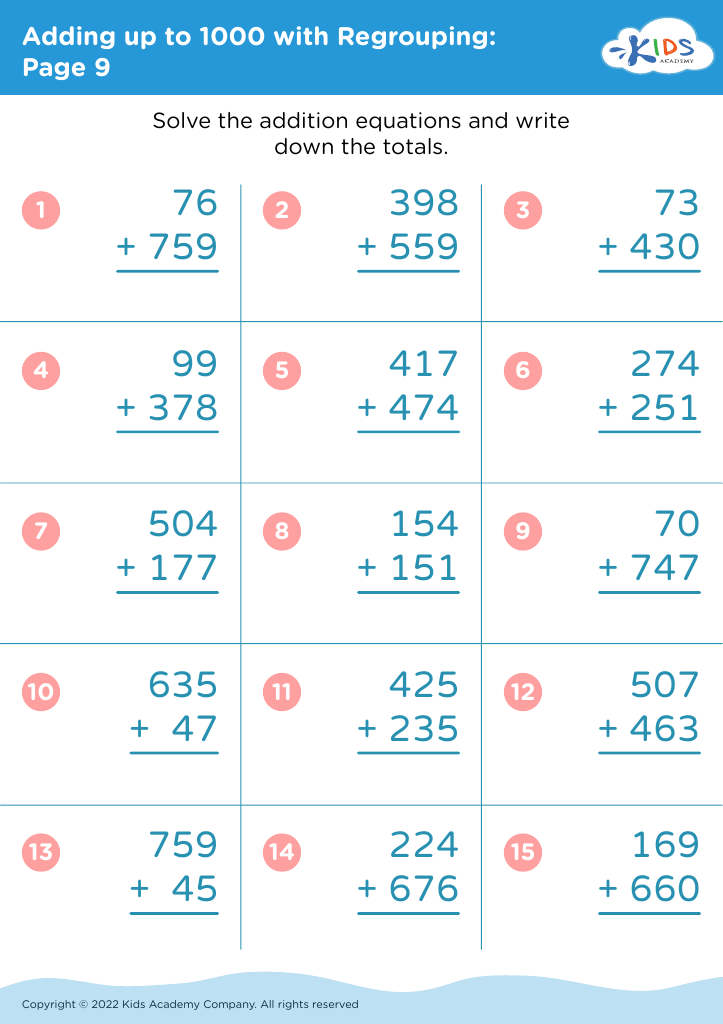
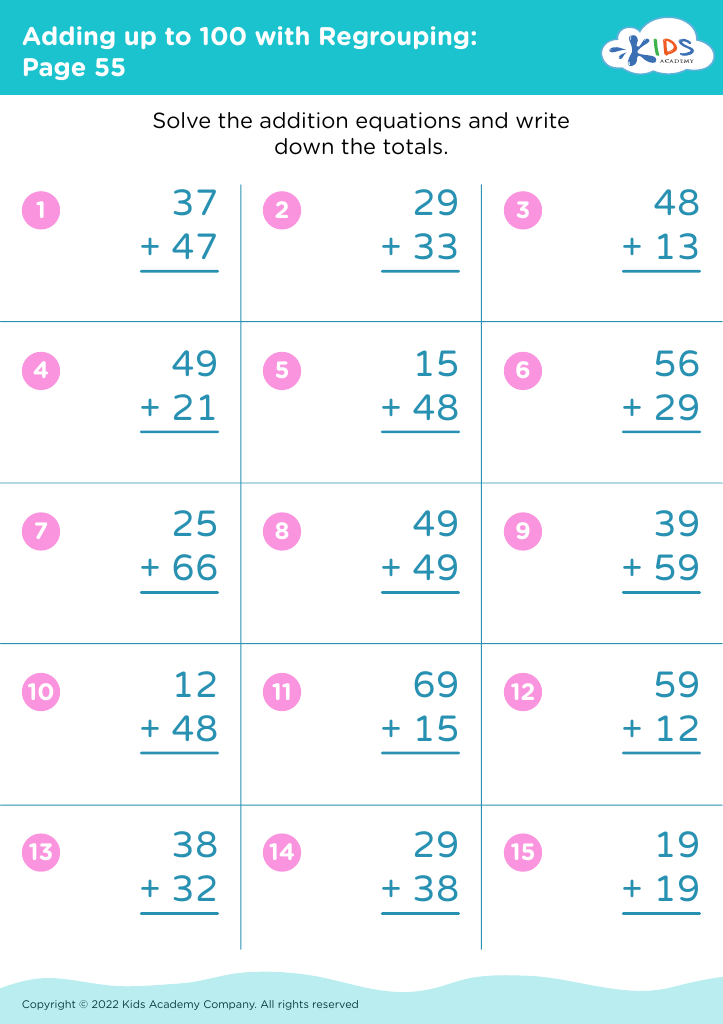
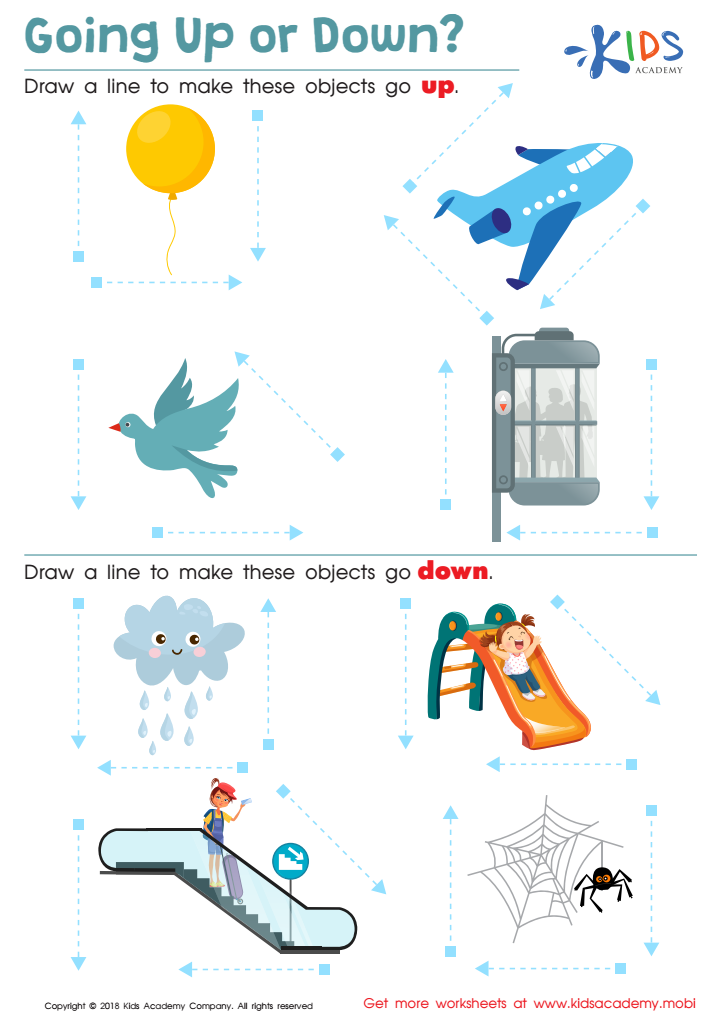
Going up or Down? Worksheet
 Assign to My Students
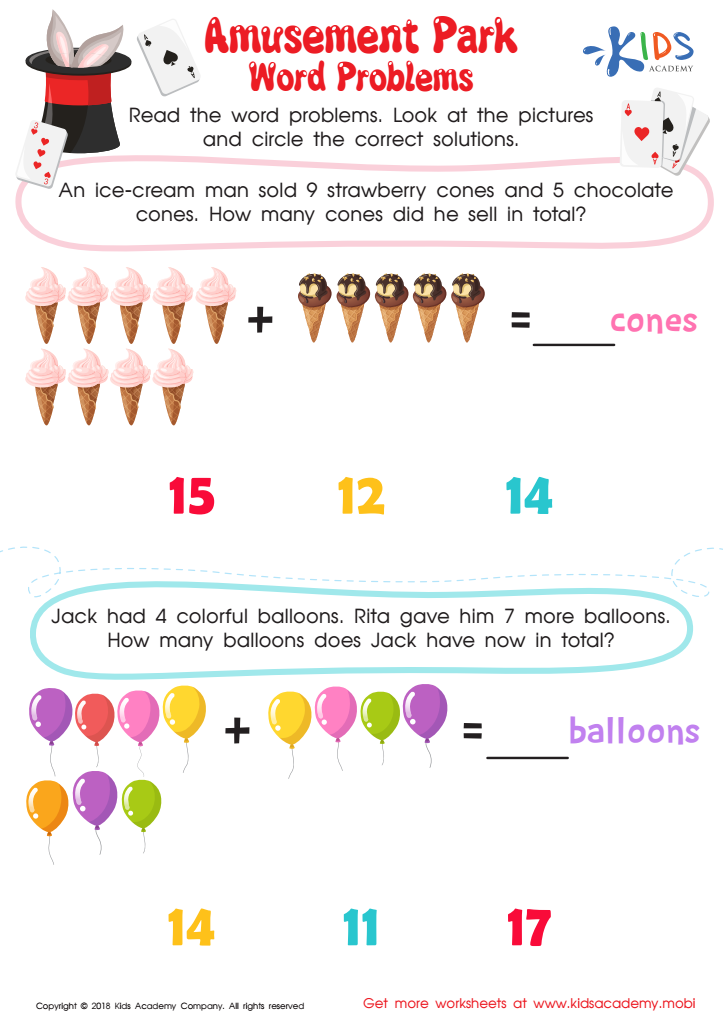
Amusement Park Word Problems Worksheet
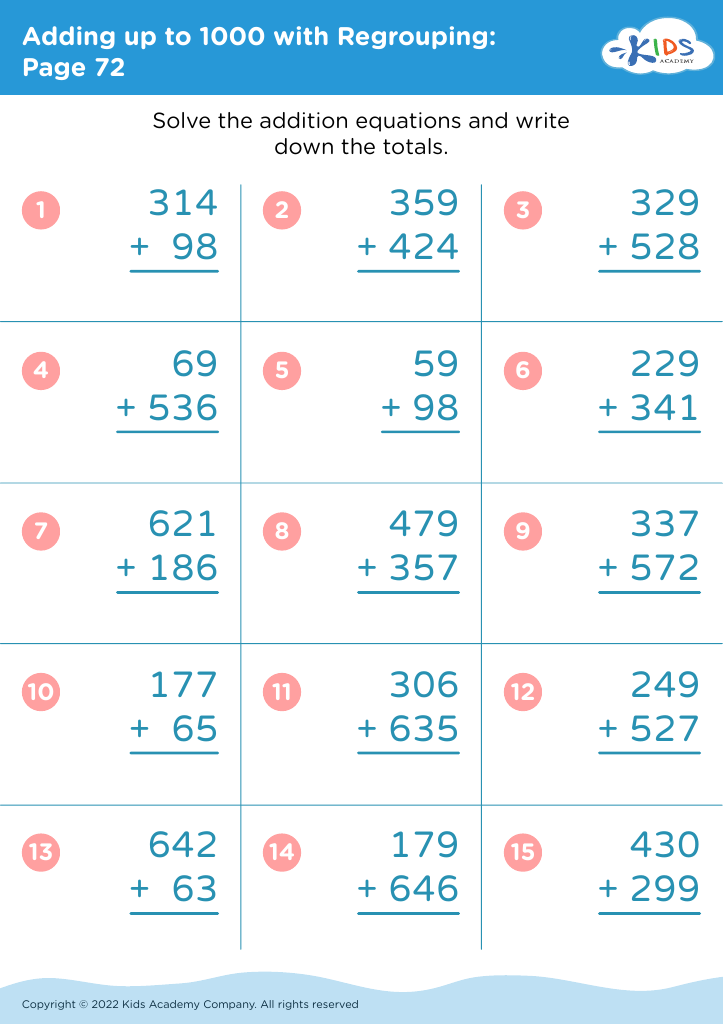
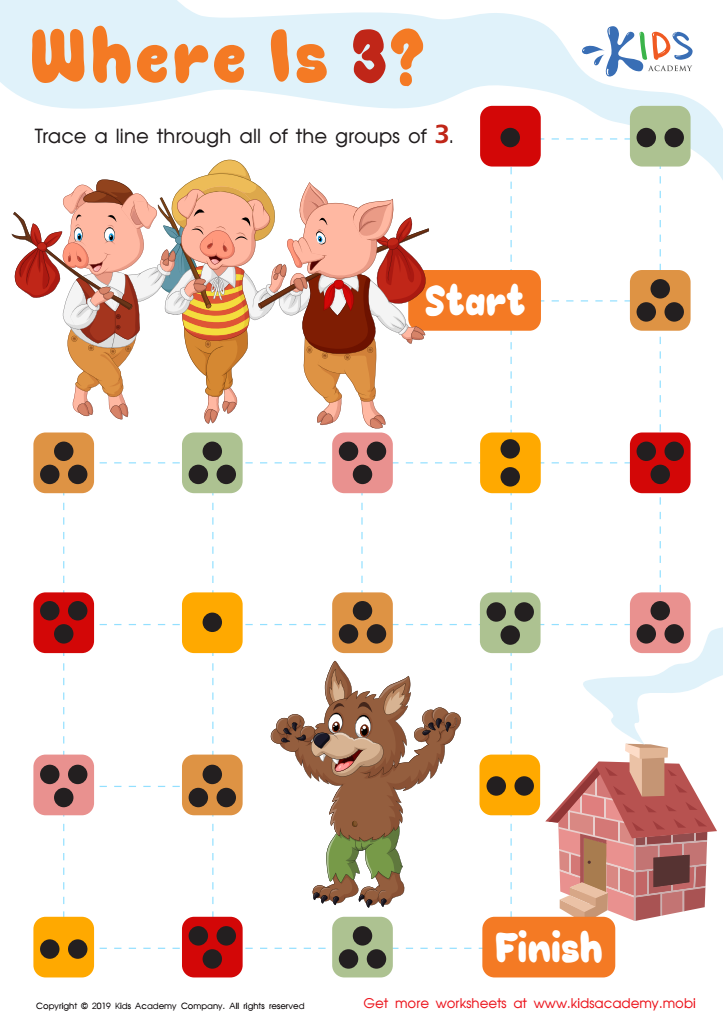
Where Is 3? Worksheet
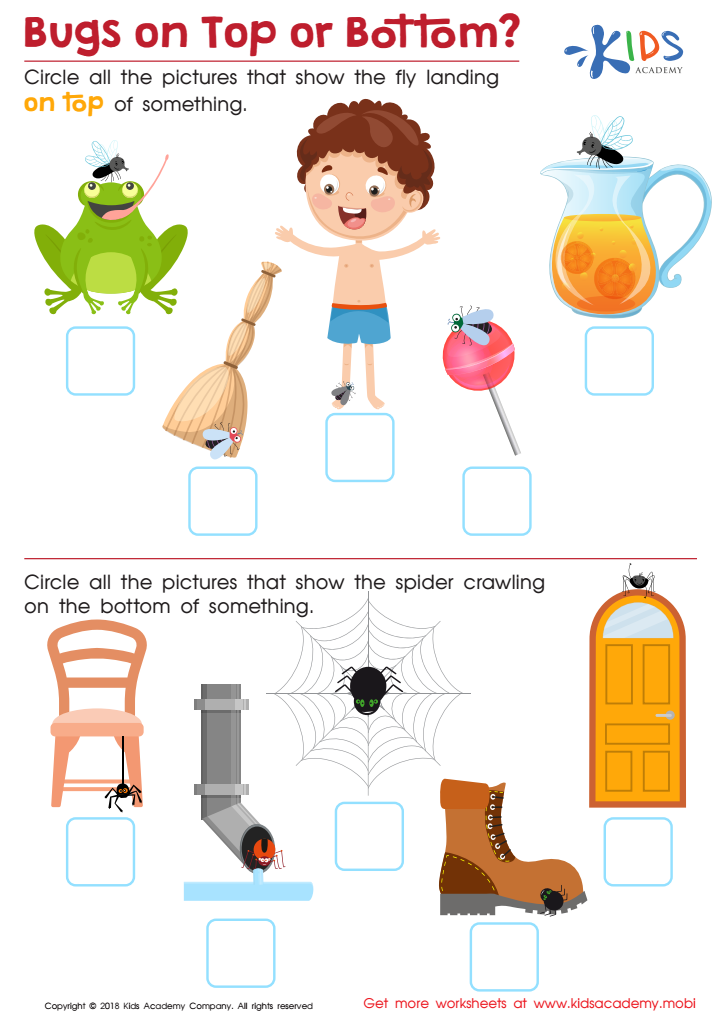
Bugs on Top or Bottom? Worksheet








Understanding directions in math is crucial for children aged 3-9, as it lays the foundation for their future academic success and essential life skills. For parents and teachers, fostering this skill helps children learn not only basic arithmetic but also comprehension and critical thinking. Young learners begin to develop their reasoning skills by interpreting mathematical concepts when given clear directions, enabling them to tackle complex problems as they progress.
When children understand directions, they gain confidence, which is foundational for problem-solving and independent learning. This skill is vital in collaborative settings, as it teaches children to communicate clearly and listen actively, facilitating teamwork and social interaction. It also enhances their ability to follow multi-step tasks, a skill applicable across various subjects and everyday situations.
Moreover, early math skills contribute to a child’s overall development by encouraging curiosity and exploration. Parents and teachers play a key role in modeling effective communication and direction-following while creating engaging learning environments. Investing time to ensure that children grasp and can apply mathematical directions will lead to increased competence, independence, and a love for learning in a vital educational stage. Understanding directions in math empowers children to navigate their educational journey successfully.








