Understanding numeracy Math Worksheets for Ages 3-9
4 filtered results
-
From - To
Discover the foundational skills of numeracy with our engaging math worksheets designed for children ages 3-9. Our resources cater to various learning stages, fostering essential counting, number recognition, and quantitative reasoning skills in young learners. The worksheets combine fun and education, featuring vibrant illustrations and interactive activities that make math exciting. Parents and educators can easily integrate these worksheets into daily learning routines, helping children build confidence and fluency in numbers. Explore our diverse collection to boost your child's numeracy skills and lay a strong foundation for future math success! Start enhancing your child's math experience today.
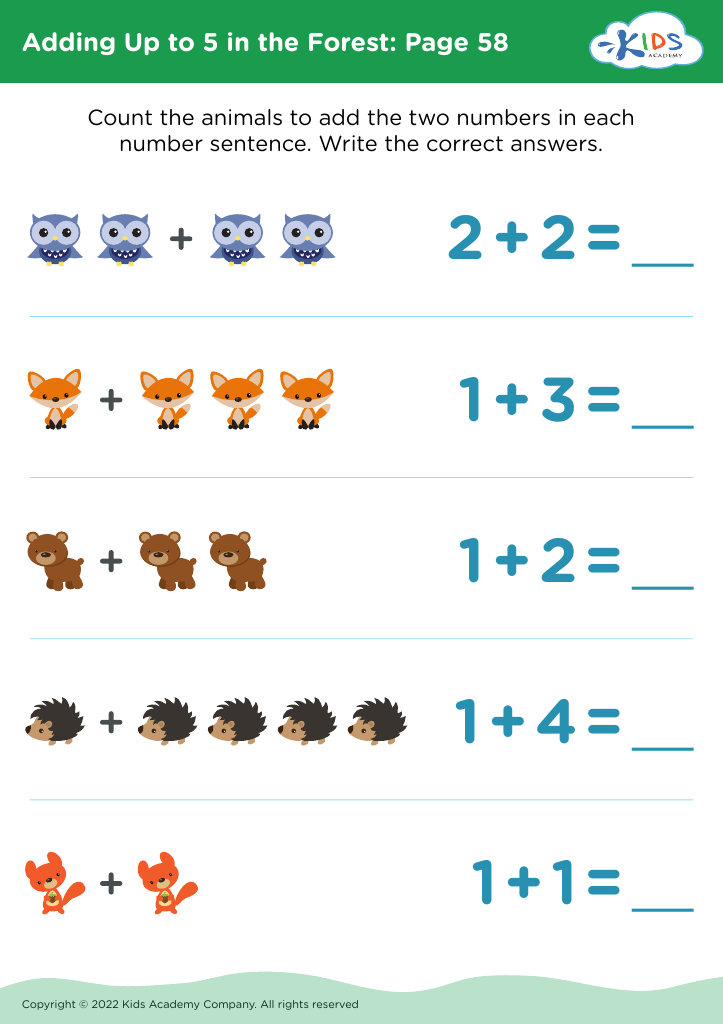
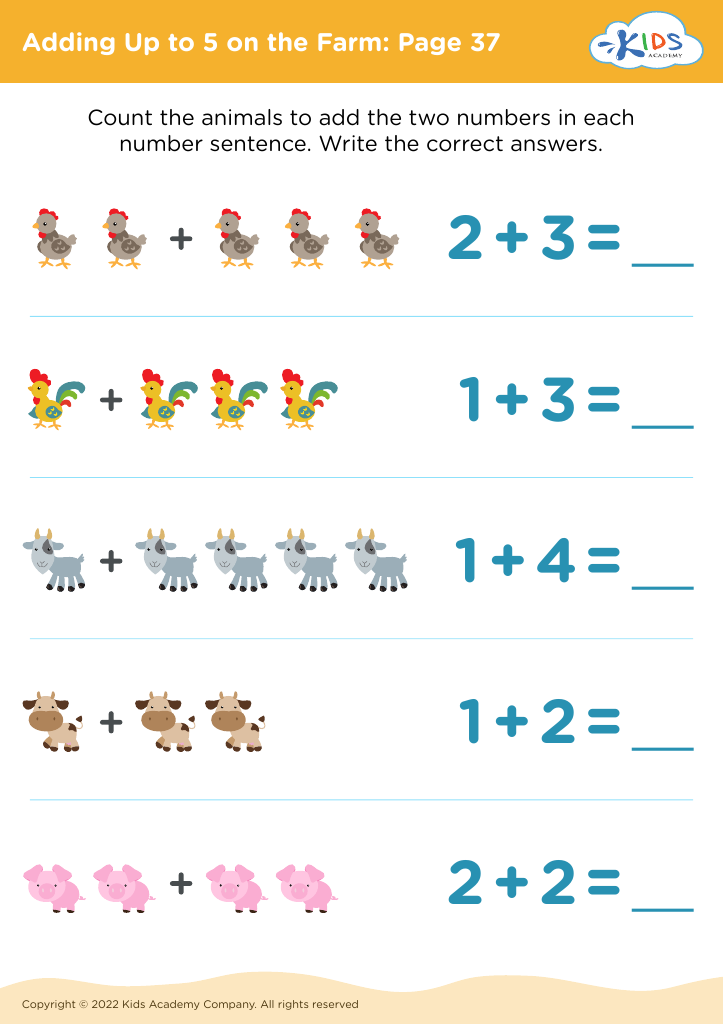
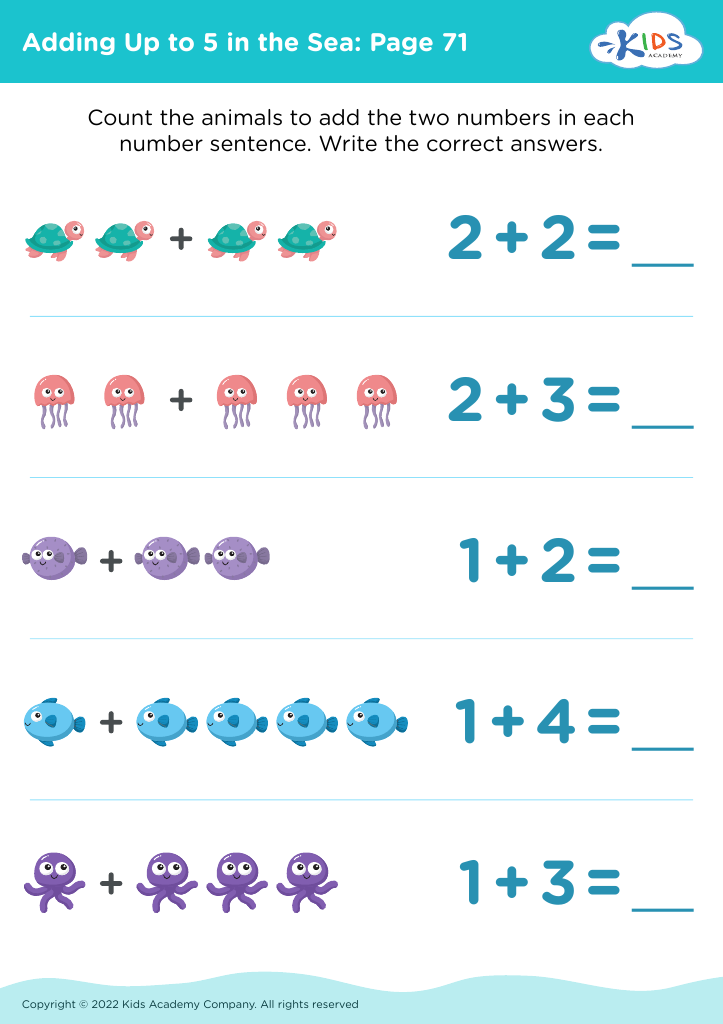
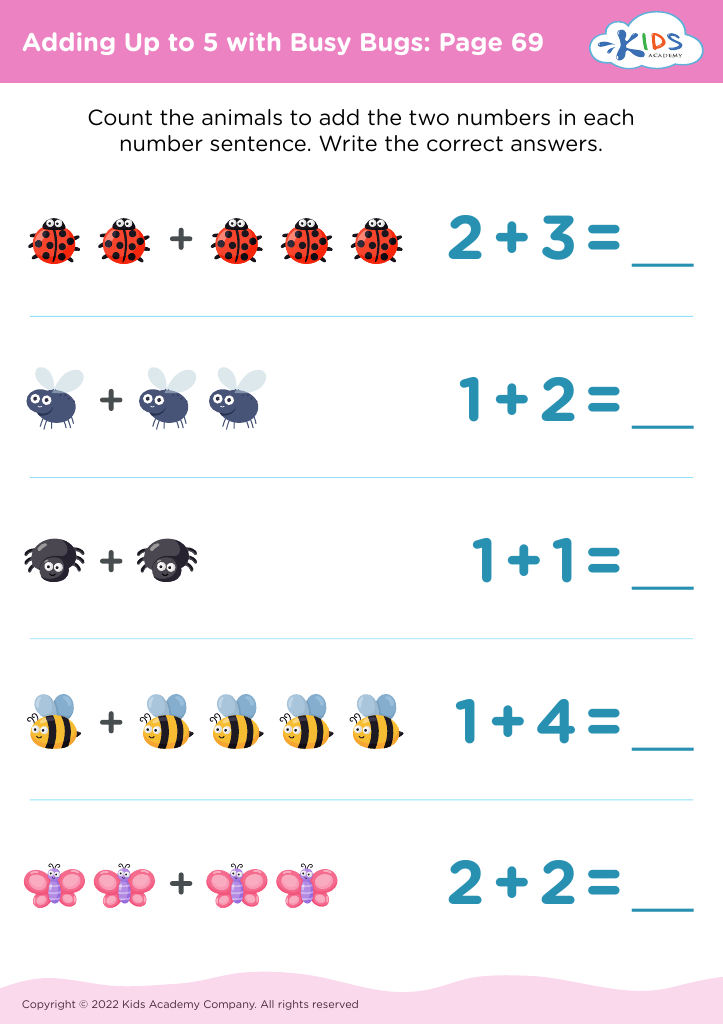



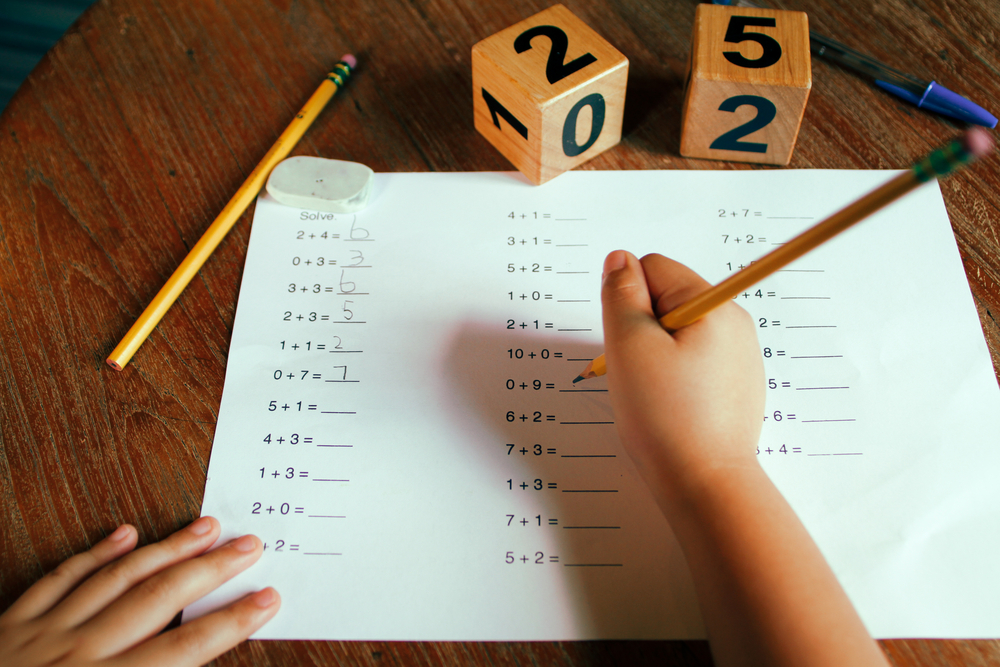
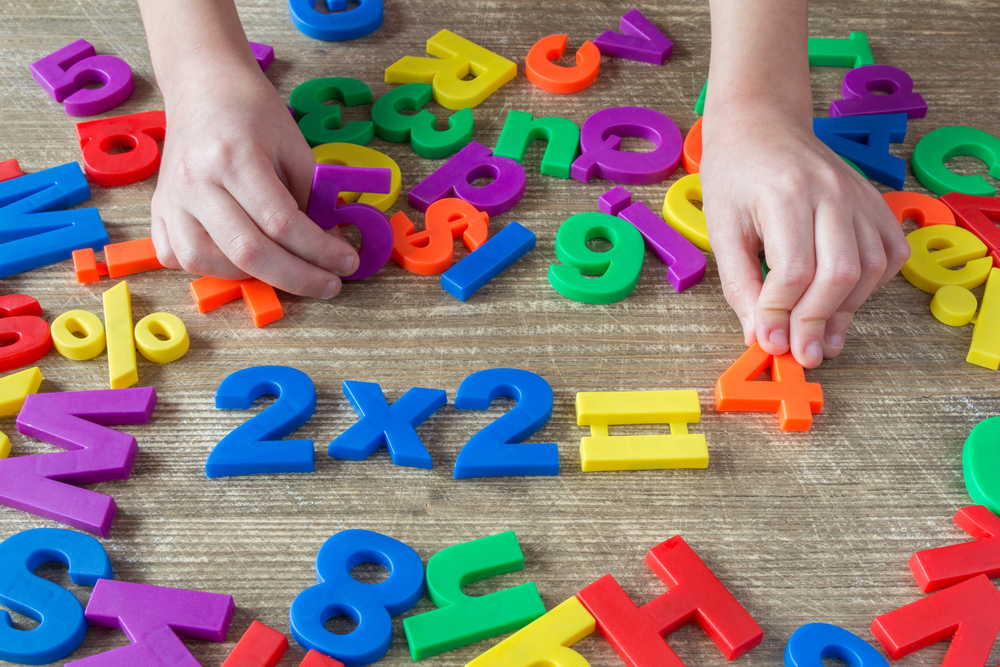



Understanding numeracy and math for ages 3-9 is crucial for several reasons. First, early mathematical skills form the foundational building blocks for later academic success. During these formative years, children develop essential concepts such as counting, number recognition, and basic operations. Engaging with math in a fun and relatable way enhances their cognitive development and problem-solving abilities.
Second, numeracy plays a vital role in everyday life. By grasping basic math concepts early on, children learn to navigate the world around them, helping them make sense of everyday activities, from measuring ingredients while cooking to managing time and resources effectively. This practical understanding increases their confidence and independence.
Additionally, emphasizing numeracy helps in breaking down common barriers related to math anxiety. Creating a positive and supportive learning environment encourages children to view math as exciting rather than intimidating. This mindset fosters a love for learning and allows children to develop critical thinking skills that are applicable beyond academics, nurturing an adaptable and resilient mindset for future challenges.
Ultimately, when parents and teachers prioritize numeracy, they equip children with the skills necessary to thrive both in school and in life, paving the way for a positive attitude towards learning throughout their educational journey.








