Understanding sequence Math Worksheets for Ages 3-9
6 filtered results
-
From - To
"Understanding Sequence Math Worksheets for Ages 3-9" from Kids Academy are expertly designed to help young learners grasp the concept of sequences through engaging and age-appropriate activities. These printable worksheets focus on developing critical thinking and logical reasoning skills by challenging children to recognize patterns, order events, and predict subsequent items in a series. Perfect for use at home or in the classroom, each worksheet offers interactive exercises that make learning sequences fun and exciting. Foster a strong mathematical foundation and enhance sequencing abilities with our comprehensive and enjoyable resources tailored for children ages 3 to 9.
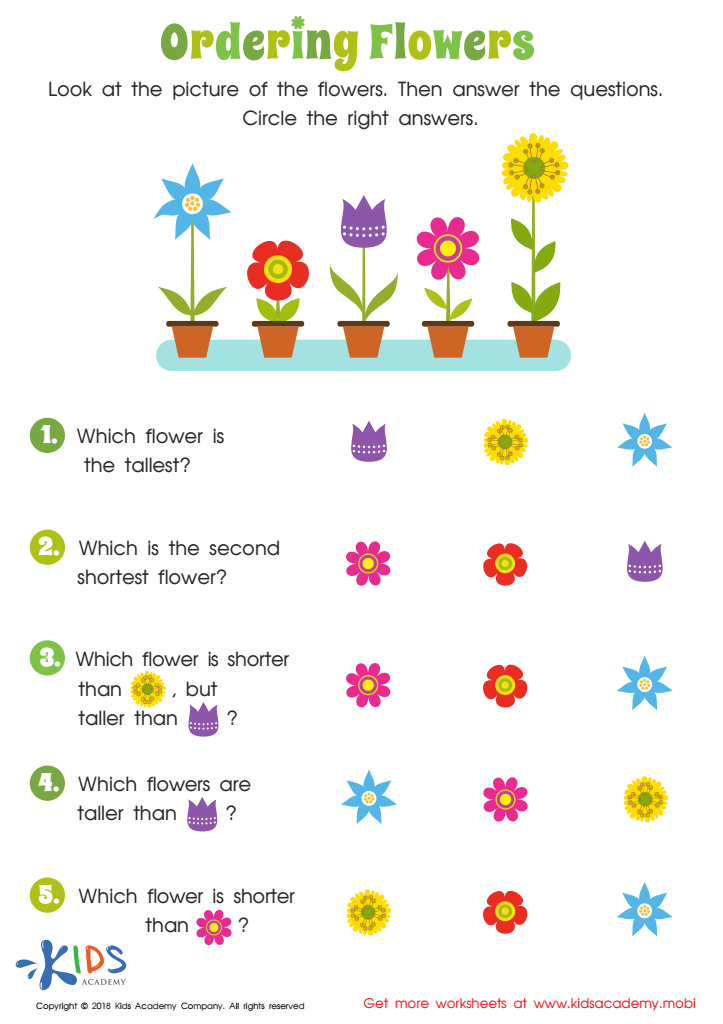
Ordering Flowers Worksheet
 Assign to My Students
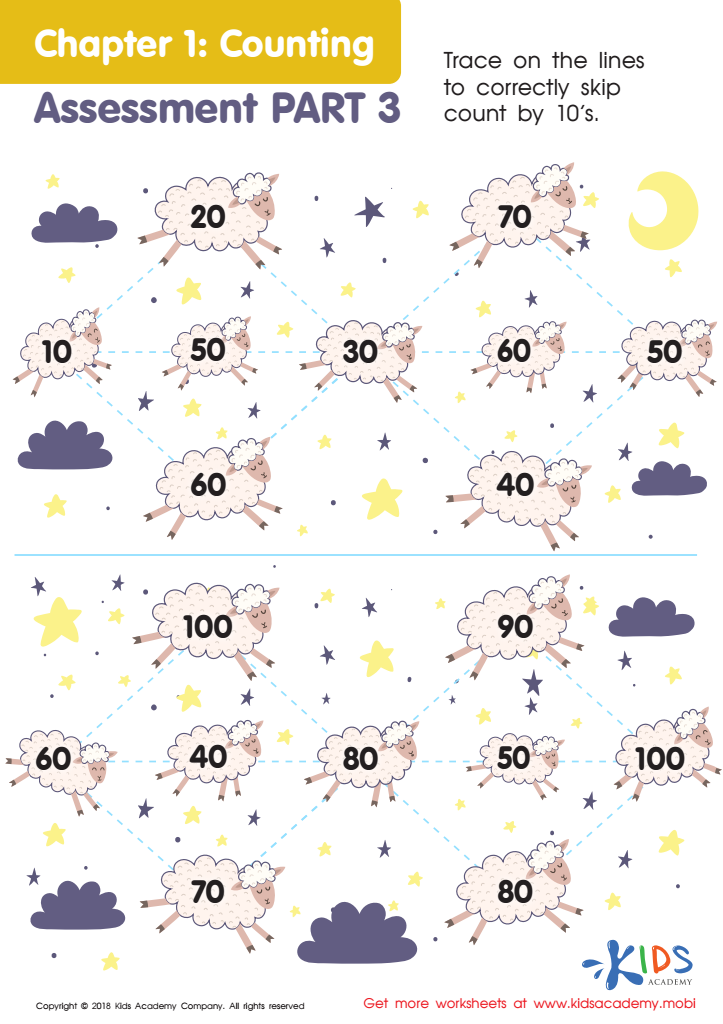
Counting: Assessment 3 Worksheet
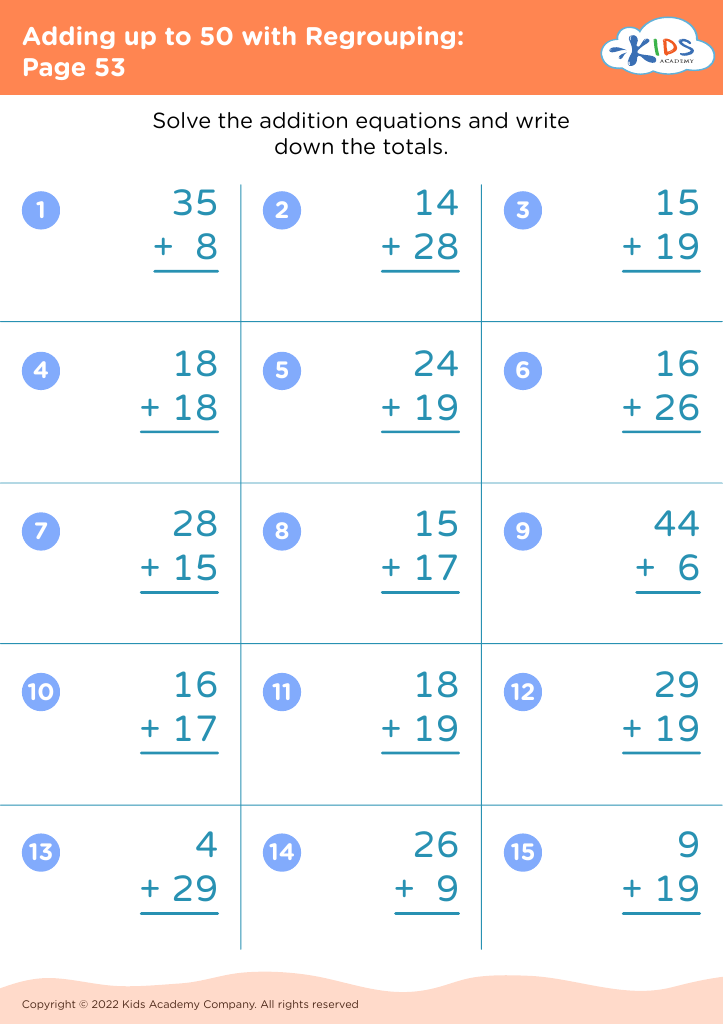
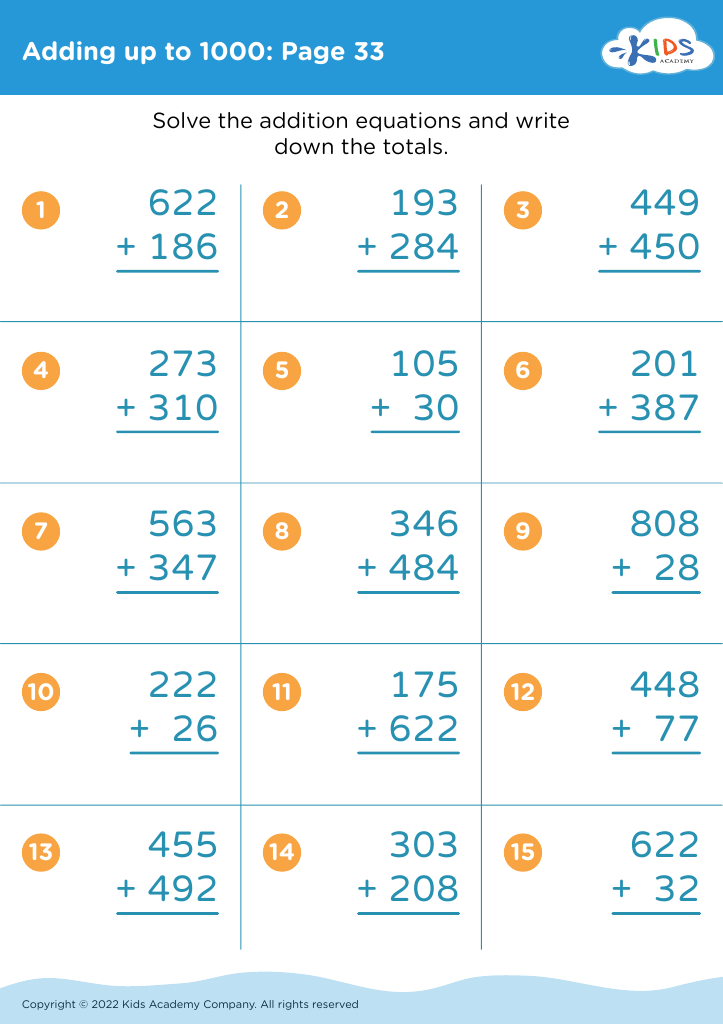





.jpg)
Understanding sequence math—that is, the ability to recognize patterns and the order in which things appear—is crucial for children ages 3 to 9 as it lays a foundational cornerstone for a host of essential cognitive and academic skills. For starters, sequencing enriches problem-solving abilities and logical thinking. It is a pre-eminent building block for more complex mathematical concepts and algorithms that the child will encounter in higher grades.
Learning to identify, describe, and continue sequences nurtures numerical literacy, enabling children to comprehend number operations, the fortirtuous affair of times tables, and basic arithmetic fluency. Beyond mathematics, sequencing is integral to reading comprehension because it helps children understand story structures, predict outcomes, and recognize the beginning, middle, and end of narratives.
Moreover, daily life coherence also depends upon sequential skills—whether it’s following a routine, getting dressed, or even navigating time with clocks and calendars. As students succeed in school when these foundational skills are rooted early, such prolonged concentration delays math-related struggles and augments self-esteem in their abilities. Consequently, an early mastery of sequential understanding, hastened by teachers and parents, unlocks a continuum of learning and thoughtful growth, concurrently ensuring math is never rebuked. In essence, those whom Andrew Carnegie touted—parents and teachers—essentially avow the overall learning fabric is quintessentially vital for piquet holistic excellence.








