Understanding sequencing Math Worksheets for Ages 3-9
11 filtered results
-
From - To
Looking to build strong foundational skills in young learners? Our "Understanding Sequencing Math Worksheets for Ages 3-9" are expertly designed to engage children while teaching them the essential skill of sequencing. The worksheets cover a range of age-appropriate activities that help kids grasp the concept of order and logic, critical for mathematical thinking. Through fun, interactive tasks such as arranging numbers, visual patterns, and everyday events in sequence, children enhance their problem-solving abilities and cognitive development. Perfect for home or classroom use, these worksheets ensure that mastering sequencing is a fun and rewarding experience. Explore our collection and support your child's learning journey today!
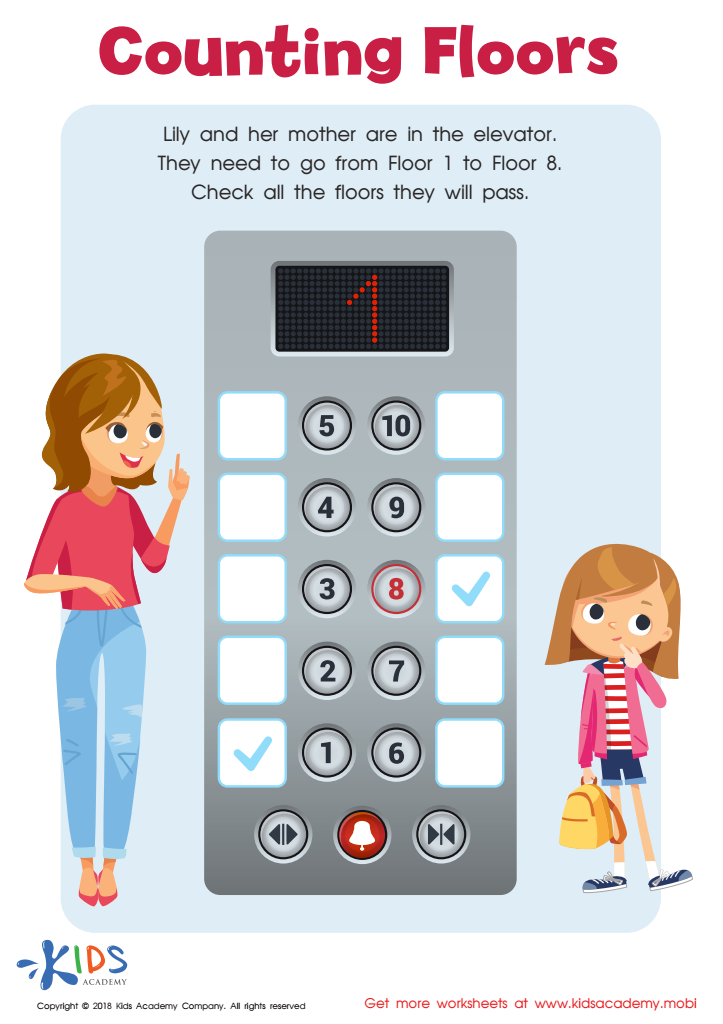
Counting Floors Worksheet
 Assign to My Students
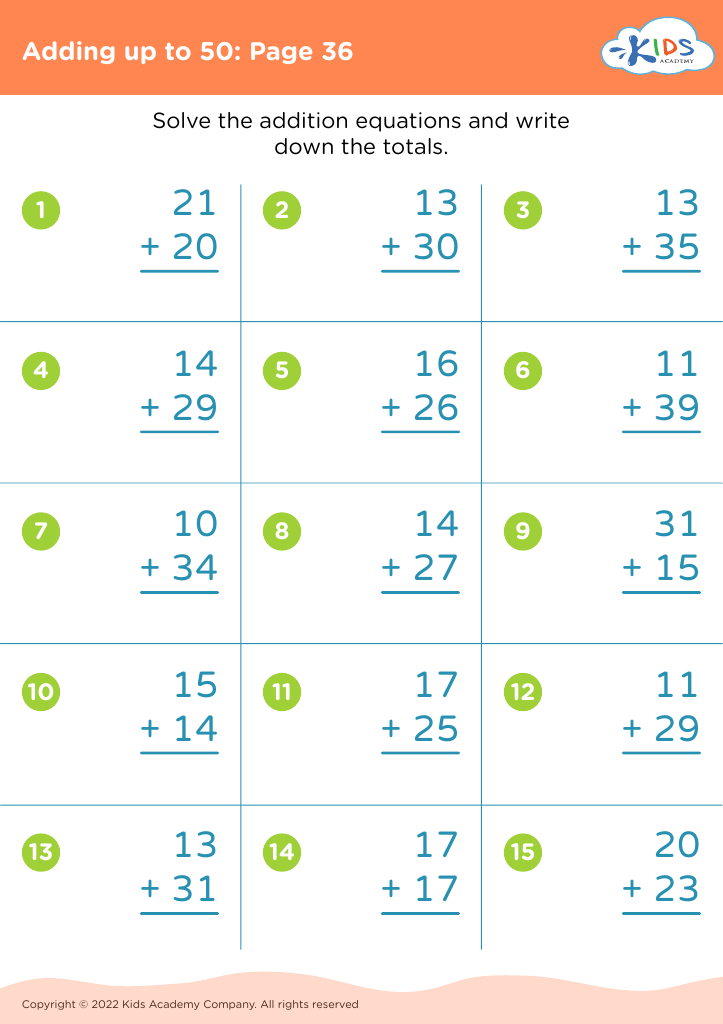
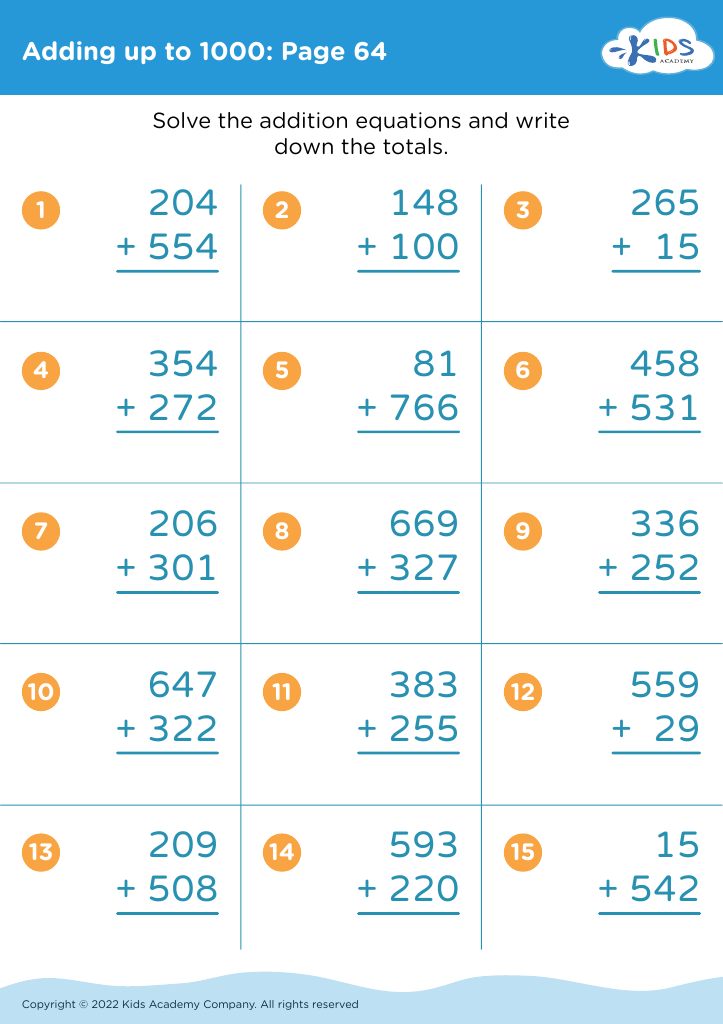
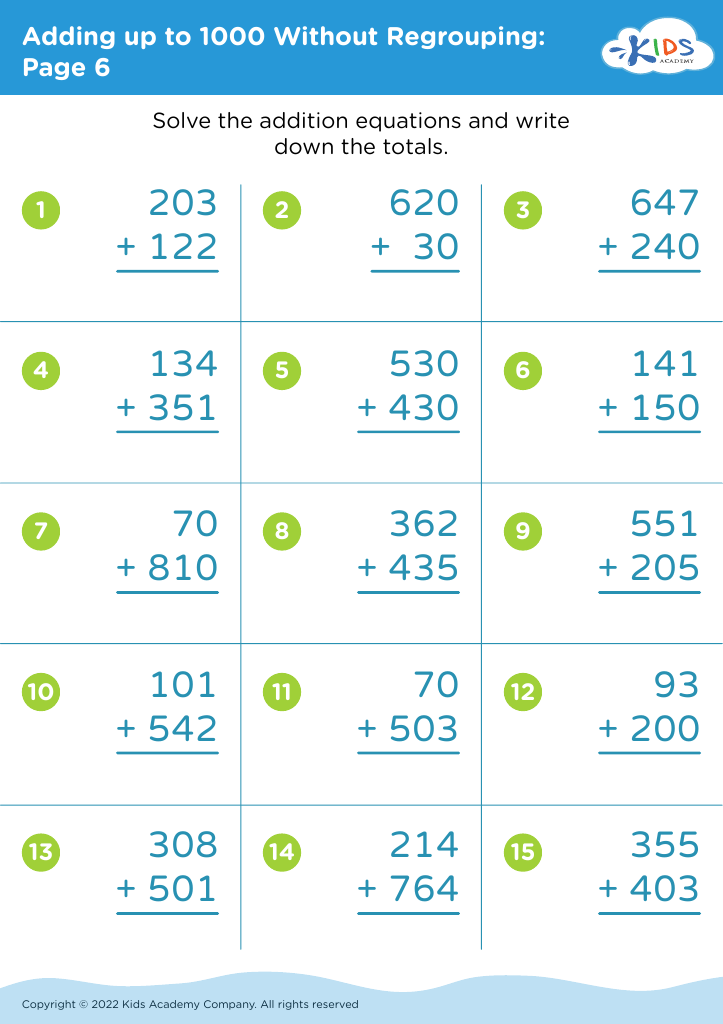

One More Jumps In Worksheet
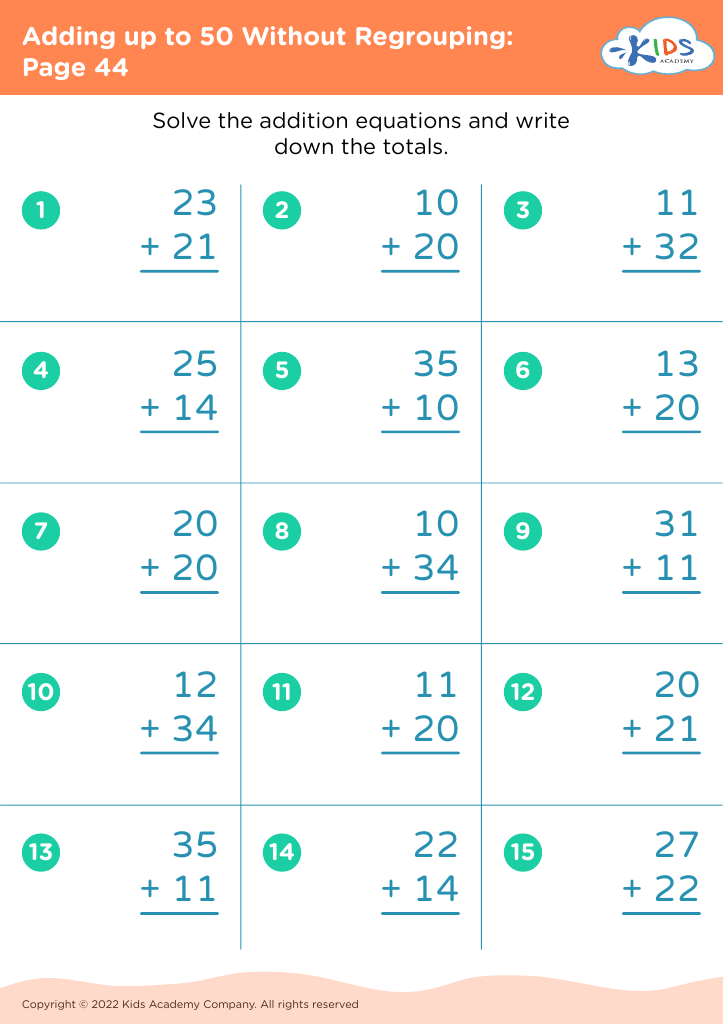
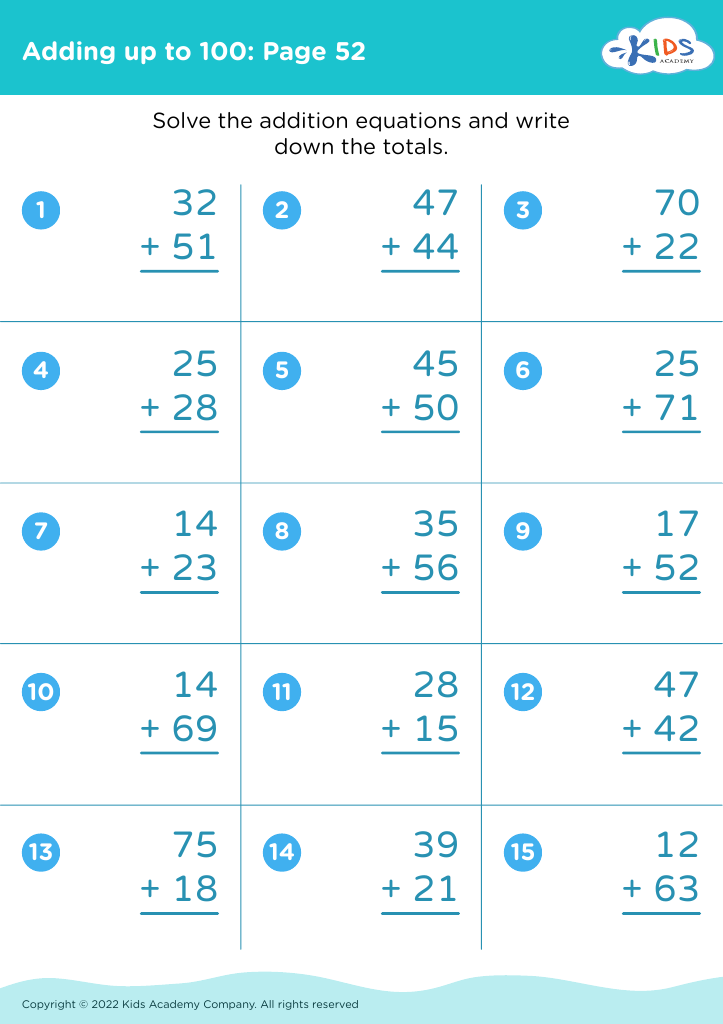
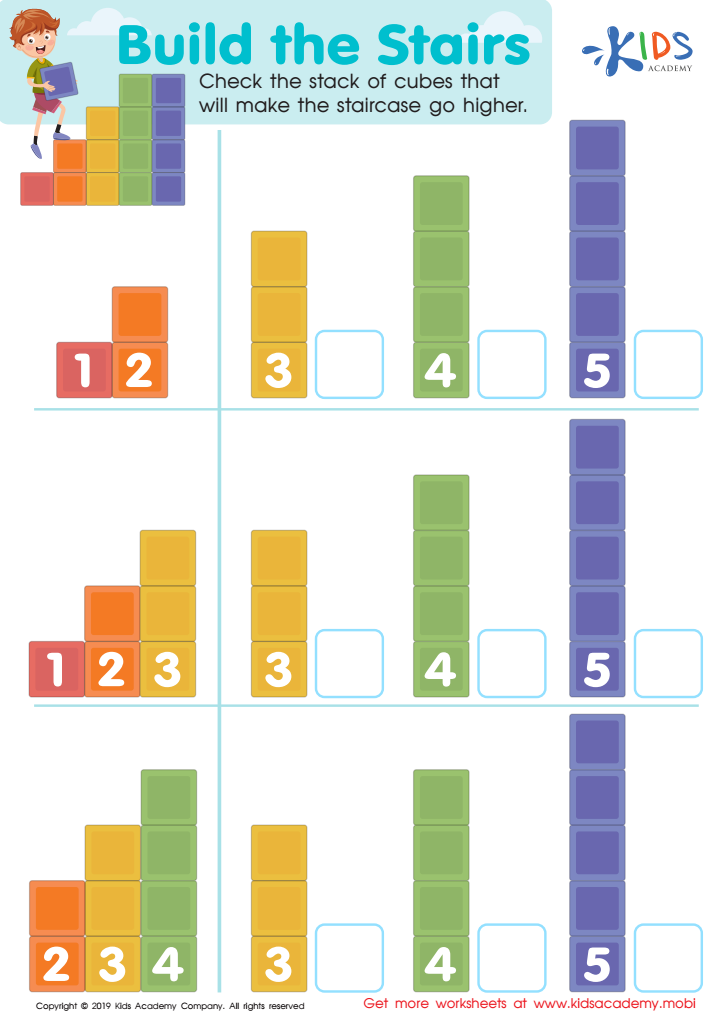
Build the Stairs Worksheet
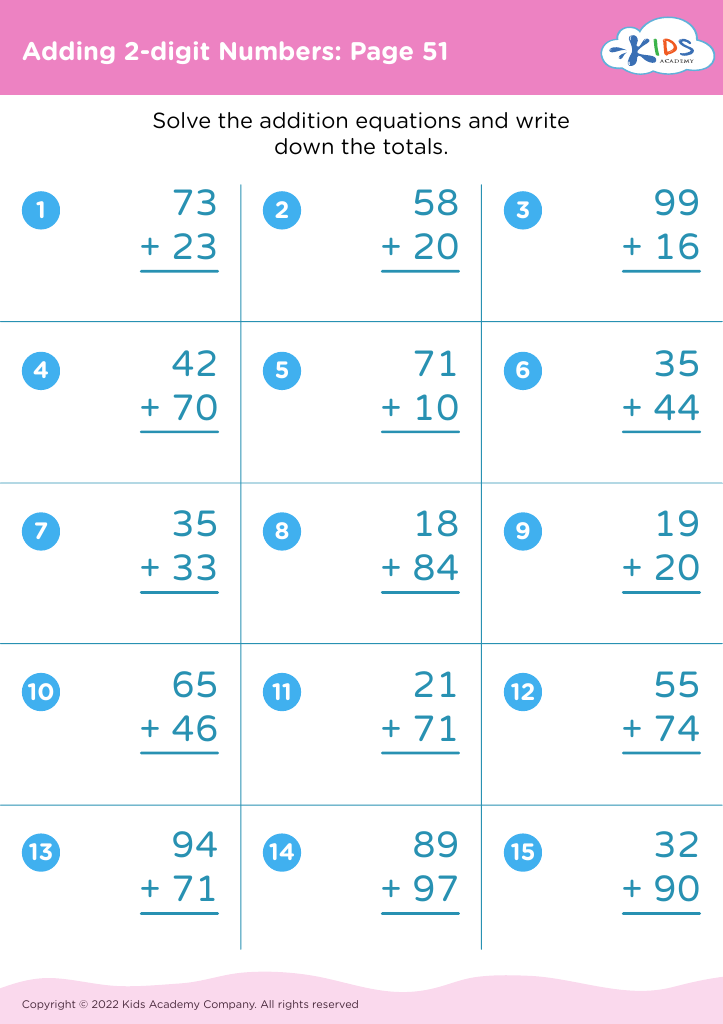
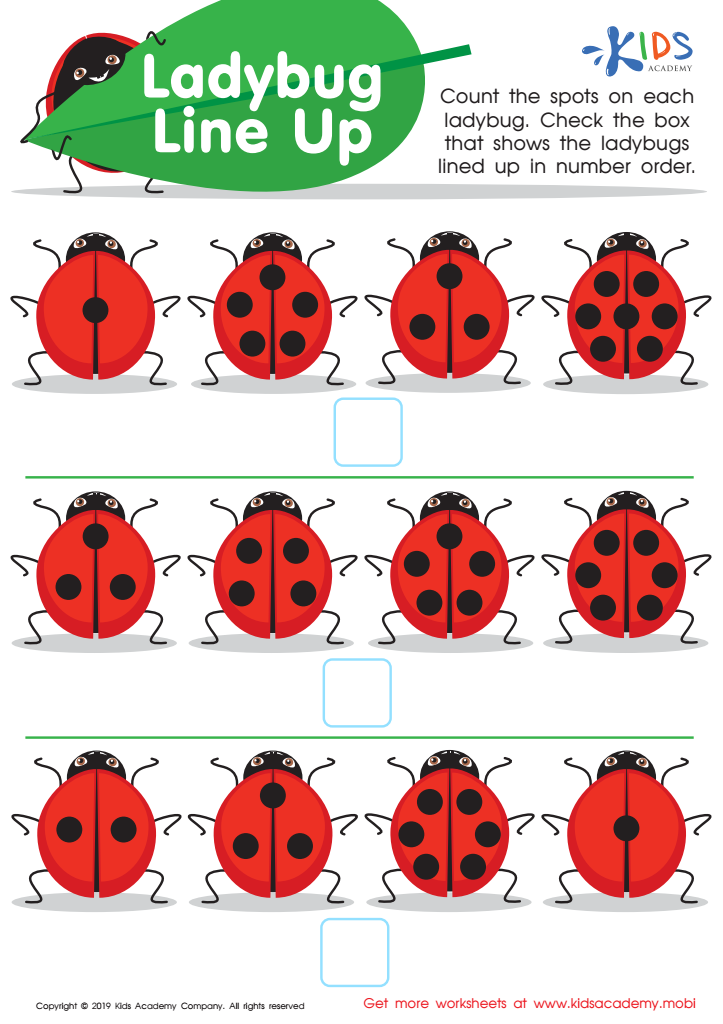
Ladybug Line Up Worksheet
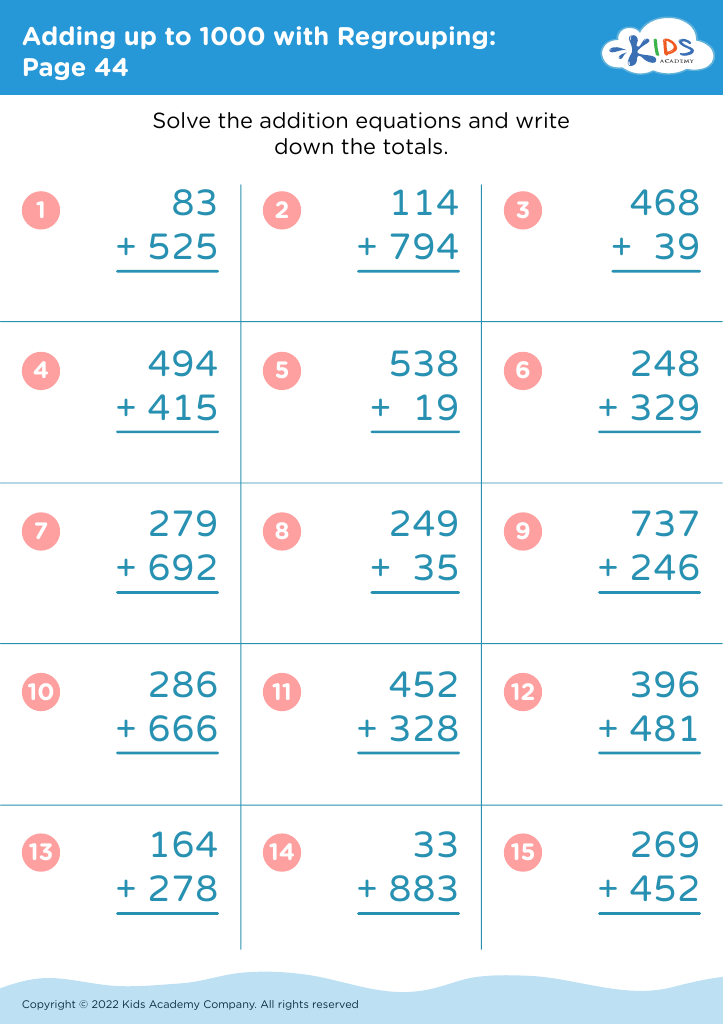







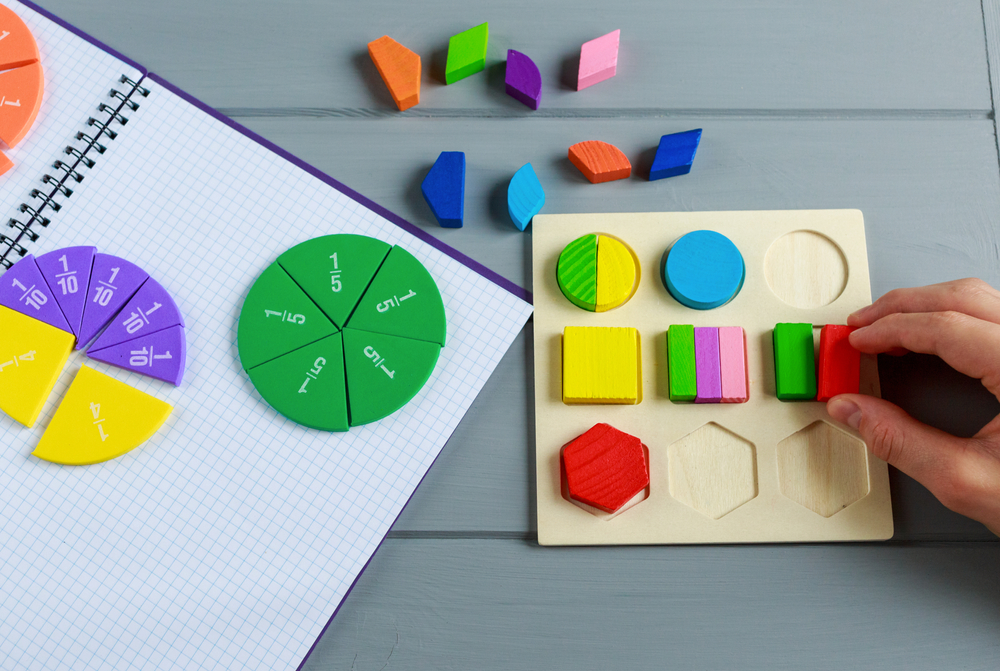
Understanding sequencing in math for children aged 3-9 is foundational for their overall cognitive development and future academic success. Sequencing—understanding the order of numbers, events, or steps—helps build essential problem-solving and critical thinking skills. For young learners, grasping the concept of "first, next, and last" lays the groundwork for more complex mathematical understanding, such as addition, subtraction, and patterns.
Parents and teachers play a crucial role in fostering these skills because children at this age are developing their neural connections at a rapid pace. Introducing sequencing through engaging activities like storytelling, daily routines, or simple number games bolsters children's ability to predict, organize, and logically approach tasks. Moreover, sequencing aids in language development; it helps kids understand chronological order in stories and improves their ability to communicate clearly and effectively.
By valuing and reinforcing sequencing skills, parents and teachers enrich children’s experiences in both academic settings and daily life. Cognitive benefits aside, mastering sequencing enhances children's confidence and independence, giving them the tools they need to succeed in school and beyond. Investing in these early skills paves the way for lifelong learning and critical thinking abilities.








