Visual perception Math Worksheets for Ages 3-9 - Page 3
57 filtered results
-
From - To
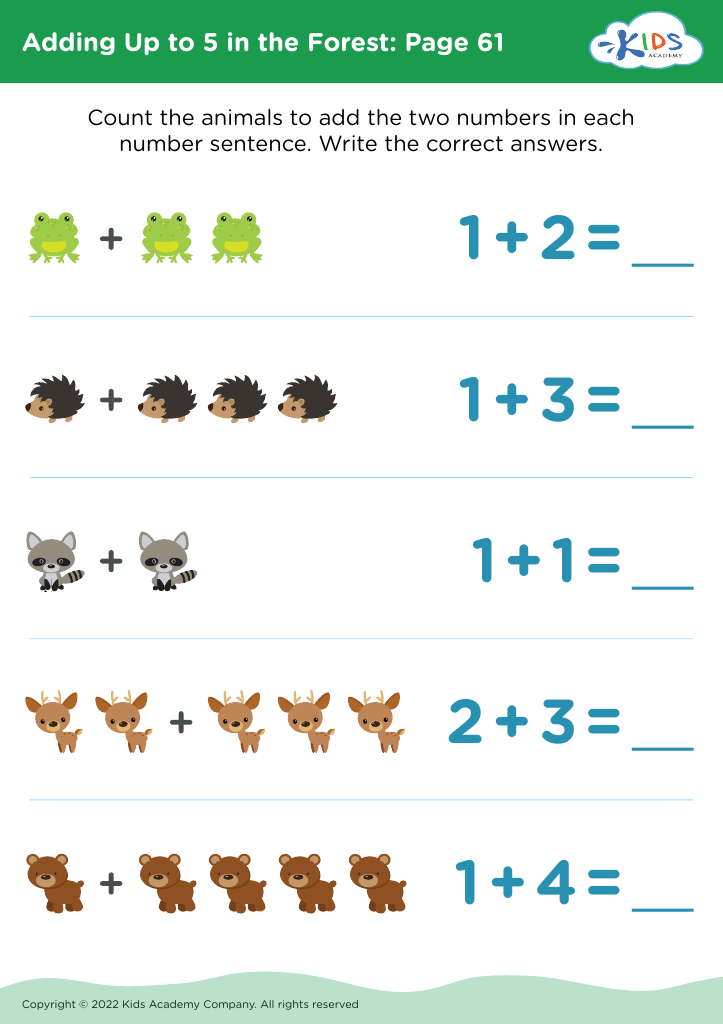
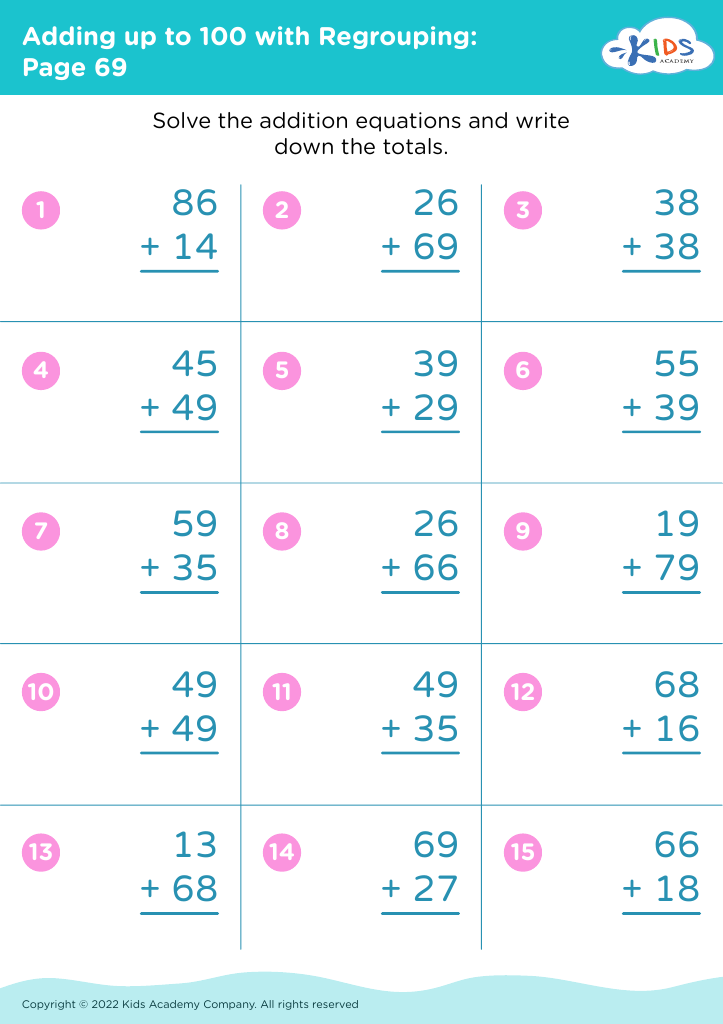
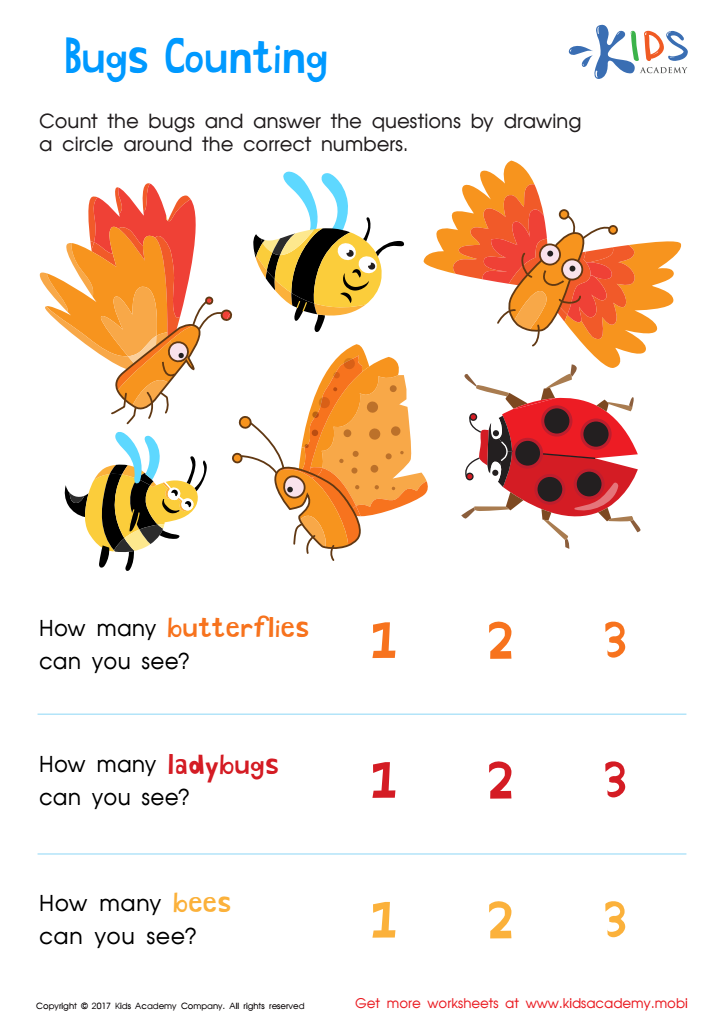
Bugs Counting Worksheet
 Assign to My Students
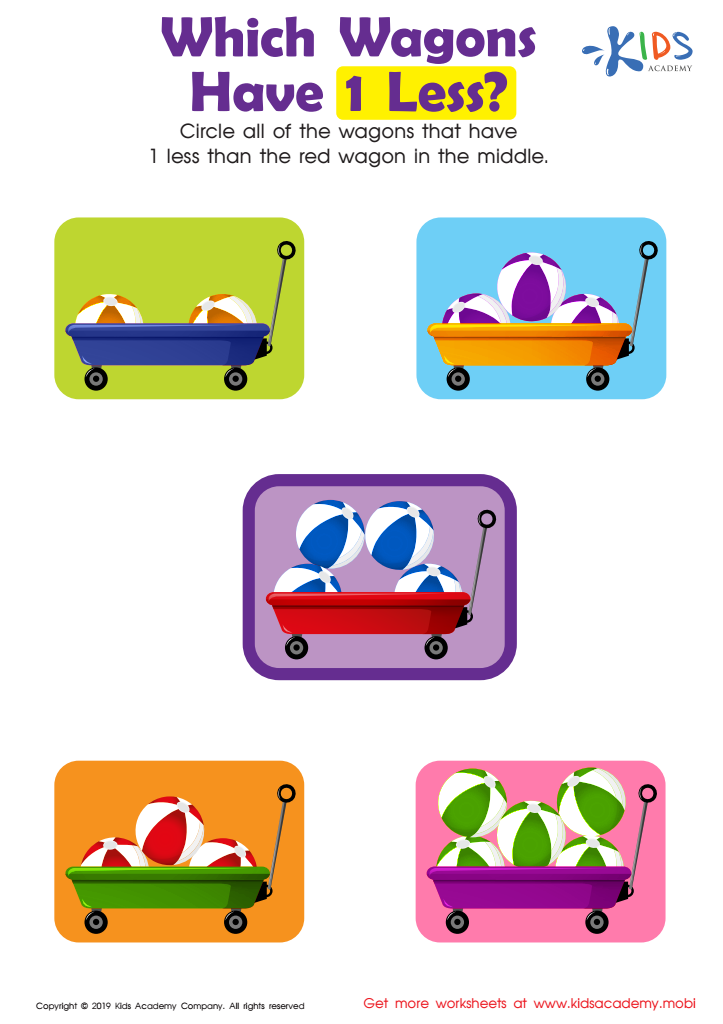
Which Wagons Have 1 Less? Worksheet
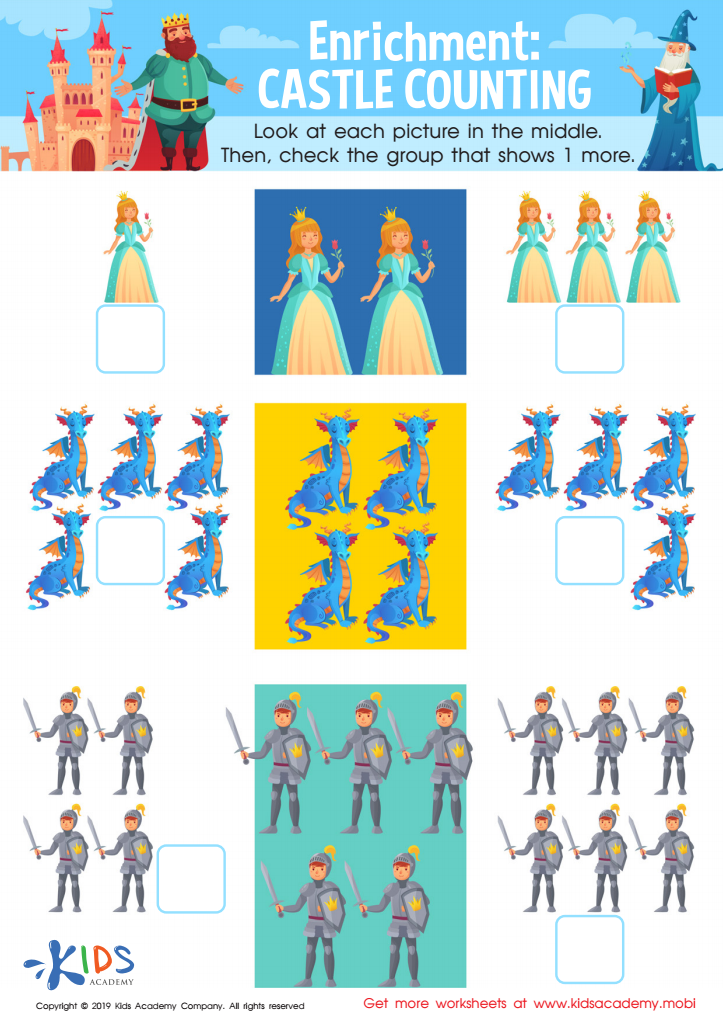
Enrichment: Castle Counting Worksheet

Count and Match Vegetables 1 – 5 Math Worksheet
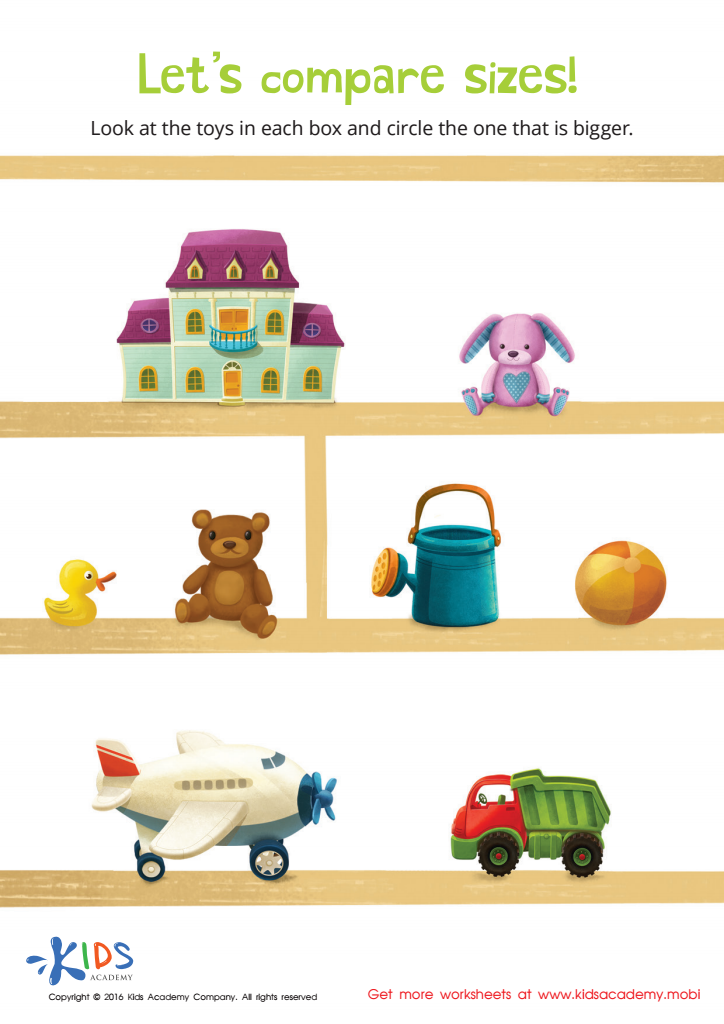
Classifying by Size Sorting Worksheet
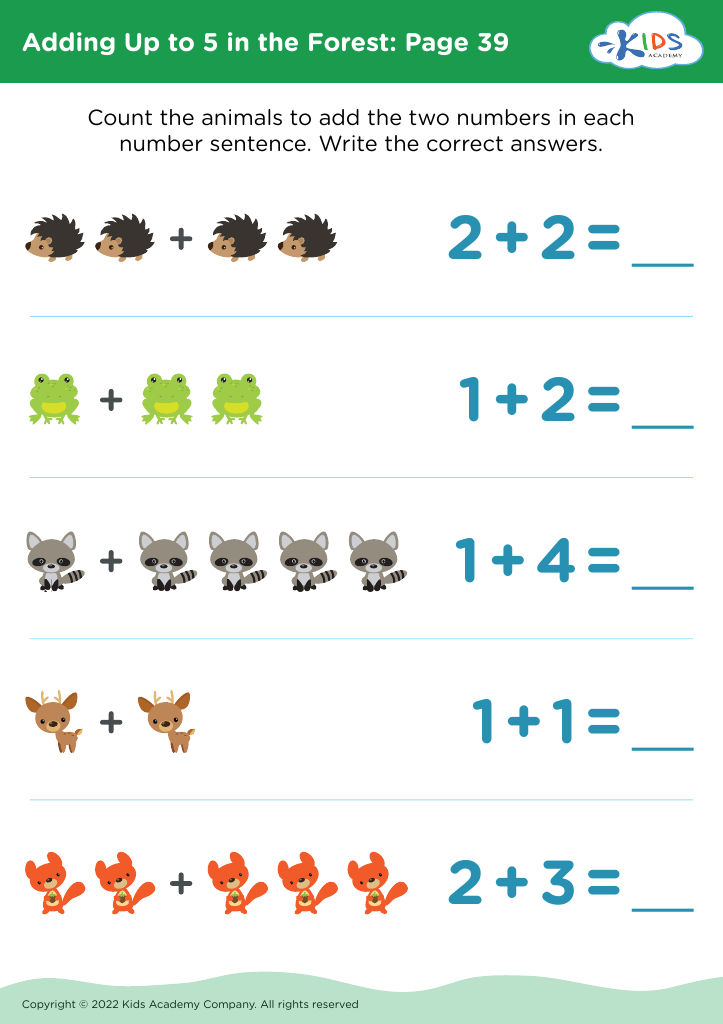








Visual perception math skills are foundational for children ages 3-9 as they significantly impact a child's overall math ability and academic success. Visual perception involves the ability to interpret and make sense of visual information, which is crucial for understanding numerical concepts, shapes, patterns, and spatial relationships in math.
For parents and teachers, fostering these skills helps children develop essential abilities such as recognizing numbers, understanding size and quantity, sorting objects, and solving problems. Engaging young learners in visual perception exercises enhances their ability to visualize mathematical concepts, paving the way for more complex calculations and critical thinking as they progress in their education.
Furthermore, strong visual perception skills can build confidence in young learners, making them more willing to engage with and enjoy math activities. As math is a core subject in education, a solid foundation in these skills contributes to better performance not only in math but across subjects that require problem-solving and analytical thinking. By nurturing visual perception in early learners, parents and teachers play a vital role in shaping their future academic success and fostering a positive attitude towards learning and discovery.








