Fine Motor Skills Numbers 0–10 Worksheets for Ages 3-9 - Page 2
48 filtered results
-
From - To

Eight Geese Worksheet
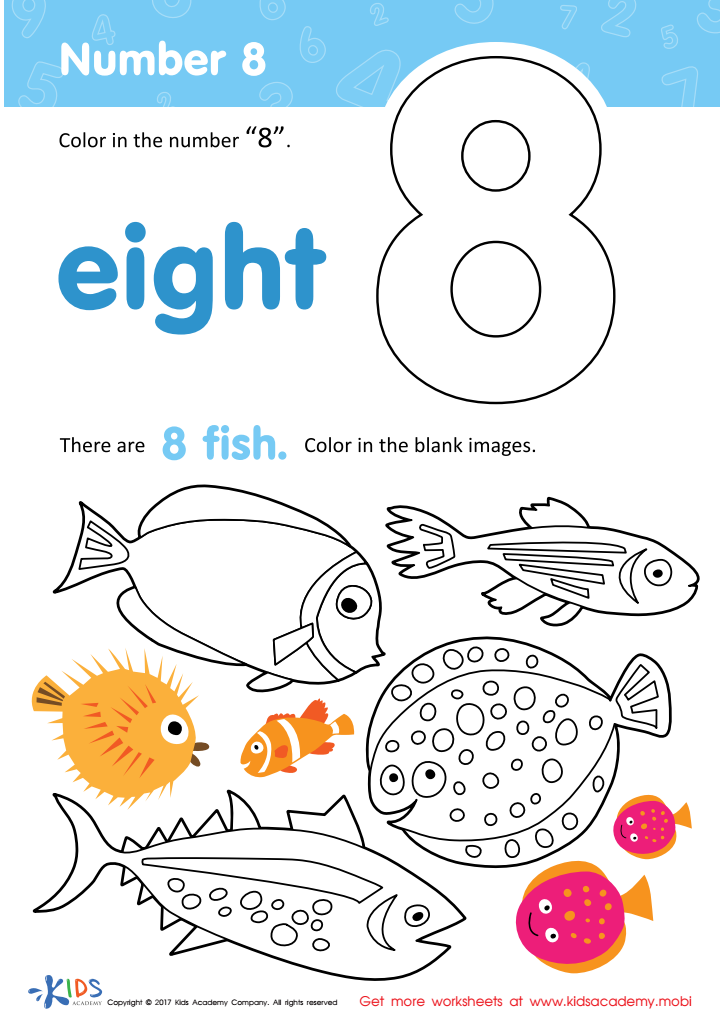
Number 8 Printable
 Assign to My Students
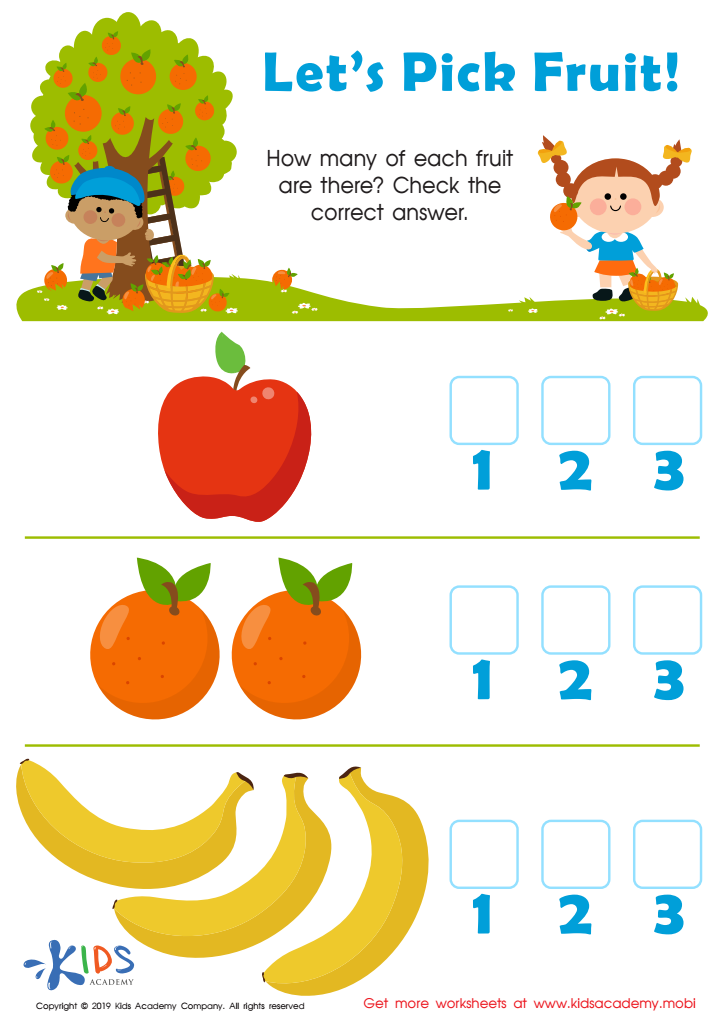
Let's Pick Fruit Worksheet
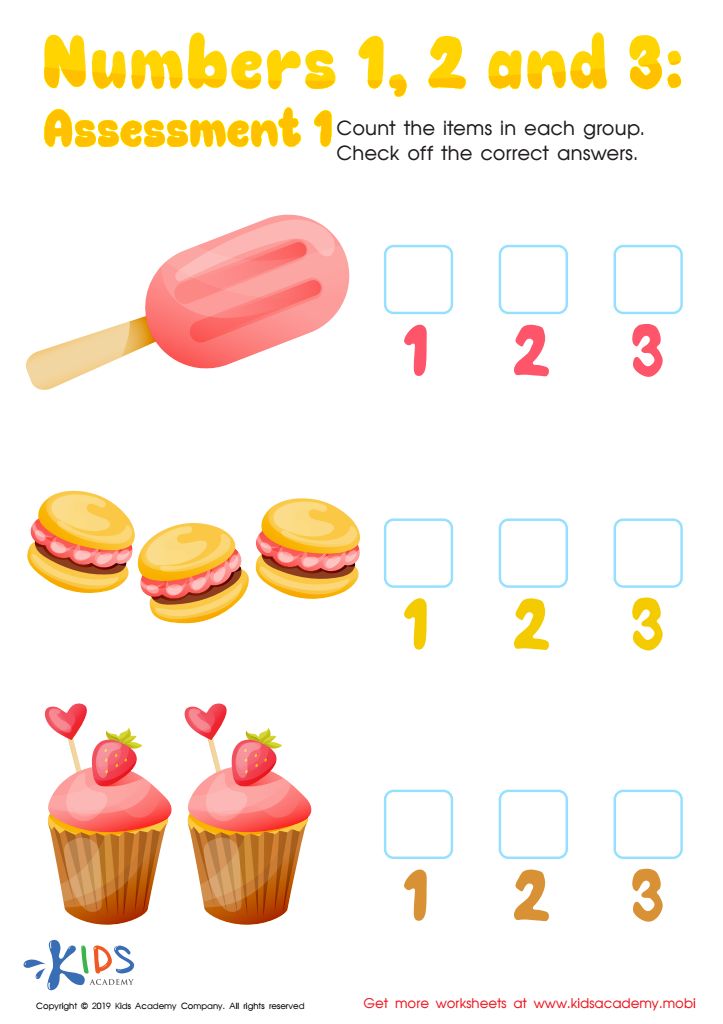
Numbers 1, 2 and 3: Assessment 1 Worksheet

Underwater Adventure Worksheet
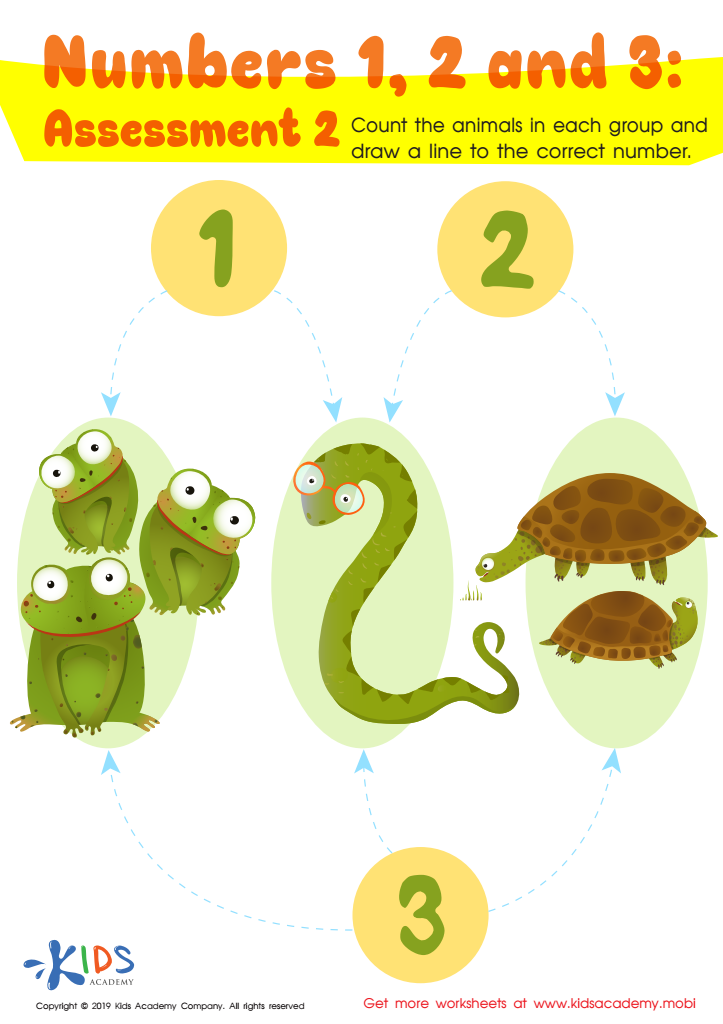
Numbers 1, 2 and 3: Assessment 2 Worksheet
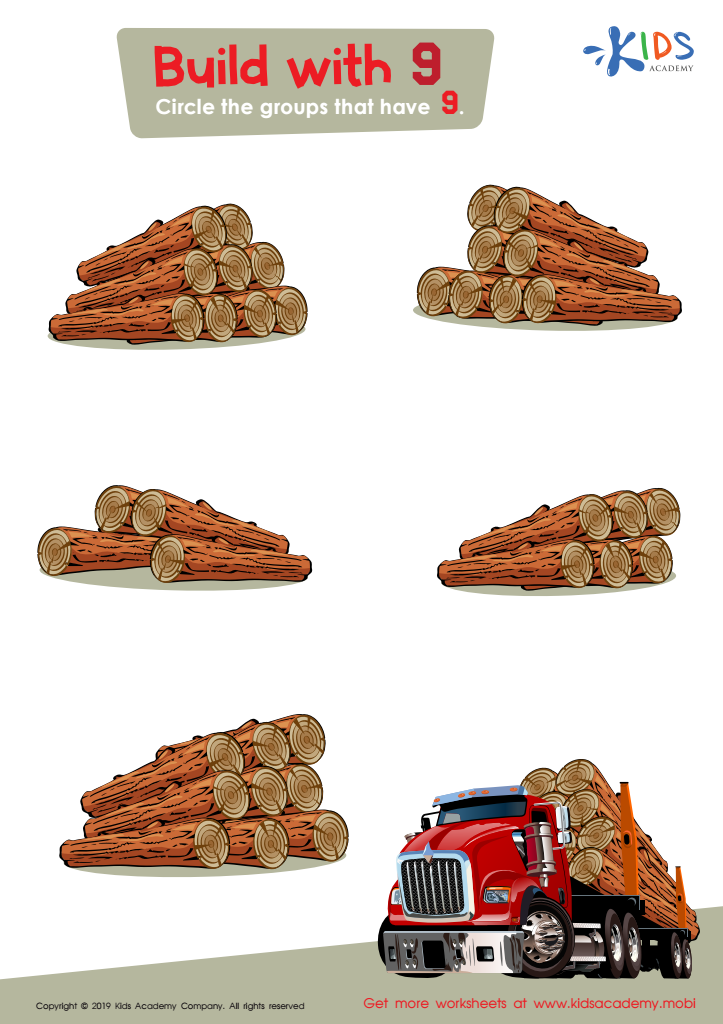
Build with 9 Worksheet
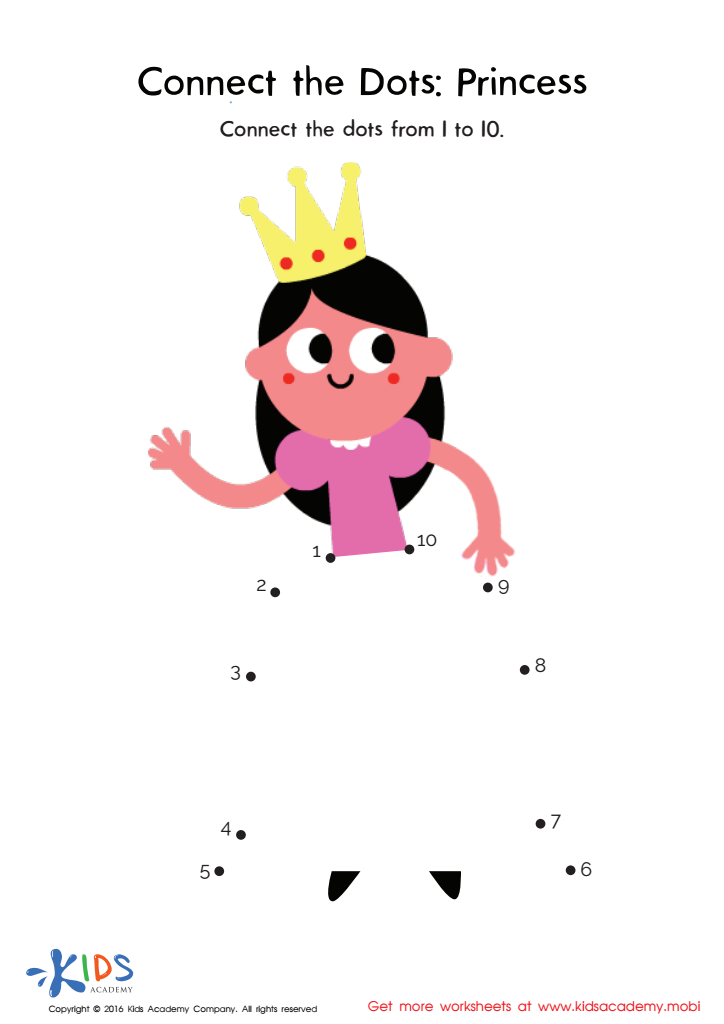
Princess Connect Dots Worksheet
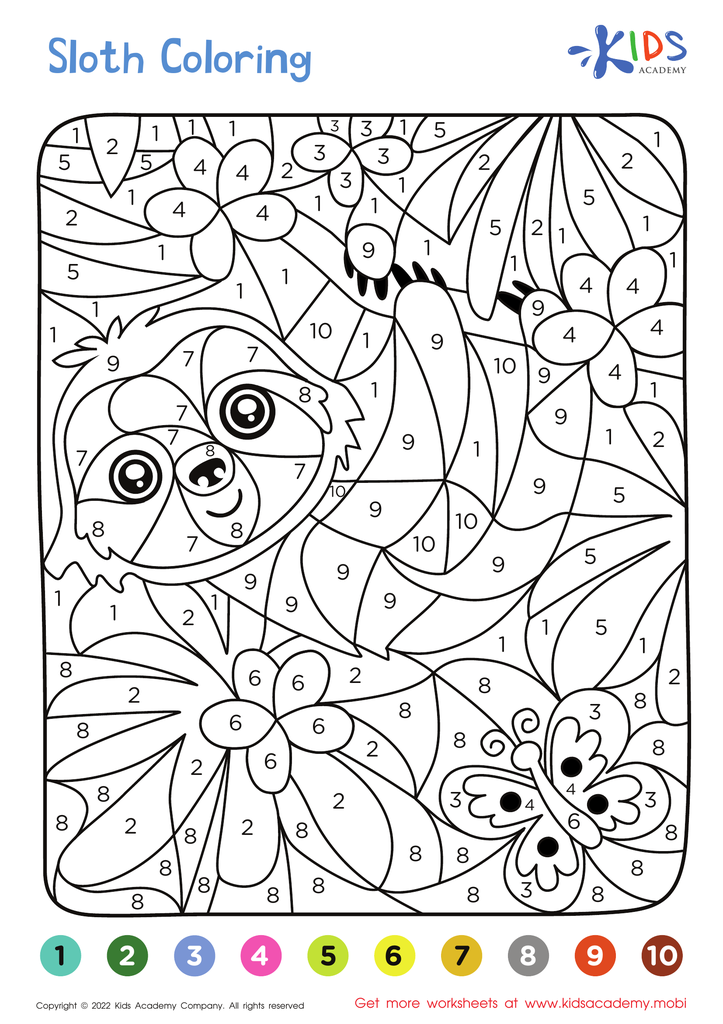
Sloth – Coloring by Numbers
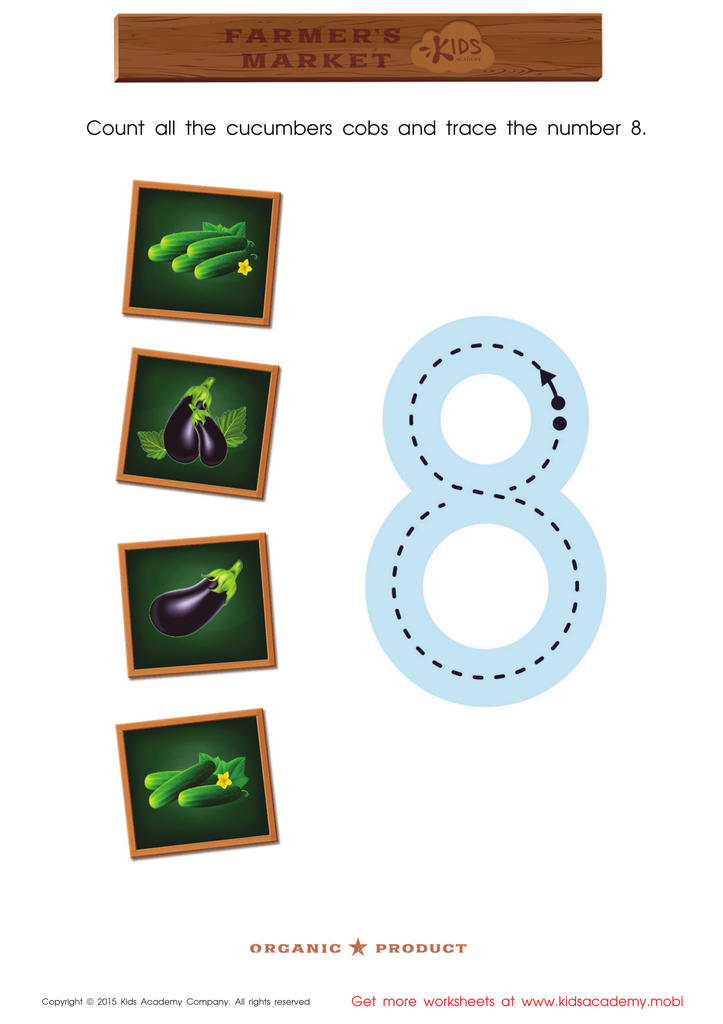
Count the Cucumbers and Trace the Number 8 Printable
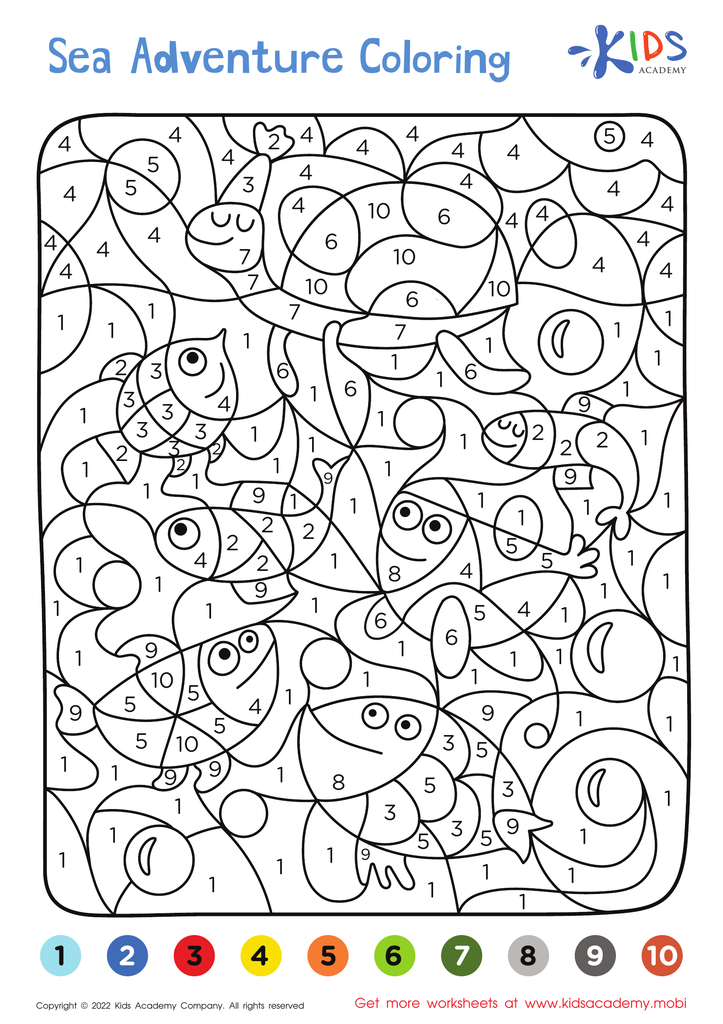
Sea Adventure – Coloring by Numbers
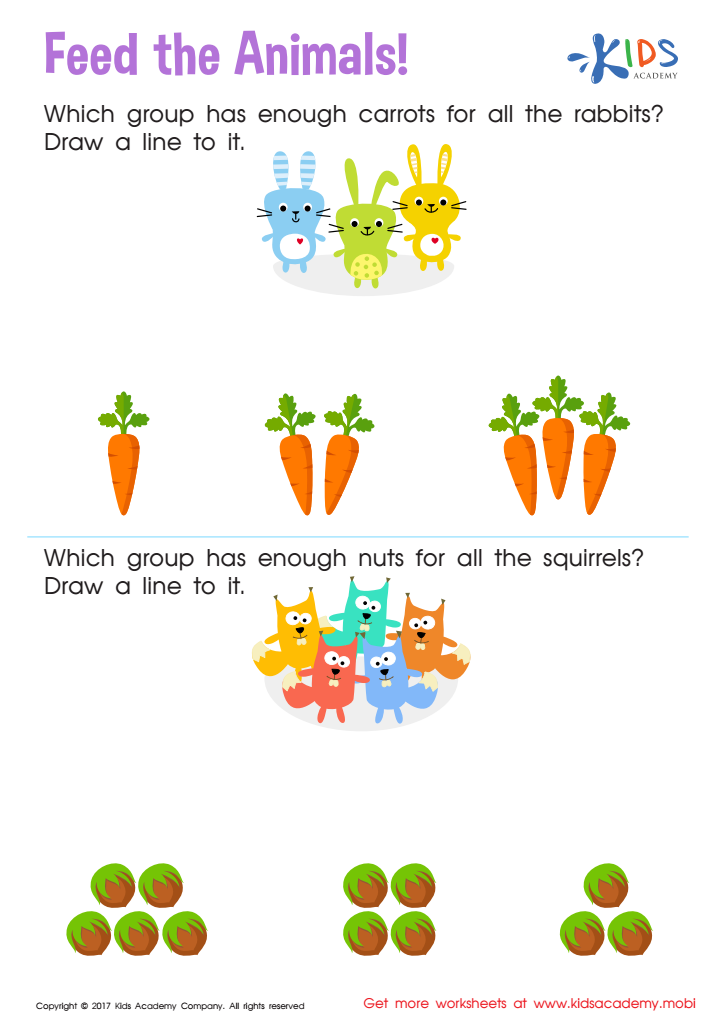
Count and Match: Feed the Animals Worksheet
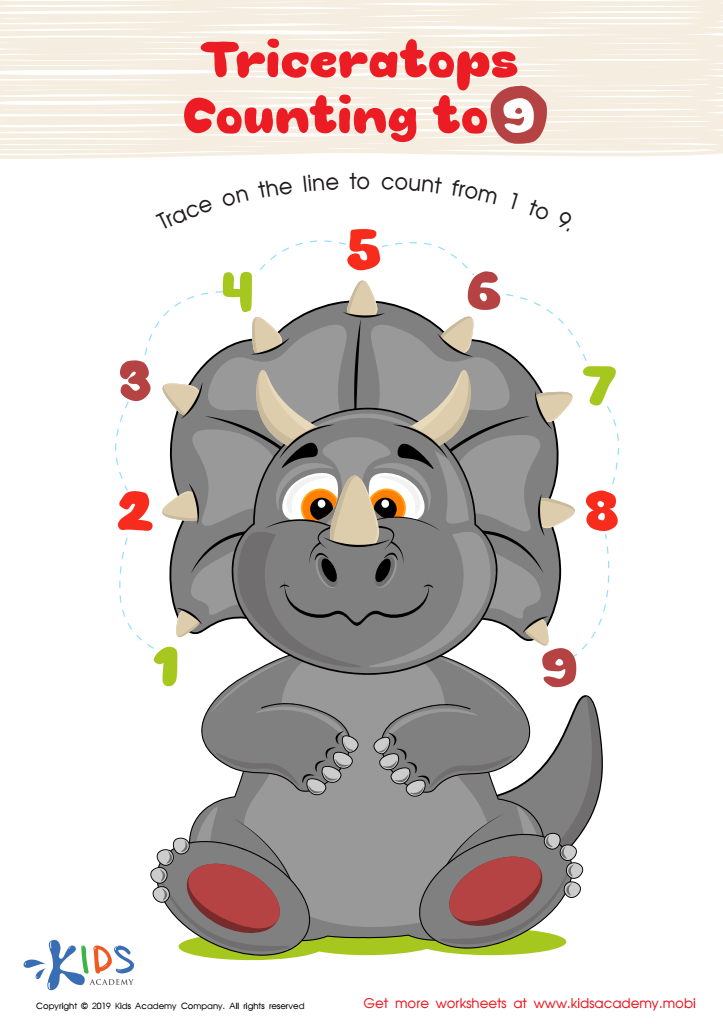
Triceratops Counting to 9 Worksheet
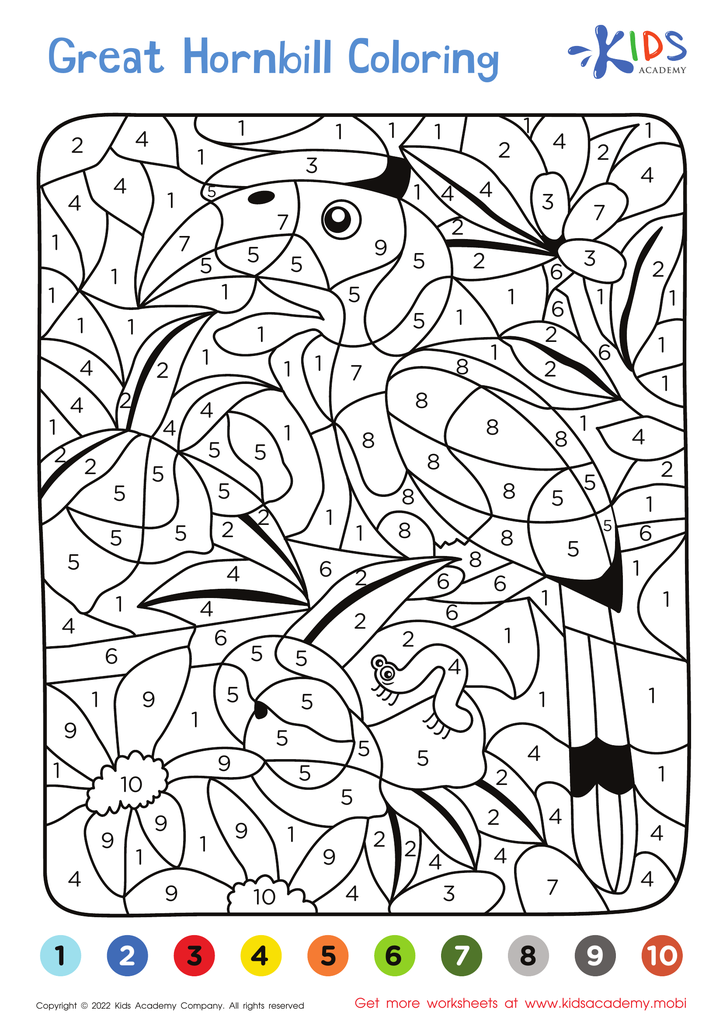
Great Hornbill – Coloring by Numbers
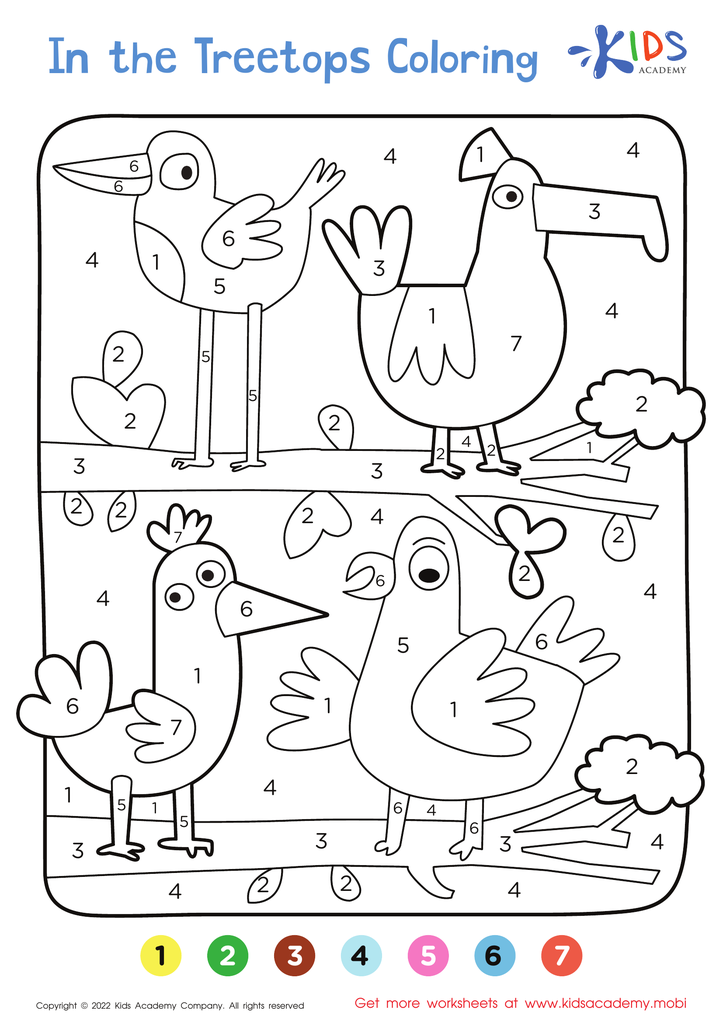
In the Treetops – Coloring Page
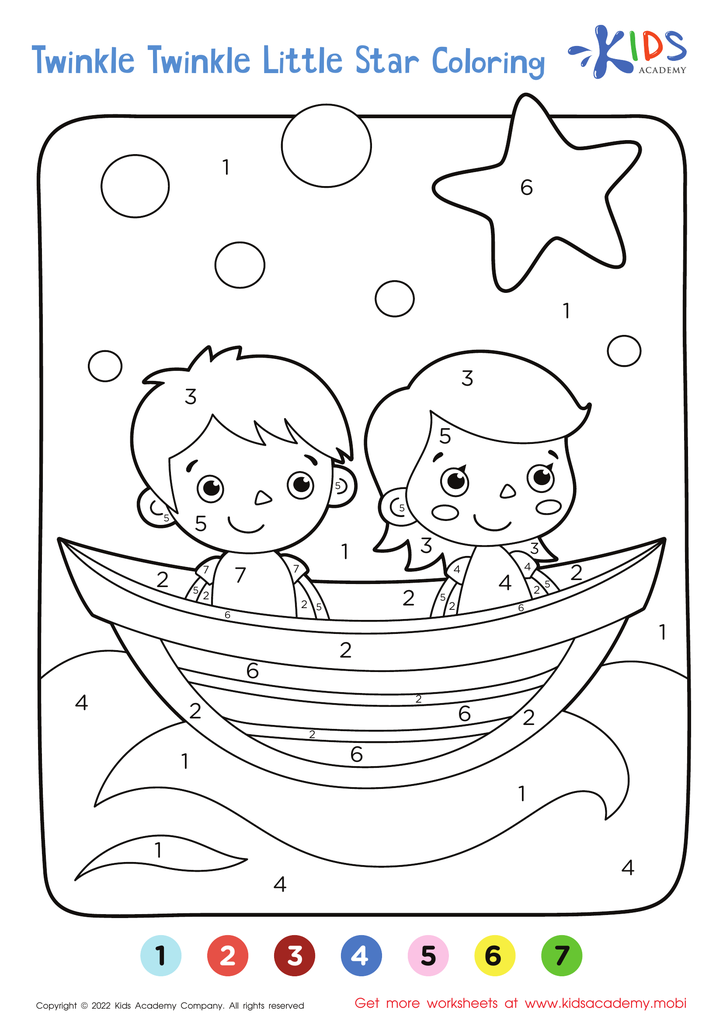
Twinkle, Twinkle, Little Star – Coloring by Numbers
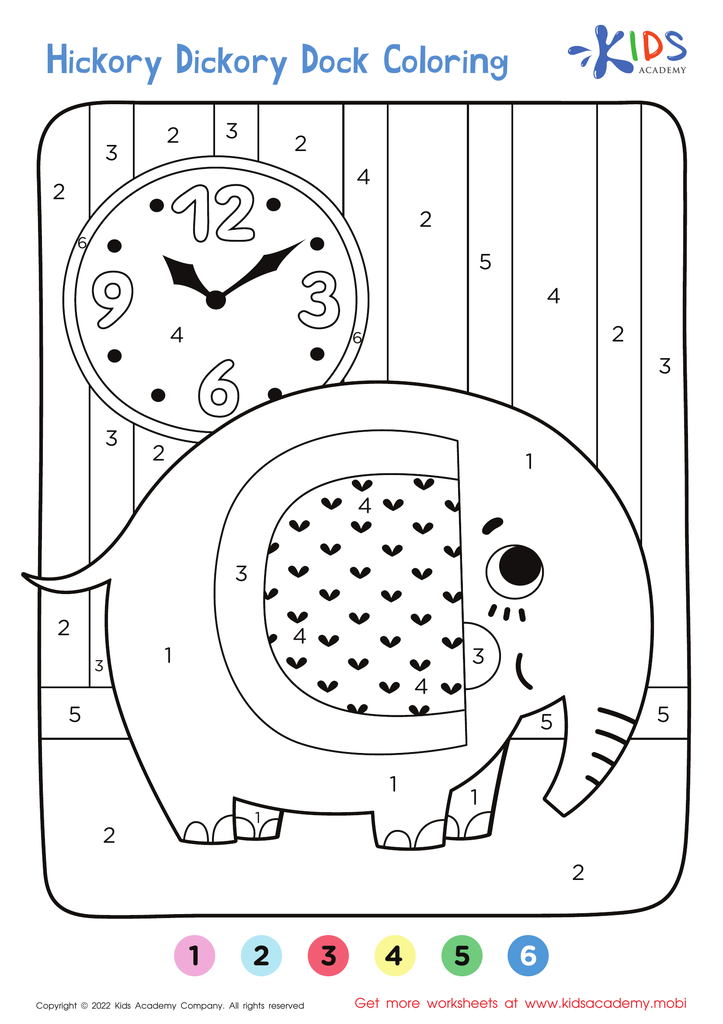
Hickory Dickory Dock – Coloring by Numbers
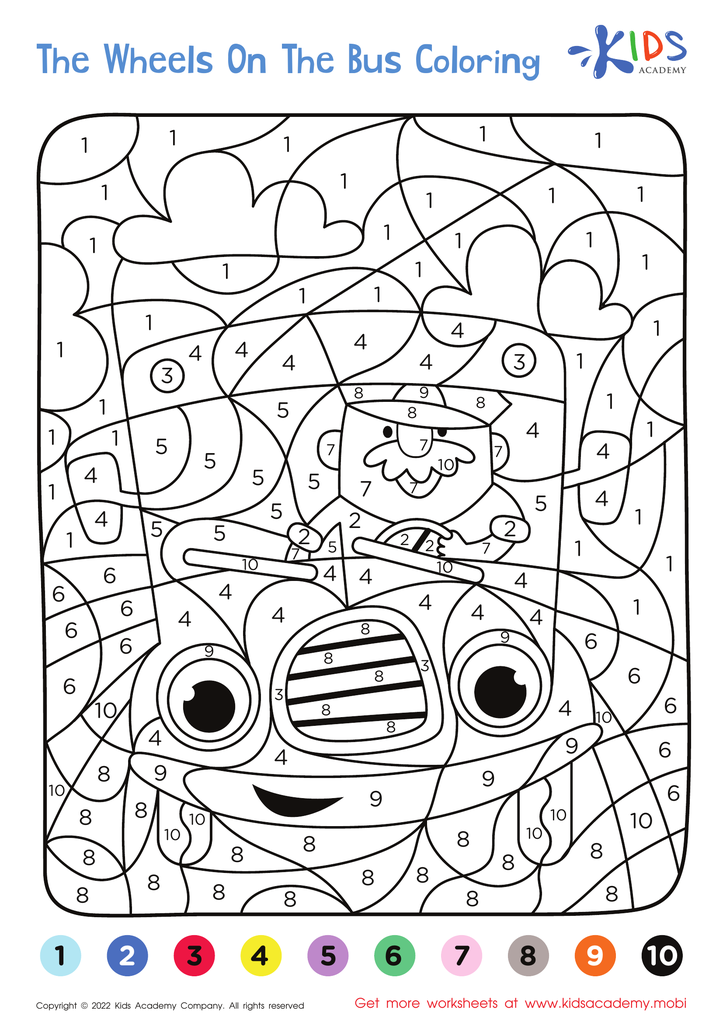
Wheels on the Bus – Coloring by Numbers

Night Sky Numbers Worksheet
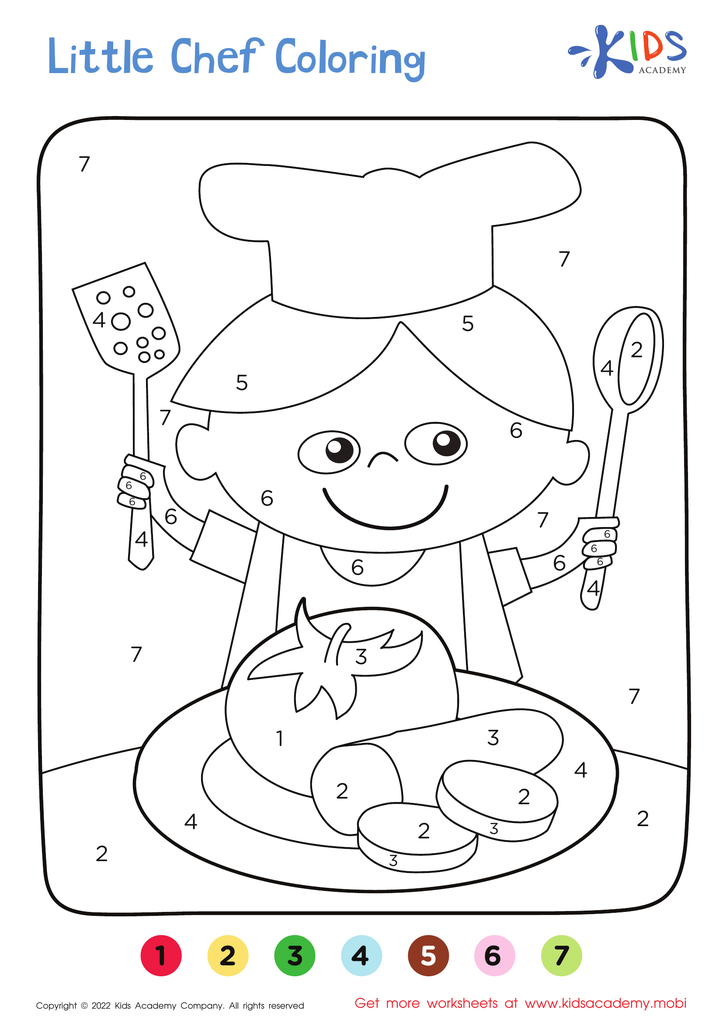
Little Chef – Coloring by Numbers
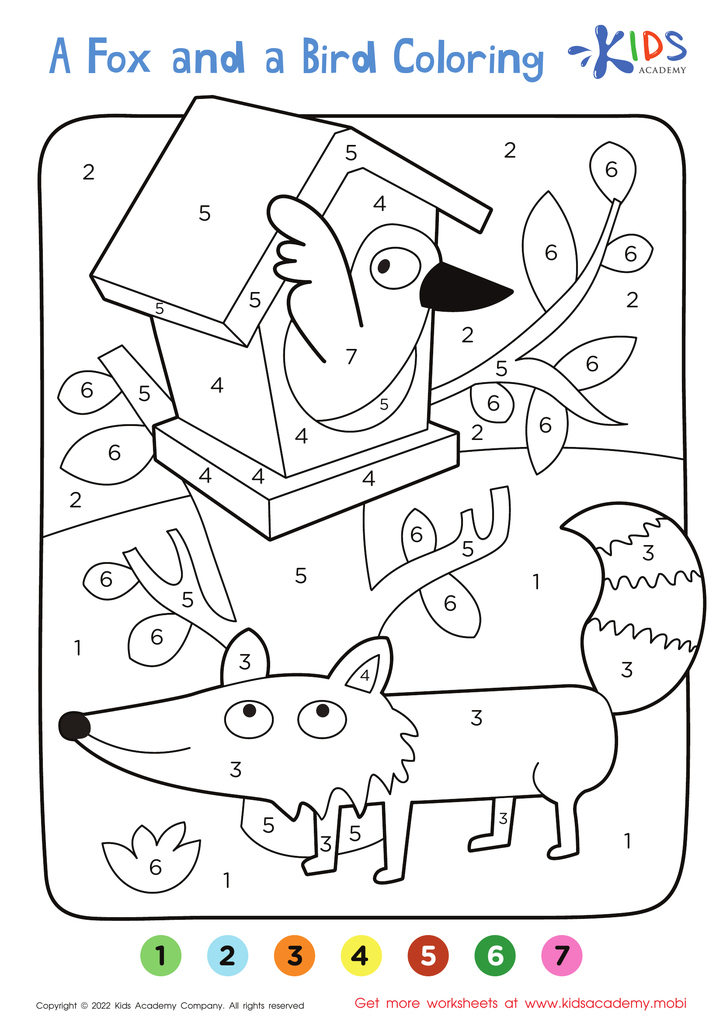
A Fox and a Bird – Coloring by Numbers
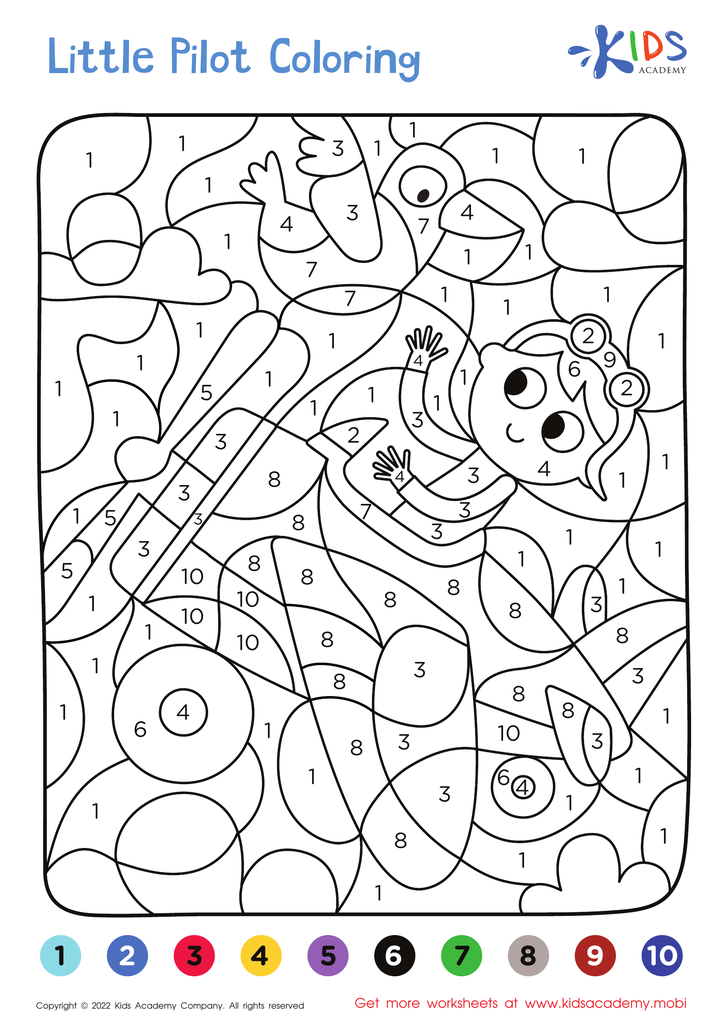
Little Pilot – Coloring by Numbers
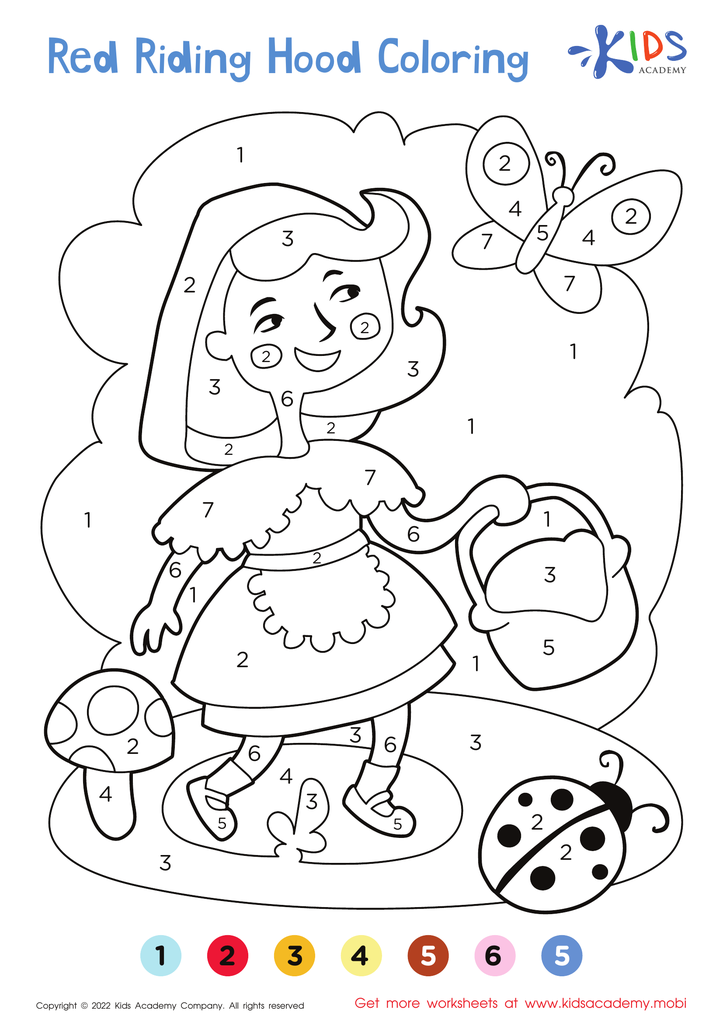
Little Red Riding Hood – Coloring by Numbers
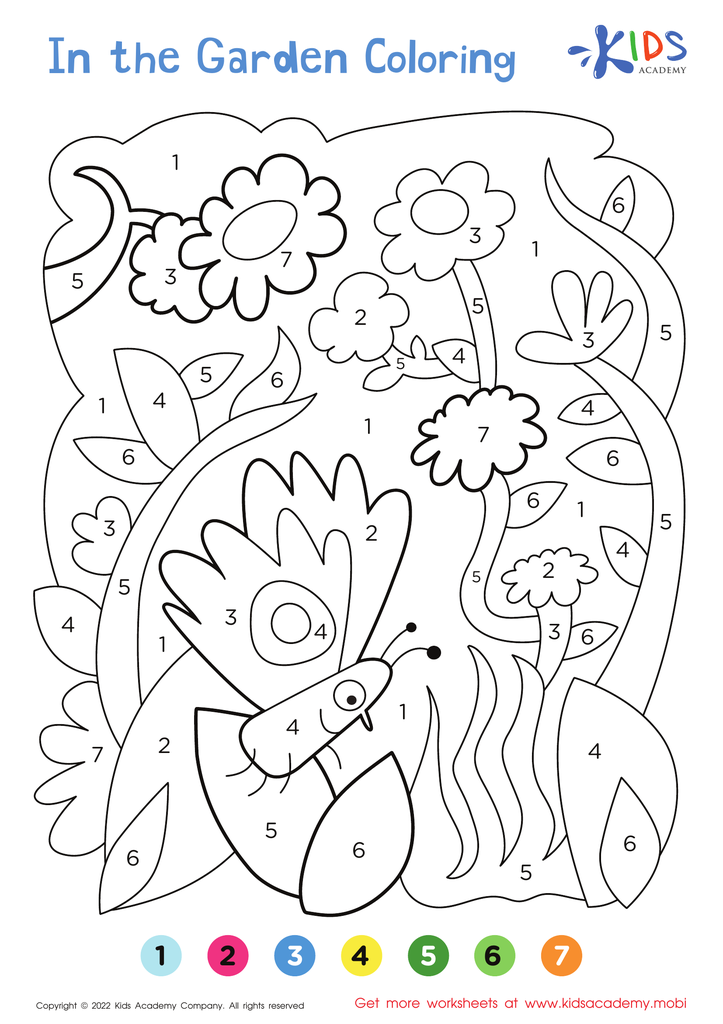
In the Garden – Coloring by Numbers





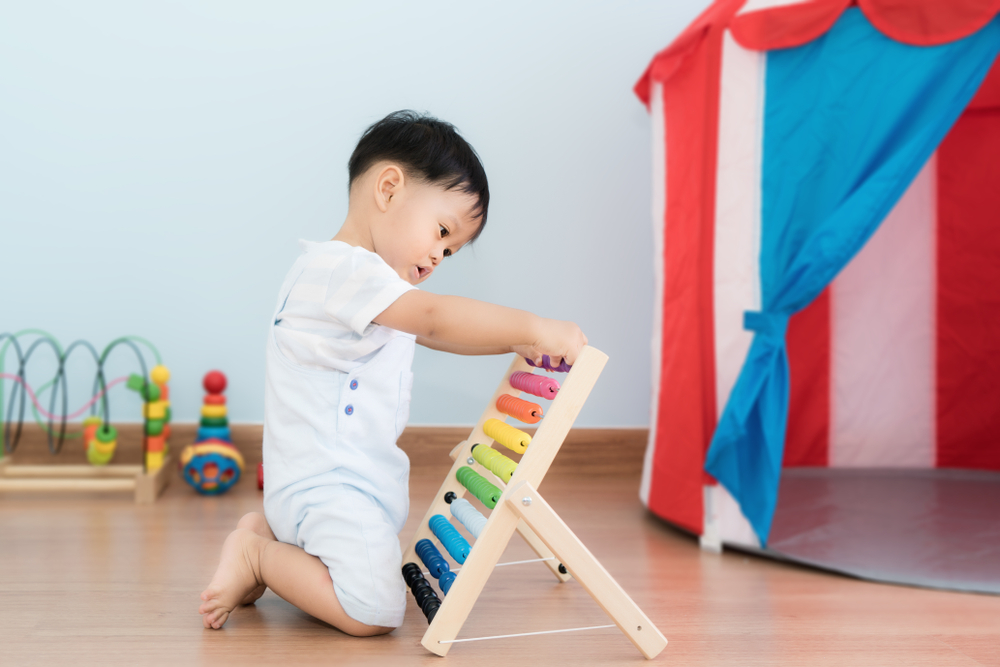


Fine motor skills development is integral for children aged 3–9, especially in relation to learning and recognizing numbers 0–10. Parents and teachers should care about these skills because they underlie essential everyday tasks and early academic success. Fine motor skills involve the coordination of small muscles in the hands and fingers, allowing children to complete activities such as writing, cutting with scissors, and manipulating small objects.
When children practice writing numbers, they naturally enhance their fine motor coordination, grip strength, and hand-eye coordination. Activities like tracing numbers or using manipulatives like beads not only help them learn numerical concepts but also support the development of their dexterity.
Mastery of fine motor skills sets the foundation for kindergarten and primary school tasks requiring precise hand movements, such as drawing, typing, and art projects. Moreover, difficulties in fine motor skills can lead to frustration and decreased motivation, impacting a child’s self-esteem and academic performance.
By fostering these skills early, parents and teachers enable children to engage more confidently and independently in both school activities and daily life tasks. Therefore, focusing on fine motor skills development by integrating number-related activities into play can lead to broader developmental benefits, promoting overall readiness for future educational challenges.