Subtraction practice Subtraction Worksheets for Ages 3-9 - Page 2
36 filtered results
-
From - To
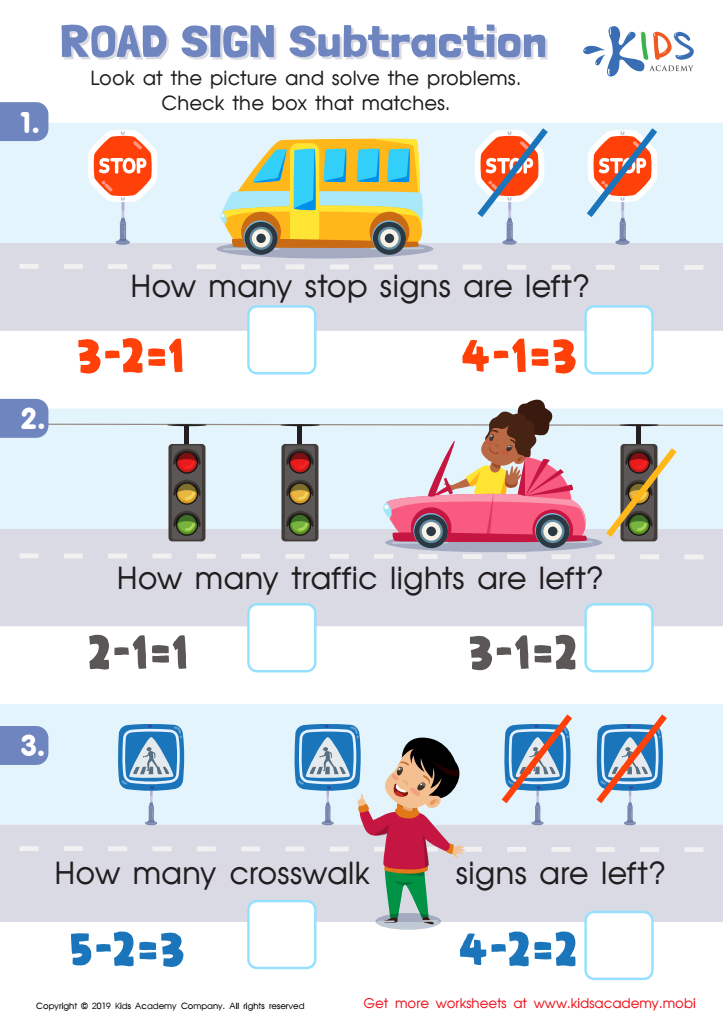
Road Sign Subtraction Worksheet
 Assign to My Students
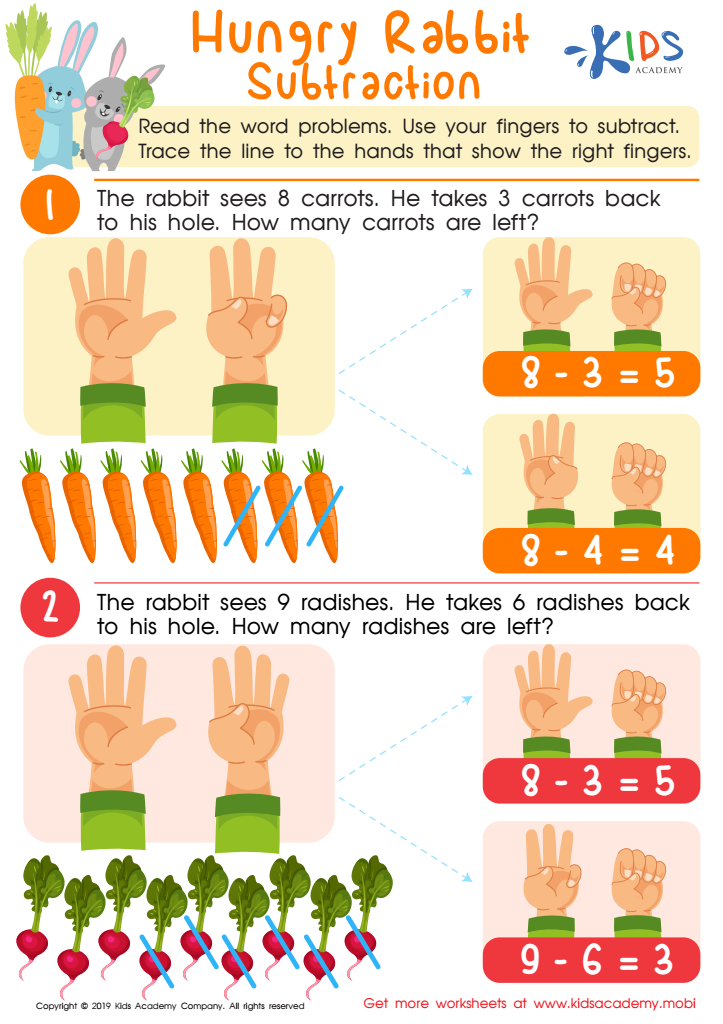
Hungry Rabbit Subtraction Worksheet
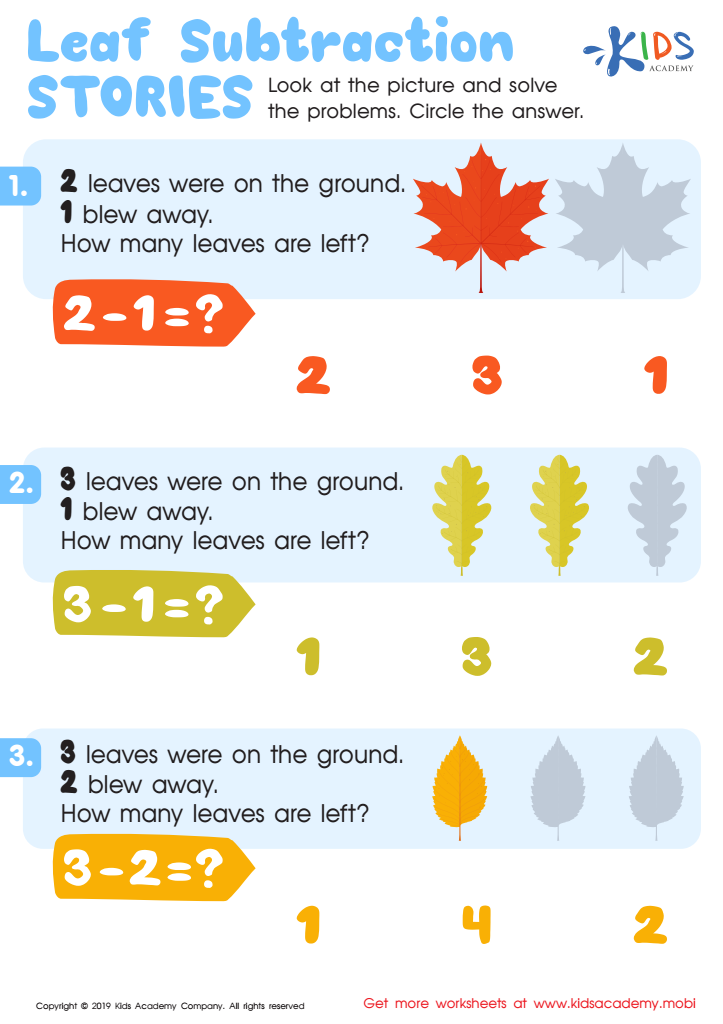
Leaf Subtraction Stories Worksheet
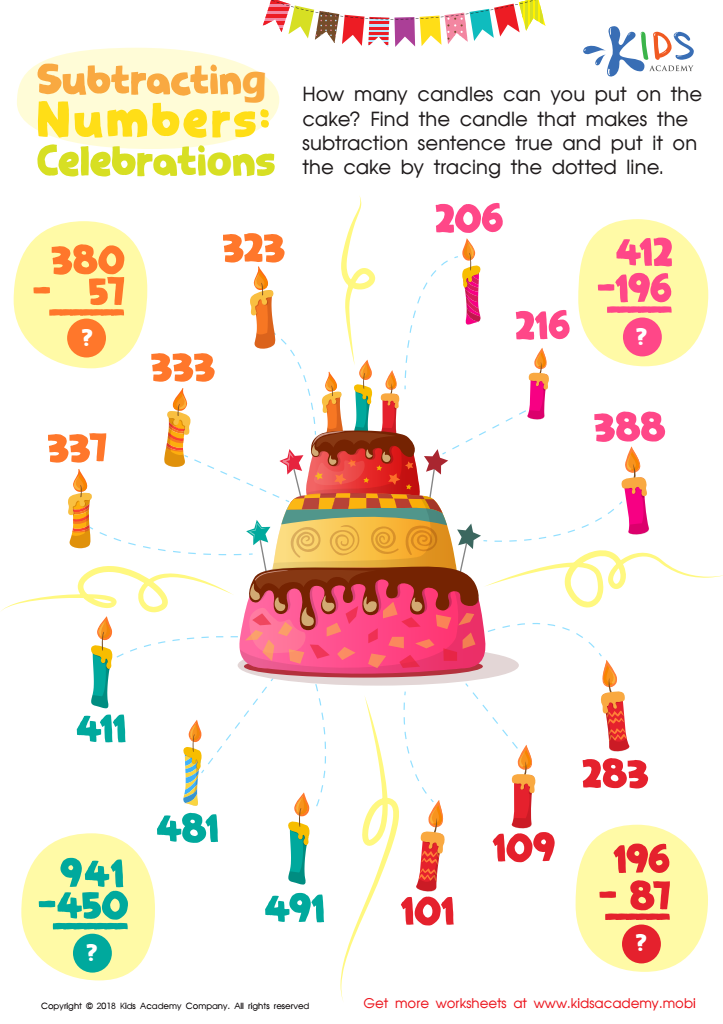
Subtracting Numbers: Celebrations Worksheet
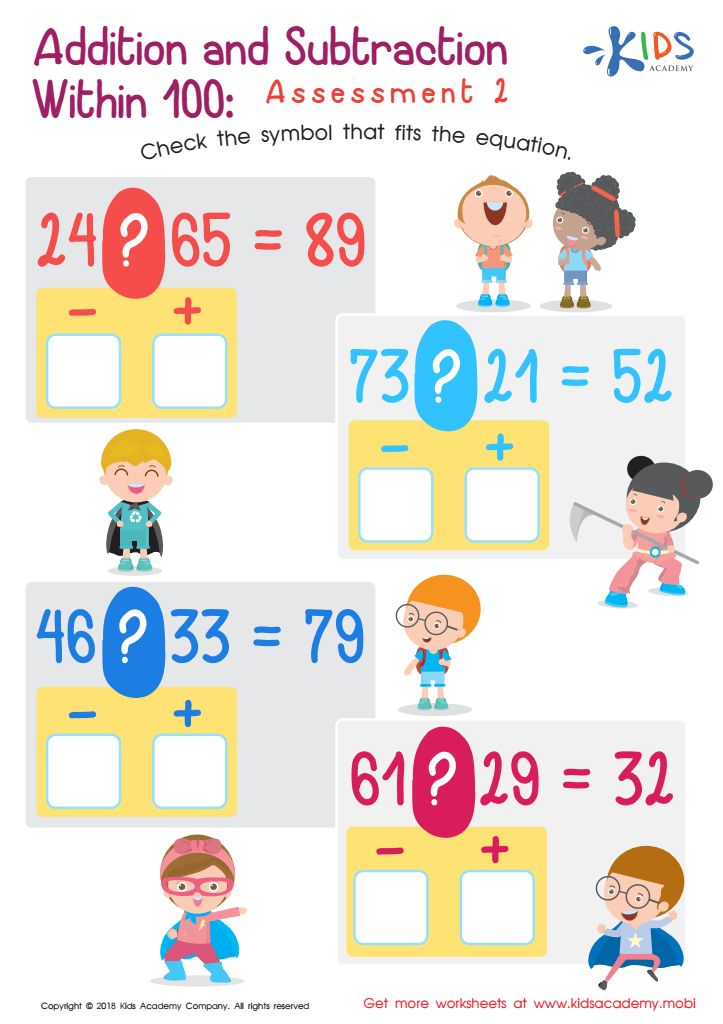
Addition and Subtraction Within 1: Assessment 2 Worksheet
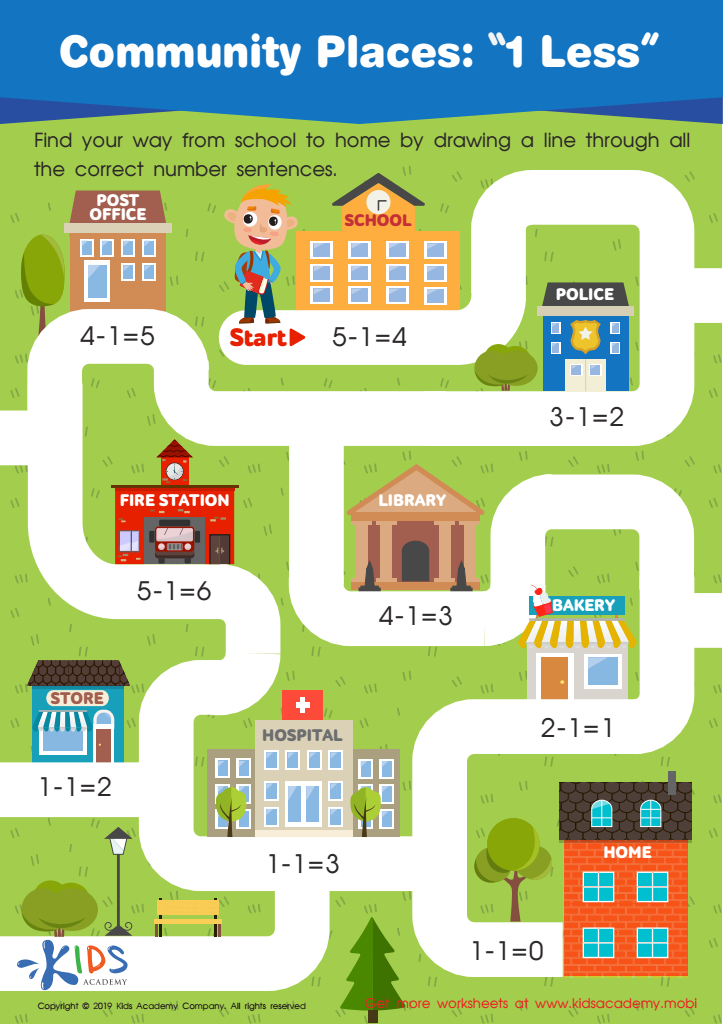
Community Places: 1 Less Worksheet
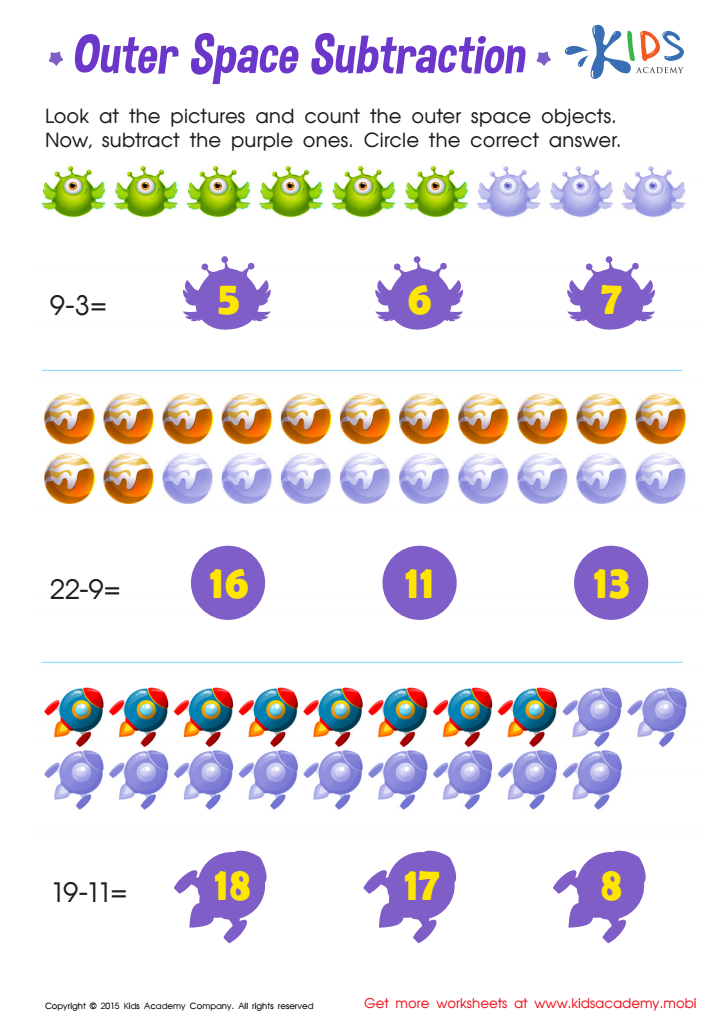
Outer Space Substraction Worksheet
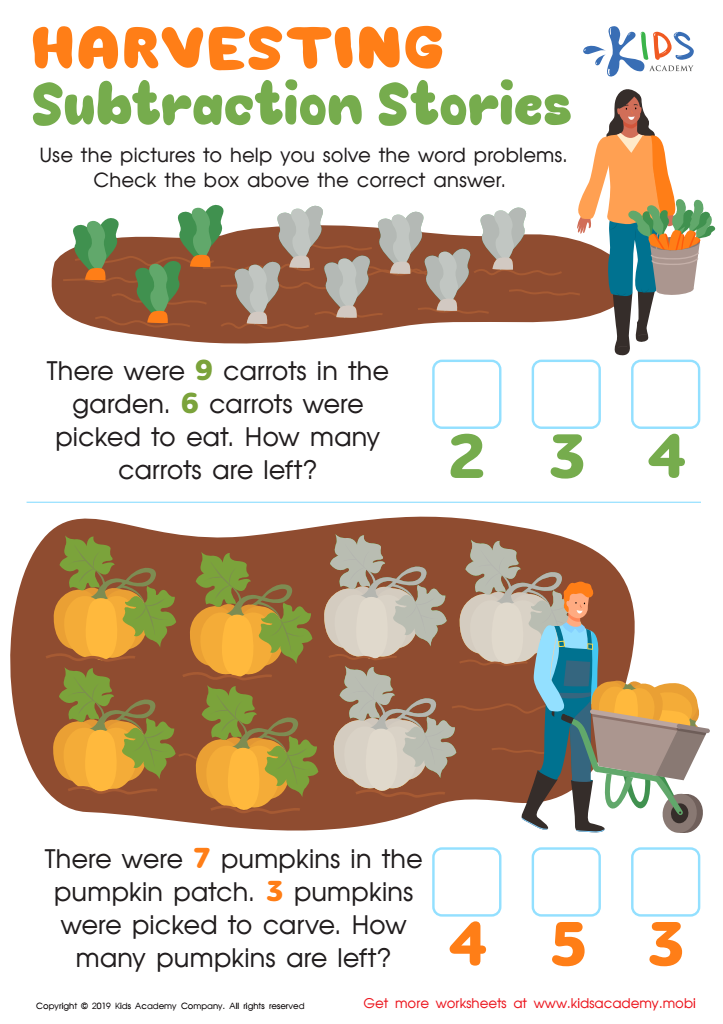
Harvesting Subtraction Stories Worksheet
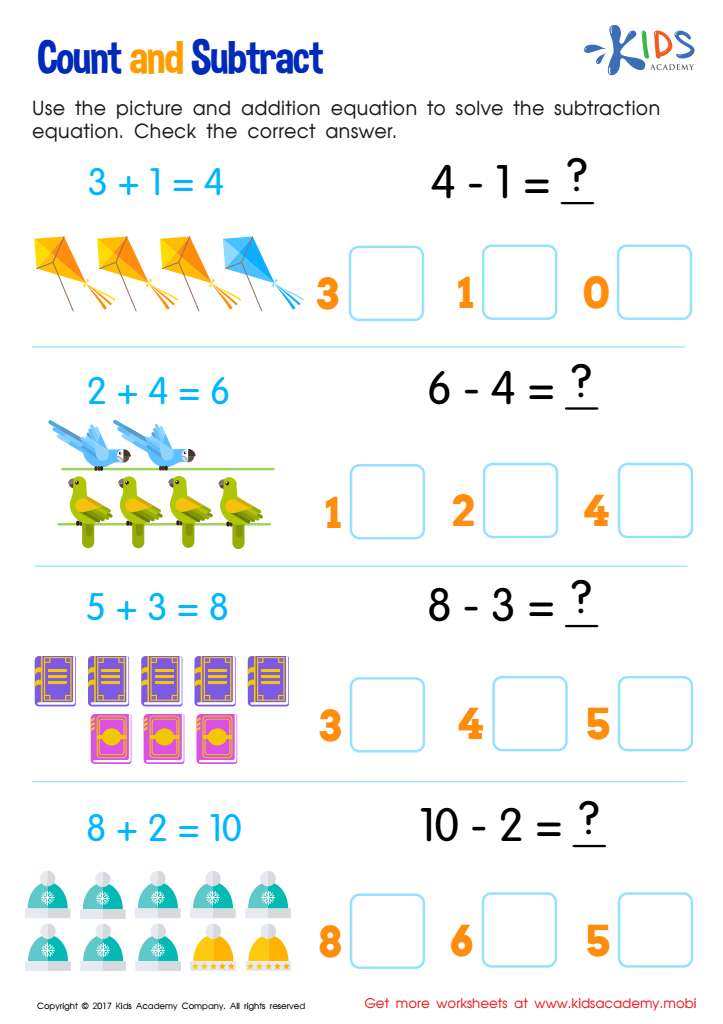
Count and Subtract Worksheet
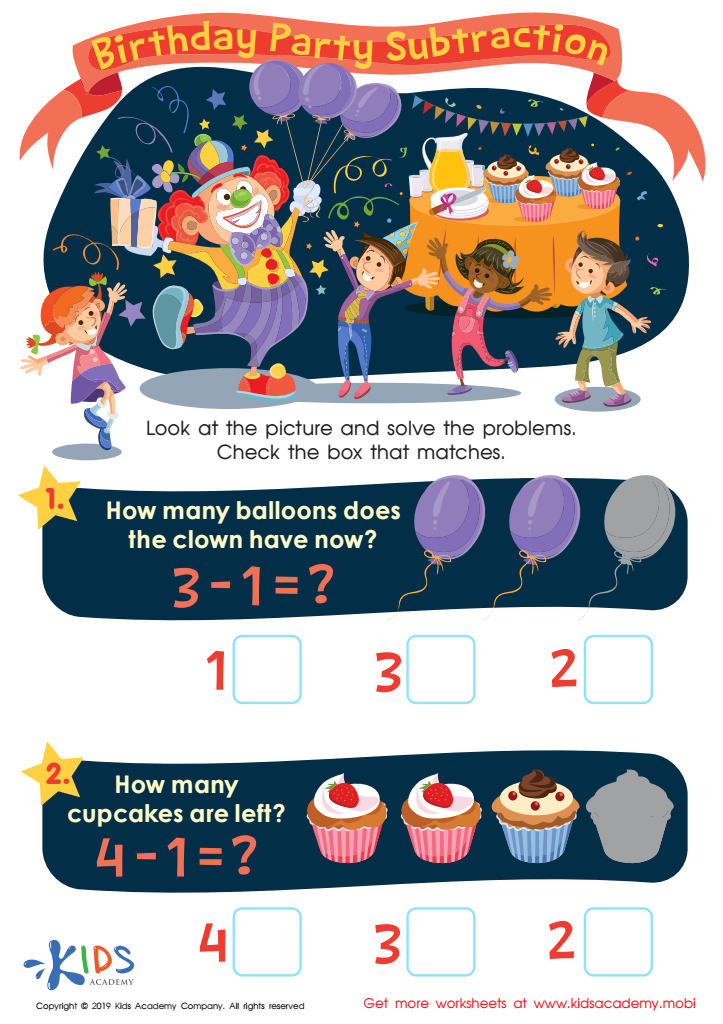
Birthday Party Subtraction Worksheet
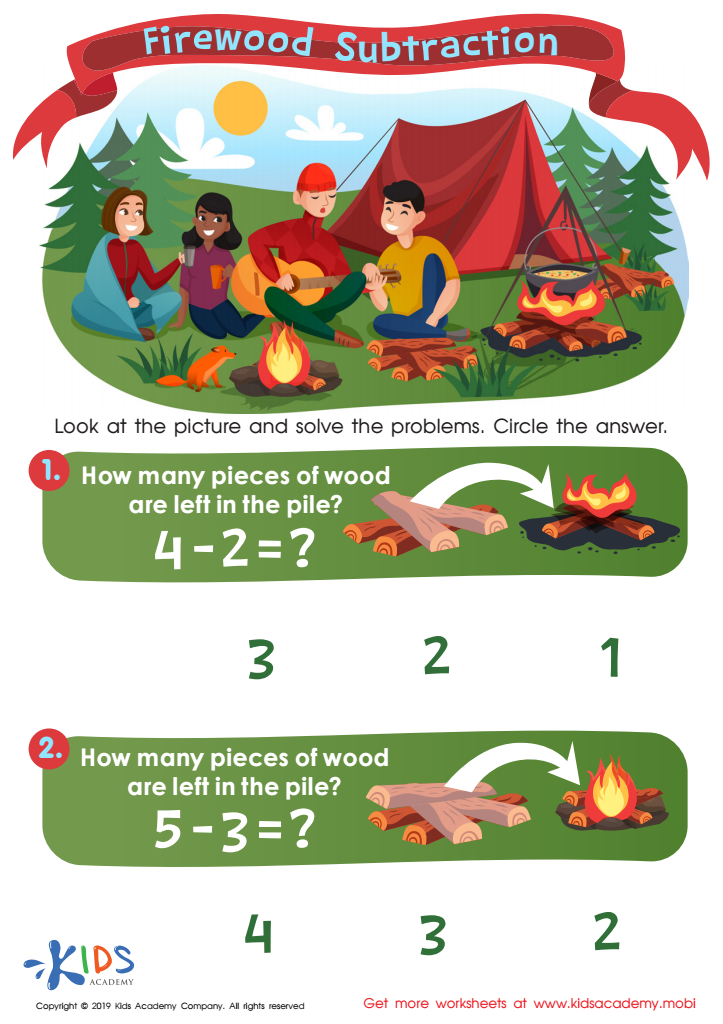
Firewood Subtraction Worksheet
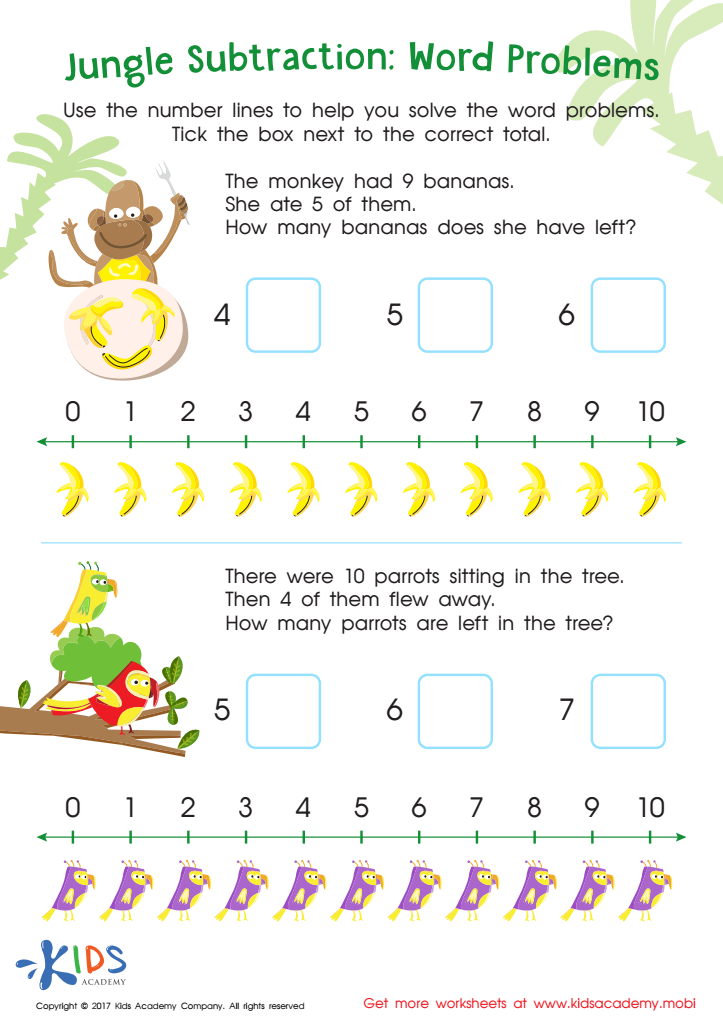
Jungle Subtraction Word Problems Substraction Worksheet








Developing subtraction skills in early childhood is crucial for laying the foundation for future mathematical success. For children aged 3-9, mastering subtraction enhances their number sense, critical thinking, and problem-solving abilities. By introducing these concepts early on, parents and teachers can help children build confidence in their math skills, which can positively impact their overall academic performance.
Subtraction practice fosters a deeper understanding of quantity, patterns, and relationships between numbers, which are essential concepts in mathematics. As children become more proficient in subtraction, they also improve their ability to perform more complex arithmetic operations and understand advanced math topics.
From a practical standpoint, subtraction is a fundamental skill used in everyday life, from calculating change during shopping to determining the time left for a task. Encouraging early subtraction practice prepares children for real-life situations, nurturing their independence and logical reasoning.
Furthermore, engaging in subtraction activities can be fun and interactive. Parents and teachers can make use of games, visual aids, and hands-on experiences to maintain children’s interest and enthusiasm for learning. This approach not only reinforces mathematical concepts but also supports the development of perseverance and attention to detail.
In summary, caring about subtraction practice for young children equips them with essential math skills, supports their academic growth, and prepares them for everyday problem-solving tasks.








