Subtraction skills Subtraction Worksheets for Ages 3-9
7 filtered results
-
From - To
Unlock your child's math potential with our engaging subtraction worksheets designed for ages 3-9! Our collection offers a range of fun and interactive activities that cater to various learning styles, ensuring your little ones grasp subtraction concepts with ease. Each worksheet is thoughtfully crafted to enhance problem-solving skills, boost confidence, and promote numerical fluency through colorful illustrations and age-appropriate challenges. From visual aids to simple subtraction exercises, our resources keep children excited about learning. Perfect for at-home practice or supplementary classroom activities, our subtraction worksheets are an essential tool for nurturing early math skills in young learners. Explore today and make math a joy!
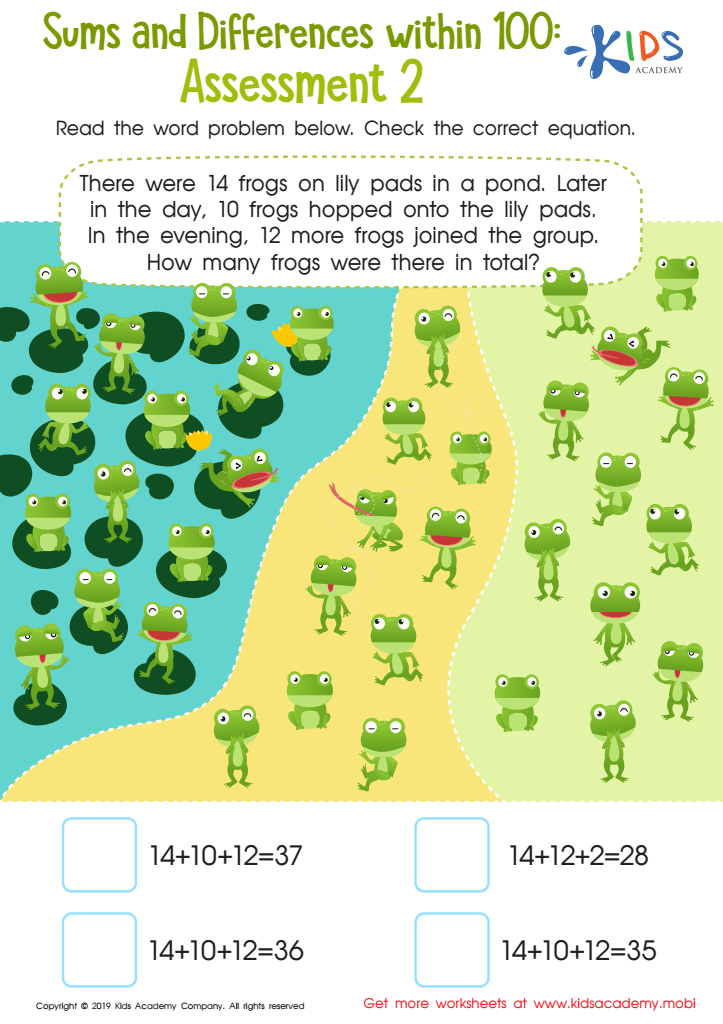
Sums and Differences Within 1 - Assessment 2 Worksheet
 Assign to My Students
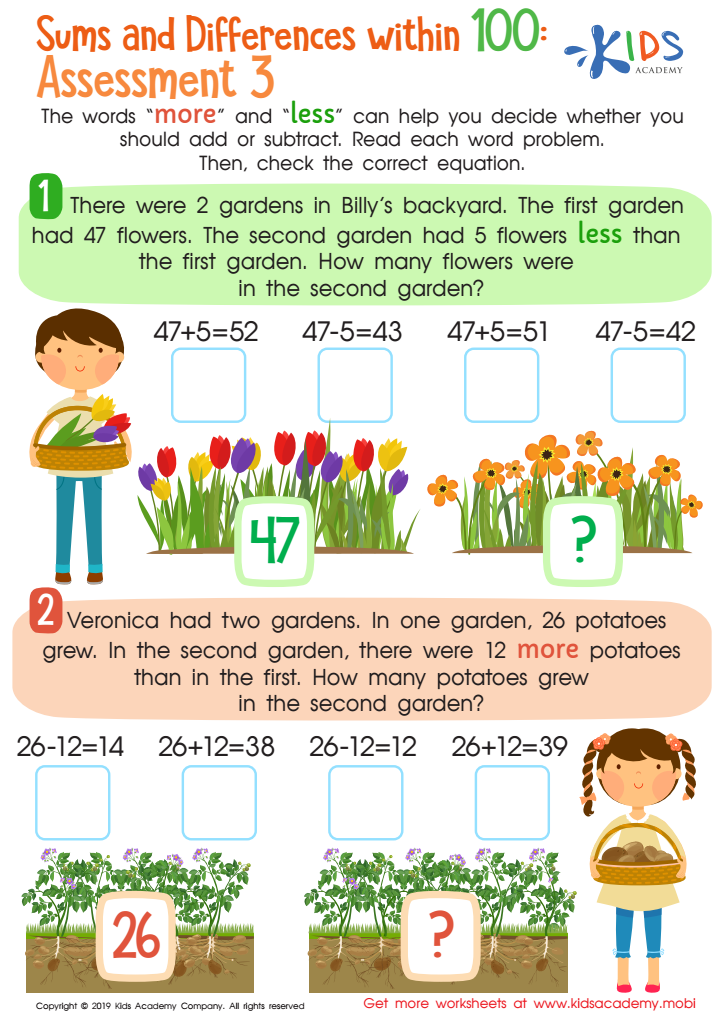
Sums and Differences Within 1 - Assessment 3 Worksheet
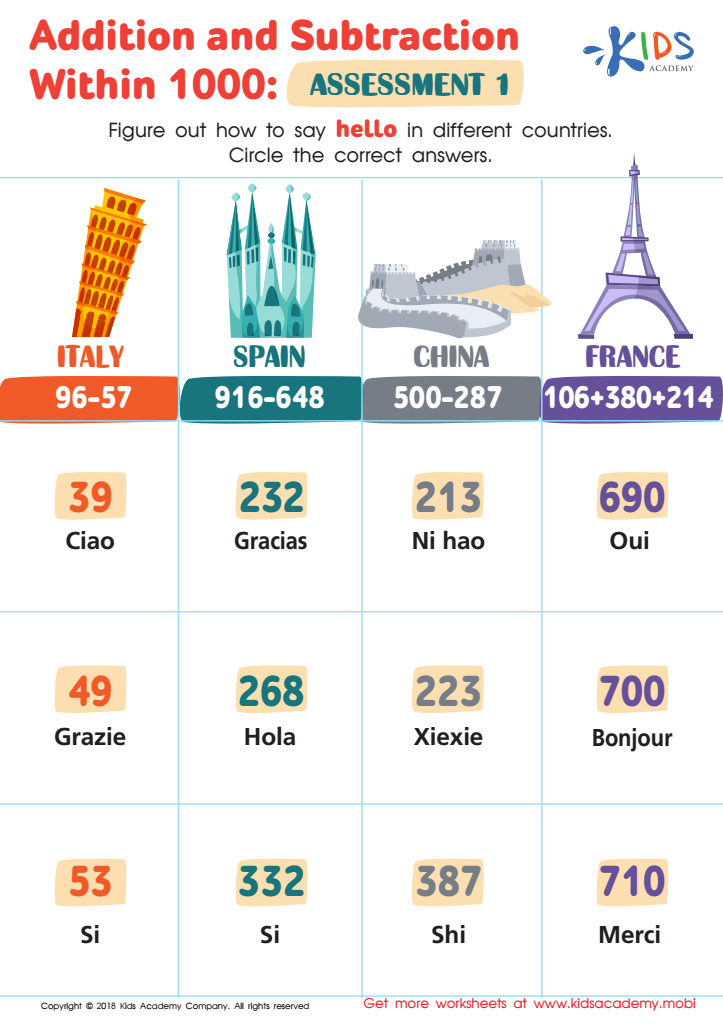
Addition and Subtraction Within 1000: Assessment 1 Worksheet
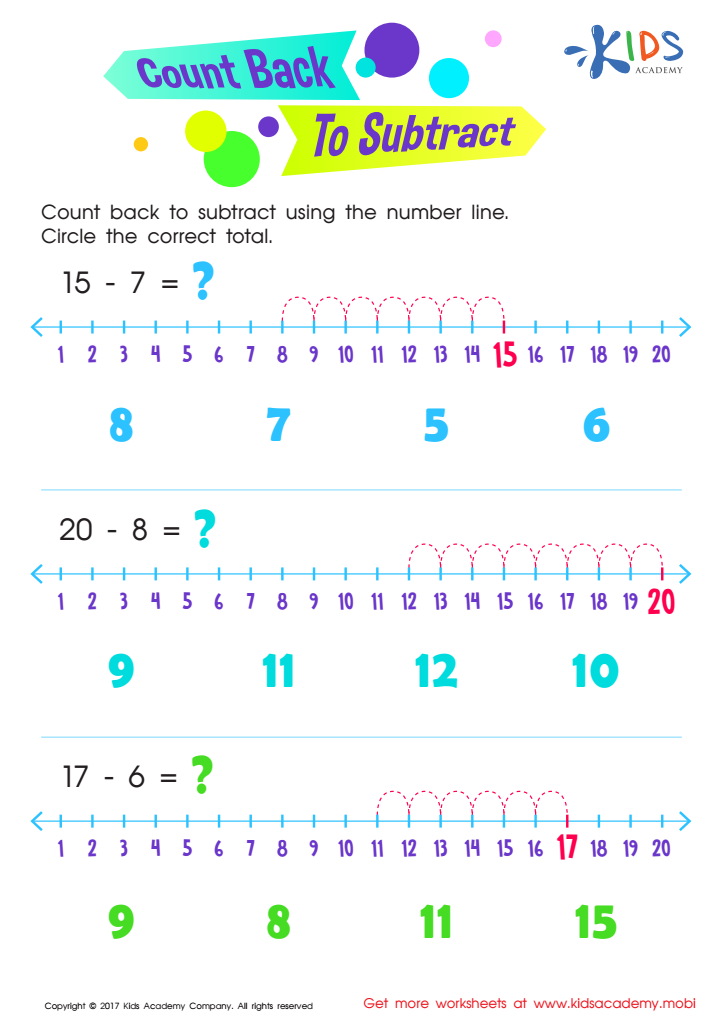
Count Back to Subtract Substraction Worksheet
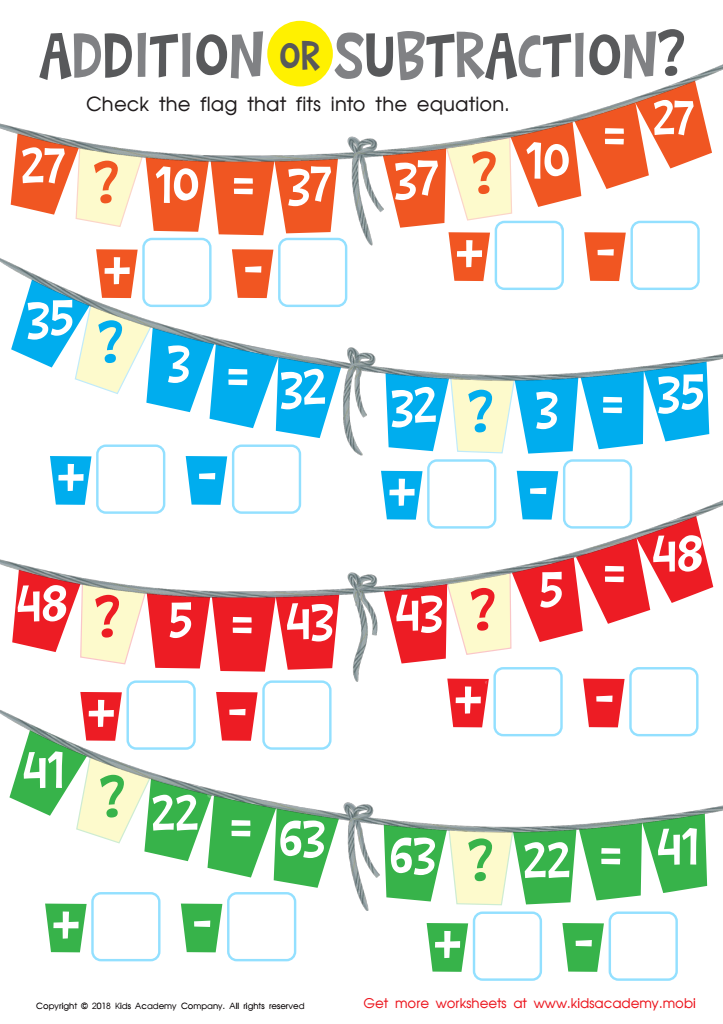
Addition or Subtraction? Worksheet
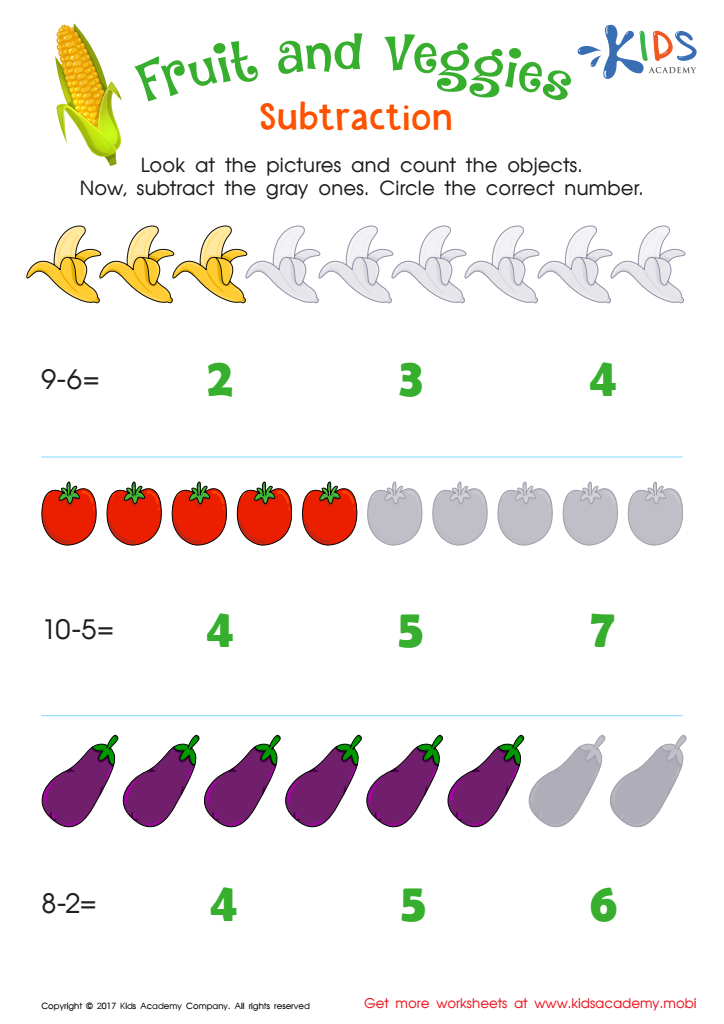
Fruit and Veggies Subtraction Worksheet
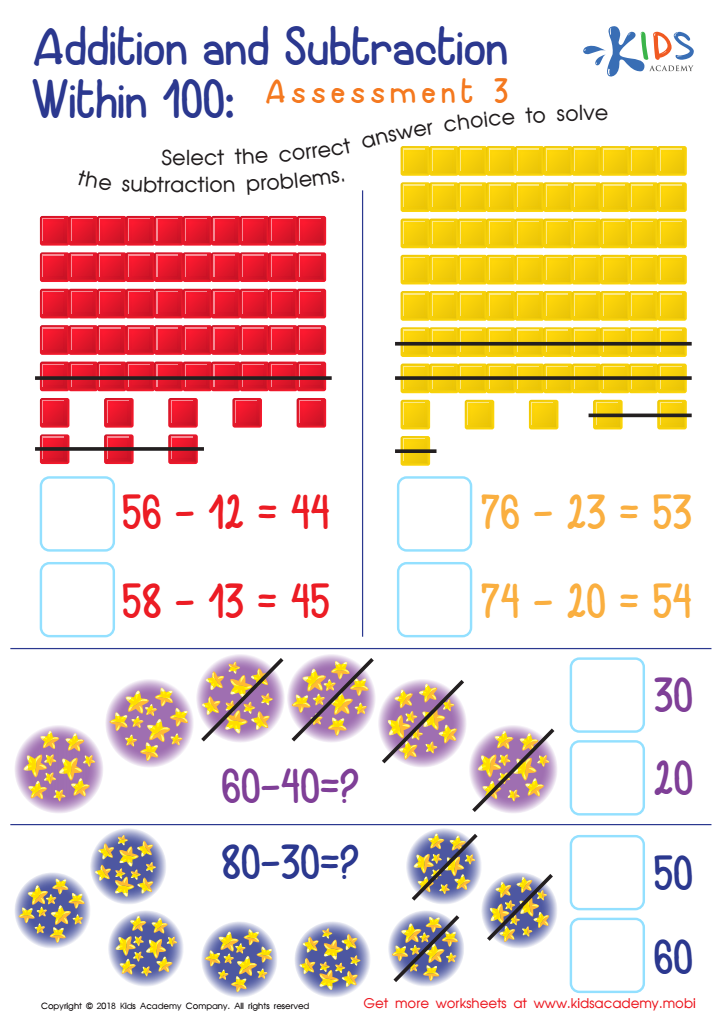
Addition and Subtraction Within 1: Assessment 3 Worksheet








Subtraction skills are crucial for children aged 3-9 as they lay the foundation for mathematical understanding and problem-solving abilities. Early mastery of subtraction not only strengthens numeracy but also helps children develop critical thinking, spatial reasoning, and analytical skills essential for their academic growth.
For parents and teachers, fostering subtraction skills promotes cognitive development and enriches everyday learning experiences. It aids in everyday situations, such as sharing resources or counting objects, helping children understand real-life applications of mathematics. Moreover, confidence in subtraction can positively impact their attitude toward learning and their willingness to engage in more complex mathematical concepts as they progress.
By introducing subtraction through playful activities, games, and relatable scenarios, adults can make learning enjoyable and relevant, which sustains children’s interest in math. Additionally, tracing patterns in early subtraction aids literacy skills, as understanding numbers and spaces interactively bridges confident inquiry across subjects.
Supporting the development of strong subtraction abilities empowers parents and educators to prepare children for future academic challenges, ultimately equipping them with the tools they need for lifelong learning and success. The early investment in these skills yields benefits that extend beyond mathematics, influencing overall cognitive development and problem-solving prowess.








